

 プレビュー
プレビュー
 シェアする
シェアする シェアする
シェアする
 詳細を見る
詳細を見る

 ダウンロード
 似ている作品
 X線調査
X線調査 スライドショー
 統計情報
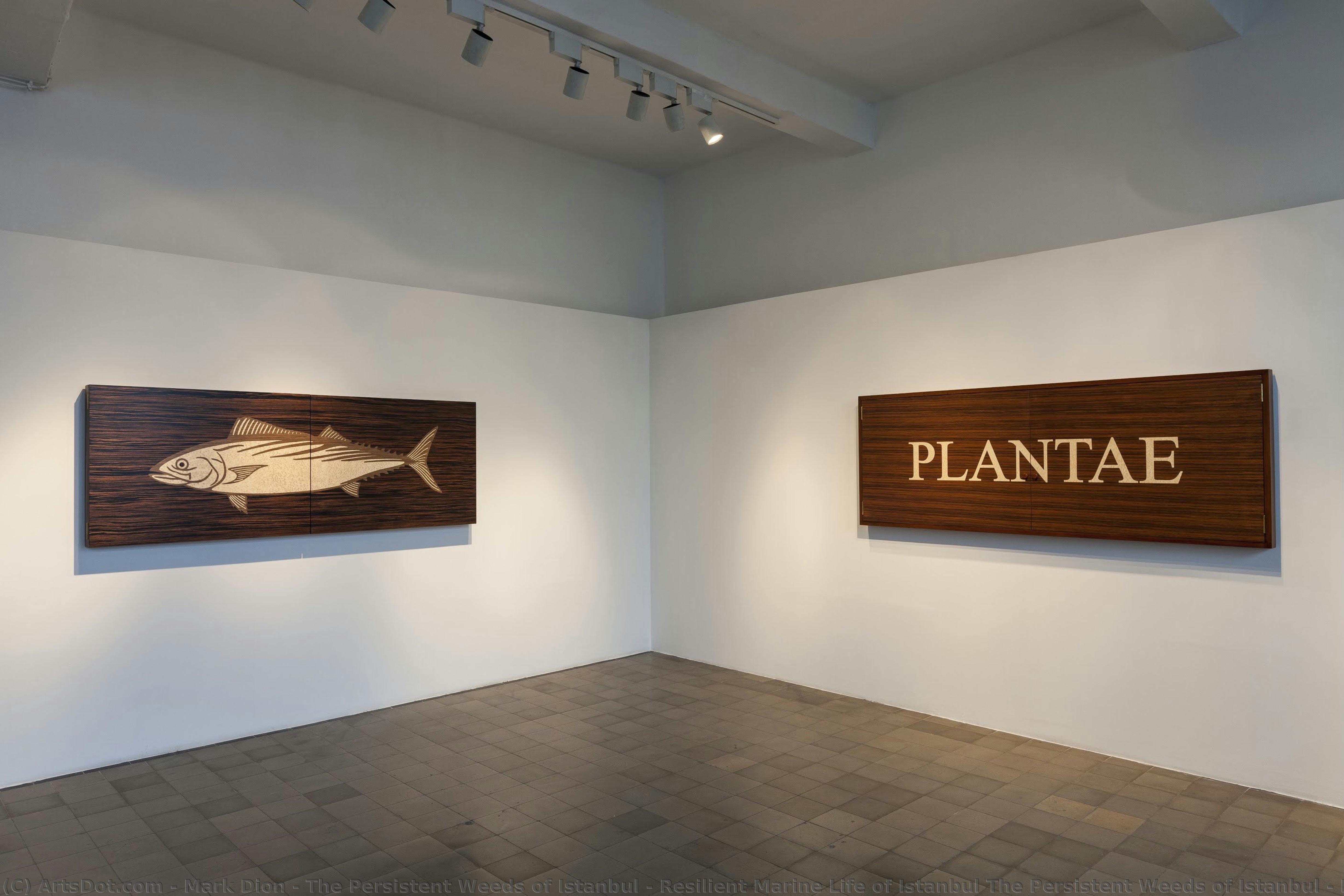
統計情報The Persistent Weeds of Istanbul / Resilient Marine Life of Istanbul The Persistent Weeds of Istanbul / Resilient Marine Life of Istanbul
 2017
2017 425.0 x 75.0 cm
 第15回イスタンブール・ビエンナーレ
 詳細を見る
詳細を見る
オンラインプレビューをはるかに凌ぐ、高解像度で鮮明なデジタル画像をご購入いただけます。
各ファイルは、社内の専門家が高度なツールと熟練した手作業によるレタッチを用いて、細心の注意を払って準備されています。すべての画像において、卓越した鮮明度、正確な色彩再現性、そして繊細なディテールを保証いたします。
最終ファイルは、プロフェッショナルな編集・印刷環境ですぐにご利用いただけるよう最適化された状態で、72時間以内にメールにてお届けいたします。これは、一流のデザインスタジオ、出版社、ギャラリーから信頼されているものと同等の品質です。
デジタルアート
個人での鑑賞、印刷、クリエイティブなプロジェクト用に、高解像度ファイルをダウンロードできます。 ( プリント版に切り替え 手描きの絵画を購入)
デジタル画像のご注文に付随する特典
高品質なデジタル画像配信を、確かな品質で。
ArtsDot.com を選ぶことは、単に画像を手に入れることではありません。それは、プロの手によって精密に仕上げられ、満足保証が付いた高品質なデジタルアートワークを受け取ることを意味します。ご注文いただいた際に自動的に付随する内容は、以下の通りです:

メールですぐにお届け
ご注文から72時間以内に、高解像度のデジタル画像ファイルがメールでお手元に届きます。すぐにそのままご利用いただけます。

AI技術で最適化されたデジタルファイル
お客様の作品は、高度なAIツールと専門家による手作業の編集を組み合わせてプロフェッショナルに最適化されており、細部のディテール、鮮明さ、そして正確な色再現性を最大限に引き出しています。

一生涯無料の再送サービス
ファイルを誤って削除したり、紛失してしまったりしましたか?ご安心ください。いつでも無料で再送いたします。

輸入手数料は一切かかりません
関税や手数料、配送料を気にすることなく、お気に入りのアートワークをすぐにお楽しみいただけます。デジタルダウンロードは常に免税です。

色彩再現の保証
プロ仕様のツールとカラーマネジメント技術を用いることで、デジタル画像が元の色を最大限に忠実に再現することを保証いたします。

100日間満足保証
ご購入いただいたデジタル画像にご満足いただけない場合は、100日以内であれば、理由を問わず修正または100%の返金対応をさせていただきます。

100% 返金保証
ご満足いただけない場合は、デジタルファイルを受け取ってから100日以内であれば、理由を問わず全額返金いたします。

まとめ買い割引
3枚購入で10%OFF - 5枚購入で15%OFF - 10枚以上購入で20%OFF。クリエイティブなプロジェクト、ギャラリー、エージェンシーに最適です。
関連作品








作家の略歴
Mark Dion: Deconstructing Knowledge, Challenging Perception
Born in New Bedford, Massachusetts, in 1961, Mark Dion’s artistic journey began amidst the echoes of a once-thriving whaling port and the remnants of its industrial past. This formative environment profoundly shaped his approach to art – a deliberate interrogation of established institutions, dominant ideologies, and the construction of knowledge itself. From an early age, Dion exhibited a keen interest in both history and science, fueled by explorations of local museums like the New Bedford Whaling Museum, which sparked a fascination with collecting, ordering, and presenting objects in ways that revealed underlying power structures.
Dion’s formal education at the University of Hartford School of Art provided him with a crucial foundation. He honed his skills while simultaneously working as an art conservator, an experience that instilled within him a deep appreciation for the materiality of objects and their historical context. This period also exposed him to the often-invisible labor involved in preserving cultural heritage, informing his later critique of how knowledge is curated and presented.
His studies at the Whitney Museum of American Art under influential figures like Joseph Kosuth and Hans Haacke further solidified his conceptual approach. These mentors encouraged a willingness to challenge conventional artistic practices and explore the intersection of art, science, and social commentary. Dion’s work began to coalesce around the idea that seemingly objective scientific endeavors are rarely neutral; they are always shaped by specific agendas, social contexts, and power dynamics.
The Scientific Presentation: A Method of Disruption
At the core of Mark Dion's practice lies a distinctive method – the deployment of what he terms “scientific presentations.” This isn’t simply mimicry; it’s a deliberate strategy to expose the inherent biases and constructed nature of knowledge systems. He meticulously replicates the visual language and organizational structures of museums, scientific institutions, and archival practices, but subverts their intended function. Dion often employs wunderkammen-like arrangements – elaborate displays of seemingly disparate objects – to reveal hidden connections and challenge viewers’ assumptions about order and meaning.
His installations frequently incorporate elements of archaeology, ethnography, and natural history, drawing parallels between the ways in which these disciplines collect, classify, and exhibit specimens. However, Dion consistently disrupts this process, highlighting the subjective choices involved in selection, arrangement, and interpretation. He questions the authority of scientific discourse by demonstrating how pseudo-science, social agendas, and ideology can infiltrate even the most ostensibly objective fields.
Notable Works: Excavating Institutional Power
Dion’s career has produced a body of work that is both intellectually rigorous and visually arresting. “Neukom Vivarium,” a permanent outdoor installation at the Olympic Sculpture Park in Seattle, stands as a prime example of his approach. This complex structure, resembling a miniature museum or research facility, explores the relationship between science, commerce, and environmental politics. It’s a layered commentary on the commodification of knowledge and the construction of narratives about nature.
Other significant projects include “The Persistent Weeds of Istanbul/Resilient Marine Life of Istanbul,” which examines the complex interplay between human intervention and ecological change; “Mark Dion: The Academy of Things,” a collaborative installation with students in Dresden, Germany, that critically investigates the role of institutions in shaping knowledge production; and his ongoing series of "Tate Thames Digs," archaeological investigations along the banks of the River Thames that reveal layers of history and social activity.
Environmental Politics and Institutional Critique
Dion’s work is deeply rooted in environmental politics, but not in a straightforwardly activist way. Instead, he meticulously traces the historical roots of ecological concerns within the construction of knowledge about nature. He reveals how scientific narratives have been used to justify exploitation, control, and ultimately, environmental degradation. His installations often expose the ways in which seemingly neutral scientific practices are implicated in broader social and political agendas.
By questioning the objectivity of the scientific voice, Dion compels viewers to critically examine the assumptions underlying our understanding of the natural world. He demonstrates that knowledge is always situated within a specific context – shaped by power relations, cultural values, and historical circumstances. His work serves as a potent reminder that environmental action requires not only ecological awareness but also a deep engagement with the social and political forces that drive environmental problems.
Legacy and Influence
Mark Dion’s influence extends far beyond the realm of conceptual art. His meticulous approach to research, his willingness to engage with diverse disciplines, and his sharp critique of institutional power have resonated with artists, scholars, and activists alike. He has demonstrated that art can be a powerful tool for exposing hidden agendas, challenging dominant narratives, and fostering critical reflection on the complex relationship between knowledge, culture, and the environment. Dion’s work continues to provoke dialogue and inspire new approaches to artistic practice, solidifying his position as a significant figure in contemporary art.
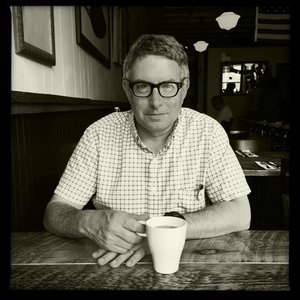
Mark Dion
1961 - , United States of America
プロフィール概要
- Artistic Movement Or Style: Conceptual art, installation art
- Artists Or Movements Influenced By This Artist:
- Conceptual art
- Environmental art
- Artists Who Influenced This Artist:
- Joseph Kosuth
- Hans Haacke
- Barbara Kruger
- Date Of Birth: August 28, 1961
- Full Name: Mark Dion
- Nationality: American
- Notable Artworks:
- The Persistent Weeds of Istanbul
- Neukom Vivarium
- Polar Bear and Toucans
- Place Of Birth: New Bedford, USA