

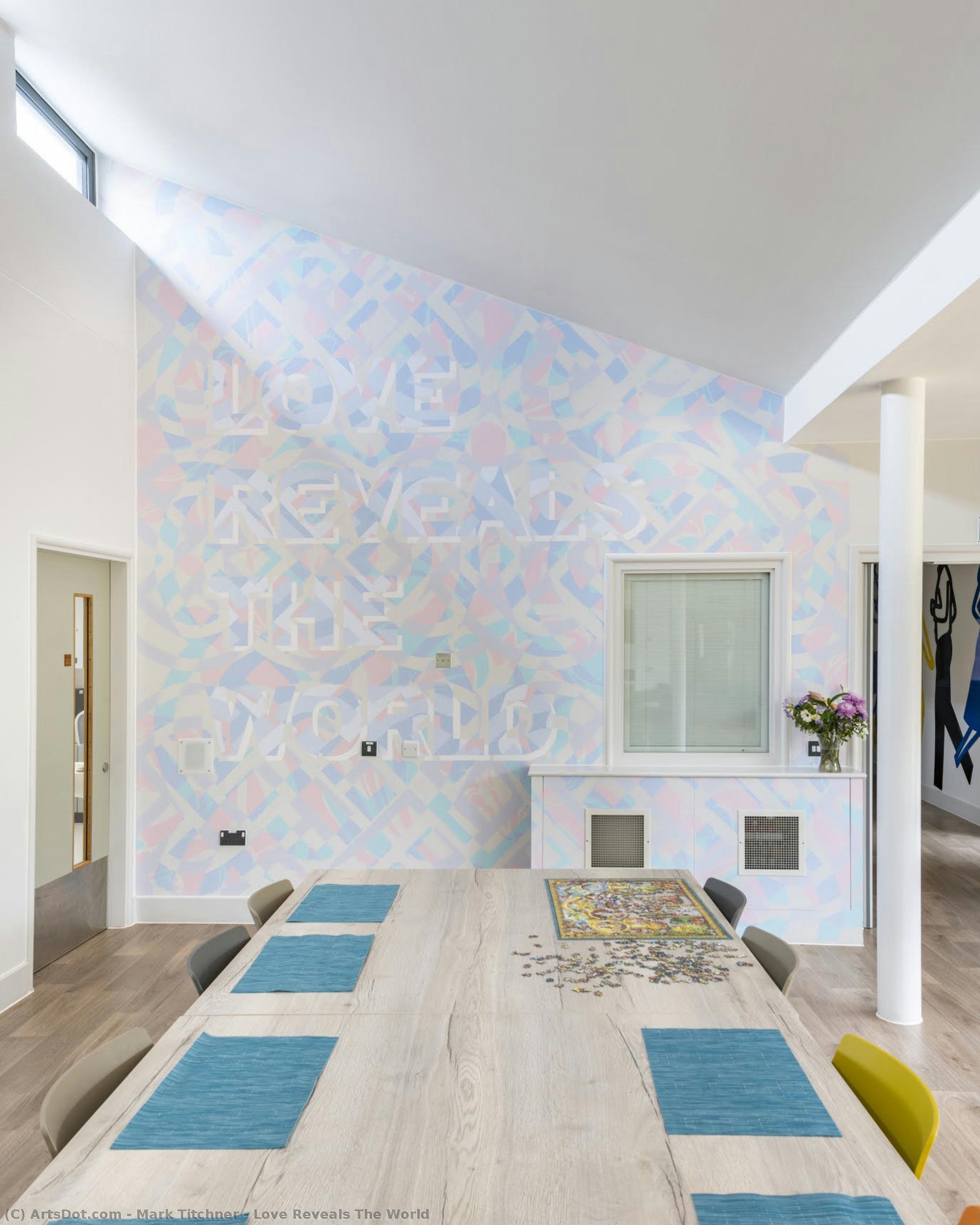
 プレビュー
プレビュー
 シェアする
シェアする シェアする
シェアする
 詳細を見る
詳細を見る

 ダウンロード
 似ている作品
 X線調査
X線調査 スライドショー
 統計情報
統計情報Love Reveals The World


 詳細を見る
詳細を見る
手描き油彩複製画
当社のアーティストが、お客様のご希望のサイズと額縁に合わせて、キャンバスに手描きで制作する油彩画です。 ( プリント版に切り替え デジタル画像販売へ切り替え)




































作品のオリジナル比率に合わせた、当店の規定サイズからお選びください。

特定のフレームやスペースに合わせて、ご希望のサイズをご入力いただけます。選択されたサイズが元の画像の比率と異なる場合、アートワークをトリミングするか、手描きで要素を追加して絵画を拡張いたします。デジタルモックアップ を制作し、制作開始前にご確認(承認)をいただきます。
画面上のプレビューは、実際のトリミングや拡張を正確に反映しているものではありません。最終的な構図は、モックアップによってのみ正確にご確認いただけます。
カスタムサイズもご利用いただけますが、元の比率を維持するためには、あらかじめ用意されたリストからサイズを選択することをお勧めいたします。
ご注文後、ArtsDot.com チームより詳細な指示をお送りするとともに、仕上がりイメージ(モックアップ)をご提供いたします。


 ガラスオプションは、110cm未満のサイズでのみご利用いただけます。

Love Reveals The World
複製技法
複製画のサイズ
-


合計金額
$ 263
関連作品








アーティストの略歴
Early Life and Artistic Foundations
Mark Titchner, born in Luton, United Kingdom, in 1973, emerged from a landscape steeped in post-industrial realities and the burgeoning cultural currents of the late 20th century. His formative years in Dunstable, adjacent to his birthplace, instilled within him an early awareness of societal structures and the often-unspoken beliefs that underpin them. This foundational understanding would become central to his artistic practice. Titchner’s academic journey began with a foundation course before he pursued formal training at Central Saint Martins College of Art & Design in London, graduating in 1995. It was during these pivotal years that he began to articulate a unique visual language—one deeply rooted in the exploration of words and their power to shape perception.
The Language of Belief: A Developing Practice
Titchner’s artistic development is characterized by an ongoing interrogation of belief systems, encompassing religion, science, philosophy, and even popular culture. He doesn't seek to champion a particular ideology but rather to expose the inherent tensions and contradictions within them all. Early works often involved reinterpreting obscure or marginalized theories, presenting them in semi-functional forms that invited contemplation on ritual and devotion. This fascination with language extended beyond mere textual representation; he began experimenting with light boxes, hand-carved contraptions, and increasingly, public installations as a means of disseminating his ideas to wider audiences. The artist’s approach is not didactic but suggestive, prompting viewers to question their own assumptions and the narratives they have internalized.
Recognition and Major Achievements
The year 2006 marked a significant turning point in Titchner's career with his nomination for the prestigious Turner Prize. His solo show at the Arnolfini in Bristol, featuring the sculptural installation “How To Change Behaviour (Tiny Masters Of The World Come Out),” garnered critical acclaim and solidified his position as a leading contemporary artist. This work, like much of his oeuvre, demonstrated his ability to synthesize diverse references—from heavy metal lyrics to complex philosophical concepts—into compelling visual statements. Further recognition came in 2007 with inclusion in the 52nd Venice Biennale, where he exhibited within Ukraine’s Pavilion. His book, *WHY AND WHY NOT*, published by Bookworks in 2004, further showcased his intellectual depth and commitment to exploring the nuances of human thought.
Expanding into the Public Realm
A defining characteristic of Titchner's work is its increasing presence in public spaces. He recognized the potential for art to engage directly with communities, moving beyond the confines of traditional gallery settings. Projects like “Run, Black River, Run” at BALTIC, Gateshead (2008), and subsequent commissions in Blackpool (2016), Manchester (2017), Royal Bethlem Hospital London (2019) and Colchester (2020) demonstrate his commitment to creating site-specific works that respond to the unique context of each location. These installations are often born from extended group activities, fostering collaboration and a sense of collective ownership. “Me. Here. Now.” at London Bridge Station is a particularly striking example, transforming a bustling transit hub into a space for reflection.
Historical Significance and Enduring Themes
Mark Titchner’s contribution to contemporary art lies in his ability to articulate the complexities of belief in an increasingly fragmented world. He doesn't offer easy answers but instead encourages critical thinking and self-awareness. His work resonates with a generation grappling with questions of identity, meaning, and the search for truth. The artist’s exploration of language as a tool for both communication and control is particularly relevant in the age of misinformation and social polarization. Participation, imagination, and a willingness to engage with diverse perspectives are central themes that continue to inform his practice, ensuring his enduring significance within the broader landscape of contemporary art. His works are held in prominent collections including The Arts Council, British Council, South London Gallery, and Tate Gallery, cementing his legacy as an artist who challenges conventions and provokes meaningful dialogue.
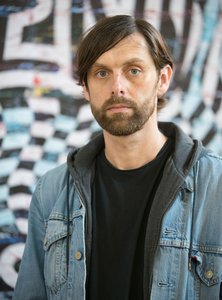
Mark Titchner
1973 - , United Kingdom
基本情報
- Artistic Movement Or Style:
- Cubism
- Surrealism
- Neoclassicism
- Expressionism
- Artists Or Movements Influenced By This Artist:
- Modern Art
- Contemporary Art
- Artists Who Influenced This Artist:
- Cézanne
- El Greco
- African art
- Date Of Birth: 25 October 1881
- Date Of Death: 8 April 1973
- Full Name: Pablo Diego José Francisco de Paula Juan Nepomuceno María de los Remedios Cipriano de la Santísima Trinidad Ruiz y Picasso
- Nationality: Spanish
- Notable Artworks:
- Guernica
- Les Demoiselles d’Avignon
- The Weeping Woman
- Place Of Birth: Málaga, Spain