

 プレビュー
プレビュー
 プリントを購入
 シェアする
シェアする シェアする
シェアする
 詳細を見る
詳細を見る

 ダウンロード
 似ている作品
 X線調査
X線調査 スライドショー
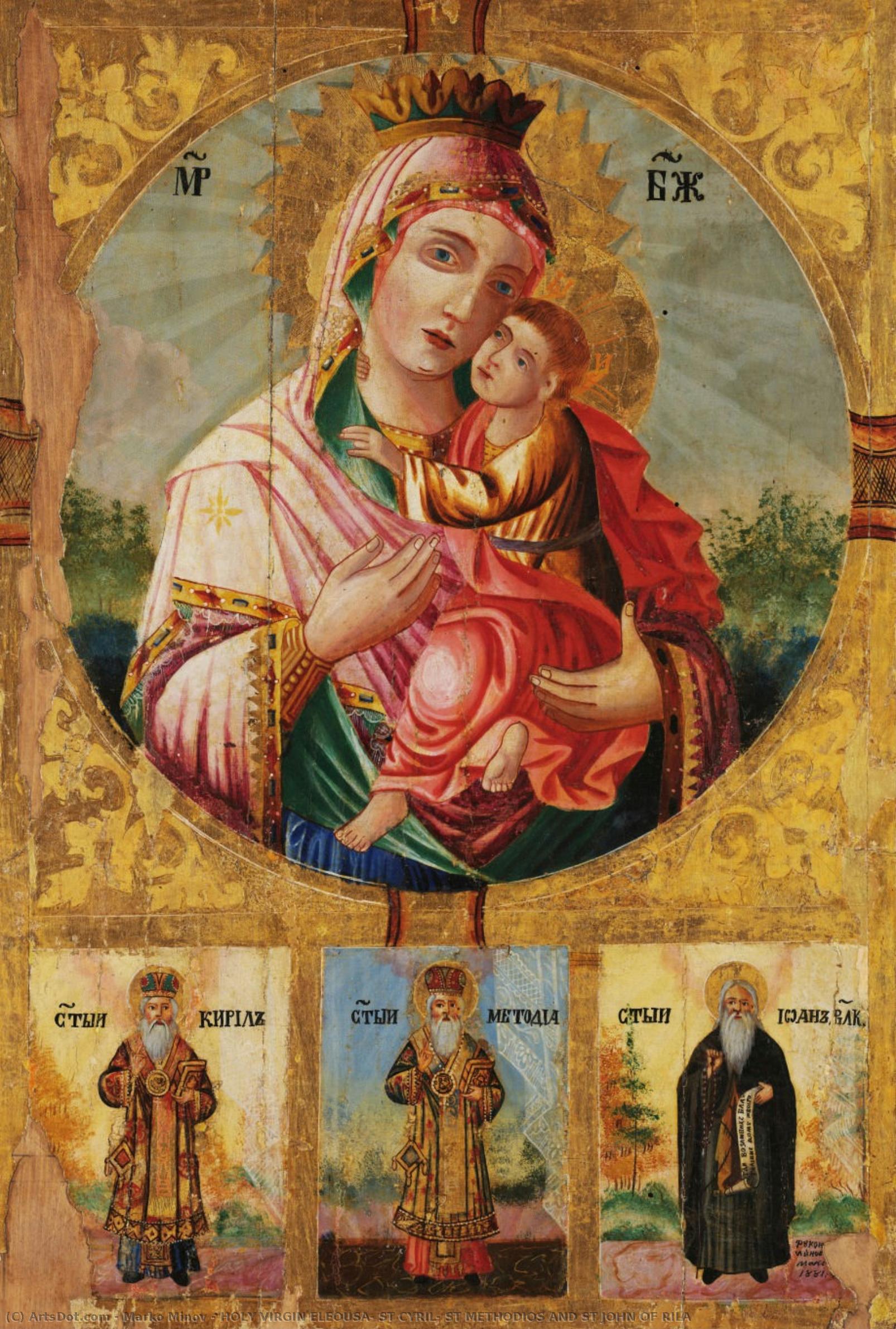
HOLY VIRGIN ELEOUSA, ST CYRIL, ST METHODIOS AND ST JOHN OF RILA


 詳細を見る
詳細を見る
オンラインプレビューをはるかに凌ぐ、高解像度で鮮明なデジタル画像をご購入いただけます。
各ファイルは、社内の専門家が高度なツールと熟練した手作業によるレタッチを用いて、細心の注意を払って準備されています。すべての画像において、卓越した鮮明度、正確な色彩再現性、そして繊細なディテールを保証いたします。
最終ファイルは、プロフェッショナルな編集・印刷環境ですぐにご利用いただけるよう最適化された状態で、72時間以内にメールにてお届けいたします。これは、一流のデザインスタジオ、出版社、ギャラリーから信頼されているものと同等の品質です。
デジタル画像のご注文に付随する特典
高品質なデジタル画像配信を、確かな品質で。
ArtsDot.com を選ぶことは、単に画像を手に入れることではありません。それは、プロの手によって精密に仕上げられ、満足保証が付いた高品質なデジタルアートワークを受け取ることを意味します。ご注文いただいた際に自動的に付随する内容は、以下の通りです:

メールですぐにお届け
ご注文から72時間以内に、高解像度のデジタル画像ファイルがメールでお手元に届きます。すぐにそのままご利用いただけます。

AI技術で最適化されたデジタルファイル
お客様の作品は、高度なAIツールと専門家による手作業の編集を組み合わせてプロフェッショナルに最適化されており、細部のディテール、鮮明さ、そして正確な色再現性を最大限に引き出しています。

一生涯無料の再送サービス
ファイルを誤って削除したり、紛失してしまったりしましたか?ご安心ください。いつでも無料で再送いたします。

輸入手数料は一切かかりません
関税や手数料、配送料を気にすることなく、お気に入りのアートワークをすぐにお楽しみいただけます。デジタルダウンロードは常に免税です。

色彩再現の保証
プロ仕様のツールとカラーマネジメント技術を用いることで、デジタル画像が元の色を最大限に忠実に再現することを保証いたします。

60日間満足保証
ご購入いただいたデジタル画像にご満足いただけない場合は、60日以内であれば、修正または100%の返金(理由を問う必要はありません)をさせていただきます。

100% 返金保証
ご満足いただけない場合は、デジタルファイルを受け取ってから60日以内であれば、理由を問わず全額返金いたします。

まとめ買い割引
3枚購入で10%OFF - 5枚購入で15%OFF - 10枚以上購入で20%OFF。クリエイティブなプロジェクト、ギャラリー、エージェンシーに最適です。
A Sacred Encounter: The Divine Presence in Minov’s Iconography
In the quiet, hallowed atmosphere of the National Gallery of Bulgaria, there exists a window into the celestial realm, captured through the meticulous brushstrokes of Marko Minov. His 1881 masterpiece, HOLY VIRGIN ELEOUSA, ST CYRIL, ST METHODIOS AND ST JOHN OF RILA, is far more than a mere religious depiction; it is a profound spiritual dialogue rendered in tempera on wood. At the heart of this composition lies the tender, heartbreakingly human moment of the Eleousa—the Virgin of Tenderness—where the Mother of God gazes upon the Christ Child with an expression that blends maternal devotion with a premonition of divine sacrifice. This intimate connection serves as the emotional anchor for a larger, more complex assembly of saints, creating a tapestry of faith that transcends time.
The painting breathes with the weight of history and the sanctity of tradition. Minov, an artist whose roots are deeply embedded in the rugged, culturally rich landscapes of Gali_čnik, North Macedonia, brings to this work a lineage of craftsmanship passed through generations. The inclusion of St. Cyril and St. Methodios, the architects of the Cyrillic script, alongside the revered St. John of Rila, elevates the piece from a private devotional object to a monumental celebration of Slavic identity and Orthodox heritage. Each figure is positioned with a deliberate, rhythmic grace, guiding the viewer’s eye through a hierarchy of holiness that feels both structured and deeply organic.
Technically, the work is a triumph of the tempera medium. Minov utilizes the characteristic opacity and luminosity of tempera to create skin tones that seem to glow from within, contrasting beautifully against the more somber, earth-toned backgrounds typical of late 19th-century iconographic traditions. The wood paneling provides a sturdy, tactile foundation, lending the piece an architectural permanence. For the discerning collector or interior designer, this artwork offers a rare opportunity to introduce a sense of timelessness and contemplative peace into a space. A high-quality reproduction of this icon does not merely decorate a wall; it anchors a room with a sense of historical gravity and spiritual serenity.
To possess or display a tribute to this work is to invite the quiet strength of the mountains and the enduring light of tradition into one's surroundings. Whether placed in a curated gallery setting or as a focal point in a sophisticated, classical interior, the painting serves as a reminder of the beauty found in devotion. It is an invitation to pause, to reflect, and to connect with a legacy of artistry that has survived the shifting tides of history, preserved through the hands of masters like Minov.
関連作品
作家の略歴
Marko Minov: A Voice of the Mountains – Preserving Tradition Through Iconography
Nestled in the remote village of Galičnik, high within the Deber region of North Macedonia, resides Marko Minov—an artist whose hands carry the weight of centuries and whose vision breathes life into the enduring traditions of Bulgarian iconography. More than simply a painter, Minov is a custodian of a sacred art form, meticulously recreating icons that resonate with profound spiritual significance and offer a tangible link to Bulgaria’s rich cultural heritage. His work isn't merely decorative; it’s a vibrant testament to faith, history, and the enduring spirit of his community.
Minov’s journey into the world of icon painting began within the very heart of Galičnik, a village renowned for its unique architectural style and fiercely preserved artistic practices. Galičnik's isolation has acted as a protective shield, allowing traditional crafts – particularly icon painting – to flourish largely untouched by external influences. He learned his craft from his father, who in turn had been taught by generations of Galičnik icon painters. This unbroken lineage is crucial to understanding Minov’s work; it represents not just technical skill but also a deep-seated connection to the village's spiritual and artistic identity.
The Art of St. Nahum and Beyond
Minov’s most celebrated works include his depictions of St. Nahum and Eleousa, two icons that exemplify the distinctive style he has developed. The “St. Nahum with Scenes from His Life” is particularly striking for its dynamic composition and vivid portrayal of the saint's ministry. Minov masterfully captures the intensity of the biblical narratives through a carefully orchestrated arrangement of figures and symbolic elements. The use of color is exceptionally rich, employing deep blues, reds, and golds to evoke a sense of both earthly reality and divine transcendence. The Eleousa icon, depicting the Virgin Mary holding the Christ Child, showcases Minov’s ability to imbue even familiar subjects with profound emotional depth.
His work shares stylistic similarities with that of Avram Dichov, another prominent Galičnik iconographer, yet Minov possesses a unique voice—a palpable sense of immediacy and personal expression. While honoring the established conventions of Bulgarian iconography – the use of gold leaf, tempera paint on wood panels, and adherence to specific compositional rules – he infuses his paintings with a vibrant energy and a deeply felt spirituality that sets him apart.
Technique and Materials: A Dialogue with Tradition
The creation of an icon by Marko Minov is a deliberate and painstaking process. He begins with the preparation of the wood panel, meticulously sanding it smooth before applying layers of gesso to create a receptive surface for the paint. Tempera, made from egg yolk and pigments, forms the basis of his palette—a medium known for its luminosity and archival stability. Gold leaf is applied using heated tools, adding an ethereal quality to the halos and other symbolic elements.
Minov’s dedication extends beyond simply replicating established techniques; he actively engages with the materials themselves, understanding their properties and utilizing them to achieve his artistic vision. The slow, deliberate nature of icon painting—a process that can take months or even years for a single work—reflects Minov's deep respect for tradition and his commitment to producing art of lasting value.
Historical Context and Significance
Marko Minov’s work is inextricably linked to the broader history of Bulgaria and its Orthodox Christian heritage. During the Bulgarian National Revival (18th-19th centuries), icon painting experienced a resurgence, fueled by a desire to reconnect with ancient traditions and assert national identity. Galičnik emerged as a vital center for this artistic revival, preserving techniques and styles that had been threatened by Ottoman rule.
Today, Minov’s work stands as a powerful symbol of cultural continuity—a testament to the resilience of traditional crafts in the face of modernization. His icons are not merely objects of religious devotion; they are windows into a vibrant past, offering insights into the beliefs, values, and artistic sensibilities of Galičnik and its people. His continued practice ensures that this ancient art form will endure for generations to come, carrying with it the spirit of North Macedonia’s mountainous heart.
Further Exploration
- Useful Links: Marko Minov – ArtsDot.com
- Macedonians and the NOT so Civil War in Greece: Read More
- A Tour in Macedonia: Explore the Document
- Directory of Municipalities in the Republic of Macedonia 2006: View the Directory
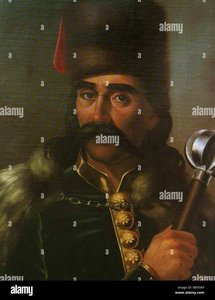
marko minov
North Macedonia
プロフィール概要
- Artistic Movement Or Style: Iconography
- Date Of Birth: Galičnik, North Macedonia
- Full Name: Marko Minov
- Nationality: Bulgarian
- Notable Artworks: ['St Nahum & Eleousa']
- Place Of Birth: Galičnik, North Macedonia

