

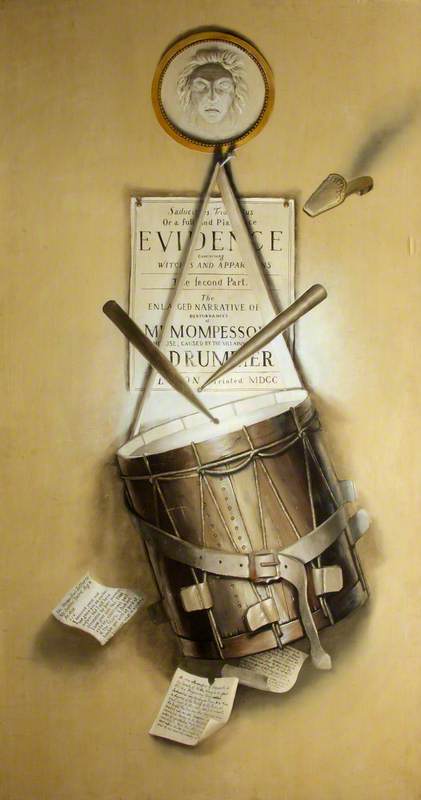
 プレビュー
プレビュー
 シェアする
シェアする シェアする
シェアする
 詳細を見る
詳細を見る

 ダウンロード
 似ている作品
 X線調査
X線調査 スライドショー
 Stats
StatsTrompe l'oeil (Drummer Boy)
 1960
1960 180.0 x 95.0 cm
 National Trust
 詳細を見る
詳細を見る
手描き油彩複製画
当社のアーティストが、お客様のご希望のサイズと額縁に合わせて、キャンバスに手描きで制作する油彩画です。 ( Switch to Print Switch to Digital Image)




































作品のオリジナル比率に合わせた、当店の規定サイズからお選びください。

特定のフレームやスペースに合わせて、ご希望のサイズをご入力いただけます。選択されたサイズが元の画像の比率と異なる場合、アートワークをトリミングするか、手描きで要素を追加して絵画を拡張いたします。デジタルモックアップ を制作し、制作開始前にご確認(承認)をいただきます。
画面上のプレビューは、実際のトリミングや拡張を正確に反映しているものではありません。最終的な構図は、モックアップによってのみ正確にご確認いただけます。
カスタムサイズもご利用いただけますが、元の比率を維持するためには、あらかじめ用意されたリストからサイズを選択することをお勧めいたします。
ご注文後、ArtsDot.com チームより詳細な指示をお送りするとともに、仕上がりイメージ(モックアップ)をご提供いたします。


 ガラスオプションは、110cm未満のサイズでのみご利用いただけます。

Trompe l'oeil (Drummer Boy)
複製技法
複製画のサイズ
-


合計金額
$ 263
関連作品


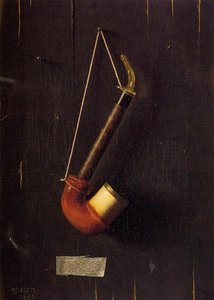
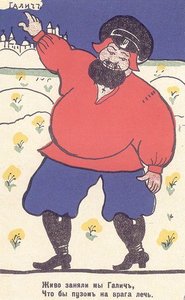
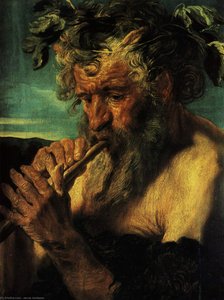
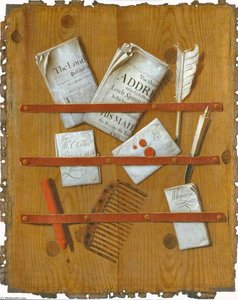

アーティストの略歴
A Master of Illusion: The Life and Art of Martin Battersby
George Martin Battersby (1914-1982) was a uniquely gifted British artist whose career spanned the worlds of theatre, interior design, and fine art. Though perhaps not a household name, his influence resonated through mid-century Britain and beyond, particularly in his masterful execution of *trompe l'oeil* painting and his passionate embrace of Art Nouveau and the glamorous aesthetics of the 1920s and 30s. Battersby’s journey was one of constant reinvention, driven by an insatiable curiosity and a keen eye for beauty, even as personal tragedies cast shadows upon his vibrant life. Born into a family with ties to the entertainment industry—his father was a retail jeweller—Battersby initially pursued formal training as a draughtsman at Gill & Reigate before finding himself drawn to the more theatrical atmosphere of Liberty’s department store and then studying acting at RADA. However, it wasn't the stage itself that captivated him but rather the possibilities inherent in set design and painting. His first significant commission came in 1938 with a production of *Hamlet* at the Old Vic starring the legendary Laurence Olivier, marking the beginning of his foray into the world of theatrical decoration.From Stage Design to Artistic Independence
Battersby’s talent quickly garnered attention, leading to further commissions for the Royal Shakespeare Company at Stratford. This period was formative, honing his skills in creating immersive environments and a sense of dramatic illusion. Simultaneously, he cultivated an interest in antiques, building a personal collection that would later become renowned for its eclectic mix of styles and periods. A brief but impactful stint as assistant set designer to Cecil Beaton in the 1940s—working on productions like *Lady Windermere’s Fan*—proved both professionally valuable and personally fraught; their working relationship was, by all accounts, tempestuous. It was during this time that Battersby began to forge his own path as an independent artist, holding his first solo exhibition in 1948 at the Brook Street Gallery in London. This marked a turning point, allowing him to fully explore his burgeoning talent for *trompe l'oeil*, a technique demanding exceptional technical skill and a playful sense of deception. He quickly became known for compositions that frequently featured theatrical masks and sphinxes—symbols reflecting his enduring fascination with performance, mystery, and the art of disguise.A Collector, Connoisseur, and Historian of Style
Battersby’s artistic development wasn't confined to painting alone. Throughout the 1950s and 60s, he enjoyed considerable success exhibiting on both sides of the Atlantic, attracting a devoted clientele who appreciated his unique vision. He was commissioned for large-scale murals in prestigious residences, including those owned by Lady Diana Duff Cooper and Audrey Pleydell-Bouverie, demonstrating his ability to transform spaces with his distinctive style. However, Battersby’s interests extended beyond creation; he became increasingly recognized as a collector, connoisseur, and historian of the visual arts. His home in Brighton was famously decorated in a lavishly eclectic manner, reflecting his deep knowledge and passion for Art Nouveau and the aesthetics of the 1920s. In 1969, at the instigation of John Morley, he curated *The Jazz Age*, one of the first major retrospectives dedicated to the style of the decade, which was opened by the celebrated artist Erté—a testament to Battersby’s growing authority in the field.Personal Tragedy and a Lasting Legacy
Despite his professional success, Battersby's life was marked by personal sorrow. The suicide of his partner, Paul Watson, in 1971 deeply affected him, leading to a period of introspection and change. In 1978, he severed ties with Brighton and relocated to Fulham, London, intending to focus solely on painting for a new exhibition planned for 1982. Sadly, Battersby died before the exhibition could be realized, leaving behind a body of work that continues to captivate and intrigue. His paintings are celebrated for their technical brilliance, playful wit, and evocative atmosphere—a testament to an artist who seamlessly blended illusion, history, and personal passion. While perhaps not as widely recognized as some of his contemporaries, Martin Battersby’s contribution to British art remains significant, a reminder of the power of *trompe l'oeil* to challenge perception and transport viewers to another world.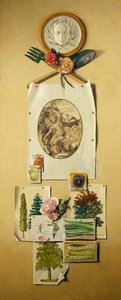
martin battersby
1914 - 1982
基本情報
- Artistic Movement Or Style: Trompe-l'œil, Art Nouveau
- Artists Who Influenced This Artist:
- Rex Whistler
- Christian Bérard
- Pavel Tchelitchew
- Date Of Birth: February 12, 1914
- Date Of Death: April 3, 1982
- Full Name: George Martin Battersby
- Nationality: British
- Notable Artworks:
- Trompe l'oeil (Architecture)
- Trompe l'oeil (Urn)
- Trompe l'oeil (Drummer Boy)
- Place Of Birth: London, England