

 プリントを購入
 シェアする
シェアする シェアする
シェアする
 詳細を見る
詳細を見る

 ダウンロード
 似ている作品
 スライドショー
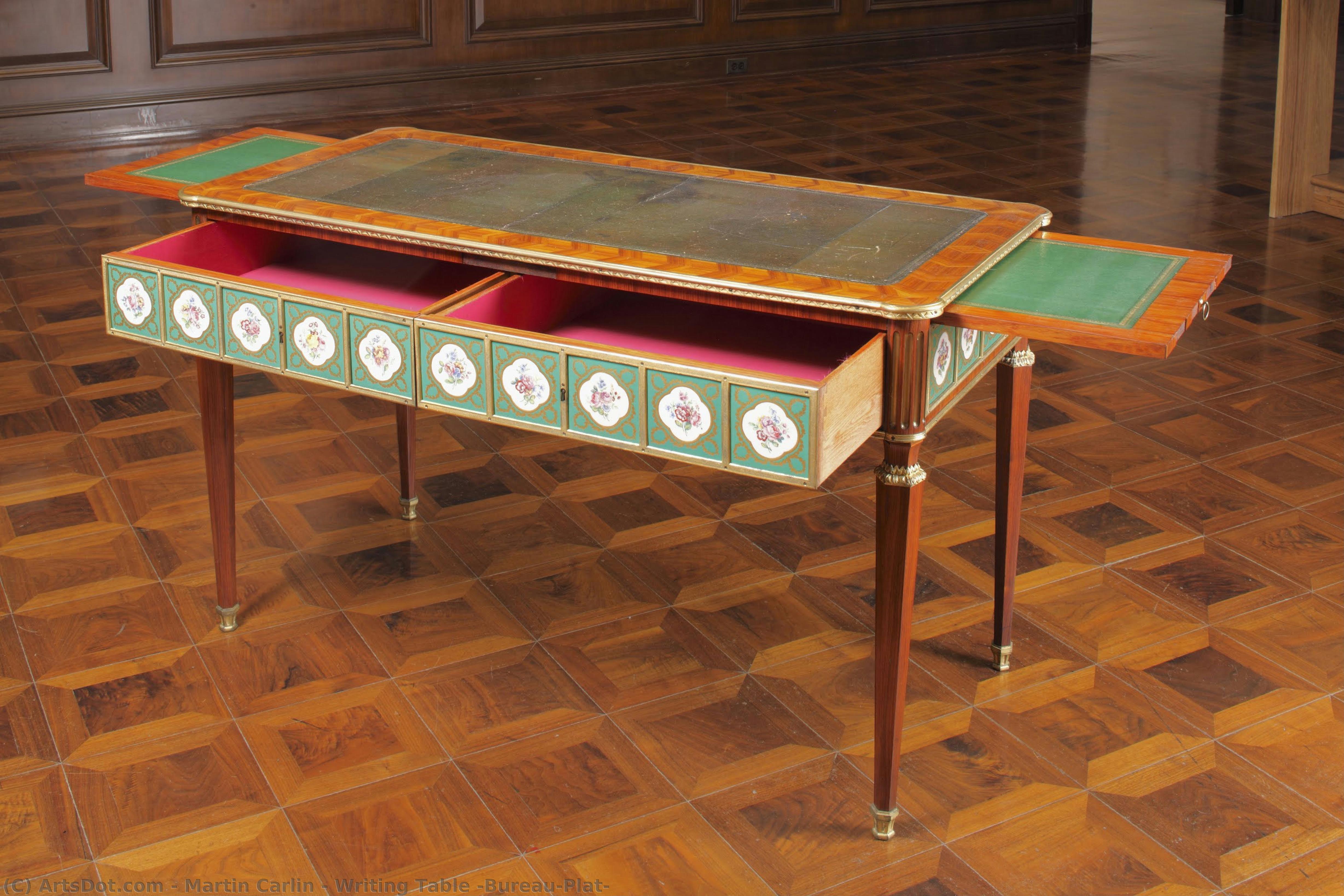
Writing Table (Bureau-Plat)


 詳細を見る
詳細を見る
オンラインプレビューをはるかに凌ぐ、高解像度で鮮明なデジタル画像をご購入いただけます。
各ファイルは、社内の専門家が高度なツールと熟練した手作業によるレタッチを用いて、細心の注意を払って準備されています。すべての画像において、卓越した鮮明度、正確な色彩再現性、そして繊細なディテールを保証いたします。
最終ファイルは、プロフェッショナルな編集・印刷環境ですぐにご利用いただけるよう最適化された状態で、72時間以内にメールにてお届けいたします。これは、一流のデザインスタジオ、出版社、ギャラリーから信頼されているものと同等の品質です。
デジタル画像のご注文に付随する特典
高品質なデジタル画像配信を、確かな品質で。
ArtsDot.com を選ぶことは、単に画像を手に入れることではありません。それは、プロの手によって精密に仕上げられ、満足保証が付いた高品質なデジタルアートワークを受け取ることを意味します。ご注文いただいた際に自動的に付随する内容は、以下の通りです:

メールですぐにお届け
ご注文から72時間以内に、高解像度のデジタル画像ファイルがメールでお手元に届きます。すぐにそのままご利用いただけます。

AI技術で最適化されたデジタルファイル
お客様の作品は、高度なAIツールと専門家による手作業の編集を組み合わせてプロフェッショナルに最適化されており、細部のディテール、鮮明さ、そして正確な色再現性を最大限に引き出しています。

一生涯無料の再送サービス
ファイルを誤って削除したり、紛失してしまったりしましたか?ご安心ください。いつでも無料で再送いたします。

輸入手数料は一切かかりません
関税や手数料、配送料を気にすることなく、お気に入りのアートワークをすぐにお楽しみいただけます。デジタルダウンロードは常に免税です。

色彩再現の保証
プロ仕様のツールとカラーマネジメント技術を用いることで、デジタル画像が元の色を最大限に忠実に再現することを保証いたします。

100日間満足保証
ご購入いただいたデジタル画像にご満足いただけない場合は、100日以内であれば、理由を問わず修正または100%の返金対応をさせていただきます。

100% 返金保証
ご満足いただけない場合は、デジタルファイルを受け取ってから100日以内であれば、理由を問わず全額返金いたします。

まとめ買い割引
3枚購入で10%OFF - 5枚購入で15%OFF - 10枚以上購入で20%OFF。クリエイティブなプロジェクト、ギャラリー、エージェンシーに最適です。
The Elegance of Precision: A Masterpiece of Louis XVI Craftsmanship
In the grand tapestry of eighteenth-century French decorative arts, few objects capture the harmonious intersection of utility and opulence quite like Martin Carlin’s Writing Table (Bureau-Plat). This exquisite piece is not merely a functional desk but a profound statement of the Louis XVI aesthetic, where the exuberant curves of the Rococo era began to yield to a more disciplined, symmetrical grace. As an ébéniste, Carlin brought a unique German precision to the heart of Paris, blending technical mastery with an unparalleled eye for luxury. The table stands as a testament to an era that valued the delicate balance between structural integrity and ornamental splendor, making it a timeless inspiration for those who appreciate the quiet dignity of classical design.
The visual allure of this bureau-plat lies in its sophisticated use of texture and light. The surface is a breathtaking mosaic, featuring twenty-eight meticulously inlaid Sèvres porcelain plaques. Each plaque serves as a miniature canvas, painted with vibrant, lifelike bouquets of flowers that breathe life into the dark, exotic wood veneers. This technique creates a rhythmic interplay between the organic softness of the floral motifs and the rigid, geometric precision of the tapered hexagonal legs. The inclusion of gilt bronze mounts adds a layer of luminous warmth, catching the light to highlight the table's architectural silhouette. For the discerning collector or interior designer, this piece offers a masterclass in how contrasting materials—porcelain, precious woods, and gilded metal—can coalesce into a singular, cohesive vision of luxury.
Beyond its physical beauty, the writing table embodies the intellectual spirit of the Enlightenment. The transition toward symmetry and elegant simplicity reflected a broader cultural shift toward order and reason. Every element, from the carefully arranged drawers to the balanced proportions of the frame, suggests a world where even the most intimate domestic objects were designed to reflect cosmic harmony. To possess a reproduction of such a work is to invite a sense of historical continuity and refined calm into a contemporary space. It serves as an emotional anchor, evoking the sophisticated atmosphere of a Parisian salon and providing a focal point that commands respect through its understated grandeur and meticulous detail.
関連作品
作家の略歴
Martin Carlin: Master of Porcelain and Mechanical Detail
Born in Freiburg im Breisgau, Germany, around 1730, Martin Carlin’s life was a fascinating confluence of craftsmanship, luxury, and the burgeoning aesthetic sensibilities of 18th-century Europe. While his origins lie in the Black Forest region, it was Paris that would become his stage and where he ultimately cemented his reputation as one of the most innovative “ébénistes” – cabinetmakers – of his era. Carlin’s story is not simply one of a skilled artisan; it's a reflection of the opulent tastes of the French aristocracy and the intricate mechanisms that defined the era’s fascination with both beauty and ingenuity.
Early Years and Apprenticeship
Carlin’s early career began as a day-worker for Jean-François Oeben, a renowned cabinetmaker whose workshop was a hotbed of experimentation and innovation. This apprenticeship proved invaluable, exposing him to the latest techniques in veneering, carving, and particularly, the integration of precious materials like Sèvres porcelain. His marriage to Oeben’s sister further solidified his connection to this influential circle. However, Carlin's ambition quickly outstripped mere assistance; he sought independence and a chance to establish his own distinct style. The contract details reveal that he was initially “still a day-worker,” highlighting the precariousness of early careers in such competitive fields.
The Rise to Prominence: Porcelain and the Marchands-Mercier
Carlin’s breakthrough came through his association with the “marchands-merciers”— Parisian merchants who acted as intermediaries between artisans and wealthy clients. These dealers, including Simon-Philippe Poirier and Dominique Daguerre, were crucial to Carlin's success. They provided access to the Sèvres porcelain workshops, a vital component of his distinctive style. Without these connections, it would have been exceedingly difficult for Carlin to acquire the elaborate porcelain plaques that adorned his furniture – pieces that elevated his work beyond mere cabinetry and into the realm of true luxury. This relationship also exposed him to the tastes of Marie Antoinette and other members of the French elite, solidifying his position within the highest echelons of Parisian society.
A Unique Artistic Style: Combining Realism and Fantasy
Carlin’s genius lay not just in his technical skill but also in his ability to fuse realism with a touch of fantastical invention. His furniture was characterized by incredibly detailed carvings, often depicting scenes from mythology, history, or even everyday life – all rendered with meticulous precision. The integration of Sèvres porcelain, frequently featuring elaborate floral motifs and intricate landscapes, added another layer of visual richness. He wasn’t simply replicating existing designs; he was creating entirely new worlds within the confines of a table, writing desk, or commode. This blend of classical influences and imaginative embellishment reflected the transitional style between Rococo and Neoclassicism, capturing the spirit of an era embracing both grandeur and refinement.
Notable Works and Legacy
Martin Carlin’s most celebrated works include the “Combined Work, Writing And Reading Table,” a stunning example of his technical mastery and artistic vision. His “Bonheur du jour” tables – literally translated as "Happiness of the Day" – are particularly noteworthy for their intricate mechanical features, including rotating elements and hidden compartments. These pieces demonstrate Carlin’s fascination with mechanics and his ability to seamlessly integrate them into decorative objects. Beyond these iconic examples, he produced a range of exquisite cabinets, chests, and jewelry boxes, each showcasing his exceptional skill and attention to detail. While relatively few of his original works survive today, they remain highly prized by collectors worldwide, serving as testaments to the artistry and innovation of this remarkable ébéniste. Carlin’s influence can be seen in subsequent generations of furniture makers, who continued to explore the possibilities of combining craftsmanship with decorative embellishment.
His work reflects a deep understanding of both artistic trends and mechanical principles, making him a truly unique figure in 18th-century European art history.

martin carlin
1730 - 1785 , Germany
プロフィール概要
- Artistic Movement Or Style: Ébéniste, Neoclassical
- Artists Or Movements Influenced By This Artist: ['Sèvres porcelain']
- Artists Who Influenced This Artist: ['Jean-François Oeben']
- Date Of Birth: c. 1730
- Date Of Death: 1785
- Full Name: Martin Carlin
- Nationality: German
- Notable Artworks:
- Combined Work, Writing Table
- Bonheur du jour (Table à gradin)
- Place Of Birth: Freiburg im Breisgau, Germany