

 プレビュー
プレビュー
 プリントを購入
 シェアする
シェアする シェアする
シェアする
 詳細を見る
詳細を見る

 ダウンロード
 似ている作品
 X線調査
X線調査 スライドショー
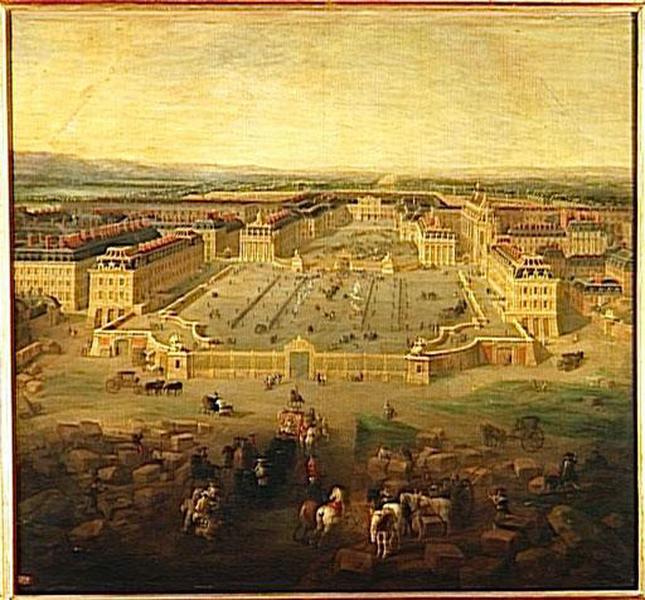
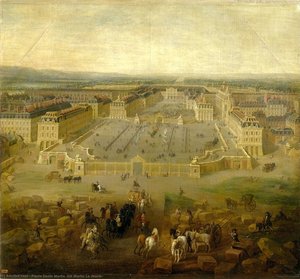
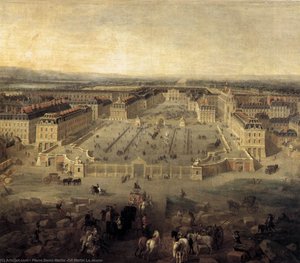
VUE DU CHATEAU DE VERSAILLES DU COTE DE LA PLACE D'ARMES EN 1722
 詳細を見る
詳細を見る
オンラインプレビューをはるかに凌ぐ、高解像度で鮮明なデジタル画像をご購入いただけます。
各ファイルは、社内の専門家が高度なツールと熟練した手作業によるレタッチを用いて、細心の注意を払って準備されています。すべての画像において、卓越した鮮明度、正確な色彩再現性、そして繊細なディテールを保証いたします。
最終ファイルは、プロフェッショナルな編集・印刷環境ですぐにご利用いただけるよう最適化された状態で、72時間以内にメールにてお届けいたします。これは、一流のデザインスタジオ、出版社、ギャラリーから信頼されているものと同等の品質です。
デジタル画像のご注文に付随する特典
高品質なデジタル画像配信を、確かな品質で。
ArtsDot.com を選ぶことは、単に画像を手に入れることではありません。それは、プロの手によって精密に仕上げられ、満足保証が付いた高品質なデジタルアートワークを受け取ることを意味します。ご注文いただいた際に自動的に付随する内容は、以下の通りです:

メールですぐにお届け
ご注文から72時間以内に、高解像度のデジタル画像ファイルがメールでお手元に届きます。すぐにそのままご利用いただけます。

AI技術で最適化されたデジタルファイル
お客様の作品は、高度なAIツールと専門家による手作業の編集を組み合わせてプロフェッショナルに最適化されており、細部のディテール、鮮明さ、そして正確な色再現性を最大限に引き出しています。

一生涯無料の再送サービス
ファイルを誤って削除したり、紛失してしまったりしましたか?ご安心ください。いつでも無料で再送いたします。

輸入手数料は一切かかりません
関税や手数料、配送料を気にすることなく、お気に入りのアートワークをすぐにお楽しみいただけます。デジタルダウンロードは常に免税です。

色彩再現の保証
プロ仕様のツールとカラーマネジメント技術を用いることで、デジタル画像が元の色を最大限に忠実に再現することを保証いたします。

60日間満足保証
ご購入いただいたデジタル画像にご満足いただけない場合は、60日以内であれば、修正または100%の返金(理由を問う必要はありません)をさせていただきます。

100% 返金保証
ご満足いただけない場合は、デジタルファイルを受け取ってから60日以内であれば、理由を問わず全額返金いたします。

まとめ買い割引
3枚購入で10%OFF - 5枚購入で15%OFF - 10枚以上購入で20%OFF。クリエイティブなプロジェクト、ギャラリー、エージェンシーに最適です。
関連作品





作家の略歴
Pierre-Denis Martin (1663–1742): The Shadow Painter of Versailles
The name Pierre-Denis Martin, often referred to as “Martin le Jeune” or “Martin des Gobelins,” might not immediately resonate with the casual art enthusiast. Yet, within the gilded halls of 18th-century France—particularly at the heart of Versailles and Fontainebleau—he was a significant figure, a meticulous craftsman whose skill lay in capturing the fleeting beauty of royal life and courtly grandeur. Martin wasn’t a flamboyant innovator like Watteau or Boucher; instead, he excelled as a diligent recorder, a painter who meticulously translated the visual world onto canvas with an almost photographic precision, earning him the somewhat enigmatic title of “the shadow painter.” His legacy rests not in revolutionary style but in his unparalleled ability to document the opulent rituals and refined aesthetics of the French monarchy.
Born in Paris in 1663, Martin’s early life remains shrouded in a degree of mystery. While he was identified as the nephew and pupil of Jean-Baptiste Martin, and later linked to Adam François van der Meulen through apprenticeship, his precise origins and formative influences are difficult to pinpoint with absolute certainty. What is known is that he began his career at the Gobelins Manufactory, where he honed his skills in producing decorative panels for royal residences – a crucial experience that instilled in him an appreciation for detail, composition, and the technical demands of large-scale painting. This early exposure to the meticulous processes of tapestry production undoubtedly shaped his later work, imbuing it with a sense of order and control.
A Court Painter’s Palette: Subjects and Style
Martin's career truly blossomed during his tenure at Versailles and Fontainebleau under the patronage of Louis XIV. He became a sought-after painter of royal portraits, particularly those depicting members of the extended family – cousins, nieces, and nephews – alongside scenes of courtly life. Unlike the idealized representations favored by some of his contemporaries, Martin’s portraits were remarkably realistic, capturing the subtle nuances of expression and the delicate textures of clothing and hair. He wasn't interested in creating heroic or romanticized images; instead, he presented a carefully observed likeness, often emphasizing the sitter’s age and character.
His most celebrated subjects included scenes of hunting parties at Fontainebleau, elaborate balls and banquets within the palace walls, and intimate gatherings in the royal apartments. These paintings are characterized by their meticulous detail, precise lighting, and a remarkable sense of spatial depth. Martin's compositions were often structured around architectural elements – grand staircases, ornate ceilings, and meticulously rendered furniture – creating a visual framework that emphasized the scale and magnificence of the court. He frequently employed a technique known as “contre-jour,” or light from the side, to create dramatic shadows and highlight key figures within the scene. This approach not only added depth but also conveyed a sense of realism and immediacy.
Influences and Artistic Connections
Martin’s artistic development was undoubtedly influenced by several key figures. His early training at the Gobelins, as well as his apprenticeship with Adam François van der Meulen, exposed him to the principles of classical composition and meticulous draftsmanship. However, he also drew inspiration from the work of contemporary artists such as Jean-Baptiste Greuze, whose realistic portraits and scenes of everyday life resonated with Martin’s own approach. Notably, there is a strong connection between his work and that of Pierre-François Martin-Laval, another painter working at the Gobelins, suggesting a shared artistic lineage and a collaborative spirit.
Furthermore, Martin's meticulous attention to detail and his fascination with light and shadow can be traced back to the influence of Rembrandt van Rijn. Like Rembrandt, Martin was adept at capturing the subtle nuances of human expression and creating a sense of atmosphere through the skillful manipulation of light and dark. It’s important to note that Martin’s style wasn't entirely independent; he frequently worked in collaboration with other artists, particularly within the workshop of Van der Meulen, adapting and refining his techniques based on collective experience.
Legacy and Historical Significance
Despite his considerable skill and prolific output, Martin remains a somewhat obscure figure in the history of French art. His work was often overshadowed by the more flamboyant styles of Watteau and Boucher, and he rarely received individual recognition during his lifetime. However, his meticulous paintings provide invaluable insights into the visual culture of 18th-century France, offering a detailed record of royal life and courtly rituals.
Martin’s legacy lies not in revolutionary innovation but in his unwavering commitment to realism and accuracy. His paintings are a testament to the importance of observation, draftsmanship, and technical skill—qualities that were highly valued by the French monarchy. Today, Martin's works can be found in major museums throughout France, including the Musée du Louvre and the Château de Versailles, where they continue to captivate viewers with their remarkable detail and evocative atmosphere. He stands as a quiet but essential witness to an era of unparalleled splendor and political intrigue, a painter who captured the shadows and light of a bygone world.
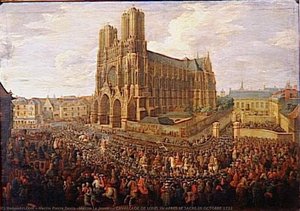
martin pierre denis (martin le jeune)
1663 - 1742
プロフィール概要
- Artistic Movement Or Style: 18th Century Painter
- Artists Who Influenced This Artist: ['Adam François van der Meulen],\n "Artists or movements influenced by this artist": ["Classical French Art"]\n}']
- Date Of Birth: 1663
- Date Of Death: 1742
- Full Name: Pierre-Denis Martin (le jeune)
- Nationality: French
- Notable Artworks:
- Royal portraits
- Versailles scenes
- Fontainebleau views
- Marly Chateau paintings
- Place Of Birth: Paris, France

