

 プレビュー
プレビュー
 プリントを購入
 シェアする
シェアする シェアする
シェアする
 詳細を見る
詳細を見る

 ダウンロード
 似ている作品
 X線調査
X線調査 スライドショー
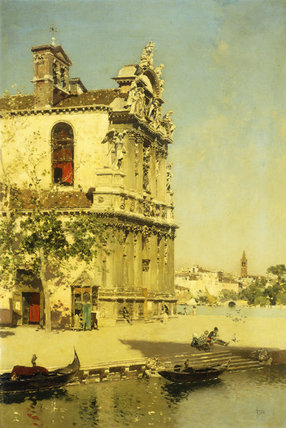
A View Of Venice -
 詳細を見る
詳細を見る
オンラインプレビューをはるかに凌ぐ、高解像度で鮮明なデジタル画像をご購入いただけます。
各ファイルは、社内の専門家が高度なツールと熟練した手作業によるレタッチを用いて、細心の注意を払って準備されています。すべての画像において、卓越した鮮明度、正確な色彩再現性、そして繊細なディテールを保証いたします。
最終ファイルは、プロフェッショナルな編集・印刷環境ですぐにご利用いただけるよう最適化された状態で、72時間以内にメールにてお届けいたします。これは、一流のデザインスタジオ、出版社、ギャラリーから信頼されているものと同等の品質です。
デジタル画像のご注文に付随する特典
高品質なデジタル画像配信を、確かな品質で。
ArtsDot.com を選ぶことは、単に画像を手に入れることではありません。それは、プロの手によって精密に仕上げられ、満足保証が付いた高品質なデジタルアートワークを受け取ることを意味します。ご注文いただいた際に自動的に付随する内容は、以下の通りです:

メールですぐにお届け
ご注文から72時間以内に、高解像度のデジタル画像ファイルがメールでお手元に届きます。すぐにそのままご利用いただけます。

AI技術で最適化されたデジタルファイル
お客様の作品は、高度なAIツールと専門家による手作業の編集を組み合わせてプロフェッショナルに最適化されており、細部のディテール、鮮明さ、そして正確な色再現性を最大限に引き出しています。

一生涯無料の再送サービス
ファイルを誤って削除したり、紛失してしまったりしましたか?ご安心ください。いつでも無料で再送いたします。

輸入手数料は一切かかりません
関税や手数料、配送料を気にすることなく、お気に入りのアートワークをすぐにお楽しみいただけます。デジタルダウンロードは常に免税です。

色彩再現の保証
プロ仕様のツールとカラーマネジメント技術を用いることで、デジタル画像が元の色を最大限に忠実に再現することを保証いたします。

60日間満足保証
ご購入いただいたデジタル画像にご満足いただけない場合は、60日以内であれば、修正または100%の返金(理由を問う必要はありません)をさせていただきます。

100% 返金保証
ご満足いただけない場合は、デジタルファイルを受け取ってから60日以内であれば、理由を問わず全額返金いたします。

まとめ買い割引
3枚購入で10%OFF - 5枚購入で15%OFF - 10枚以上購入で20%OFF。クリエイティブなプロジェクト、ギャラリー、エージェンシーに最適です。
関連作品
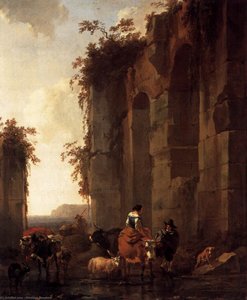
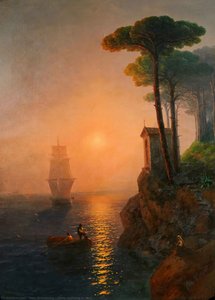
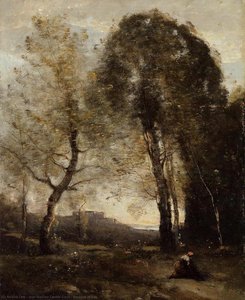
作家の略歴
A Life Painted in Light: The World of Martín Rico y Ortega
Martín Rico y Ortega, born in El Escorial near Madrid in 1833, emerged as a pivotal figure in Spanish painting during a period of significant artistic transition. His life and work beautifully illustrate the shift from the Romantic sensibilities of his early training to the burgeoning Realism that would define much of his mature style. Initially studying at the Real Academia de Bellas Artes de San Fernando under Jenaro Pérez Villaamil, Rico absorbed the tenets of Romantic landscape painting – a focus on dramatic emotion and sublime natural settings. However, this foundation served as a springboard for exploration, leading him towards a more observational and nuanced approach to depicting the world around him. The political climate in Spain during his youth, marked by civil strife and economic uncertainty, perhaps fostered a desire to seek artistic inspiration beyond national borders, setting the stage for his formative years in Paris.From Parisian Salons to Andalusian Luminosity
In 1860, Rico embarked on a journey that would profoundly shape his artistic trajectory: a government-sponsored scholarship to study in Paris. This move placed him at the heart of the European art world and introduced him to the Barbizon School, whose emphasis on *plein air* painting – working directly from nature – resonated deeply with his evolving aesthetic. Artists like Charles-François Daubigny inspired Rico to capture the French and Swiss countryside with a newfound commitment to realism. He exhibited regularly at the prestigious Paris Salon, gaining recognition for his accomplished landscapes. The outbreak of the Franco-Prussian War in 1870 prompted his return to Spain, but this was not a retreat from international influence. Instead, it led to a fruitful collaboration with Marià Fortuny in Granada. This period witnessed a remarkable convergence of artistic styles, as Rico worked closely alongside Fortuny and Ricardo de Madrazo, their paintings often displaying overlapping techniques and a shared pursuit of luminosity and vibrant color. Fortuny’s impact on Rico was particularly significant, encouraging him to embrace a more expressive use of light and atmosphere.Venice: A City Captured in Light and Atmosphere
The year 1873 marked a turning point in Rico's career with his discovery of Venice. This city, with its unique interplay of light, water, and architecture, captivated him like no other place he had previously visited. He traveled to Italy with Fortuny, exploring Rome, Naples, and Florence before arriving at the Venetian lagoon. From that moment forward, with only one exception, Rico dedicated every summer until his death in 1908 to painting *en plein air* in Venice. Often working from a gondola or a window overlooking the canals of Dorsoduro, he meticulously captured the essence of the city’s atmosphere and architectural details. He formed a close friendship with the Peruvian painter Federico del Campo, and they frequently collaborated on depictions of popular Venetian scenes. Rico became part of a community of artists drawn to Venice's unique qualities – including Édouard Manet, Pierre-Auguste Renoir, and Del Campo himself – all seeking to translate its ethereal beauty onto canvas.Legacy and Historical Significance
Martín Rico y Ortega’s artistic legacy lies in his ability to seamlessly blend the traditions of Romanticism with the emerging principles of Realism. He masterfully captured the fleeting effects of light and atmosphere, particularly in his Venetian scenes, demonstrating a remarkable sensitivity to color and detail. His work exemplifies the transition occurring within Spanish painting during the 19th century, bridging the gap between earlier academic styles and the more modern approaches that would follow. Rico’s dedication to *plein air* painting not only influenced his contemporaries but also paved the way for future generations of artists seeking to capture the beauty of the natural world with authenticity and immediacy. He died in Venice at the age of 74, having spent a lifetime devoted to portraying its captivating charm. Today, his paintings are celebrated for their luminous quality, meticulous detail, and enduring appeal, solidifying his place as a significant figure in the history of Spanish art. His works continue to resonate with viewers, offering a glimpse into a world bathed in light and atmosphere. Rico’s contribution extends beyond mere representation; he captured the very soul of Venice, preserving its beauty for generations to come.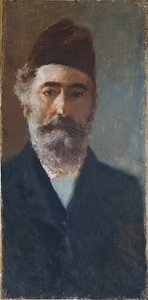
Martín Rico y Ortega
1833 - 1908

