 プレビュー
プレビュー
 シェアする
シェアする シェアする
シェアする
 詳細を見る
詳細を見る

 ダウンロード
 似ている作品
 X線調査
X線調査 スライドショー
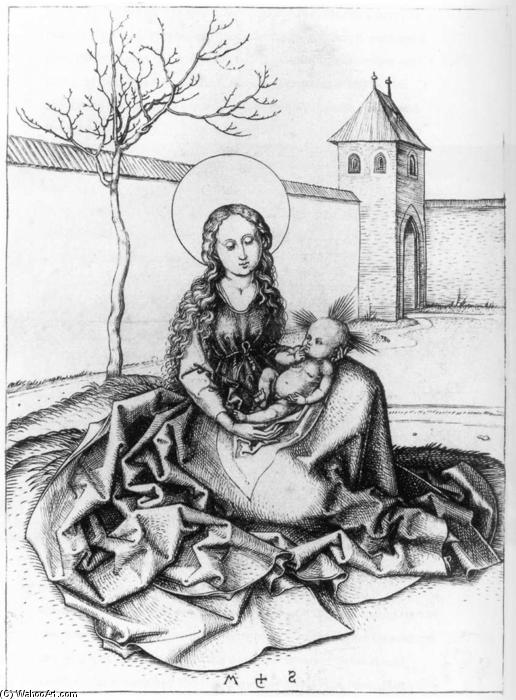
Madonna and Child in the Couryard
 Engraving
- WallArt
- Northern Renaissance
 1480
1480 166.0 x 119.0 cm
 国立博物館群
 詳細を見る
詳細を見る
ジークレー/アートプリント
迅速な制作と多彩な仕上げオプションを備えた、ミュージアムクオリティのジークレーまたはキャンバスプリント。 ( 手描きの絵画を購入 画像を購入)




P118B $10

P118H $10

P118W $10

P438Z $10

P508JH $12

P508YH $12

P805H $10

P805Z $10

P919BZ $10

P919G $10

P919XJ $10

P959ZH $10

P968JZ $12

W106C $8

W218G $10

W218JH $8

W218Y $10

W307PJ $10

W316G $10

W316PJ $8

W316Y $10

W398PJ $8

W4111J $10

W500HY $15

W500JH $15

W692G $12

W849H $8

W940BG $15

W953PJ $8




作品のオリジナル比率に合わせた、当店の規定サイズからお選びください。

特定のフレームやスペースに合わせて、ご自身でサイズを指定することも可能です。選択されたサイズが元の画像の比率と一致しない場合、作品をトリミングするか、鏡面反射または単色での塗りつぶしによって画像を拡張いたします。制作を開始する前に、ご確認用のデジタルモックアップをお送りいたします。
画面上のプレビューには、実際のトリミングや拡張は反映されませんのでご注意ください。最終的な構図を正確に確認できるのは、モックアップのみとなります。
カスタムサイズも承っておりますが、元の比率を維持するためには、あらかじめ用意されたリストからサイズを選択することをお勧めいたします。


 ガラスオプションは、110cm未満のサイズでのみご利用いただけます。

Madonna and Child in the Couryard
ジークレー/アートプリント
複製画のサイズ
-


合計金額
$ 62
A Serene Vision of Faith: Exploring Martin Schongauer's "Madonna and Child in the Courtyard"
Martin Schongauer’s “Madonna and Child in the Courtyard,” a masterpiece crafted around 1480, offers a profound glimpse into the heart of Northern Renaissance art. More than simply a depiction of religious iconography, it’s a meticulously constructed tableau brimming with symbolic weight and technical brilliance—a testament to Schongauer's pioneering role as one of the first artists to truly master engraving. The image, rendered in stark monochrome, immediately draws the viewer into a quiet, contemplative space, inviting us to ponder the intimate connection between the Virgin Mary and her infant son within the protective embrace of their secluded sanctuary.
The composition itself is deceptively simple yet profoundly effective. Schongauer skillfully employs an off-center placement for the Madonna, creating a subtle dynamism that prevents the scene from feeling static. The low wall or courtyard fence acts as a grounding element, anchoring the figures while simultaneously suggesting a sense of enclosure and domesticity—a deliberate contrast to the grander, more public settings often associated with religious art. The distant building, topped with a steeple, provides a subtle backdrop, hinting at a wider world beyond this intimate haven, yet never threatening to overwhelm the central focus.
Technical Mastery: The Language of Line and Shadow
Schongauer’s genius lies not in color—which is absent here—but in his masterful manipulation of line. The entire image is built upon a dense network of meticulously etched lines, each carefully considered to convey texture, form, and depth. Hatching, cross-hatching, and stippling are deployed with astonishing precision, creating an illusion of shading and volume that rivals oil paint. The varying density of the lines simulates the roughness of stone walls, the folds of drapery, and even the soft glow of light on skin—a remarkable feat achieved entirely through line alone.
The engraving process itself is a testament to Schongauer’s skill. He worked on a copperplate, meticulously cutting away areas to reveal the white paper beneath, creating a subtractive technique that demanded incredible control and patience. The subtle gradations of tone achieved through this method are particularly striking, lending a remarkable sense of realism and atmosphere to the scene. Notice how the lines converge to create the illusion of depth, with the background building appearing slightly blurred and less detailed than the figures in the foreground—a classic technique for conveying atmospheric perspective.
Symbolism and Spiritual Resonance
Beyond its technical brilliance, “Madonna and Child” is rich in symbolic meaning. The halo above Mary’s head immediately signifies her sanctity and divine grace. The courtyard setting itself evokes a sense of protection and intimacy—a private space where the sacred encounter unfolds away from the demands of the outside world. This reinforces the image's focus on the profound, personal relationship between mother and child, representing not just religious devotion but also themes of love, nurture, and faith.
The bare tree branch extending from the upper left corner adds a touch of naturalism and perhaps even a subtle suggestion of mortality—a reminder that even in this serene sanctuary, life and death are intertwined. Schongauer’s deliberate restraint – the absence of vibrant color, the focus on line – amplifies the image's spiritual power, inviting viewers to contemplate the profound mysteries of faith and family.
A Legacy of Innovation
Martin Schongauer’s “Madonna and Child in the Courtyard” stands as a pivotal work in the history of printmaking. His innovative use of line and shading paved the way for future generations of engravers, including Michelangelo, who admired his meticulous detail and expressive power. This engraving exemplifies the Northern Renaissance's commitment to realism and emotional depth, solidifying Schongauer’s place as a true pioneer—a master whose legacy continues to inspire artists today. Reproductions of this iconic image offer a beautiful opportunity to experience firsthand the artistry and spiritual resonance of one of the 15th century’s most enduring treasures.
関連作品

アーティストの略歴
マルティン・ショーンガウアー:生涯と遺産
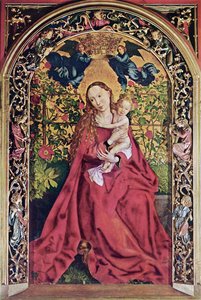
マルティン・ショーンガウアーは、1450年頃にアルザス地方のコルマール(現在のフランス)で生まれました。彼は北方ルネサンス期の版画発展において重要な役割を果たしました。彼の父、カスパル・ショーンガウアーは、1440年頃にドイツのアウクスブルクからコルマールに移り住んだ金細工師でした。この家系の背景が、マルティンの初期の芸術的訓練に大きく影響を与えました。なぜなら、金細工は精密なディテールと金属加工技術の確かな基礎を提供し、それらのスキルは直接的に銅版画に応用可能だったからです。
教育と芸術的発展
1465年、ショーンガウアーは短期間ライプツィヒ大学に通いましたが、すぐに学問を捨てて完全に芸術に専念しました。彼は当初、初期ネーデルラント絵画、特にロヒール・ファン・デル・ウェイデンの作品の影響を受けた地元の巨匠カスパル・イゼンマンのもとで画家として訓練を受けました。この初期のネーデルラント写実主義への接触とディテールへの注意は、ショーンガウアー自身のスタイルを特徴づけるものとなりました。
芸術的様式と影響
ショーンガウアーの芸術的様式は、明確で整理されたゴシック美学と、北方ルネサンスの新興の影響が融合したものです。彼は直接的なイタリアの影響を受けませんでしたが、代わりにドイツと初期ネーデルラントの伝統からインスピレーションを得ました。彼の作品は、細心の注意を払ったディテール、表現力豊かな人物描写、そして洗練された構成への深い理解を示しています。
- 主な特徴: 精密な銅版画、写実的な描写、劇的な物語性、ゴシック構造
- 影響: ロヒール・ファン・デル・ウェイデン、カスパル・イゼンマン、ドイツのゴシック伝統
主要な業績と作品
ショーンガウアーは、彼のモノグラムが刻印された116枚の銅版画で最もよく知られています。これらの版画はヨーロッパ全土に広く普及し、版画技術と芸術様式の発展に大きな影響を与えました。彼の版画はしばしば宗教的な場面、肖像画、そして寓意的な主題を描いています。
- 薔薇の茂みの聖母子像 (1473): 繊細なディテールと感情の深さを表現した重要な絵画作品です。
- 銅版画: 『聖アントニウスの誘惑』、『羊飼いの礼拝』など、彼の銅版画技術の習熟度を示す数多くの作品が含まれています。
歴史的意義と遺産
マルティン・ショーンガウアーは、美術界に多大な影響を与えました。彼は国際的に認められた最初期のドイツ人アーティストの一人でした。彼の版画は高く評価され広く模倣され、彼の芸術様式をヨーロッパ中に広めました。ミケランジェロ自身がショーンガウアーの銅版画の一つ、『聖アントニウスの試練』を研究し、コピーしたという記録もあります。これは、後世の巨匠たちがショーンガウアーを高く評価していたことを示しています。
ショーンガウアーの作品は、ゴシック美術とルネサンス美術の橋渡しとなり、アルブレヒト・デューラーのようなアーティストへの道を開きました。彼の革新的な銅版画技術の使用と芸術的ディテールへの献身は、版画史と北ヨーロッパ美術に永続的な遺産を残しました。
死
マルティン・ショーンガウアーは1491年2月2日にブライスハで亡くなりました。彼は、その芸術的価値と歴史的重要性のために、今日でも称賛され続けています。
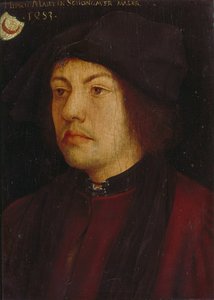
マルティン・ショーンガウエル
1450 - 1491 , ドイツ
基本情報
- Artistic Movement Or Style: ゴシック美術、北方ルネサンス
- Artists Or Movements Influenced By This Artist:
- ミケランジェロ
- アルブレヒト・デューラー
- Artists Who Influenced This Artist:
- ローヒール・ファン・デル・ウェイデン
- カスパー・イゼンマン
- Date Of Birth: 1450年頃
- Date Of Death: 1491年2月2日
- Full Name: マルティン・ショングアウアー
- Nationality: ドイツ人
- Notable Artworks (List Of Titles):
- 薔薇の聖母
- 116点の版画
- Place Of Birth (City And Country): コルマール、フランス
関連記事
Engraving's Golden Age: 10 Masterpieces That Redefined Art | ArtsDot
Journey through art history with our Top 10 Legendary Engravings! Explore masterpieces by Dürer, Rembrandt & Goya. Discover the stories behind these iconic prints and find museum-quality reproductions for your home at ArtsDot.com.
Engraving: A Historical Survey of Technique, Artistic Expression & Enduring Legacy
Explore the rich history of engraving with ArtsDot. Discover techniques, iconic artists like Dürer & Callot, collecting tips, and expert guidance for preserving your art investment. Learn about intaglio printing & more!
The Intricate World of Engraving: A Historical Survey of Technique, Artistic Expression & Enduring Legacy
Explore the rich history of engraving with ArtsDot. Discover techniques, iconic artists like Dürer & Callot, collecting tips, and expert guidance for preserving your art investment. Learn about intaglio printing & more!
Hendrick Goltzius: Master Engraver & the Flourishing of Dutch Mannerism
Explore the life & art of Hendrick Goltzius, a master engraver of Dutch Mannerism. Discover his innovative techniques, iconic engravings like 'Jahel', and lasting influence on Baroque art. Learn about collecting Goltzius today.
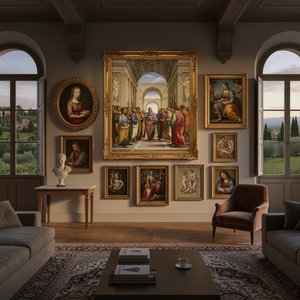
ラファエロ傑作25選:ルネサンス巨匠の物語と芸術の世界 | ArtsDot
ラファエロの傑作25選🎨 ルネサンス巨匠の物語と芸術の世界を紐解きます。美しい絵画複製や壁掛けアートで、お部屋に名画の彩りを。ArtsDot.comで、美術史に残る作品群をご覧ください✨