

 プレビュー
プレビュー
 シェアする
シェアする シェアする
シェアする
 詳細を見る
詳細を見る

 ダウンロード
 似ている作品
 X線調査
X線調査 スライドショー
 Stats
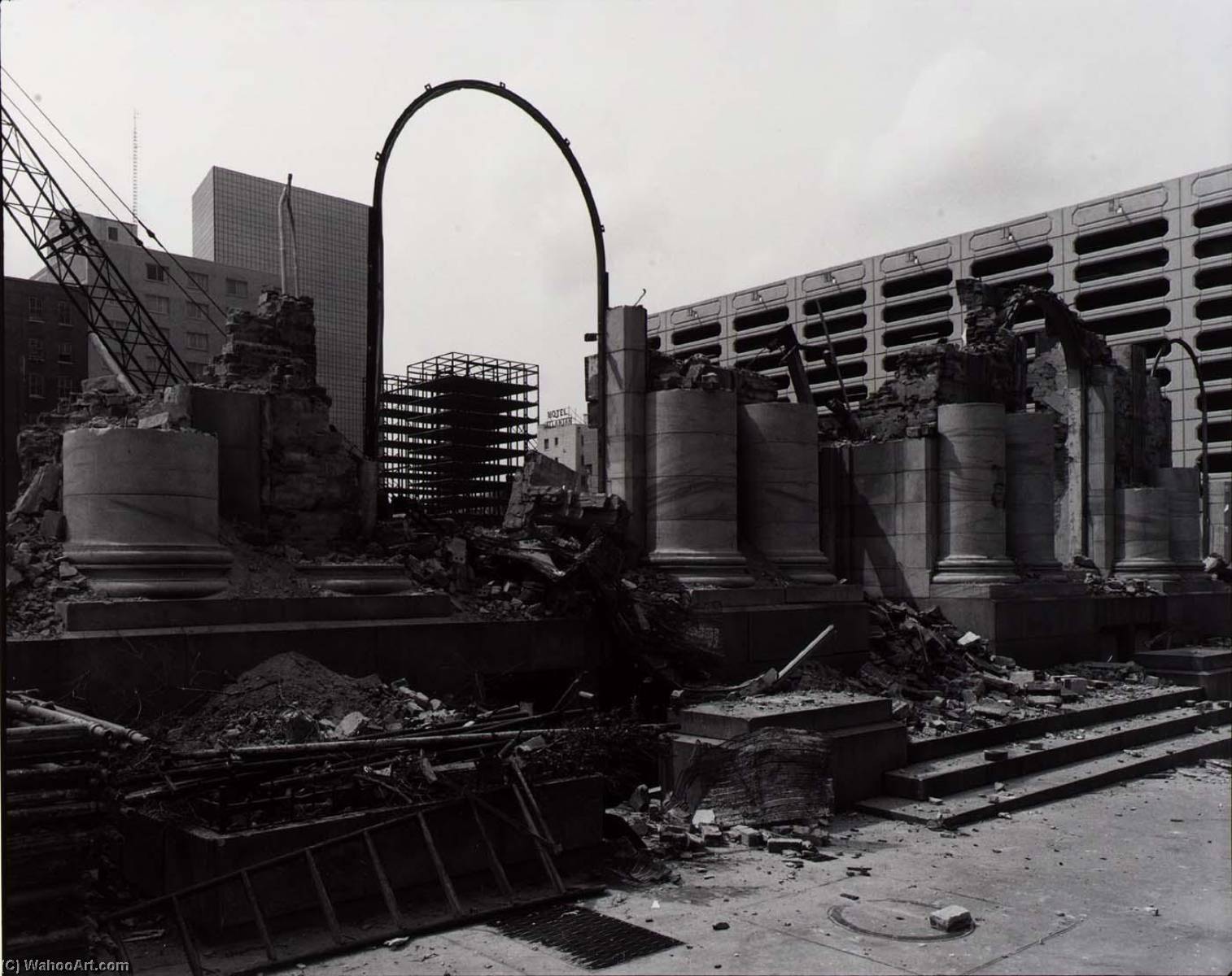
StatsUntitled ( 10), Atlanta Historical Society

 詳細を見る
詳細を見る
ジークレー/アートプリント
迅速な制作と多彩な仕上げオプションを備えた、ミュージアムクオリティのジークレーまたはキャンバスプリント。 ( 手描きの絵画を購入 Switch to Digital Image)




































作品のオリジナル比率に合わせた、当店の規定サイズからお選びください。

特定のフレームやスペースに合わせて、ご自身でサイズを指定することも可能です。選択されたサイズが元の画像の比率と一致しない場合、作品をトリミングするか、鏡面反射または単色での塗りつぶしによって画像を拡張いたします。制作を開始する前に、ご確認用のデジタルモックアップをお送りいたします。
画面上のプレビューには、実際のトリミングや拡張は反映されませんのでご注意ください。最終的な構図を正確に確認できるのは、モックアップのみとなります。
カスタムサイズも承っておりますが、元の比率を維持するためには、あらかじめ用意されたリストからサイズを選択することをお勧めいたします。


 ガラスオプションは、110cm未満のサイズでのみご利用いただけます。

Untitled ( 10), Atlanta Historical Society
ジークレー/アートプリント
複製画のサイズ
-


合計金額
$ 62
関連作品









アーティストの略歴
The Industrial Visionary: The Art of Martin Stupich
Born in Milwaukee, Wisconsin, in 1949, Martin Stupich has carved a singular niche within the realm of American realism. His artistic identity is deeply rooted in a profound fascination with the structural and the monumental, a passion that began long before he ever applied pigment to canvas or shutter to lens. While his early years were shaped by the rugged landscapes and natural textures of Wisconsin and Illinois, these formative experiences provided a foundational appreciation for terrain and light that would later inform his more complex explorations of man-made environments. Stupich does not merely observe a scene; he seeks to capture its very soul, striving to convey a palpable sense of atmosphere that transcends simple visual documentation.
The evolution of Stupich’s visual language is inextricably linked to his mastery of photography. Rather than viewing the camera as a mere tool for reproduction, he embraced it as a primary medium through which to study the intricate nuances of tonal gradation and composition. This photographic discipline instilled in him a precision that would become the hallmark of his later works. By meticulously studying how light interacts with steel, concrete, and shadow, Stupich developed an eye for the dramatic potential found within the mundane. His work often mirrors the deliberate cropping and careful framing of a master photographer, using texture and scale to draw the viewer into the heart of the industrial machine.
Capturing the Gritty Majesty of the American West
Stupich’s true artistic breakthrough emerged during the mid-1970s, as his focus shifted toward the expansive and often overlooked industrial landscapes of the Southwestern United States. Traveling through Arizona and Nevada, he began documenting the raw, unvarnished realities of industry—scenes of cranes, factories, and burgeoning urban skylines that many might have dismissed as purely utilitarian. Through his lens and brush, these sites were transformed into epic vistas of human endeavor. His ability to find beauty in the grit of construction and the towering presence of machinery distinguished him from contemporaries who often sought more idealized or pastoral subjects.
His body of work is characterized by an uncompromising realism that confronts the viewer with the sheer scale of modern engineering. Notable pieces such as his Untitled series, frequently showcased at the Atlanta Historical Society, demonstrate this mastery. In these works, one can witness:
- The interplay of light and shadow in urban construction sites, where stark black and white tones emphasize the skeletal beauty of new architecture.
- A documentary-style honesty that captures the fleeting moments of industrial activity, from the movement of transport to the heavy presence of cranes.
- An intimate connection to place, where the textures of weathered metal and concrete evoke a profound understanding of the American industrial spirit.
Legacy and Historical Significance
The historical significance of Martin Stupich lies in his ability to elevate the industrial landscape to the status of fine art. By applying the meticulous techniques of realism to subjects like urban tunnels, transport systems, and factory silhouettes, he has provided a vital visual record of an era of significant American expansion and engineering prowess. His work serves as both a historical document and an emotional exploration of the human condition's impact on the earth.
Ultimately, Stupich’s contribution to American art is found in his refusal to look away from the "unpretty" aspects of progress. He finds a rhythmic, almost poetic quality in the geometry of a skyscraper and a haunting grace in the shadows of an industrial yard. Through his dedication to capturing the essence of place, Martin Stupich remains a vital voice in the tradition of American realism, reminding us that there is profound beauty to be found in the very structures we build to shape our world.
martin stupich
1949 -
基本情報
- Artistic Movement Or Style: Realism
- Artists Or Movements Influenced By This Artist: ['']
- Artists Who Influenced This Artist: ['']
- Date Of Birth: 1949
- Full Name: Martin Stupich
- Nationality: American
- Notable Artworks:
- Untitled ( 44)
- Untitled ( 20)
- Untitled ( 37)
- Place Of Birth: Milwaukee, WI