

 プレビュー
プレビュー
 プリントを購入
 シェアする
シェアする シェアする
シェアする
 詳細を見る
詳細を見る

 ダウンロード
 似ている作品
 X線調査
X線調査 スライドショー
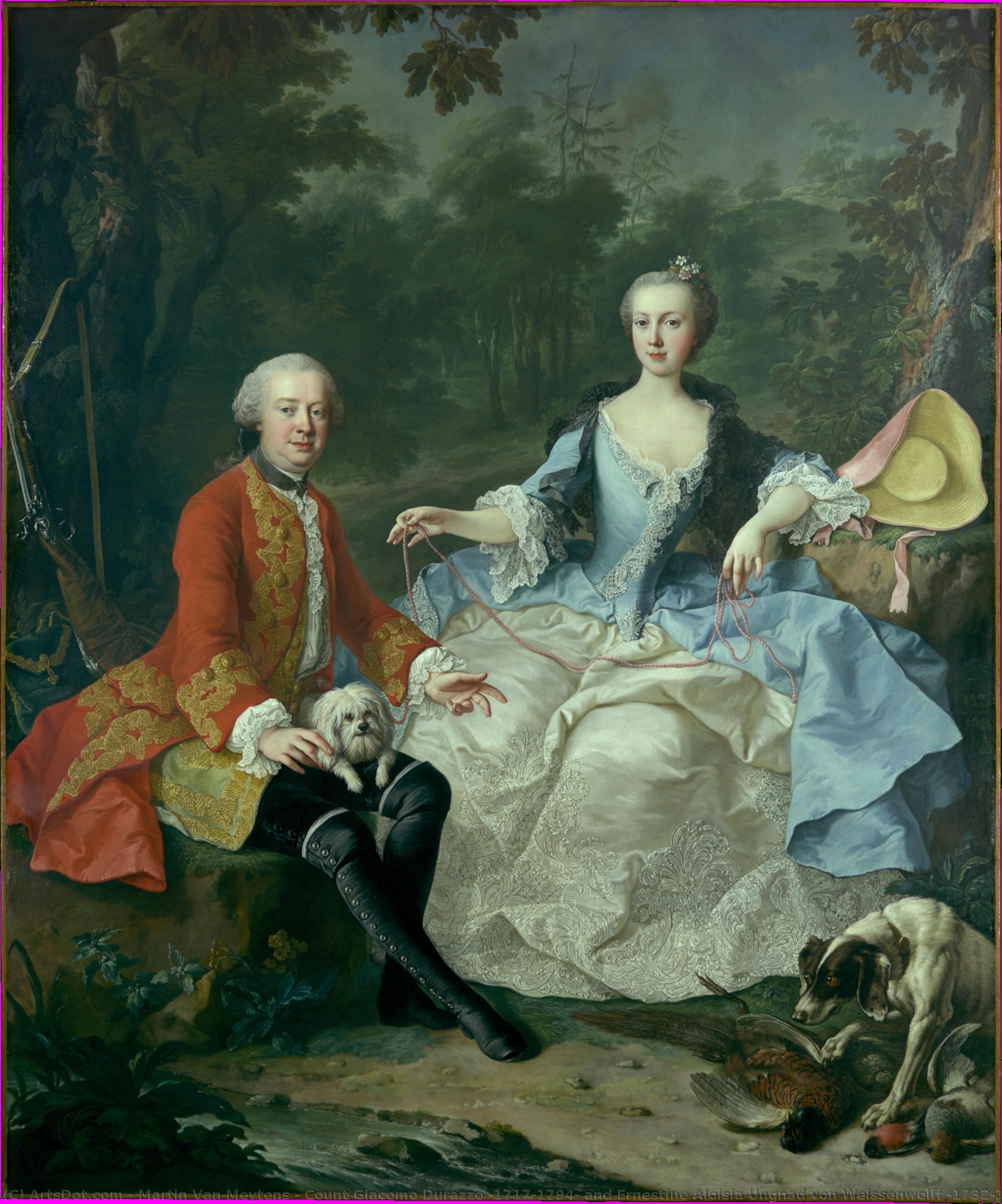
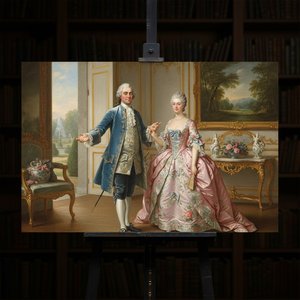
Count Giacomo Durazzo (1717–1794) and Ernestine Aloisia Ungnad von Weissenwolff (1732–1794)
 Oil On Canvas
- WallArt
- Baroque Rococo
 1760
1760 229.0 x 191.0 cm
 メトロポリタン美術館
 詳細を見る
詳細を見る




P118B $10

P118H $10

P118W $10

P438Z $10

P508JH $12

P508YH $12

P805H $10

P805Z $10

P919BZ $10

P919G $10

P919XJ $10

P959ZH $10

P968JZ $12

W106C $8

W218G $10

W218JH $8

W218Y $10

W307PJ $10

W316G $10

W316PJ $8

W316Y $10

W398PJ $8

W4111J $10

W500HY $15

W500JH $15

W692G $12

W849H $8

W940BG $15

W953PJ $8




作品のオリジナル比率に合わせた、当店の規定サイズからお選びください。

特定のフレームやスペースに合わせて、ご希望のサイズをご入力いただけます。選択されたサイズが元の画像の比率と異なる場合、アートワークをトリミングするか、手描きで要素を追加して絵画を拡張いたします。デジタルモックアップ を制作し、制作開始前にご確認(承認)をいただきます。
画面上のプレビューは、実際のトリミングや拡張を正確に反映しているものではありません。最終的な構図は、モックアップによってのみ正確にご確認いただけます。
カスタムサイズもご利用いただけますが、元の比率を維持するためには、あらかじめ用意されたリストからサイズを選択することをお勧めいたします。
ご注文後、ArtsDot.com チームより詳細な指示をお送りするとともに、仕上がりイメージ(モックアップ)をご提供いたします。


 ガラスオプションは、110cm未満のサイズでのみご利用いただけます。

Count Giacomo Durazzo (1717–1794) and Ernestine Aloisia Ungnad von Weissenwolff (1732–1794)
複製技法
複製画のサイズ
-


合計金額
$ 263
Count Giacomo Durazzo (1717–1794) and Ernestine Aloisia Ungnad von Weissenwolff (1732–1794): A Portrait of Viennese Aristocracy
Martin van Meytens’s captivating portrait, “Count Giacomo Durazzo and Ernestine Aloisia Ungnad von Weissenwolff,” offers a rare glimpse into the opulent world of 18th-century Vienna. Completed around 1760, this double portrait transcends mere likeness; it's a meticulously constructed tableau vivant, brimming with symbolic detail and reflecting the social dynamics of the Habsburg court. The scene unfolds on a richly appointed bench, bathed in soft light that emphasizes the subjects’ elegant attire and the luxurious textures surrounding them. The painting isn’t simply a record of two individuals; it’s an embodiment of status, wealth, and the carefully orchestrated performance of aristocratic life.
Subject and Composition: A Stage for Social Display
At the heart of the composition are Count Giacomo Durazzo, a Genoese diplomat deeply embedded in Viennese society, and his wife, Ernestine Aloisia Ungnad von Weissenwolff. They sit side-by-side, their hands gently clasped – a gesture that speaks volumes about marital harmony and social standing within the intricate web of courtly relationships. Notably, they are not posed in a traditional formal manner. Instead, they appear relaxed, almost engaged in conversation, suggesting an intimacy rarely depicted in portraits of this era. The inclusion of three dogs—a lively spaniel near the left side, a stately hound on the right, and a more distant terrier—adds to the scene’s charm and reinforces the image of a comfortable, well-managed estate. An apple resting at the bottom right corner is a subtle yet significant detail; it alludes to the biblical story of Adam and Eve, hinting at themes of temptation, knowledge, and perhaps even the fleeting nature of earthly pleasures – concepts relevant to the aristocratic lifestyle.
Van Meytens’s Technique: Baroque Detail and Illusionistic Depth
Martin van Meytens, a pivotal figure in Austrian Baroque art, masterfully employs techniques characteristic of his era. The painting is executed in oil on canvas, utilizing a rich palette dominated by deep reds, blues, and golds – colors associated with wealth and power. Van Meytens’s attention to detail is remarkable; the fabrics are rendered with exquisite realism, showcasing intricate embroidery, shimmering silks, and the subtle sheen of velvet. He skillfully uses *chiaroscuro*—the dramatic contrast between light and shadow—to sculpt the figures' forms and create a sense of three-dimensionality. The background, though relatively simple, is meticulously painted to suggest an expansive estate, with hints of foliage and architectural elements that contribute to the overall illusionistic depth. The artist’s use of *sfumato*, a technique involving subtle gradations of tone, softens edges and creates a hazy atmosphere, further enhancing the painting's sense of realism.
Historical Context: Diplomacy, Opera Reform, and Habsburg Grandeur
The portrait’s creation coincides with a pivotal moment in Viennese history. Count Giacomo Durazzo was serving as director of the imperial theaters from 1754 to 1764, playing a crucial role in promoting Gluck's innovative reforms within Italian opera. This period marked a significant shift away from the elaborate, declamatory style of Handel and towards a more melodic and dramatic approach. Durazzo’s position at court also reflects the broader cultural landscape of the Habsburg empire – a center of artistic patronage and political intrigue. The portrait itself is a testament to the importance of diplomacy and social connections within this complex environment. It's a visual record of a man deeply involved in shaping Viennese culture, alongside his wife, representing the stability and refinement expected of an aristocratic couple.
A hand-painted reproduction by ArtsDot.com captures the essence of this remarkable artwork, allowing you to experience its beauty and historical significance firsthand. The meticulous detail and vibrant colors faithfully recreate Van Meytens’s masterful technique, bringing Count Durazzo and Ernestine Aloisia Ungnad von Weissenwolff to life in your own space.
関連作品


アーティストの略歴
ハプスブルクの栄華を刻む遺産:マルティン・ファン・メイテンスの生涯
18世紀、ヨーロッパの宮廷に広がる豪華絢爛な黄金の回廊において、帝国の威厳の本質をマルティン・ファン・メイテンスほど深く捉えた芸術家は他にいないでしょう。1695年にスウェーデンのストックホルムで生まれたメイテンスは、そのアイデンティティ自体がヨーロッパの多様な芸術的潮流によって織りなされた画家でした。才能溢れる父マルティン・メイテンス(父)から受け継いだ芸術への深い理解は、ハーグからスウェーデンの首都へと続く芸術的血統によって育まれたものです。彼の若き日は、卓越した技を追い求める飽くなき探求心に彩られていました。その情熱は彼をロンドン、パリ、そして最終的にウィーンという文化の震源地へと導く変革の旅となりました。この国際的な環境での研鑽が、時代の移り変わる美意識を吸収することを可能にし、繊細で緻密なミニチュール肖像画から、壮大でドラマチックな大型油彩画へと、その技法を鮮やかに進化させたのです。
ウィーンに定住したメイテンスは、単なる宮廷画家という枠を超え、ハプスブルク帝国の視覚的な記録者となりました。彼がオーストリアの首都に降り立った時期は、政治的・文化的に極めて重要な時代と重なり、その類まれな才能は、ヨーロッパで最も権力を持つ人物たちの要求に応えるべく、瞬く間に高まっていきました。1730年までには油彩画の技術が成熟の域に達し、親密なスケールのミニチュールから、王族の圧倒的な存在感を捉える記念碑的な作品へと昇華させました。その地位は揺るぎないものとなり、ついにはウィーン美術アカデミーの学長を務めるまでになりました。これは、芸術界における彼の多大な影響力と権威を物語っています。フランツ・クサヴァー・メッサーシュミットのような人物を門下生として育てたことも、彼がオーストリア・バロック運動の礎であったことを裏付けています。
技法、光、そして存在感の芸術
メイテンスの作品の輝きは、宮廷のプロパガンダとしての厳格な要件と、深く人間的な情緒を調和させる能力にあります。描かれた主題はしばしば国家権力の象徴でしたが、メイテンスは単なる外見の模写を超え、そこに心理的な深みを与えようと試みました。彼はキアロスクーロ(明暗法)の達人であり、光と影の劇的な相互作用を用いることで、三次元的な立体感と感情的な重みを生み出しました。この技法によって、絹やレース、アーミン(オコジョの毛皮)の複雑な質感が鮮やかに照らし出され、ハプスブルグ宮廷の贅沢さが、観る者の手で触れられるかのように生々しく伝わってくるのです。
彼の構図は決して単純なものではありませんでした。それはパトロンの地位を反映するために、緻密に構成された舞台装置そのものでした。細部への徹底したこだわりを通じて、重厚なドレープから華麗な建築的背景に至るまで、精巧な装飾要素が統合され、当時の贅沢な美意識を鏡のように映し出していました。この様式的なアプローチにより、すべての肖像画は単なる顔の記録ではなく、バロックの壮麗さに浸る没入体験となったのです。宮廷の外的な煌びやかさと、個人の内面的な尊厳の両方を捉える彼の能力は、技術的な最高到達点として今なお語り継がれています。
歴史的意義と不朽の名作
マルティン・ファン・メイテンスの歴史的重要性を過小評価することはできません。彼のキャンバスは、バロックの黄昏からロココの黎明期へと向かう時代の、極めて重要な窓としての役割を果たしています。マリア・テレジアや皇帝フランツ1世の肖像画は、18世紀半ばの記念碑的な業績であり、ヨーロッパの地図を形作った時代の面影を今に伝えています。彼の筆致を通じて、ハプスブルク家の政治的安定と文化的絶頂期が不滅のものとなり、全盛期の帝国に視覚的な言語を与えたのです。
その影響はオーストリアの国境を遥かに越え、後世の肖像画家たちに様式的な足跡を残しました。彼の芸術的旅路の頂点を示す代表作には、以下のようなものがあります:
- 自己表現の極致: 1745年の自画像は、ロココ様式の優雅さを象徴する息を呑むような傑作であり、緻密なディテールを通じて、自身のアイデンティティと高貴な社会的地位の両方を描き出しています。
- 帝国の記録: 皇帝フランツ1世の肖像画(1750年)は、神聖ローマ皇帝にふさわしい威厳と壮大さを捉える彼の卓越した技量を証明しています。
- 女王の威光: 皇后マリア・テレジアの描写は、王室の図像学と深い人物像を融合させた、18世紀で最も象徴的なイメージの一つとして残っています。
結局のところ、マルティン・ファン・メイテンスは単なる宮廷画家ではありませんでした。彼は「記憶の建築家」だったのです。光と影、そして比類なき細部描写によってハプスブルグ宮廷の刹那的な輝きを捉えることで、失われた世界の壮麗さが、美術史の記録の中に永遠に鮮やかな色彩を放ち続けることを、彼は確かなものにしたのです。
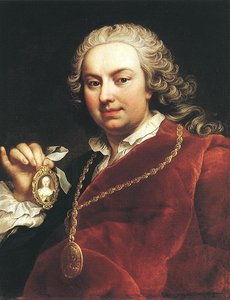
マルティン・ファン・メイテンス
1695 - 1770 , スウェーデン
基本情報
- Artistic Movement Or Style: バロック肖像画
- Artists Or Movements Influenced By This Artist: ['ジョヴァンニ・ガブリエレ・カントーネ']
- Artists Who Influenced This Artist: ['']
- Date Of Birth: スウェーデン、ストックホルム (1695年)
- Date Of Death: 1770年
- Full Name: マルティン・ファン・メイテンス
- Nationality: スウェーデン
- Notable Artworks:
- 自画像
- 皇帝フランツ1世
- 神聖ローマ皇帝フランツ1世の肖像
- Place Of Birth: ストックホルム
関連記事

レンブラント傑作25選:光と影の巨匠、魂を揺さぶる名画の世界 | ArtsDot
レンブラントの傑作25選。光と影の魔術師が描いた魂を揺さぶる名画の世界へ。美術史に残る自画像、夜警、宗教画…ArtsDotで高品質なアートプリントやインテリアアートをお楽しみください。コレクションはこちら→
Early Netherlandish Masters: 10 Paintings That Revolutionized Art & Decor
Journey into the world of Early Netherlandish painting! Explore 10 masterpieces by Jan van Eyck, Rogier van der Weyden & more. Discover stunning detail, symbolism & Renaissance art for your home decor. Find museum-quality reproductions on ArtsDot.com
Sir Anthony van Dyck: Courtly Portraiture & the Shaping of Baroque Identity
Explore the life & legacy of Sir Anthony van Dyck, the leading court painter of his era. Discover his innovative portraiture, Baroque masterpieces, and investment potential for discerning collectors. Learn more at ArtsDot.

バロック美術を極めた至宝:時代を彩る10大名作の世界
バロック美術の華!カラヴァッジョ、ベルニーニら巨匠が創り上げた10大名作を徹底解剖。ドラマチックな色彩と豪華絢爛の世界観に触れ、至宝のアートプリントで空間を彩ろう。ArtsDot.comで美術館品質の複製と洗練されたインテリアを見つけましょう!
Charles-André van Loo: A Study in Rococo Portraiture & the French Court's Artistic Dynamics
Explore the elegant world of Charles-André van Loo, a master of Rococo portraiture at the French court. Discover his life, techniques, and enduring influence on 18th-century art. Hand-painted reproductions available.

