

 プレビュー
プレビュー
 プリントを購入
 シェアする
シェアする シェアする
シェアする
 詳細を見る
詳細を見る

 ダウンロード
 似ている作品
 X線調査
X線調査 スライドショー
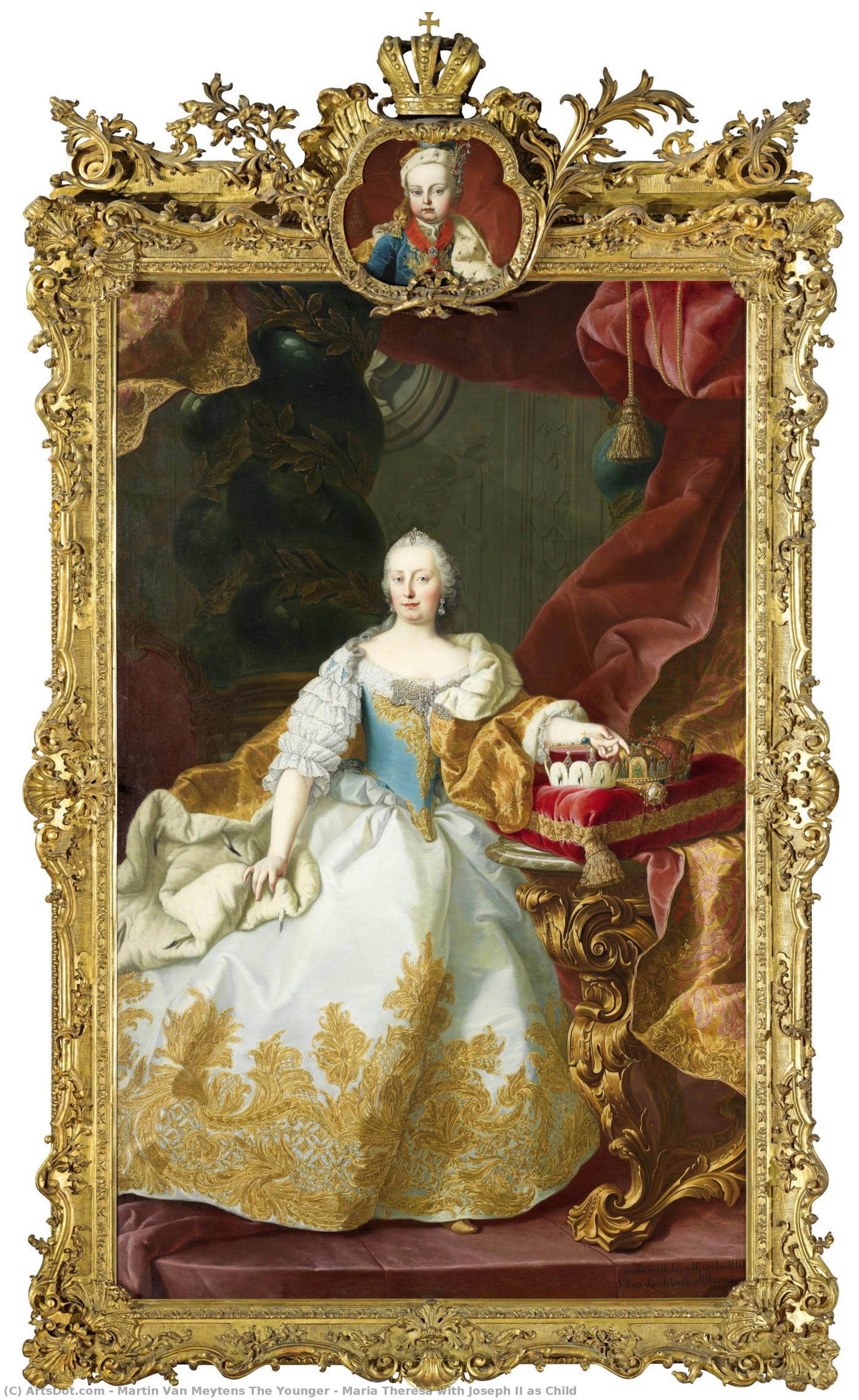
Maria Theresa with Joseph II as Child


 詳細を見る
詳細を見る
オンラインプレビューをはるかに凌ぐ、高解像度で鮮明なデジタル画像をご購入いただけます。
各ファイルは、社内の専門家が高度なツールと熟練した手作業によるレタッチを用いて、細心の注意を払って準備されています。すべての画像において、卓越した鮮明度、正確な色彩再現性、そして繊細なディテールを保証いたします。
最終ファイルは、プロフェッショナルな編集・印刷環境ですぐにご利用いただけるよう最適化された状態で、72時間以内にメールにてお届けいたします。これは、一流のデザインスタジオ、出版社、ギャラリーから信頼されているものと同等の品質です。
デジタル画像のご注文に付随する特典
高品質なデジタル画像配信を、確かな品質で。
ArtsDot.com を選ぶことは、単に画像を手に入れることではありません。それは、プロの手によって精密に仕上げられ、満足保証が付いた高品質なデジタルアートワークを受け取ることを意味します。ご注文いただいた際に自動的に付随する内容は、以下の通りです:

メールですぐにお届け
ご注文から72時間以内に、高解像度のデジタル画像ファイルがメールでお手元に届きます。すぐにそのままご利用いただけます。

AI技術で最適化されたデジタルファイル
お客様の作品は、高度なAIツールと専門家による手作業の編集を組み合わせてプロフェッショナルに最適化されており、細部のディテール、鮮明さ、そして正確な色再現性を最大限に引き出しています。

一生涯無料の再送サービス
ファイルを誤って削除したり、紛失してしまったりしましたか?ご安心ください。いつでも無料で再送いたします。

輸入手数料は一切かかりません
関税や手数料、配送料を気にすることなく、お気に入りのアートワークをすぐにお楽しみいただけます。デジタルダウンロードは常に免税です。

色彩再現の保証
プロ仕様のツールとカラーマネジメント技術を用いることで、デジタル画像が元の色を最大限に忠実に再現することを保証いたします。

60日間満足保証
ご購入いただいたデジタル画像にご満足いただけない場合は、60日以内であれば、修正または100%の返金(理由を問う必要はありません)をさせていただきます。

100% 返金保証
ご満足いただけない場合は、デジタルファイルを受け取ってから60日以内であれば、理由を問わず全額返金いたします。

まとめ買い割引
3枚購入で10%OFF - 5枚購入で15%OFF - 10枚以上購入で20%OFF。クリエイティブなプロジェクト、ギャラリー、エージェンシーに最適です。
A Royal Embrace: The Intimacy of Power
In the grand tapestry of eighteenth-century portraiture, few works capture the delicate intersection of maternal tenderness and imperial duty as profoundly as Martin van Meytens the Younger’s 1744 masterpiece, Maria Theresa with Joseph II as Child. This painting is far more than a mere record of lineage; it is an evocative window into the heart of the Habsburg dynasty. At its center, we find the formidable Empress Maria Theresa, a woman whose reign would redefine European politics, captured in a moment of quiet, maternal grace. Seated regally yet accessible, she cradles the young Joseph II in her lap, creating a focal point of warmth that softens the inherent rigidity of her station. The composition breathes with a sense of continuity, suggesting that the strength of the empire rests not just in crowns and scepters, but in the very bloodline being nurtured within this intimate circle.
The visual language of the piece is steeped in the sophisticated elegance of the Rococo era, filtered through the meticulous precision of a master court painter. Van Meytens employs a rich, luminous palette, most notably seen in the sweeping blue of the Empress's gown, which serves as a cool, majestic anchor to the composition. The subtle interplay of light across the heavy fabrics—the sheen of silk and the weight of velvet—demonlaments a technical virtuosity that brings a tactile reality to the canvas. Every brushstroke contributes to an atmosphere of opulence, from the glint of the golden crowns atop their heads to the soft, delicate skin of the infant, reminding the viewer that this is a scene of profound importance, rendered with the utmost reverence for detail.
Symbolism and the Weight of the Crown
Beyond the surface beauty lies a complex layer of political symbolism designed to communicate stability and divine right. The presence of the crowns is not merely decorative; they are heavy emblems of sovereignty, signaling to all observers that the child in the Empress's arms is the anointed successor to a vast and powerful throne. The background figures—the silent, watchful attendants—act as a bridge between the private domesticity of the mother and child and the public scrutiny of the court. Their presence reinforces the idea that even in moments of repose, the eyes of the empire are upon the royals. This tension between the personal and the political is what gives the painting its enduring emotional resonance.
For the discerning collector or interior designer, this artwork offers a unique opportunity to introduce a sense of historical gravity and timeless sophistication into a space. A high-quality reproduction of this piece does not merely decorate a wall; it anchors a room with a narrative of heritage and resilience. The painting’s balanced composition and regal color story make it an ideal centerpiece for classical or transitional interiors, providing a conversation piece that invites contemplation of history, art, and the enduring human connection between parent and child. To possess such a work is to hold a fragment of the Enlightenment era, bringing the splendor of the Viennese court into the modern home.
関連作品
作家の略歴
Martin van Meytens the Younger: A Life in Portraiture
Early Life and Family Background
- Born: Stockholm, Sweden, 1695.
- Family Legacy: Martin van Meytens the Younger followed in his father’s footsteps. His father, Martin van Meytens the Elder, was a painter who had moved from The Hague to Sweden around 1677.
- Early training likely occurred within his family workshop, instilling a foundation in artistic techniques.
Artistic Development and Influences
- Formative Travels: Van Meytens embarked on extensive study trips to London, Paris, and Italy (Rome & Turin) early in his career. These travels exposed him to diverse artistic styles.
- Early Works: Initially focused on enamel miniature portraits before transitioning to oil painting around 1730.
- Key Influences: While specific influences are debated, his exposure to Italian Baroque masters likely shaped his approach to portraiture. His father’s style also played a role in his early development.
Career as a Court Painter in Vienna
- Arrival in Vienna: Van Meytens settled in Vienna in 1715, establishing himself within the artistic community.
- Appointment to the Court: He became a court painter in 1732, marking a significant turning point in his career. This position granted him access to the highest echelons of Austrian society.
- Patronage: Maria Theresa of Austria was a major patron, commissioning numerous portraits that showcased her power and status.
- In 1759, he became director of the Viennese Academy of Fine Arts.
Major Works and Artistic Style
- Notable Portraits: His portfolio includes portraits of Marie Antoinette, Maria Theresa of Austria, Francis I, Holy Roman Emperor, and numerous members of the Austrian aristocracy.
- Artistic Characteristics: Van Meytens’ style is characterized by exquisite detail, precision, and a focus on capturing the personality and status of his subjects. His portraits often feature opulent settings and luxurious fabrics.
- Key Works Include:
- Portrait of the Holy Roman Emperor Francis I
- Maria Theresa with Joseph II as Child
- Numerous portraits documenting the Austrian court.
Legacy and Historical Significance
- Impact on Portraiture: Van Meytens’ style influenced other painters, establishing a standard for aristocratic portraiture in the 18th century.
- Documenting an Era: His portraits provide valuable insights into the lives and appearances of European royalty during a pivotal period in history.
- Lasting Influence: His works continue to be admired for their technical skill, artistic merit, and historical significance. They are displayed in museums worldwide, including the Germanisches Nationalmuseum and can be found on platforms like ArtsDot.
- He died in Vienna in 1770, leaving behind a rich legacy of portraiture.
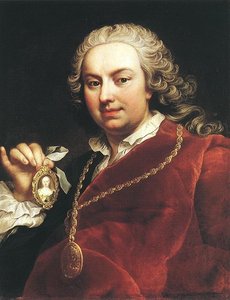
martin van meytens the younger
1695 - 1770 , Sweden
プロフィール概要
- Birth Date: 1695
- Birth Place: Stockholm, Sweden
- Death Date: 1770
- Influenced By: Martin van Meytens the Elder
- Movement: Baroque
- Name: Martin van Meytens the Younger
- Nationality: Swedish-Austrian
- Notable Works:
- Portrait of the Holy Roman Emperor Francis I.
- Portrait of Marie Antoinette
- Maria Theresa with Joseph II as Child

