

 プレビュー
プレビュー
 プリントを購入
 シェアする
シェアする シェアする
シェアする
 詳細を見る
詳細を見る

 ダウンロード
 似ている作品
 X線調査
X線調査 スライドショー
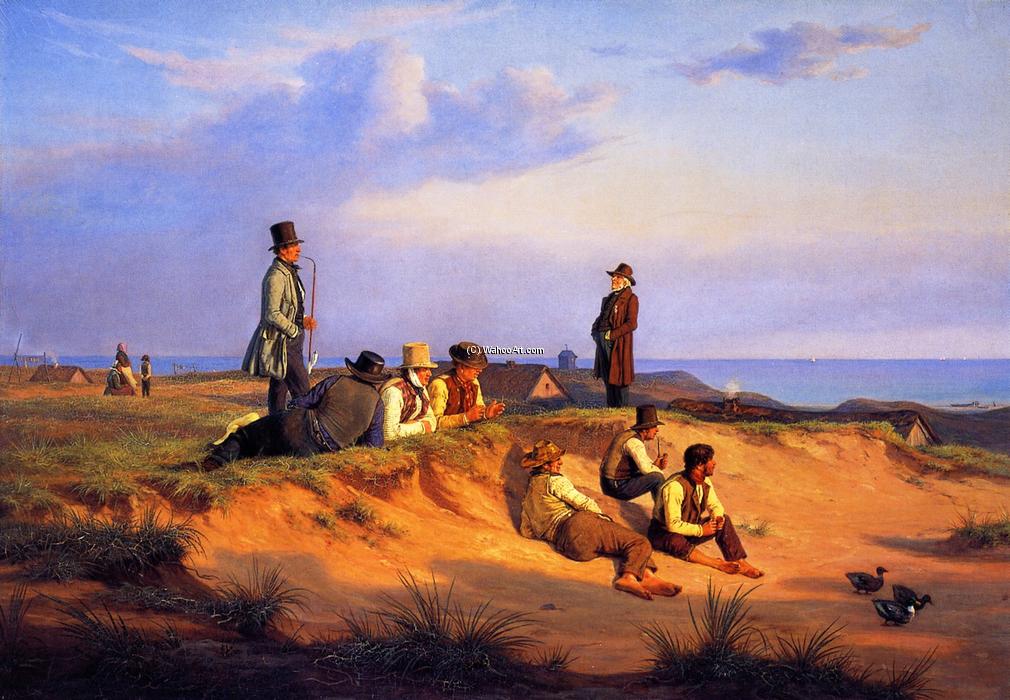
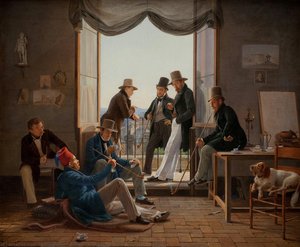
Men of Skagen on a Summer Evening in Good Weather
 Oil On Canvas
- WallArt
- Danish Golden Age
 1848
1848- 19th Century
 87.0 x 124.0 cm
 ステートス・ムージアム・フォー・クンスト
 詳細を見る
詳細を見る
オンラインプレビューをはるかに凌ぐ、高解像度で鮮明なデジタル画像をご購入いただけます。
各ファイルは、社内の専門家が高度なツールと熟練した手作業によるレタッチを用いて、細心の注意を払って準備されています。すべての画像において、卓越した鮮明度、正確な色彩再現性、そして繊細なディテールを保証いたします。
最終ファイルは、プロフェッショナルな編集・印刷環境ですぐにご利用いただけるよう最適化された状態で、72時間以内にメールにてお届けいたします。これは、一流のデザインスタジオ、出版社、ギャラリーから信頼されているものと同等の品質です。
デジタル画像のご注文に付随する特典
高品質なデジタル画像配信を、確かな品質で。
ArtsDot.com を選ぶことは、単に画像を手に入れることではありません。それは、プロの手によって精密に仕上げられ、満足保証が付いた高品質なデジタルアートワークを受け取ることを意味します。ご注文いただいた際に自動的に付随する内容は、以下の通りです:

メールですぐにお届け
ご注文から72時間以内に、高解像度のデジタル画像ファイルがメールでお手元に届きます。すぐにそのままご利用いただけます。

AI技術で最適化されたデジタルファイル
お客様の作品は、高度なAIツールと専門家による手作業の編集を組み合わせてプロフェッショナルに最適化されており、細部のディテール、鮮明さ、そして正確な色再現性を最大限に引き出しています。

一生涯無料の再送サービス
ファイルを誤って削除したり、紛失してしまったりしましたか?ご安心ください。いつでも無料で再送いたします。

輸入手数料は一切かかりません
関税や手数料、配送料を気にすることなく、お気に入りのアートワークをすぐにお楽しみいただけます。デジタルダウンロードは常に免税です。

色彩再現の保証
プロ仕様のツールとカラーマネジメント技術を用いることで、デジタル画像が元の色を最大限に忠実に再現することを保証いたします。

60日間満足保証
ご購入いただいたデジタル画像にご満足いただけない場合は、60日以内であれば、修正または100%の返金(理由を問う必要はありません)をさせていただきます。

100% 返金保証
ご満足いただけない場合は、デジタルファイルを受け取ってから60日以内であれば、理由を問わず全額返金いたします。

まとめ買い割引
3枚購入で10%OFF - 5枚購入で15%OFF - 10枚以上購入で20%OFF。クリエイティブなプロジェクト、ギャラリー、エージェンシーに最適です。
A Moment Frozen in Time: Exploring Martinus Rørbye’s “Men of Skagen”
The painting "Men of Skagen on a Summer Evening in Good Weather" by Martinus Christian Wesseltoft Rørbye isn't merely a depiction of a seaside scene; it’s an embodiment of the Danish Golden Age’s fascination with capturing fleeting beauty and distilling emotion onto canvas. Completed in 1848, this oil-on-canvas masterpiece transcends its visual elements to resonate with a profound sense of tranquility and observation—qualities that define Rørbye's artistic legacy and solidify his place as one of Denmark’s most celebrated landscape painters.The Scene: A Snapshot of Bohemian Skagen
Rørbye’s vision centers on Skagen, a Danish fishing village renowned for its vibrant bohemian spirit during the mid-19th century. The painting portrays several figures engaged in leisurely pursuits—conversation, contemplation, perhaps even simply absorbing the warmth of the evening sun filtering through the hills overlooking the Baltic Sea. Two birds perched prominently on branches contribute to the idyllic atmosphere, symbolizing freedom and connection with nature – motifs prevalent throughout Rørbye’s oeuvre. A sailboat gliding across the water reinforces this impression of serenity and invites viewers into a shared experience of beauty.Technique and Style: Impressionistic Sensitivity
Rørbye's masterful technique exemplifies the burgeoning influence of Impressionism on Danish art. Unlike the meticulous detail favored by earlier generations, he employs loose brushstrokes and subtle color harmonies to convey light and atmosphere with remarkable accuracy. The artist skillfully captures the ephemeral qualities of twilight—the hazy blues and golds that bathe the landscape—creating an illusion of movement and immediacy. This approach distinguishes “Men of Skagen” from more formal academic styles, prioritizing sensory experience over precise representation.Historical Context: Embracing Romantic Idealism
“Men of Skagen” emerged during a period marked by significant intellectual and artistic upheaval. The Danish Golden Age witnessed a surge in interest in landscape painting, fueled by Romantic ideals that championed emotion and individualism. Artists like Rørbye sought to depict the natural world not as an object of scientific inquiry but as a source of spiritual inspiration—a reflection of the broader cultural movement’s yearning for sublime beauty and connection with the divine. The painting stands as testament to this artistic ethos, capturing a moment of harmonious coexistence between humanity and nature.Symbolism Beyond Surface Beauty
Beyond its picturesque depiction of Skagen, “Men of Skagen” carries deeper symbolic significance. The birds represent aspiration and liberation—a desire for transcendence beyond earthly concerns. The sailboat symbolizes navigation through life’s journey, guided by intuition and embracing the unpredictable currents of experience. Rørbye's careful composition invites contemplation on themes of peace, contentment, and the enduring power of observation – ideas that continue to resonate with audiences today.Emotional Impact: A Balm for the Soul
Ultimately, “Men of Skagen” succeeds in evoking a profound emotional response—a feeling of calm repose and appreciation for simple pleasures. The painting’s luminous palette and fluid brushstrokes transport viewers back to a moment of idyllic summer evening, fostering a sense of nostalgia and reminding us of the beauty inherent in everyday life. It's a piece that speaks to our innate desire for connection with nature and encourages us to savor the fleeting moments of joy and tranquility that enrich our existence.関連作品


作家の略歴
A Pioneer of Danish Golden Age Painting: Martinus Rørbye
Martinus Christian Wesseltoft Rørbye, born in Drammen, Norway in 1803, stands as a pivotal figure within the radiant constellation of the Danish Golden Age. Though often overshadowed by contemporaries like Eckersberg and Marstrand, Rørbye’s contribution was uniquely defined by his restless spirit and pioneering travels – a characteristic that set him apart and profoundly shaped his artistic vision. He wasn't merely a painter of scenes; he was a chronicler of encounters, a sensitive observer who translated the nuances of diverse cultures and landscapes onto canvas with remarkable skill. His life story is one of dedication to craft interwoven with an insatiable curiosity about the world beyond Denmark’s borders.Early Training and Artistic Foundations
Rørbye's early inclinations didn’t lean towards academic pursuits, yet his artistic talent was evident enough to warrant enrollment at the Royal Danish Academy of Fine Arts in Copenhagen at the age of seventeen, in 1820. There, he fell under the tutelage of two influential masters: Christian August Lorentzen and, more significantly, Christoffer Wilhelm Eckersberg. Eckersberg’s emphasis on meticulous observation of nature and a commitment to realistic detail deeply resonated with Rørbye, forming the bedrock of his artistic methodology. Simultaneously, Lorentzen's masterful use of color broadened Rørbye’s palette and instilled in him an appreciation for atmospheric effects. He quickly distinguished himself at the Academy, earning the small silver medal in 1824 and the large silver medal four years later. While he repeatedly sought the coveted large gold medal, it remained elusive, a testament to his willingness to experiment and deviate from strictly prescribed academic norms. Even during these formative years, hints of his future wanderlust were present; “View from the Artist’s Window,” painted around 1825, subtly foreshadowed his yearning for exploration through its depiction of a caged bird poised between domestic security and the beckoning expanse of the open sea.Journeys and Expanding Horizons
Rørbye was, without question, the most peripatetic of the Danish Golden Age painters. His travels weren’t mere leisurely excursions; they were integral to his artistic development, providing him with a wealth of inspiration and subject matter. He first ventured into Norway in 1830 and again in 1832, journeys that exposed him to landscapes reminiscent of those favored by Johan Christian Dahl and Caspar David Friedrich – artists whose Romantic sensibilities subtly influenced his work. A particularly memorable encounter during these travels was with the celebrated author Hans Christian Andersen; they journeyed together through Jutland, forging a brief but significant artistic companionship. However, it was Rørbye’s 1834 travel scholarship that truly unlocked his potential for international exploration. This allowed him to traverse the Netherlands and France before arriving in Rome, then the vibrant hub of Danish artists centered around the sculptor Bertel Thorvaldsen. From Italy, he ventured further afield, accompanied by architect Michael Gottlieb Bindesbøll, to Greece and even Constantinople – a daring expedition that placed him among the first Scandinavian artists to document the Ottoman Empire. These travels weren’t simply about recording visual impressions; Rørbye meticulously sketched and noted everything from local customs and costumes to architectural details and sweeping vistas, transforming his experiences into a rich tapestry of artistic inspiration.Legacy and Artistic Significance
Upon returning to Copenhagen in 1837, Rørbye brought with him not only a portfolio brimming with exotic studies but also a heightened sense of artistic confidence. His orientalist paintings, imbued with the vibrant colors and captivating scenes he’d witnessed firsthand, captivated the Danish public. He was unanimously elected to the Academy in 1838 based on his Turkish folk scene derived from sketches made near Smyrna. Rørbye's influence extended beyond his immediate circle of contemporaries. He anticipated the Skagen painters – Michael Ancher, Anna Ancher, and P.S. Krøyer – by almost half a century when he first began painting in Skagen, at the northernmost tip of Jutland. His dedication to capturing realistic details, combined with his sensitivity to light and atmosphere, established him as a master of both genre painting and landscape art. Though he died prematurely in 1848, leaving behind an unfinished body of work, Martinus Rørbye’s legacy endures as a testament to the power of travel, observation, and artistic innovation during Denmark's Golden Age. He remains a vital link between the classical traditions of Danish painting and the burgeoning Romanticism that would define much of 19th-century art.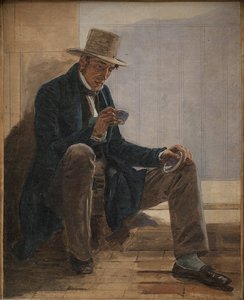
Martinus Christian Wesseltoft Rørbye
1802 - 1848 , Norway
プロフィール概要
- Artistic Movement Or Style: Golden Age painting
- Artists Or Movements Influenced By This Artist: ['Skagen Painters']
- Artists Who Influenced This Artist:
- C.A. Lorentzen
- C.W. Eckersberg
- Date Of Birth: May 17, 1803
- Date Of Death: 1848
- Full Name: Martinus Christian Rørbye
- Nationality: Danish
- Notable Artworks:
- Christ Healing the Blind
- View from Artist's Window
- Place Of Birth: Drammen, Norway

