

 プレビュー
プレビュー
 プリントを購入
 シェアする
シェアする シェアする
シェアする
 詳細を見る
詳細を見る

 ダウンロード
 似ている作品
 X線調査
X線調査 スライドショー
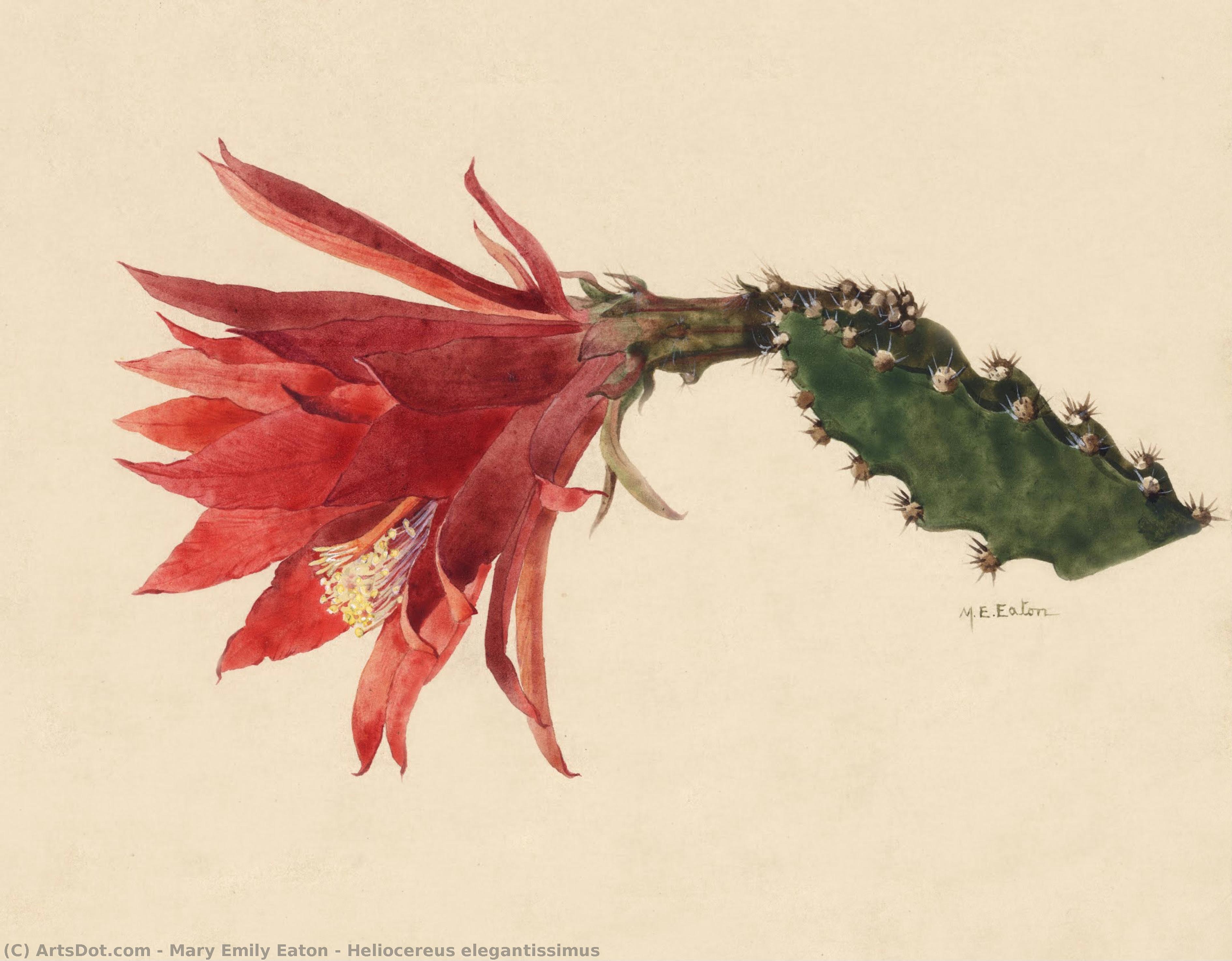
Heliocereus elegantissimus


 詳細を見る
詳細を見る
オンラインプレビューをはるかに凌ぐ、高解像度で鮮明なデジタル画像をご購入いただけます。
各ファイルは、社内の専門家が高度なツールと熟練した手作業によるレタッチを用いて、細心の注意を払って準備されています。すべての画像において、卓越した鮮明度、正確な色彩再現性、そして繊細なディテールを保証いたします。
最終ファイルは、プロフェッショナルな編集・印刷環境ですぐにご利用いただけるよう最適化された状態で、72時間以内にメールにてお届けいたします。これは、一流のデザインスタジオ、出版社、ギャラリーから信頼されているものと同等の品質です。
デジタル画像のご注文に付随する特典
高品質なデジタル画像配信を、確かな品質で。
ArtsDot.com を選ぶことは、単に画像を手に入れることではありません。それは、プロの手によって精密に仕上げられ、満足保証が付いた高品質なデジタルアートワークを受け取ることを意味します。ご注文いただいた際に自動的に付随する内容は、以下の通りです:

メールですぐにお届け
ご注文から72時間以内に、高解像度のデジタル画像ファイルがメールでお手元に届きます。すぐにそのままご利用いただけます。

AI技術で最適化されたデジタルファイル
お客様の作品は、高度なAIツールと専門家による手作業の編集を組み合わせてプロフェッショナルに最適化されており、細部のディテール、鮮明さ、そして正確な色再現性を最大限に引き出しています。

一生涯無料の再送サービス
ファイルを誤って削除したり、紛失してしまったりしましたか?ご安心ください。いつでも無料で再送いたします。

輸入手数料は一切かかりません
関税や手数料、配送料を気にすることなく、お気に入りのアートワークをすぐにお楽しみいただけます。デジタルダウンロードは常に免税です。

色彩再現の保証
プロ仕様のツールとカラーマネジメント技術を用いることで、デジタル画像が元の色を最大限に忠実に再現することを保証いたします。

100日間満足保証
ご購入いただいたデジタル画像にご満足いただけない場合は、100日以内であれば、修正または100%の返金(理由を問う必要はありません)をさせていただきます。

100% 返金保証
ご満足いただけない場合は、デジタルファイルを受け取ってから100日以内であれば、理由を問わず全額返金いたします。

まとめ買い割引
3枚購入で10%OFF - 5枚購入で15%OFF - 10枚以上購入で20%OFF。クリエイティブなプロジェクト、ギャラリー、エージェンシーに最適です。
A Botanical Masterpiece: The Ethereal Bloom of Heliocereus elegantissimus
In the delicate intersection of scientific precision and poetic grace lies Mary Emily Eaton’s 1912 watercolor, Heliocereus elegantissimus. This exquisite botanical illustration serves as a window into a world where the rugged resilience of the Mexican desert meets the refined elegance of Edwardian artistry. The painting captures a singular moment in the life of a cactus flower, presenting a vibrant display of red petals that seem to pulse with a hidden vitality against the soft, translucent washes of watercolor. Through Eaton’s masterful hand, the subject transcends mere biological documentation, becoming an evocative study of color, light, and the fleeting nature of beauty.
The technique employed by Eaton is nothing short of extraordinary, showcasing the meticulous skill she honed during her years as a porcelain painter. Using the watercolor medium, she achieves a breathtaking depth of field; the petals possess a luminous, almost silken quality, while the fine, sharp details of the cactus spines provide a necessary structural contrast. Each stroke is deliberate, contributing to a sense of organic movement that guides the viewer’s eye from the central stem outward toward the delicate, radiating edges of the bloom. This balance of soft, bleeding pigments and crisp, anatomical accuracy creates a visual rhythm that is both soothing and intellectually stimulating.
Historical Significance and Artistic Legacy
To understand this piece is to understand the golden age of botanical illustration. Created for the seminal publication The Cactaceae by Britton & Rose, this plate represents a pinnacle of scientific record-keeping. At a time when the exploration of new species was driving much of the era's scientific discourse, Eaton’s work provided the visual language necessary to communicate the wonders of the natural world to both scholars and enthusiasts. Her role as the principal illustrator for The New York Botanical Garden allowed her to bridge the gap between the laboratory and the art gallery, ensuring that every specimen was rendered with an uncompromising eye for truth.
The historical weight of this artwork is profound, as it carries the legacy of a woman who navigated the rigorous demands of scientific taxonomy while maintaining a distinct artistic voice. Her ability to capture the Heliocereus elegantissimus—a species known for its striking, ephemeral flowering—mirrors her own ability to immortalize the transient beauty of nature. For collectors and historians alike, this work is not merely an illustration but a vital artifact of early 20th-century natural history, embodying the era's profound curiosity about the diverse flora of the Americas.
An Inspiration for Modern Interiors
For the discerning interior designer or art enthusiast, a high-quality reproduction of this watercolor offers a sophisticated touch of organic elegance. The vibrant reds and subtle earthy tones of the cactus anatomy provide a stunning focal point that can breathe life into a variety of decor styles, from the minimalist modern gallery look to the lush, storied atmosphere of a classical study. Because the piece balances scientific detail with an aesthetic softness, it possesses a unique versatility; it can act as a quiet, contemplative element in a serene bedroom or a bold, conversational statement in a grand dining room.
Integrating such a piece into a curated space allows for a connection to the natural world that is both timeless and intellectually enriching. It invites guests to linger, to observe the fine details of the spines, and to marvel at the delicate translucency of the petals. Owning a reproduction of Eaton’s work is more than an act of decoration; it is an invitation to celebrate the enduring marriage of science and art, bringing a fragment of botanical history and the sun-drenched spirit of Mexico into the heart of the home.
関連作品
作家の略歴
A Silent Witness to Desert Blooms
Mary Emily Eaton (1873–1961) stands as a remarkable figure in the golden age of Victorian botanical illustration, her meticulous watercolors capturing the ethereal beauty of cacti and succulents with a precision that bridged the gap between scientific observation and profound artistic sensitivity. Born in the quiet town of Coleford, Gloucestershire, Eaton’s formative years instilled within her a deep-seated passion for the natural world—a passion that would eventually propel her toward distinguished achievements in the field of botanical art. Her journey was one of disciplined refinement, beginning with her initial artistic education at the Taunton School of Art and continuing through the prestigious halls of the Royal College of Art in South Kensington and the Chelsea Polytechnic. These institutions provided the rigorous foundation necessary for her later mastery of form and texture.
Before she became a celebrated chronicler of desert flora, Eaton demonstrated an extraordinary aptitude for detail through her early career as a painter of Worcester porcelain. This period of her life was crucial, as it demanded an almost superhuman level of precision and a delicate touch, qualities that would later define her botanical masterpieces. The transition from the fine, glazed surfaces of porcelain to the organic, often rugged textures of the Cactaceae family allowed her to apply her trained eye for minute detail to a much broader, more complex biological canvas.
The Cactaceae Project: A Collaborative Triumph
Eaton’s most enduring legacy resides in her monumental collaboration with Henry Herschel Hay Cameron on the publication of ‘The Cactaceae’, released between 1919 and 1923. This ambitious project, undertaken by Britton & Rose, sought to comprehensively document the diverse and often mysterious flora of the cactus family. Within this scientific endeavor, Eaton’s contribution was nothing short of extraordinary. She painstakingly rendered over twenty-eight watercolor illustrations of individual cactus species, each piece serving as a testament to her patience and devotion.
Her work went far beyond mere botanical reproduction; she possessed a unique ability to capture the subtle textures, the defensive spines, and the vibrant, fleeting hues of desert blooms with unparalleled accuracy. These depictions were expressions of deep admiration for the resilience and elegance of plants that thrive in the harshest environments. By blending Cameron’s photographic vision with her own painterly intuition, Eaton helped create a visual record that remains a cornerstone of botanical literature, ensuring that the delicate beauty of these desert survivors would be preserved for generations of scientists and art lovers alike.
Legacy and Recognition
The dedication displayed by Mary Emily Eaton to the accuracy of her craft garnered considerable acclaim during her lifetime. Her ability to marry scientific rigor with aesthetic grace earned her prestigious recognition, including two medals from the Royal Horticultural Society. These honors served as a validation of her skill and her commitment to the preservation of botanical knowledge through art.
Today, Eaton is remembered not just as an illustrator, but as a vital link in the history of scientific art. Her work represents a period when the boundaries between the laboratory and the studio were beautifully blurred. The historical significance of her contributions can be seen in:
- Scientific Accuracy: Her ability to provide detailed morphological data through watercolor.
- Artistic Innovation: The application of porcelain-painting precision to large-scale botanical documentation.
- Botanical Preservation: The creation of a permanent visual archive for species that are often difficult to study in situ.
As we look back upon her life, we see an artist who found profound beauty in the unexpected, turning the rugged, prickly landscapes of the desert into a soft, luminous symphony of color and light.
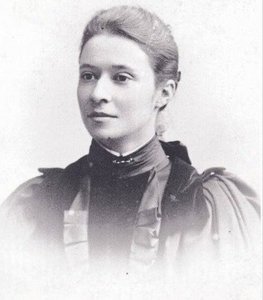
Mary Emily Eaton
1873 - 1961 , United Kingdom
プロフィール概要
- Artistic Movement Or Style: Botanical Art
- Date Of Birth: November 27, 1873
- Date Of Death: August 4, 1961
- Full Name: Mary Emily Eaton
- Nationality: British
- Notable Artworks:
- Moon Cactus
- Heliocereus elegantissimus
- Illustrations of multiple cactus species
- Place Of Birth: Coleford, United Kingdom