

 プレビュー
プレビュー
 プリントを購入
 シェアする
シェアする シェアする
シェアする
 詳細を見る
詳細を見る

 ダウンロード
 似ている作品
 X線調査
X線調査 スライドショー
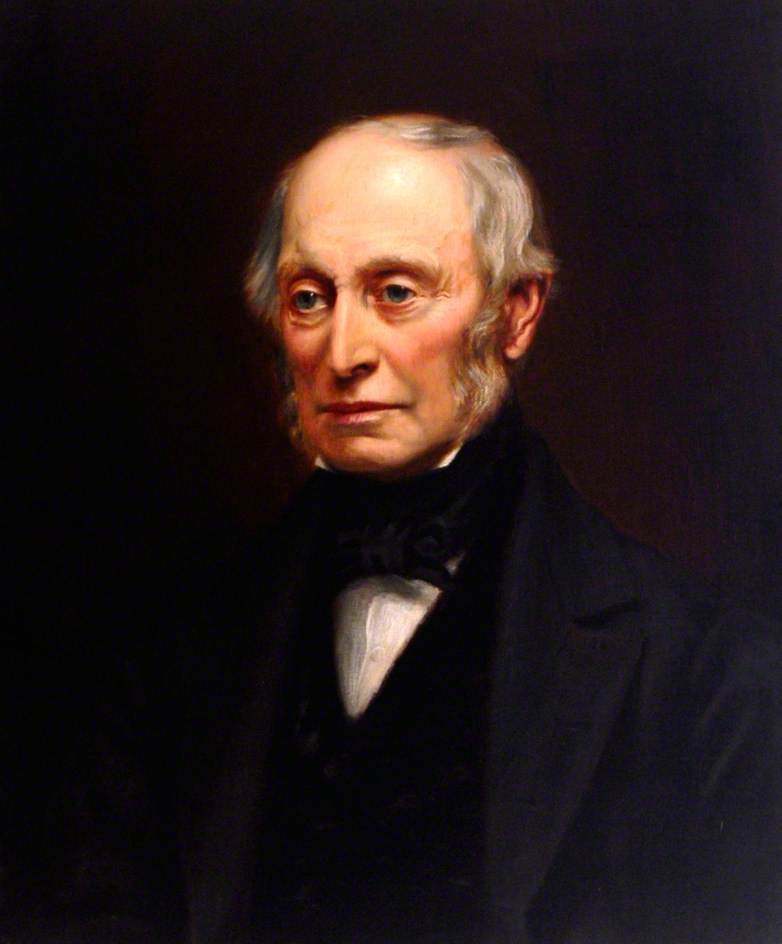
Sir William George Armstrong (1810–1900), 1st Baron Armstrong, Industrialist (copy after Thomas Bowman Garvie)
 1882
1882 70.0 x 50.0 cm
 The Literary - Philosophical Society of Newcastle
 詳細を見る
詳細を見る




































作品のオリジナル比率に合わせた、当店の規定サイズからお選びください。

特定のフレームやスペースに合わせて、ご希望のサイズをご入力いただけます。選択されたサイズが元の画像の比率と異なる場合、アートワークをトリミングするか、手描きで要素を追加して絵画を拡張いたします。デジタルモックアップ を制作し、制作開始前にご確認(承認)をいただきます。
画面上のプレビューは、実際のトリミングや拡張を正確に反映しているものではありません。最終的な構図は、モックアップによってのみ正確にご確認いただけます。
カスタムサイズもご利用いただけますが、元の比率を維持するためには、あらかじめ用意されたリストからサイズを選択することをお勧めいたします。
ご注文後、ArtsDot.com チームより詳細な指示をお送りするとともに、仕上がりイメージ(モックアップ)をご提供いたします。


 ガラスオプションは、110cm未満のサイズでのみご利用いただけます。

Sir William George Armstrong (1810–1900), 1st Baron Armstrong, Industrialist (copy after Thomas Bowman Garvie)
複製技法
複製画のサイズ
-


合計金額
$ 263
関連作品








アーティストの略歴
A Life Dedicated to Portraiture
Mary Lemon Waller, born in the quaint coastal town of Bideford, Devon, in 1851, emerged as a significant figure within the British art scene during the late Victorian and early Edwardian eras. Her journey began amidst the burgeoning artistic opportunities available to women, though navigating this landscape required both talent and determination. The daughter of Reverend Hugh Fowler, she received an early education that fostered her innate creativity, leading her to pursue formal training at an art school in Gloucester. This initial grounding proved pivotal, providing a foundation upon which she would build a successful career as a portrait painter. Recognizing the need for further refinement, Waller continued her studies at the prestigious Royal Academy Schools – a crucial step for any aspiring artist of the time, and particularly noteworthy for a woman seeking recognition in a male-dominated field. It was here that she honed her skills, absorbing the techniques and aesthetic principles that would define her distinctive style.Capturing Innocence and Dignity
Waller’s artistic signature lies in her sensitive and remarkably perceptive portraits, particularly those of children. She possessed an exceptional ability to capture not merely a likeness, but the very essence of her young subjects – their innocence, curiosity, and individual personalities. Her technique was characterized by refined realism, meticulous attention to detail, and a subtle yet effective use of color. These weren’t simply posed representations; they were intimate glimpses into the lives of these children, imbued with psychological depth that resonated with viewers. Beyond her celebrated depictions of youth, Waller also demonstrated considerable skill in portraying mature figures, imbuing them with dignity and grace. Her portraits of prominent individuals reveal a similar sensitivity to character, capturing their status and intellect with equal finesse. The influence of earlier masters like Sir Joshua Reynolds is subtly present in her work – a testament to her classical training and appreciation for the traditions of British portraiture.Recognition and Artistic Milestones
Waller’s talent quickly gained recognition, and she began exhibiting her works at an impressively young age. From 1877 to 1904, her paintings were consistently showcased at the Royal Academy – a testament to her growing reputation within the British art establishment. This consistent presence solidified her position as a respected artist, attracting commissions from discerning patrons. A particularly significant moment in her career came with her inclusion in the Palace of Fine Arts at the 1893 World's Columbian Exposition in Chicago. This international exposure brought her work to a wider audience and cemented her standing on the global stage. In 1925, she achieved another milestone by becoming a member of the Royal Society of Portrait Painters – an honor that acknowledged her substantial contributions to the field and placed her among the leading portraitists of her time. Her marriage in 1874 to Samuel Edmund Waller, also a painter, provided a supportive environment for her artistic pursuits, allowing her to balance her professional ambitions with personal life.A Lasting Legacy
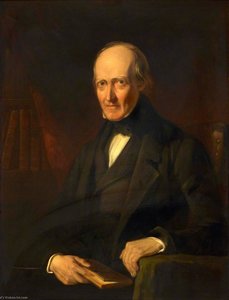
Mary Lemon Waller’s work offers valuable insights into Victorian and Edwardian society, reflecting the aesthetic sensibilities and social values of the era. Her portraits are not merely representations of individuals; they are windows into a bygone world, offering glimpses into the lives, status, and personalities of her sitters. Today, her paintings are held in several prominent UK collections, including Cragside, Royal Hallamshire Hospital, the Literary and Philosophical Society of Newcastle upon Tyne, Oxford University Museum of Natural History, and Somerville College, Oxford – ensuring that her artistic legacy endures for generations to come. While perhaps not a household name today, Mary Lemon Waller remains an important figure in the history of British portraiture. Her dedication to her craft, combined with her ability to capture the essence of her subjects, ensures that her work continues to be appreciated by art enthusiasts and scholars alike. Her portraits stand as enduring testaments to her skill, sensitivity, and artistic vision.- Notable Works: Portraits of Sir William George Armstrong, Mariano Martin de Bartolomé, The Honourable Mrs Vernon Harcourt, and William John Montagu Watson Armstrong.
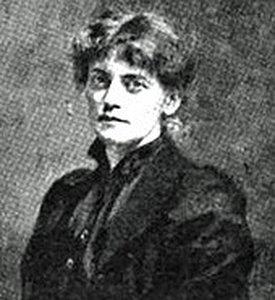
Mary Lemon Waller
1851 - 1931 , United Kingdom
基本情報
- Artistic Movement Or Style: Victorian portraiture
- Date Of Birth: 1851
- Date Of Death: 1931
- Full Name: Mary Lemon Waller
- Nationality: British
- Notable Artworks:
- Sir William Armstrong
- Mariano Martin de Bartolomé
- Mrs Vernon Harcourt
- William Watson Armstrong
- Place Of Birth: Bideford, UK