

 プレビュー
プレビュー
 プリントを購入
 シェアする
シェアする シェアする
シェアする
 詳細を見る
詳細を見る

 ダウンロード
 似ている作品
 X線調査
X線調査 スライドショー
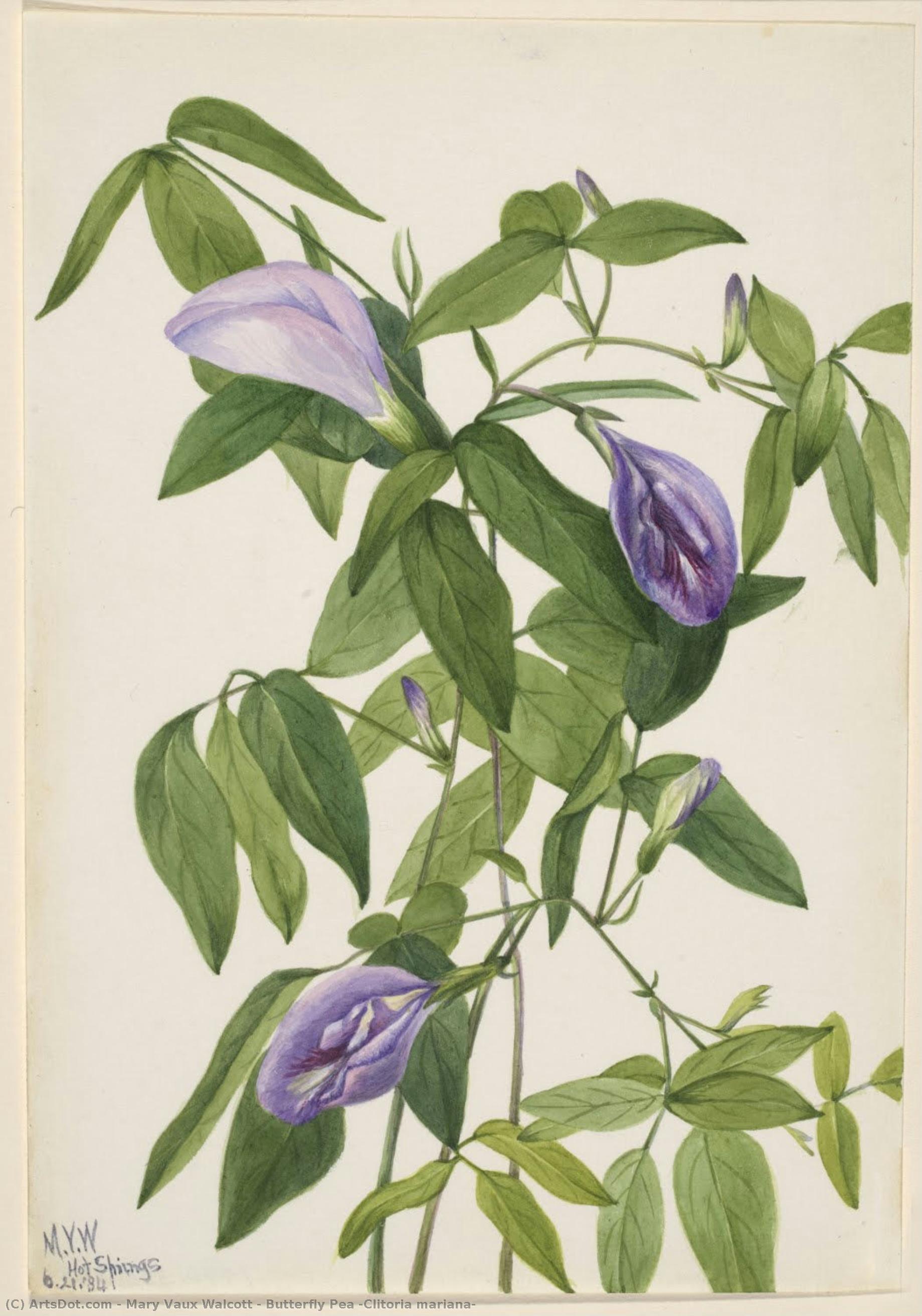
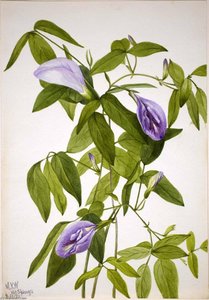
Butterfly Pea (Clitoria mariana)
 Watercolor
- WallArt
- American Naturalism
 1934
1934 25.0 x 17.0 cm
 ナショナルギャラリー
 詳細を見る
詳細を見る




P118B $10

P118H $10

P118W $10

P438Z $10

P508JH $12

P508YH $12

P805H $10

P805Z $10

P919BZ $10

P919G $10

P919XJ $10

P959ZH $10

P968JZ $12

W106C $8

W218G $10

W218JH $8

W218Y $10

W307PJ $10

W316G $10

W316PJ $8

W316Y $10

W398PJ $8

W4111J $10

W500HY $15

W500JH $15

W692G $12

W849H $8

W940BG $15

W953PJ $8




作品のオリジナル比率に合わせた、当店の規定サイズからお選びください。

特定のフレームやスペースに合わせて、ご希望のサイズをご入力いただけます。選択されたサイズが元の画像の比率と異なる場合、アートワークをトリミングするか、手描きで要素を追加して絵画を拡張いたします。デジタルモックアップ を制作し、制作開始前にご確認(承認)をいただきます。
画面上のプレビューは、実際のトリミングや拡張を正確に反映しているものではありません。最終的な構図は、モックアップによってのみ正確にご確認いただけます。
カスタムサイズもご利用いただけますが、元の比率を維持するためには、あらかじめ用意されたリストからサイズを選択することをお勧めいたします。
ご注文後、ArtsDot.com チームより詳細な指示をお送りするとともに、仕上がりイメージ(モックアップ)をご提供いたします。


 ガラスオプションは、110cm未満のサイズでのみご利用いただけます。

Butterfly Pea (Clitoria mariana)
複製技法
複製画のサイズ
-


合計金額
$ 263
作品解説
A Whisper of Purple: Mary Vaux Walcott’s “Butterfly Pea”
“Butterfly Pea,” painted in 1934 by the remarkable Mary Vaux Walcott, isn't merely a depiction of a wildflower; it’s an immersion into a bygone era of meticulous observation and deeply felt connection with the natural world. This watercolor on paper, currently residing within the Smithsonian American Art Museum’s collection, captures a single bloom of Clitoria mariana – a plant known for its striking, almost iridescent purple petals – in exquisite detail. But to simply label it as a botanical illustration would be a profound understatement. Walcott, often dubbed “the Audubon of Botany,” infused her work with an intimate understanding of both the scientific and emotional significance of the flora she depicted, transforming each painting into a testament to her lifelong dedication.
Walcott’s artistic journey was one defined by resilience and a pioneering spirit. Born in Philadelphia during a period when societal expectations for women were rigidly confined, she defied convention by pursuing her passion for art and natural history with unwavering determination. Her early life, marked by the loss of her mother at a young age, instilled within her a profound sense of responsibility and a deep appreciation for the beauty that could be found even amidst hardship. This personal narrative profoundly shaped her artistic vision, imbuing her work with a quiet dignity and an almost reverent regard for the delicate intricacies of the natural world.
The Art of Observation: Technique and Style
What immediately strikes the viewer is Walcott’s masterful technique – a testament to years spent honing her craft. The watercolor medium, so often perceived as fleeting and ephemeral, is here wielded with astonishing control. Delicate washes build up layers of color, capturing the subtle variations in tone and texture of the petals, leaves, and stem. Notice how she expertly utilizes dry brushstrokes to suggest the velvety surface of the flower, contrasted against smooth, blended areas that evoke the translucence of its delicate form. The composition is carefully balanced, drawing the eye towards the central bloom while allowing the surrounding foliage to provide a sense of depth and context. Walcott’s meticulous attention to detail isn't simply about replicating what she saw; it’s about conveying the very essence of the plant – its vibrancy, fragility, and inherent beauty.
Beyond technique, Walcott’s style is distinctly Impressionistic in its approach to light and color. She doesn’t aim for photographic realism but rather seeks to capture the *impression* of the flower, translating its visual qualities into a luminous and evocative painting. The purple hues are particularly captivating – ranging from deep indigo to vibrant magenta – creating a sense of movement and vitality that seems to almost shimmer on the paper. This careful manipulation of color is further enhanced by her use of complementary colors, which heighten the intensity of the purple and create a harmonious balance within the composition.
Symbolism and Context: A Window into the Natural World
“Butterfly Pea” transcends its purely botanical subject matter to offer a glimpse into the broader context of early 20th-century American art and conservation. Walcott’s work coincided with a growing awareness of the importance of preserving America's natural heritage, fueled by figures like John James Audubon and Theodore Roosevelt. Her detailed illustrations played a crucial role in documenting and promoting the beauty of North American wildflowers, contributing to a burgeoning interest in botany and ecology.
The Clitoria mariana itself holds symbolic weight. Native to both North America and Asia, it represents adaptability and resilience – qualities that resonated deeply with Walcott’s own life experiences. The flower's vibrant purple color is associated with royalty, spirituality, and transformation, adding another layer of meaning to the painting. Furthermore, its delicate beauty serves as a poignant reminder of the fragility of nature and the importance of protecting it from harm.
A Legacy of Beauty: Reproduction and Inspiration
Today, “Butterfly Pea” stands as a testament to Mary Vaux Walcott’s extraordinary talent and unwavering dedication. High-quality reproductions capture much of the original's luminous quality, offering an accessible way to experience this remarkable artwork. Whether displayed in a formal gallery setting or adorning a cozy corner of your home, this painting evokes a sense of tranquility, wonder, and connection with the natural world. It’s more than just a beautiful image; it’s a window into a fascinating life story—a celebration of art, science, and the enduring power of observation.
関連作品
アーティストの略歴
メアリー・ヴォー・ウォルコット:自然と芸術の融合が生み出した、植物画における新たな地平
1860年フィラデルフィアに生まれたメアリー・ヴォー・ウォルコットは、単なる画家としてではなく、科学者、探検家としての側面も併せ持つ、稀有な才能の女性でした。彼女の人生は、洗練されたクエーカー社会の一員として育ちながらも、自然への飽くなき探求心と芸術的才能によって彩られています。幼い頃に贈られた水彩絵具がきっかけで芽生えた植物への情熱は、やがてカナディアン・ロッキー山脈での年間の遠征を通して開花し、彼女を「植物学のオーデュボン」と称されるほどの偉大な植物画家へと導きました。彼女の物語は、芸術的才能だけでなく、不屈の精神、科学的好奇心、そして社会通念に挑戦する先駆者としての姿を描き出しています。ロッキー山脈との出会い:自然をインスピレーションとし、記録する
ヴォー家が毎年訪れたカナディアン・ロッキー山脈は、メアリーにとって芸術的な実験場となりました。彼女と兄弟たちは、単に風景を眺めるだけでなく、鉱物学の研究、氷河の動きの記録など、自然に対する深い理解を追求しました。その過程で、彼女は植物画における独自のスタイルを確立していきます。当初は植物学者からの依頼に応えて正確な描写を行っていましたが、次第に自身の芸術的表現を加えるようになり、植物の繊細な構造と鮮やかな色彩を、他に類を見ない精度で捉え出すようになりました。当時の多くの花卉画がロマンチックな理想化や様式化に偏っていたのに対し、ウォルコットの作品は科学的な正確さを重視しつつも、芸術的表現との調和を実現していました。1900年には、マウント・スティーブンへの登山を女性として初めて成し遂げたことも、彼女の冒険心と不屈の精神を示すエピソードとして語り継がれています。科学と芸術の融合:スミソニアン機関との連携
メアリーの人生は、1914年に著名な古生物学者チャールズ・ドゥーリトル・ウォルコットと結婚したことで、新たな展開を迎えます。この結婚は単なる個人的な出会いではなく、科学探求への共通の情熱によって結ばれた知的なパートナーシップでした。夫婦は毎年ロッキー山脈を訪れ、チャールズが地質学の研究に没頭する一方、メアリーは植物画制作に専念しました。これらの活動は互いに補完し合い、スミソニアン機関との連携を通じて、彼女の作品は広く世に知られるようになりました。1925年に出版された『北米野草』は、400点を超える精緻なイラストレーションを収録した壮大な五巻組であり、植物画の世界における彼女の地位を確固たるものとしました。この出版物を機に、「植物学のオーデュボン」という愛称が定着し、ジョン・ジェームズ・オーデュボンの鳥類図鑑と同様の重要性を持ちます。芸術と科学への貢献:後世への遺産
メアリー・ヴォー・ウォルコットの功績は、彼女の作品の美しさだけではありません。芸術的才能、科学的な観察眼、そして冒険心という三つの要素が融合した、独自の存在感を放っています。彼女は単に花を描いていたのではなく、その本質を捉え、複雑な構造を明らかにし、自然界における植物の重要な役割を称賛していたのです。彼女のイラストレーションは、芸術愛好家だけでなく、植物学者からも高く評価され、北米の植物相を特定し研究するための貴重な資料として活用されています。また、メアリーは連邦政府のインディアン委員会の理事を務め、先住民の生活改善のために積極的に活動するなど、公共サービスにも貢献しました。1940年の死去後、彼女はスミソニアン機関に多額の遺産を寄贈し、将来世代の研究活動を支援しました。ジャスパー国立公園にあるマウント・メアリー・ヴォーは、彼女の冒険心と不朽の遺産を称える象徴としてそびえ立っています。彼女の人生は、情熱、献身、そして自然との深い繋がりが、驚くべき業績へと繋がることを示唆する、人々にインスピレーションを与える物語です。主要な功績と評価
- 先駆的な植物画: 科学的に正確で芸術的に洗練された水彩による花卉画で知られています。
- 「植物学のオーデュボン」: 植物画におけるその重要性を認められた愛称です。
- 『北米野草』(1925): 400点以上のイラストレーションを収録した五巻組の出版は、彼女の名声を確固たるものとしました。
- マウント・スティーブン初女性登頂: 冒険心と体力強靭さを示すエピソードです。
- 氷河地質学への貢献: 兄弟と共にカナディアン・ロッキー山脈の氷河後退を記録し、気候変動研究のための貴重なデータを提供しました。
- 慈善事業としての遺産: スミソニアン機関に多額の寄付を行い、科学研究を支援しました。
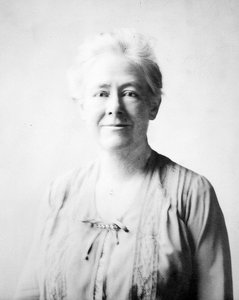
メアリー・ヴォー・ウォルコット
1860 - 1940 , アメリカ合衆国
基本情報
- フルネーム: メアリー・ヴォー・ウォルコット
- 主な作品:
- 秋の葉
- Gaillardia aristata
- Rosa bourgeauiana
- Dendromecon rigidum
- Fremontodendron mexicanum
- 出身地: フィラデルフィア、アメリカ合衆国
- 国籍: アメリカ合衆国
- 影響を受けたアーティスト: ['ジョン・ジェームズ・オーデュボン']
- 没年月日: 1940年8月22日
- 生年月日: 1860年7月31日
- 芸術運動/スタイル: 植物学イラストレーション
関連記事

Watercolor Wonders: 10 Masterpieces That Redefined Art History | ArtsDot
Journey through 10 legendary watercolor masterpieces by Sargent, Turner & Homer! Explore iconic landscapes, portraits & floral art that redefined history. Find museum-quality reproductions and curated decor ideas at ArtsDot.com.
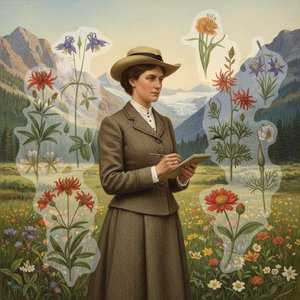
Mary Vaux Walcott: Botanical Precision & Artistic Vision in American Conservation
Discover the exquisite botanical watercolors of Mary Vaux Walcott, celebrated as the 'Audubon of Botany.' Explore her life, art, and lasting impact on American conservation through detailed illustrations & Smithsonian contributions.

Ephemeral Visions: Exploring the Artistic Legacy & Contemporary Practice of Watercolor Painting
Explore the captivating world of watercolor painting! Discover its rich history, essential techniques, influential artists & collecting tips. A comprehensive guide for art enthusiasts from ArtsDot.

Ephemeral Visions: Exploring the History & Emotional Resonance of Watercolor Painting
Explore the captivating history of watercolor painting, from ancient techniques to modern masters like Kandinsky & Blake. Discover essential artists, collecting tips & the emotional power of this luminous medium. Expert insights for art enthusiasts.

Ephemeral Visions: Exploring the Artistic Legacy & Nuances of Watercolor Painting
Explore the captivating world of watercolor painting! Discover its rich history, essential techniques, influential artists & collecting tips from art experts. A comprehensive guide for enthusiasts.

