 プレビュー
プレビュー
 プリントを購入
 シェアする
シェアする シェアする
シェアする
 詳細を見る
詳細を見る

 ダウンロード
 似ている作品
 X線調査
X線調査 スライドショー
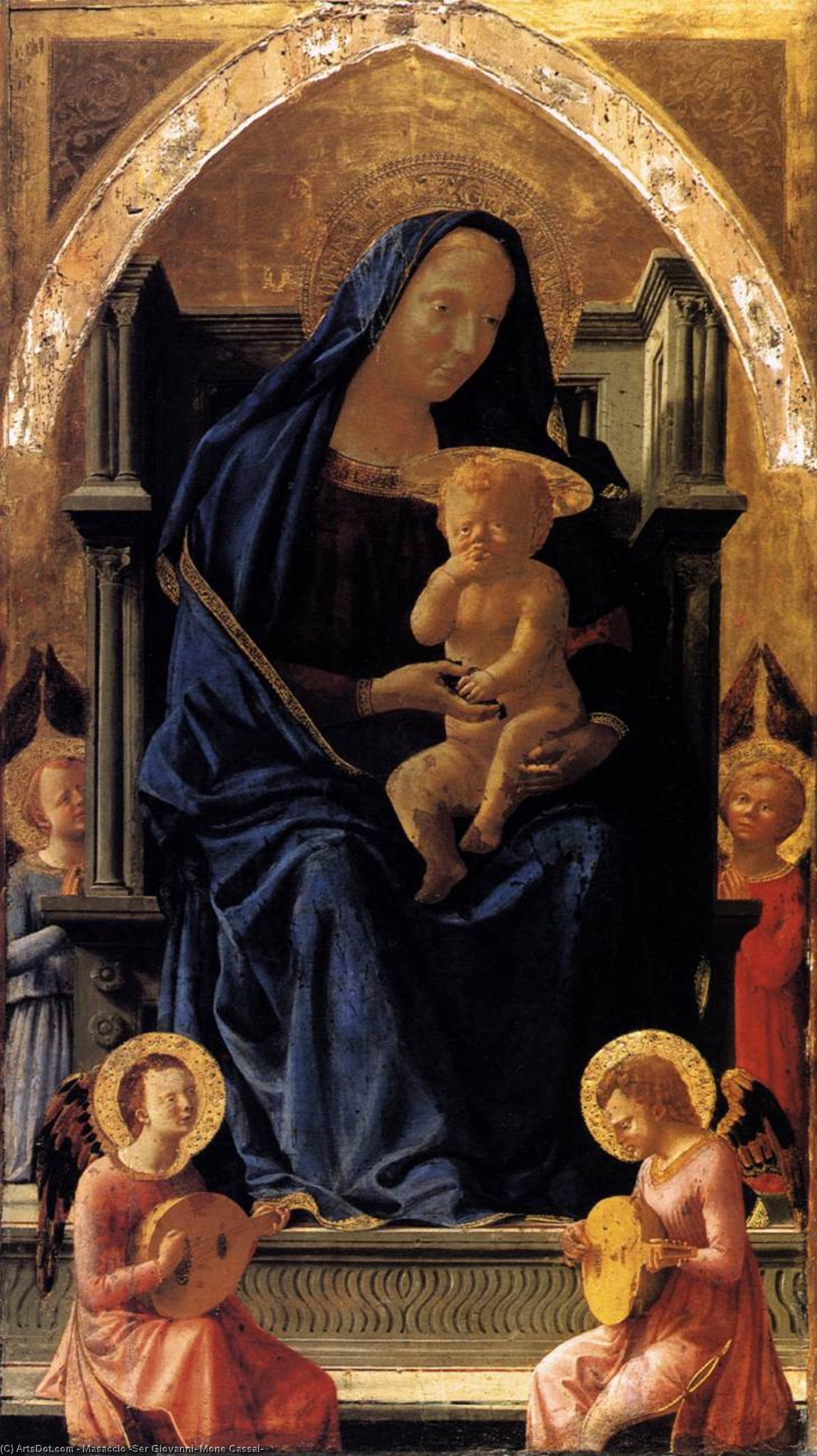
Madonna with Child and Angels
 Acrylic On Canvas
- WallArt
- Early Renaissance Realism
 1426
1426 136.0 x 73.0 cm
 ナショナル・ギャラリー
 詳細を見る
詳細を見る




P118B $10

P118H $10

P118W $10

P438Z $10

P508JH $12

P508YH $12

P805H $10

P805Z $10

P919BZ $10

P919G $10

P919XJ $10

P959ZH $10

P968JZ $12

W106C $8

W218G $10

W218JH $8

W218Y $10

W307PJ $10

W316G $10

W316PJ $8

W316Y $10

W398PJ $8

W4111J $10

W500HY $15

W500JH $15

W692G $12

W849H $8

W940BG $15

W953PJ $8




作品のオリジナル比率に合わせた、当店の規定サイズからお選びください。

特定のフレームやスペースに合わせて、ご希望のサイズをご入力いただけます。選択されたサイズが元の画像の比率と異なる場合、アートワークをトリミングするか、手描きで要素を追加して絵画を拡張いたします。デジタルモックアップ を制作し、制作開始前にご確認(承認)をいただきます。
画面上のプレビューは、実際のトリミングや拡張を正確に反映しているものではありません。最終的な構図は、モックアップによってのみ正確にご確認いただけます。
カスタムサイズもご利用いただけますが、元の比率を維持するためには、あらかじめ用意されたリストからサイズを選択することをお勧めいたします。
ご注文後、ArtsDot.com チームより詳細な指示をお送りするとともに、仕上がりイメージ(モックアップ)をご提供いたします。


 ガラスオプションは、110cm未満のサイズでのみご利用いただけます。

Madonna with Child and Angels
複製技法
複製画のサイズ
-


合計金額
$ 263
作品解説
The Dawn of Realism: Masaccio’s “Madonna with Child and Angels”
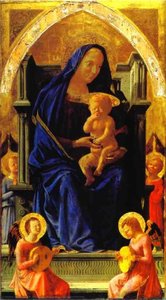
Masaccio's "Madonna with Child and Angels," painted in 1426, stands as a monumental work—a pivotal moment in the burgeoning Renaissance. More than simply a depiction of the Virgin Mary cradling her infant son, this painting represents a radical shift in artistic approach, embodying the nascent principles of realism and perspective that would define the era. Commissioned during a period of intense intellectual and artistic ferment in Florence, it reflects the city’s growing confidence in human observation and its desire to capture the world with unprecedented accuracy. The work's placement within a church setting—a large golden frame enveloping the scene—immediately establishes a sacred context, inviting contemplation and reverence.
The painting immediately draws the eye to Mary, seated gracefully on a simple chair, her pose radiating serenity and maternal devotion. Her clothing, rendered with meticulous detail – the folds of the fabric, the subtle variations in color – demonstrates Masaccio’s commitment to naturalistic representation. Crucially, he employs *chiaroscuro*, the masterful use of light and shadow, to sculpt the figures and imbue them with a palpable sense of volume and depth. This technique, borrowed from early Renaissance artists like Andrea del Verrocchio, creates an illusion of three-dimensionality that was revolutionary at the time. The baby Jesus, nestled in her lap, is depicted with astonishing realism – his tiny hands and feet rendered with delicate precision.
A Heavenly Chorus: Angels and Composition
Surrounding Mary are a group of angels, each imbued with individual character and movement. Masaccio’s depiction of these celestial beings moves beyond the stylized representations of previous eras. These aren't ethereal, indistinct forms; they possess recognizable human features—delicate hands, expressive faces—suggesting a connection to the earthly realm. The composition itself is remarkably balanced, utilizing geometric principles to create a sense of harmony and stability. Note the careful arrangement of figures, the use of receding planes to draw the viewer’s eye into the scene, and the subtle interplay of light and shadow that defines each form. The inclusion of musical instruments – a violin and a guitar – adds an intriguing layer of symbolism, perhaps alluding to religious music or hymns that would have accompanied devotional practices within the church.
Interestingly, Masaccio’s approach was influenced by contemporary developments in mathematics and optics. He meticulously studied linear perspective—the technique of creating the illusion of depth on a flat surface—and applied it with remarkable skill to this painting. The architectural elements of the background, particularly the arches and columns, converge towards a single vanishing point, reinforcing the sense of spatial realism. This demonstrates Masaccio’s intellectual curiosity and his desire to represent the world as accurately as possible.
Symbolism and Spiritual Resonance
Beyond its technical innovations, “Madonna with Child and Angels” is rich in symbolic meaning. The Virgin Mary represents purity, grace, and divine motherhood—central tenets of Christian theology. The infant Jesus embodies sacrifice, redemption, and the promise of salvation. The angels, as messengers of God, symbolize divine guidance and protection. The overall atmosphere of peace and serenity reflects the spiritual ideals of the Renaissance, a period marked by a renewed interest in classical learning and a profound sense of human potential.
Masaccio’s untimely death at the age of 28 cut short his promising career, but his legacy endures as one of the most influential artists of the Early Renaissance. “Madonna with Child and Angels” stands as a testament to his genius—a masterpiece that not only revolutionized painting techniques but also profoundly shaped our understanding of art and its ability to capture the beauty and complexity of the human experience. A reproduction of this iconic work offers a unique opportunity to bring this pivotal moment in art history into your home, allowing you to appreciate the enduring power of Masaccio’s vision.
関連作品
アーティストの略歴
マサッチョ:ルネサンスの夜明け
トマッソ・ディ・セル・ジョヴァンニ・ディ・シモーネ、一般的にはマサッチョ(“不器用なトマッソ”の意味)として知られる画家は、初期イタリア・ルネサンスを代表する重要な人物です。1401年12月21日にサン・ジョヴァンニ・ヴァルドアルノで生まれ、1428年に若くして亡くなった彼の短い生涯は、革新的な写実性、遠近法、明暗法(キアロスクーロ)によって絵画に革命をもたらしました。短い人生にもかかわらず、マサッチョのその後の世代の芸術家への影響は深く、自然主義の新たな基準を確立し、西洋美術の流れを変えました。
幼少期と修業
マサッチョは、公証人のジョヴァンニ・ディ・シモーネ・カッサイとジャコパ・ディ・マルティンツォの間に生まれました。彼の家族名であるカッサイは、父方の祖父が家具職人であったことに由来します。5歳の時に父親を亡くし、兄のジョヴァンニ(ロ・スケッジャ)も画家になることになります。マサッチョの芸術的修業に関する詳細はほとんど不明であり、これはルネサンス期の画家としては珍しいことです。12歳頃に弟子入りしたと考えられていますが、決定的な師は特定されていません。この記録に残されていない修業期間が、彼の急速な発展と革新的な技術に対する謎を深めています。
芸術的発達と主要作品
初期にはジョット・ディ・ボンドーネの影響を受けていましたが、マサッチョはすぐに彼を超越し、遠近法と解剖学への理解を深めました。また、フィリッポ・ブルネレスキの建築革新、特にブルネレスキが再発見した線形遠近法からもインスピレーションを受けました。彼はいくつかの画期的な技術を確立しました。線形遠近法は、消失点と数学的精度を用いて、二次元の表面に説得力のある奥行きを作り出しました。また、キアロスクーロを巧みに使い、光と影を使って形態をモデル化し、それまで絵画には見られなかった立体感と写実性を生み出しました。自然主義は、解剖学的に正確で感情表現豊かな人物を描き、初期の様式化された表現から脱却しました。
- サン・ジョヴェナーレ三連祭壇画(1422年頃):彼の遠近法と自然主義的な表現における才能が発展していく初期の作品です。
- 聖母子と聖アンナ(1423-1425年頃):マサッチョの新たな写実性と、より伝統的な様式であるマソリーノとの共同制作による作品です。
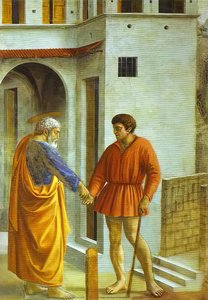
- ブランカッチ礼拝堂の壁画(1425-1428年頃):彼の最も有名で影響力のある作品であり、フィレンツェのサンタ・マリア・デル・カルミネ教会にあります。これらの壁画には、「税金の支払い」、「楽園からの追放」、「聖ペテロによる新信者の洗礼」などがあり、初期ルネサンス美術の傑作とされています。
歴史的意義と遺産
マサッチョの短い生涯にもかかわらず、西洋美術の流れへの影響は計り知れません。遠近法、キアロスクーロ、自然主義における彼の革新は、芸術家が世界を描く方法を根本的に変えました。彼は中世の芸術的慣習とルネサンスの新たな理想との間の橋渡しを果たしました。
- 後世の芸術家への影響:マサッチョの作品は、ドナテッロ、レオナルド・ダ・ヴィンチ、ミケランジェロ、ラファエロなど、次世代の画家たちに深く影響を与えました。彼らは彼の壁画を熱心に研究し、その技術を採用して自身の様式に取り入れました。
- 盛期ルネサンスの基礎:写実性と人間感情への重点は、盛期ルネサンスの芸術的成果のための基盤を築きました。
- ヴァザーリの記述:伝記作家ジョルジョ・ヴァザーリはマサッチョの天才を認め、「彼の世代で最高の画家」と称賛し、比類のないスキルで自然を模倣する能力を強調しました。
- 悲劇的な損失:26歳という若さでの死は同時代の人々によって悼まれ、フィリッポ・ブルネレスキはこのような才能の喪失を嘆きました。
結論
マサッチョの遺産は、歴史上最も重要で影響力のある芸術家の一人としての地位を確立しています。彼は中世からルネサンス美術への移行における重要な人物であり、絵画を通して世界を知覚し表現する方法を永遠に変えました。彼の短いながらも輝かしいキャリアは、革新の力と芸術的才能の永続的な影響の証です。
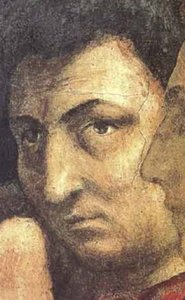
マサッチョ
1401 - 1429 , イタリア
基本情報
- Artistic Movement Or Style: 初期ルネサンス
- Artists Or Movements Influenced By This Artist: ['後のルネサンス画家たち']
- Artists Who Influenced This Artist:
- ジョット
- ブルネレスキ
- ドナテッロ
- Date Of Birth: 1401年12月21日
- Date Of Death: 1428年夏
- Full Name: マサッチョ(ジョヴァンニ・ディ・シモーネ)
- Nationality: イタリア人
- Notable Artworks:
- 三位一体
- ブランカッチ礼拝堂の壁画
- Place Of Birth (City And Country): サン・ジョヴァンニ・ヴァルダルノ、イタリア
関連記事
Celestial Messengers: Angels in Painting – A Historical & Artistic Exploration
Explore the captivating history of angels in painting! Discover symbolism, iconic Renaissance & Byzantine masterpieces, and renowned artists. Expert insights for art lovers & collectors at ArtsDot.
Celestial Messengers: A Comprehensive Exploration of Angelic Representation in Art History
Explore the captivating history of angels in art! Discover symbolism, iconic Renaissance masterpieces & renowned artists. Expert insights for art lovers & collectors at ArtsDot.
ラファエロ傑作25選:ルネサンス巨匠の物語と芸術の世界 | ArtsDot
ラファエロの傑作25選🎨 ルネサンス巨匠の物語と芸術の世界を紐解きます。美しい絵画複製や壁掛けアートで、お部屋に名画の彩りを。ArtsDot.comで、美術史に残る作品群をご覧ください✨

フラ・アンジェリコの傑作25選:ルネサンス美術の神髄と至高の装飾 | ArtsDot
フラ・アンジェリコの傑作25選。ルネサンス美術の神髄を紐解き、天使のような静謐な色彩と宗教画の世界へ誘います。壁画やフレスコ画の技法、修道院に息づく祈りの絵…ArtsDotで至高のアートプリントをお手軽に。コレクションを探索する。

ウフィツィ美術館の至宝25選:ルネサンス巨匠たちの傑作とアートデコレーション
ウフィツィ美術館の至宝25選:ボッティチェリ、レオナルド・ダ・ヴィンチ…ルネサンス巨匠たちの傑作と感動的な物語を紐解きます。高品質な絵画複製やアートプリントで、お部屋に名画の輝きを。ArtsDot.comで芸術の世界へ。