

 プレビュー
プレビュー
 プリントを購入
 シェアする
シェアする シェアする
シェアする
 詳細を見る
詳細を見る

 ダウンロード
 似ている作品
 X線調査
X線調査 スライドショー
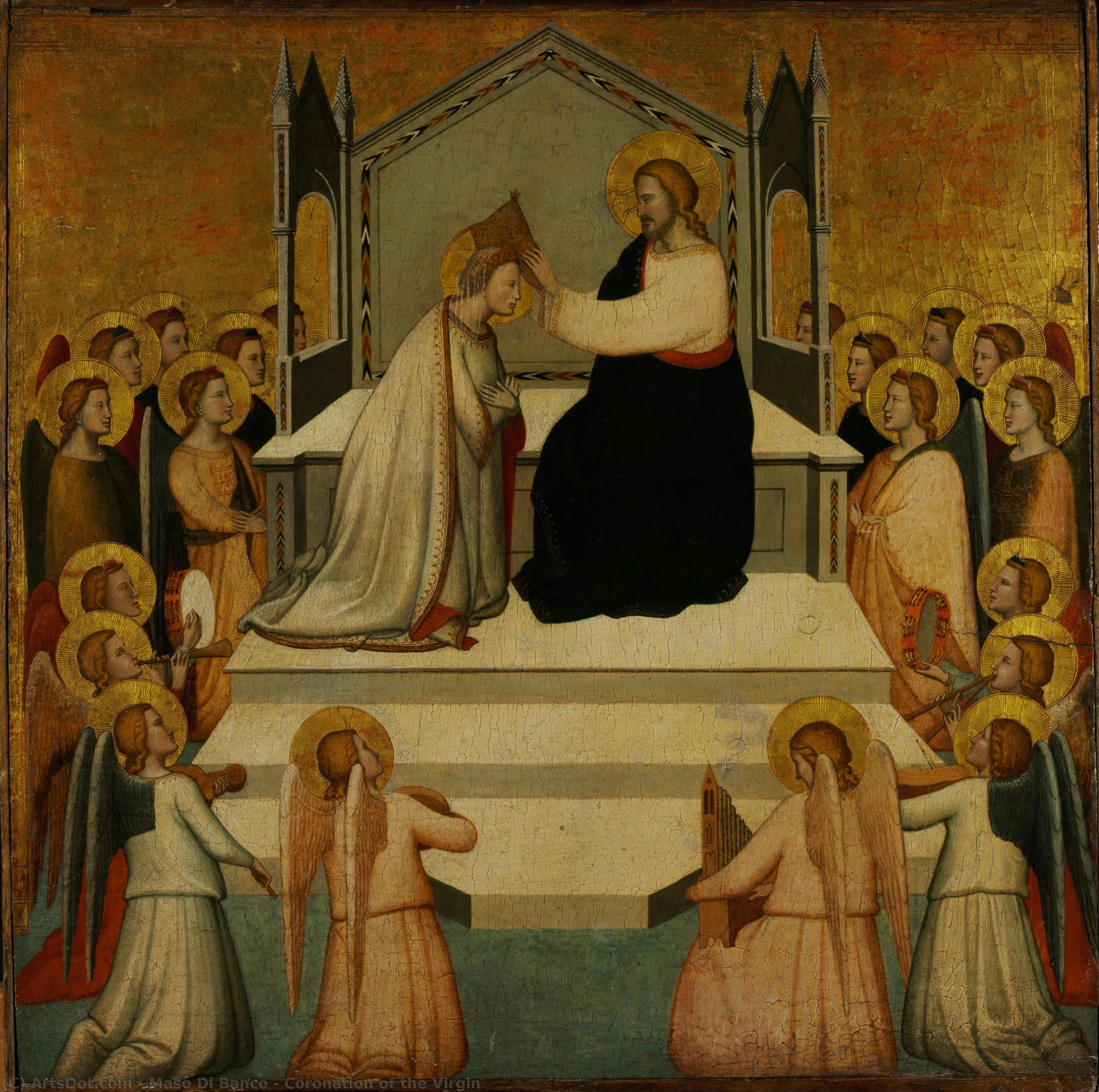
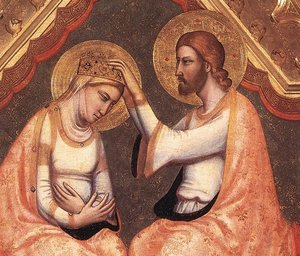
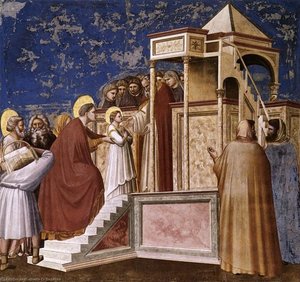
Coronation of the Virgin
 Acrylic On Canvas
- WallArt
- Early Renaissance
 1340
1340 51.0 x 51.0 cm
 美術館
美術館
 詳細を見る
詳細を見る
オンラインプレビューをはるかに凌ぐ、高解像度で鮮明なデジタル画像をご購入いただけます。
各ファイルは、社内の専門家が高度なツールと熟練した手作業によるレタッチを用いて、細心の注意を払って準備されています。すべての画像において、卓越した鮮明度、正確な色彩再現性、そして繊細なディテールを保証いたします。
最終ファイルは、プロフェッショナルな編集・印刷環境ですぐにご利用いただけるよう最適化された状態で、72時間以内にメールにてお届けいたします。これは、一流のデザインスタジオ、出版社、ギャラリーから信頼されているものと同等の品質です。
デジタル画像のご注文に付随する特典
高品質なデジタル画像配信を、確かな品質で。
ArtsDot.com を選ぶことは、単に画像を手に入れることではありません。それは、プロの手によって精密に仕上げられ、満足保証が付いた高品質なデジタルアートワークを受け取ることを意味します。ご注文いただいた際に自動的に付随する内容は、以下の通りです:

メールですぐにお届け
ご注文から72時間以内に、高解像度のデジタル画像ファイルがメールでお手元に届きます。すぐにそのままご利用いただけます。

AI技術で最適化されたデジタルファイル
お客様の作品は、高度なAIツールと専門家による手作業の編集を組み合わせてプロフェッショナルに最適化されており、細部のディテール、鮮明さ、そして正確な色再現性を最大限に引き出しています。

一生涯無料の再送サービス
ファイルを誤って削除したり、紛失してしまったりしましたか?ご安心ください。いつでも無料で再送いたします。

輸入手数料は一切かかりません
関税や手数料、配送料を気にすることなく、お気に入りのアートワークをすぐにお楽しみいただけます。デジタルダウンロードは常に免税です。

色彩再現の保証
プロ仕様のツールとカラーマネジメント技術を用いることで、デジタル画像が元の色を最大限に忠実に再現することを保証いたします。

60日間満足保証
ご購入いただいたデジタル画像にご満足いただけない場合は、60日以内であれば、修正または100%の返金(理由を問う必要はありません)をさせていただきます。

100% 返金保証
ご満足いただけない場合は、デジタルファイルを受け取ってから60日以内であれば、理由を問わず全額返金いたします。

まとめ買い割引
3枚購入で10%OFF - 5枚購入で15%OFF - 10枚以上購入で20%OFF。クリエイティブなプロジェクト、ギャラリー、エージェンシーに最適です。
作品の詳細
A Vision of Divine Grace – Maso di Banco’s Frescoes at Santa Croce
Florence in the mid-XIV century pulsed with artistic fervor, fueled by the revolutionary innovations of Giotto di Bondone. Amidst this burgeoning creativity stood Maso di Banco and Taddeo Gaddi, disciples who tirelessly pursued the dramatic realism championed by their revered teacher – a style that irrevocably altered the course of Western painting.
Their most celebrated achievement resides within the chapel of the Holy Confessors at Santa Croce, where Maso undertook the ambitious task of depicting scenes from the life of Saint Sylvester I. Alongside Gaddi, he embarked on an extraordinary endeavor: capturing not merely visual likenesses but conveying profound spiritual emotion. The frescoes, unsigned and dateless – likely completed around 1340 – represent a pinnacle of Florentine Gothic art.
Technique and Innovation: Embracing Three Dimensions
Maso di Banco’s approach was groundbreaking. Departing from the flattened perspective prevalent in preceding generations, he skillfully employed techniques that imbued his figures with palpable depth and volume. This masterful manipulation of shading – known as *chiaroscuro* – created a dramatic interplay between light and dark, drawing viewers into the narrative and intensifying its emotional impact.
- Modeling: Banco meticulously sculpted the forms of his subjects using plaster and pigment, achieving an unprecedented level of realism.
- Perspective: He subtly incorporated linear perspective to create a convincing illusion of space, mirroring Giotto’s pioneering efforts.
- Color Palette: The frescoes boast a restrained yet luminous color palette dominated by golds and reds—colors imbued with symbolic significance representing divine majesty and royal authority.
Symbolism – Echoes of Faith and Heavenly Glory
The composition itself speaks volumes about the theological concerns of its time. The central scene depicts Saint Sylvester crowning Mary, symbolizing the Virgin’s role as mediator between heaven and earth. Surrounding figures—including a grieving Sylvestre and an expectant congregation—underscore the solemnity of the occasion.
Above all, however, is the magnificent stained glass window depicting Christ Pantocrator – “Lord Almighty” – gazing down upon the chapel. This monumental depiction embodies the Byzantine tradition of portraying Christ as divine ruler, reinforcing the overarching theme of spiritual transcendence and illuminating the frescoes with ethereal light.
A Legacy Enduring Through Reproduction
Today, reproductions of Maso di Banco’s Coronation of the Virgin offer art lovers a tangible connection to this extraordinary moment in Florentine artistic history. ArtsDot.com presents meticulously crafted prints that faithfully capture the essence of Banco's vision—a testament to his genius and an enduring symbol of faith and beauty.
関連作品
![聖フランチェスコの伝説 - [16] - ケラノ騎士の死 — ジョット, 初期ルネサンス](/media/artworks/images-thumb/05/f5/05f5b23fed3aaac850de301d74b05cd9.jpg)
![Legend Of St Francis - [09] - Vision Of The Thrones — ジョット, Gothic Art](/media/artworks/images-thumb/22/63/2263d17803affec5bf4662652047e257.jpg)
作家の略歴
A Florentine Echo of Giotto: The Life and Art of Maso di Banco
Maso di Banco, a name resonating softly through the annals of 14th-century Italian painting, stands as a pivotal figure in the transition from the Gothic style towards the burgeoning Renaissance. Active primarily in Florence between approximately 1320 and 1346, he wasn’t merely a follower of his master, Giotto di Bondone, but a vital link in the chain of artistic innovation that would reshape Western art. While biographical details remain frustratingly scarce—a common fate for artists of this period—the power and eloquence of his surviving frescoes and panel paintings speak volumes about his skill, sensitivity, and enduring influence.
Early Training and Artistic Foundations
Born in Florence, Maso di Banco’s early life is shrouded in the mists of time. What we know with certainty is that he entered Giotto’s workshop during a period when the master was revolutionizing painting. Giotto, rejecting the stylized conventions of Byzantine art, sought to depict figures with greater naturalism and emotional depth. Maso absorbed these lessons wholeheartedly, developing a keen understanding of three-dimensional form, spatial coherence, and narrative clarity. Lorenzo Ghiberti, in his autobiographical *I Commentari*, singled out Maso as Giotto’s most gifted pupil—a testament to his exceptional talent. This training wasn't simply about technique; it was an immersion into a new way of seeing the world, one that prioritized human experience and emotional resonance.
The Santa Croce Chapel: A Masterpiece of Narrative Frescoes
Maso di Banco’s most significant surviving work is undoubtedly the fresco cycle in the Bardi Chapel of the Basilica of Santa Croce in Florence. Commissioned by the powerful Bardi banking family around 1335-1340, these frescoes depict scenes from the life of Pope Saint Sylvester I. The narrative unfolds with a remarkable sense of drama and clarity. The compositions are carefully structured, guiding the viewer’s eye through each episode with deliberate precision. What sets Maso apart is his ability to imbue his figures with both monumentality and emotional weight. In scenes like “St. Sylvester Resurrecting Two Magi Killed by a Dragon,” we see not only a miraculous event but also the profound grief of those witnessing it, and the righteous power of the saint. The architectural settings are rendered with meticulous detail, creating a believable sense of space that further enhances the narrative impact. The symbolic use of elements—the dragon representing pagan ignorance, for example—adds layers of meaning to the already compelling scenes.
Style and Influences: Bridging Gothic and Renaissance
Maso di Banco’s style represents a fascinating synthesis of Gothic elegance and the emerging principles of the Renaissance. He retained a certain refinement in his figures, with graceful contours and harmonious color palettes—elements that reflect influences from both Sienese and Florentine traditions. However, he infused this elegance with Giotto's emphasis on monumentality and emotional realism. His work is characterized by a clarity of design and a deliberate avoidance of excessive ornamentation. While he wasn’t as radical in his innovations as Giotto himself, Maso skillfully adapted the master’s teachings to create a style that was both compelling and uniquely his own. Beyond Giotto, hints of Duccio's influence can be detected in the delicate rendering of fabrics and the expressive faces of his figures.
Legacy and Historical Significance
Although Maso di Banco’s oeuvre is relatively small—compared to some of his contemporaries—his impact on Florentine painting was significant. He served as a crucial link between Giotto's pioneering work and the later achievements of artists like Taddeo Gaddi and Masaccio. His frescoes in Santa Croce became a model for subsequent generations of painters, demonstrating the power of narrative clarity, emotional depth, and spatial coherence. The fact that Lorenzo Ghiberti specifically praised his talent underscores his importance within the artistic community of Florence. While much about his personal life remains unknown, Maso di Banco’s legacy endures through the enduring beauty and eloquence of his art—a testament to a master who helped pave the way for the glories of the Renaissance.
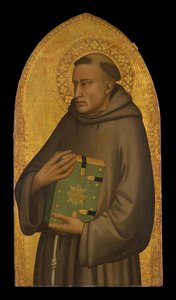
maso di banco
1348 , Italy
プロフィール概要
- Artistic Movement Or Style: Early Renaissance
- Artists Or Movements Influenced By This Artist: ['Taddeo Gaddi']
- Artists Who Influenced This Artist: ['Giotto di Bondone']
- Date Of Birth: c. 1320
- Date Of Death: 1346
- Full Name: Maso di Banco
- Nationality: Italian
- Notable Artworks:
- Coronation of the Virgin
- Saint Anthony of Padua
- Fresco from Santa Croce
- Place Of Birth: Florence, Italy

