 プレビュー
プレビュー
 プリントを購入
 シェアする
シェアする シェアする
シェアする
 詳細を見る
詳細を見る

 ダウンロード
 似ている作品
 X線調査
X線調査 スライドショー
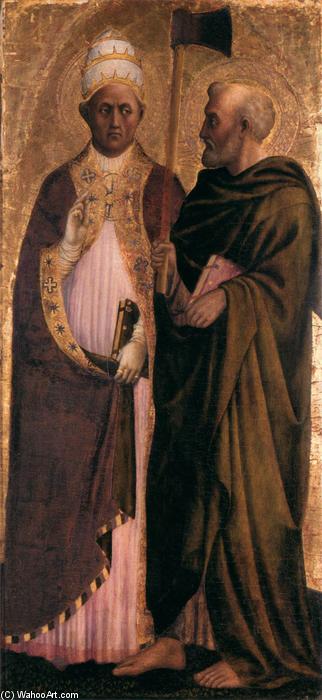
Pope Gregory the Great (.) and St Matthias
 Oil On Canvas
- WallArt
- Early Renaissance
 1428
1428 126.0 x 59.0 cm
 ナショナル・ギャラリー
 詳細を見る
詳細を見る




P118B $10

P118H $10

P118W $10

P438Z $10

P508JH $12

P508YH $12

P805H $10

P805Z $10

P919BZ $10

P919G $10

P919XJ $10

P959ZH $10

P968JZ $12

W106C $8

W218G $10

W218JH $8

W218Y $10

W307PJ $10

W316G $10

W316PJ $8

W316Y $10

W398PJ $8

W4111J $10

W500HY $15

W500JH $15

W692G $12

W849H $8

W940BG $15

W953PJ $8




作品のオリジナル比率に合わせた、当店の規定サイズからお選びください。

特定のフレームやスペースに合わせて、ご希望のサイズをご入力いただけます。選択されたサイズが元の画像の比率と異なる場合、アートワークをトリミングするか、手描きで要素を追加して絵画を拡張いたします。デジタルモックアップ を制作し、制作開始前にご確認(承認)をいただきます。
画面上のプレビューは、実際のトリミングや拡張を正確に反映しているものではありません。最終的な構図は、モックアップによってのみ正確にご確認いただけます。
カスタムサイズもご利用いただけますが、元の比率を維持するためには、あらかじめ用意されたリストからサイズを選択することをお勧めいたします。
ご注文後、ArtsDot.com チームより詳細な指示をお送りするとともに、仕上がりイメージ(モックアップ)をご提供いたします。


 ガラスオプションは、110cm未満のサイズでのみご利用いただけます。

Pope Gregory the Great (.) and St Matthias
複製技法
複製画のサイズ
-


合計金額
$ 263
作品解説
A Portrait of Faith: Masolino’s Masterpiece
Masolino da Panicale's “Pope Gregory the Great and St. Matthias,” painted in 1428, isn’t merely a depiction of two prominent figures; it’s a carefully constructed tableau brimming with theological weight and nascent humanist observation. This panel, once part of a larger altarpiece destined for Santa Maria Maggiore in Rome, offers a rare glimpse into the burgeoning artistic sensibilities of the early 15th century – a period where Gothic formality began to yield to the expressive dynamism of the Renaissance.
The scene unfolds within a richly detailed architectural setting, hinting at both earthly grandeur and celestial aspiration. The Pope, identifiable by his papal tiara and flowing robes, engages in conversation with St. Matthias, whose posture suggests contemplation and perhaps even a touch of solemnity. Masolino masterfully employs perspective – though not yet fully developed as in later Renaissance works – to create a sense of depth and spatial awareness within the composition. The figures are rendered with a remarkable attention to detail, from the folds of their garments to the textures of their robes, showcasing Masolino’s technical skill and his deep understanding of human anatomy.
The Weight of Symbolism
Beyond its aesthetic qualities, “Pope Gregory and St. Matthias” is laden with symbolic meaning. Pope Gregory, a pivotal figure in Christian history for his role as the first bishop of Rome and his efforts to convert the Anglo-Saxons, represents authority, piety, and spiritual leadership. His gesture – a deliberate turn towards the saint – suggests an exchange of wisdom or perhaps even a shared understanding of divine guidance. St. Matthias, one of the twelve apostles chosen by Christ, embodies sacrifice, martyrdom, and the enduring power of faith. The axe held by Matthias is not simply a symbol of his violent death; it’s a potent reminder of the cost of discipleship and the unwavering commitment required to follow Christ.
The inclusion of other figures in the background – monks, attendants, and perhaps even members of the papal court – further enriches the narrative. These secondary characters contribute to the sense of a vibrant community united by faith and tradition. Notably, the presence of a figure resembling Emperor Frederick II, who was known for his patronage of the arts and his interest in theological debates, adds another layer of complexity to the scene, suggesting a dialogue between secular and spiritual authority.
A Pioneering Technique
Masolino’s approach to painting during this period is particularly noteworthy. While he undoubtedly drew upon the conventions of Gothic art – evident in the stylized figures and elaborate drapery – he also experimented with new techniques, most notably the use of oil paint. Although the panel was later transferred to a wood support, traces of tempera and oil remain, indicating Masolino’s early exploration of this versatile medium. This experimentation foreshadowed the revolutionary developments that would occur in painting during the High Renaissance, solidifying Masolino's place as an important precursor to masters like Masaccio and Botticelli.
Emotional Resonance and Lasting Legacy
“Pope Gregory the Great and St. Matthias” transcends a simple portrait; it’s a meditation on faith, leadership, and the enduring power of human connection. The painting's quiet intensity invites contemplation, prompting viewers to consider the weighty responsibilities of spiritual authority and the sacrifices made in the name of belief. Reproductions of this remarkable work offer a tangible link to a pivotal moment in art history – a time when tradition was being challenged, and new artistic possibilities were beginning to emerge. It remains a testament to Masolino’s skill, vision, and his crucial role in shaping the trajectory of Renaissance painting.
関連作品



アーティストの略歴
マゾリーノ・ダ・パニカーレが湛える叙情的な優美さ
フィレンツェ・ルネサンス初期の、変革に満ちた躍動的な空気の中で、ゴシック様式の優雅さからヒューマニズム的なリアリズムへの繊細な移行を、マゾリーノ・ダ・パニカーレほど切実に捉えた芸術家は他にいません。「リトル・トム」という愛称で親しまれたこの巨匠は、単に時代を繋ぐ架け橋であっただけではありません。彼は、深い叙情性と光を描き出す画家でした。1383年頃、イタリアの静かな町パニカーレに生まれた彼の芸術的魂は、中世の影が退き、科学的な思考を持つ新しい時代の夜明けが始まろうとしていたフィレンツェの工房で形作られました。伝説的なギベルティのもとで行われたであろう初期の修行は、細部への畏敬の念と彫刻的な形態へのこだわりを彼に植え付け、それがその後のキャリアを通じて彼の表現力豊かな筆致の象徴となりました。
マゾリーノの天才性の本質は、インターナショナル・ゴシック様式の精神的な甘美さと、ルネサンス期に芽生えた構造的な革新性を融合させる能力にあります。同時代の画家たちが遠近法の厳格な数学的計算に没頭し始めた一方で、マゾリーノは感情的で、どこか空想的なものとの繋がりを保ち続けました。その美しさが最も鮮やかに現れているのが、聖母子などの作品です。そこには、静かな謙虚さと慈しみ深い献身がキャンバスから溢れ出しています。これらの構図において、人物たちは柔らかくリズム感のある優雅さを纏い、見る者を静かな瞑想へと誘います。まさに、信心深い雰囲気を作り出す達人と言えるでしょう。
革命的な共作
西洋美術史は、1424年から1428年にかけての期間によって、決定的な変容を遂げました。マゾリーノがフィレンツェのブランカッチ礼拝堂の装飾という記念碑的な任務を、畏怖すべき存在であるマサッチョと共に担った時です。このパートナーシップは、しばしば様式の対決として捉えられがちですが、実際には二つの異なる世界の深遠な融合でした。マサ術ォが重厚で立体的なリアリズムと劇的な光の境界を押し広げた一方で、マゾリーノはそこに不可欠な叙情的な均衡をもたらしたのです。マグダラのマリアの繊細な描写に代表される彼の礼拝堂への貢献は、共演者であるマサッチョの力強い構図と鮮やかな対照をなし、フレスコ画が過度に厳格になりすぎるのを防ぐような、動きと優雅さを吹き込みました。
ブランカッチ礼拝堂の壁を超えて、マゾリーノの技術的な探究心は、技法や媒体の最前線へと彼を導きました。彼は油彩技法を実験した最初期の先駆者の一人として頻繁に挙げられます。この発展により、色彩に新たな深みが生まれ、光と質感のより微細な表現が可能となりました。この実験精神は、受胎告知のような傑作に鮮明に表れています。油彩の使用は聖書の物語に前例のない輝きを与え、神聖な瞬間を、奇跡的でありながら手で触れられるほどリアルな明晰さで捉えています。
遺産と芸術的意義
マゾリーノ・ダ・パニカーレの不朽の意義は、激動の時代における「美の守護者」としての役割にあります。彼は単にリアリズムへの道を辿ったのではありません。幾何学的な冷徹な精密さによって失われかねなかった詩的な情緒を、彼はその道に豊かに添えたのです。フレスコ画と初期油彩画の両方の複雑さを操る能力により、彼は人間の経験の多面性――肉体的な重みと精神的な軽やかさの両方――を語りかける作品群を遺すことができました。
彼の生涯と業績を振り返るとき、偉大な巨匠たちの系譜における彼の地位を定義づけるいくつかの重要な要素が見えてきます:
- 様式の融合:ゴシック様式の装飾美とルネサンスの構造的革新を融合させた独自の能力。
- 技術的な先駆性:より高い輝きを実現するために、油彩という媒体を用いた初期かつ影響力のある実験。
- 共作の輝き:ブランカッチ礼拝堂におけるマサッチョとの共同作業を通じて生み出された、変革的な芸術的対話。
- 感情的な深み:当時のヒューマニズムの理想と共鳴する、深く親しみやすい慈愛をもって宗教的主題を描き出す卓越した技法。
フィレンツェ革命におけるより急進的な人物たちの影に隠れてしまうこともありますが、マゾリーノは今なお欠かすことのできない存在です。彼はルネサンスが花開くための魂と優雅さを与え、芸術が「現実」へと向かう過程において、神聖なものとの繋がりを失わないように導いたのです。
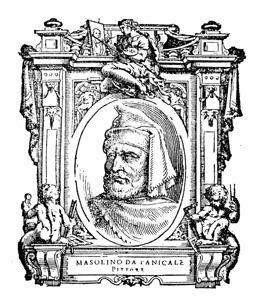
マゾリーノ・ダ・パニカーレ
1383 - 1447 , イタリア
基本情報
- Artistic Movement Or Style: 初期ルネサンス
- Artists Who Influenced This Artist:
- ギベルティ
- マサッチオ
- Date Of Birth: 1383年頃
- Date Of Death: 1447年頃
- Full Name: マゾリーノ・ダ・パニカーレ
- Nationality: イタリア
- Notable Artworks:
- 聖母子像
- 聖アンナ
- ブランカッチ礼拝堂のフレスコ画
- Place Of Birth: イタリア、パニカーレ
関連記事

家族の遺産を壁画で彩る:伝統技法が紡ぐ、時を超越する美と記憶
古代から現代までの壁画の歴史と技法を解説。日本の壁画文化やカスタムオーダーによる家族の遺産表現、保存・修復技術まで網羅。専門家が時を超越する美と記憶を紡ぐ芸術的価値をご案内します。

The Enduring Legacy of Fresco Painting: Techniques, History & Contemporary Relevance
Explore the rich history & enduring artistry of fresco painting – from Giotto to Michelangelo! Discover techniques, conservation efforts, & modern applications. Learn how ArtsDot brings this timeless art form to your home.

The Enduring Legacy of Fresco: Technique, History & Artistic Expression Across Cultures
Explore the rich history & enduring legacy of fresco painting! Discover ancient techniques, Giotto's masterpieces, and modern applications. Expert insights for art lovers & professionals.
The Enduring Legacy of Fresco: Technique, History & Artistic Expression
Explore the rich history & enduring artistry of fresco painting. Discover techniques from Giotto to Michelangelo, conservation efforts, & modern applications. Learn how ArtsDot brings this timeless art form to your home.

Art That Lives With You: The Emotional Power of a Custom Interior Fresco
Discover the emotional power & timeless beauty of custom interior frescoes. Explore history, design tips & expert guidance from – creating lasting legacies.