

 プレビュー
プレビュー
 シェアする
シェアする シェアする
シェアする
 詳細を見る
詳細を見る

 ダウンロード
 似ている作品
 X線調査
X線調査 スライドショー
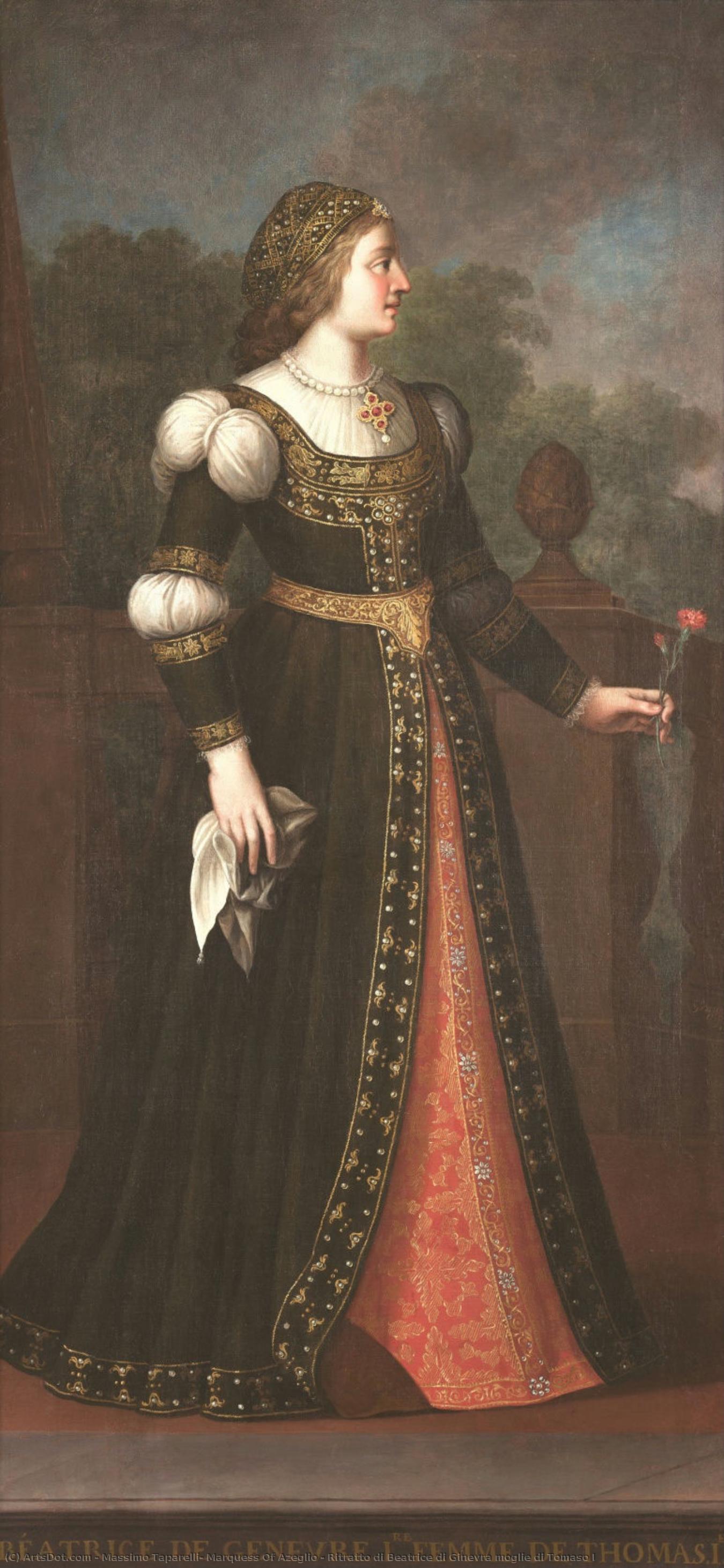
Ritratto di Beatrice di Ginevra moglie di Tomaso I
 Oil On Canvas
- WallArt
- Neoclassical
 1700
1700 202.0 x 117.0 cm
 ヴェナリア宮殿
 詳細を見る
詳細を見る
ジークレー/アートプリント
迅速な制作と多彩な仕上げオプションを備えた、ミュージアムクオリティのジークレーまたはキャンバスプリント。 ( 手描きの絵画を購入 画像を購入)




P118B $10

P118H $10

P118W $10

P438Z $10

P508JH $12

P508YH $12

P805H $10

P805Z $10

P919BZ $10

P919G $10

P919XJ $10

P959ZH $10

P968JZ $12

W106C $8

W218G $10

W218JH $8

W218Y $10

W307PJ $10

W316G $10

W316PJ $8

W316Y $10

W398PJ $8

W4111J $10

W500HY $15

W500JH $15

W692G $12

W849H $8

W940BG $15

W953PJ $8




作品のオリジナル比率に合わせた、当店の規定サイズからお選びください。

特定のフレームやスペースに合わせて、ご自身でサイズを指定することも可能です。選択されたサイズが元の画像の比率と一致しない場合、作品をトリミングするか、鏡面反射または単色での塗りつぶしによって画像を拡張いたします。制作を開始する前に、ご確認用のデジタルモックアップをお送りいたします。
画面上のプレビューには、実際のトリミングや拡張は反映されませんのでご注意ください。最終的な構図を正確に確認できるのは、モックアップのみとなります。
カスタムサイズも承っておりますが、元の比率を維持するためには、あらかじめ用意されたリストからサイズを選択することをお勧めいたします。


 ガラスオプションは、110cm未満のサイズでのみご利用いただけます。

Ritratto di Beatrice di Ginevra moglie di Tomaso I
ジークレー/アートプリント
複製画のサイズ
-


合計金額
$ 62
Ritratto di Beatrice di Ginevra moglie di Tomaso I – A Window Into Renaissance Ideal Beauty
Massimo Taparelli d’Azeglio's "Ritratto di Beatrice di Ginevra moglie di Tomaso I," painted around 1700, stands as a testament to the artistic fervor of the Florentine Renaissance. More than just a portrait, it embodies the humanist ideals that defined the era—a celebration of feminine grace and intellect within a meticulously crafted visual framework. The painting captures Beatrice Farnese, Duchess of Parma, daughter of Philip II of Spain and Margherita Teresa Borghese, wife of Alessandro Farnese I – a prominent figure in Italian politics during a turbulent period marked by papal ambition and dynastic maneuvering. This artwork represents the pinnacle of Neoclassical style, prioritizing clarity and restraint while simultaneously conveying an idealized vision of female beauty rooted in classical principles.- Style: Neoclassical – While seemingly distant from the exuberant Baroque style prevalent at the time, Taparelli’s approach reflects a subtle shift towards rationality and harmonious proportion. Artists sought to emulate the grandeur and order of ancient Greece and Rome, rejecting the emotional excesses of previous artistic movements.
- Technique: Oil on Canvas – Taparelli skillfully employed oil paints on canvas to achieve remarkable luminosity and detail. The layering of glazes creates depth and texture, capturing the subtle nuances of Beatrice’s complexion and drapery. This technique was favored by artists throughout Europe during this period, demonstrating a mastery of pigment manipulation and artistic innovation.
- Composition: Balanced Symmetry – The portrait adheres to classical compositional principles, positioning Beatrice centrally within a carefully balanced frame. Her gaze directs towards the viewer, establishing an intimate connection while simultaneously conveying dignity and composure. The surrounding elements—the chair and bench—serve as understated anchors, reinforcing the stability of the image.
- Symbolism: Floral Arrangement – The delicate floral arrangement adorning Beatrice’s lap symbolizes purity and virtue—traditional emblems of feminine honor and moral excellence. Roses, specifically, represented love and devotion, reflecting the societal expectations surrounding aristocratic women during this time.
Detailed Examination of Beatrice Farnese's Appearance
The painting meticulously portrays Beatrice Farnese’s features with remarkable accuracy. Note the subtle shading around her eyes and cheekbones, indicative of Taparelli’s meticulous observation of anatomy—a hallmark of Neoclassical art. Her attire consists of a dark gown embellished with gold embroidery, highlighting her status as Duchess of Parma and symbolizing wealth and prestige. The white collar surrounding her neck signifies modesty and refinement – values considered crucial for portraying noblewomen in artistic representations. Furthermore, the inclusion of a rose held delicately in her hand reinforces the overarching theme of beauty and virtue.Historical Context: Renaissance Ideals of Beauty
“Ritratto di Beatrice di Ginevra moglie di Tomaso I” emerged during a pivotal moment in Italian history—the waning years of the Renaissance and the burgeoning influence of Neoclassicism. The humanist movement championed reason, observation, and human dignity, profoundly impacting artistic sensibilities. Artists like Taparelli sought to recapture the grandeur and idealism of antiquity, rejecting the dramatic theatricality of Baroque art. This painting serves as a poignant reminder of the era’s fascination with idealized beauty—a pursuit that continues to inspire artists and collectors today.Emotional Impact: A Portrait of Grace and Dignity
Beyond its technical brilliance and stylistic adherence to classical principles, “Ritratto di Beatrice di Ginevra moglie di Tomaso I” possesses a profound emotional resonance. The serene gaze of Beatrice Farnese conveys an aura of composure and inner strength—a testament to her noble character and unwavering dignity. Taparelli’s masterful use of light and shadow enhances the portrait's expressive power, capturing the subtle nuances of emotion without resorting to overt sentimentality. It remains a timeless depiction of feminine grace and intellect, encapsulating the enduring legacy of Renaissance artistic ideals.Provenance & Reproduction
Currently housed in the Royal Palace of Venaria (Venaria Reale, Italy), this masterpiece exemplifies the meticulous craftsmanship of its time. High-quality reproductions are available to bring this iconic artwork into homes and galleries worldwide, allowing admirers to appreciate Taparelli’s artistic vision and Beatrice Farnese's enduring beauty.関連作品

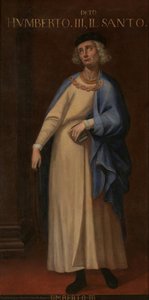
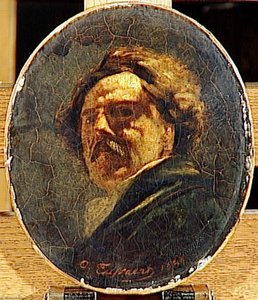
アーティストの略歴
マッシモ・タパレッリ・ダゼリオ:政治、文学、そして芸術が織りなす生涯
- 生誕:イタリア、トリノ(1798年)
- 没年:1866年
マッシモ・タパレッリ・ダゼリオ、一般にマッシモ・ダゼリオとして知られるこの人物は、19世紀イタリアにおける極めて稀有な存在でした。彼はピエモンテ・イタリアの政治家、小説家、そして画家としてその才能を発揮し、激動する時代の複雑な精神を体現していました。ナポレオン時代からイタリア統一へと向かう重要な政治的変遷の渦中に身を置き、多岐にわたる分野での貢献を通じて、イタリア史に消えることのない足跡を残したのです。
幼少期と芸術への探求
1798年、トリノの貴族的なピエモンテの家系に生まれたマッシモ・ダゼリオの若き日々は、特権的な環境と、芽生えつつあった芸術的感性の両方によって形作られました。短期間の軍務を終えた後、彼は保守的な家族の期待に背き、自らを絵画の世界へと捧げる道を選びました。ローマで数年間を過ごした彼は、マルティン・フェルスタッペンに師事し、ローマの風景の中に深く没入していきました。初期の作品には、細部まで緻密に描き出す18世紀的な様式の名残が見られ、それは「アルバン丘陵の森と空き地」といった風景画にも鮮明に表れています。やがてダゼリオは、自らの芸術に愛国心を吹き込もうと試み、「モンモランシーの死」に見られるような歴史的場面や英雄的な物語の探求へと向かいました。画家として一定の評価を得たものの、彼の情熱は次第に文学の領域へと移り変わっていくことになります。
文学への貢献と政治的覚醒
ダゼリオの文学的キャリアが本格的に動き出したのは、ミラノへの移住後でした。彼はミラノの活気あふれる知識人層の一員となり、高名な小説家アレッサンドロ・マンゾーニの娘、キアラ・マンゾーニと結ばれます。師とも仰いだマンゾーニに触発され、ダゼリオは『ニコロ・デイ・ラピ』(1833年)や『エットレ・フィエラモスカ』(1841年)といった二つの歴史小説を執筆しました。ウォルター・スコットの手法を模したこれらの作品は、イタリア人の愛国心を呼び起こし、外国の支配に対する抵抗の闘いを浮き彫りにすることを目指していました。また、従兄弟であるチェーザレ・バルボの有力な著作『イタリアの希望について』を通じて、彼の政治的意識はさらに深まりました。これがきっかけとなり、彼は政治の世界へと積極的に身を投じ、『ロマーニャの最新事例について』(1846年)などのパンフレットを執筆し、イタリア国家運動におけるピエモンテの指導権を提唱していったのです。
首相としての歩みと政治改革
1840年代の政治的混乱は、ダゼリオを時代の表舞台へと押し上げました。カルロ・アルベルトの退位後、彼は1849年にサルデーニャ王国の首相に就任します。その在任期間は、現実的な指導力と議会制度の確立に向けた献身によって特徴づけられました。彼は国王ヴィットーリオ・エマヌエーレ2世から憲法上の役割への承認を取り付け、オーストリアとの和平条約を交渉しました。さらにダゼリオは、信教の自由や公教育への支援、そして聖職者の権限抑制といった重要な改革を断行しました。また、彼は新進気鋭の政治家カミッロ・カヴールの才能を見抜き、1850年には彼を閣僚として迎え入れました。しかし、政策を巡る意見の相違により、1852年にダゼリオは辞任を余儀なくされ、これが後のカヴールの台頭への道筋を作ることとなりました。
遺産と歴史的意義
政治の表舞台から退いた後も、マッシモ・ダゼリオはイタリア政治における重要人物であり続けました。彼はバチカンと新しく統一されたイタリア王国との和解を求め続け、その情熱を失うことはありませんでした。政治家、小説家、そして画家としての彼の貢献は、イタリア史における地位を揺るぎないものにしました。ダゼリオが示した政治改革への穏健なアプローチと憲法原則への忠誠は、イタリア統一の基礎を築く一助となりました。文学作品は国民的アイデンティティを育み、一方で芸術活動はピエモンテにおけるロマン主義的な風景画の先駆的な探求を示しました。没後に出版された回想録『私の思い出』は、19世紀イタリアの政治と社会が抱えていた複雑な様相を理解するための、極めて貴重な洞察を与えてくれています。
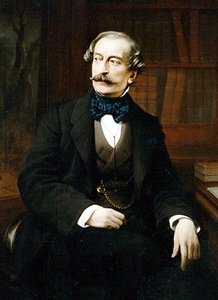
マッシモ・タパレッリ・ダゼリオ
1798 - 1866 , イタリア
基本情報
- Artistic Movement Or Style: ロマン主義
- Artists Who Influenced This Artist: ['アレッサンドロ・マンゾーニ']
- Date Of Birth: 1798年10月24日
- Date Of Death: 1866年1月15日
- Full Name: マッシモ・タパレッリ・ダゼリオ
- Nationality: イタリア
- Notable Artworks:
- アルバン丘陵の森と空き地
- バーレッタの決闘
- Place Of Birth: イタリア、トリノ
関連記事
パリ・オルセー美術館の至宝25選:印象派とポスト印象派の名作を巡る旅 | ArtsDot
パリ・オルセー美術館の至宝25選。モネ、デガ、ゴッホ…印象派とポスト印象派の名作を紐解き、その感動的な物語と色彩に触れる旅へ。ArtsDotで高品質な複製画やアートプリントを見つけ、お部屋に名画の輝きを。今すぐコレクションをご覧ください。

Massimo Vignelli: A Legacy of Modernist Clarity in Graphic Design & Visual Communication
Explore the enduring impact of Massimo Vignelli's modernist design philosophy. Discover his iconic works, key principles, and lasting legacy in graphic design & corporate identity. Learn from a true master.
Andrea del Sarto: Florentine Grace, Technical Mastery & Artistic Ambition
Explore the life & art of Andrea del Sarto, a Florentine Renaissance master renowned for harmonious compositions & technical brilliance. Discover his frescoes, portraits, and lasting influence on art history.

Beatrice Parsons: A Study in Abstract Expressionism & the Poetics of Color Field Painting
Explore the captivating world of Beatrice Parsons, a pioneering British abstract expressionist. Discover her journey from garden watercolors to evocative color field paintings and learn about her place within art history.
Eugène Carrière: The 'Peintre d'Âme' & Symbolist Portraiture’s Intimate Vision
Explore the haunting world of Eugène Carrière, a pivotal French Symbolist artist known for his deeply intimate portraits & 'peinture d'âme'. Discover his life, style, and lasting influence on modern masters like Picasso. Shop high-quality reproductions at ArtsDot.

