

 プレビュー
プレビュー
 プリントを購入
 シェアする
シェアする シェアする
シェアする
 詳細を見る
詳細を見る

 ダウンロード
 似ている作品
 X線調査
X線調査 スライドショー
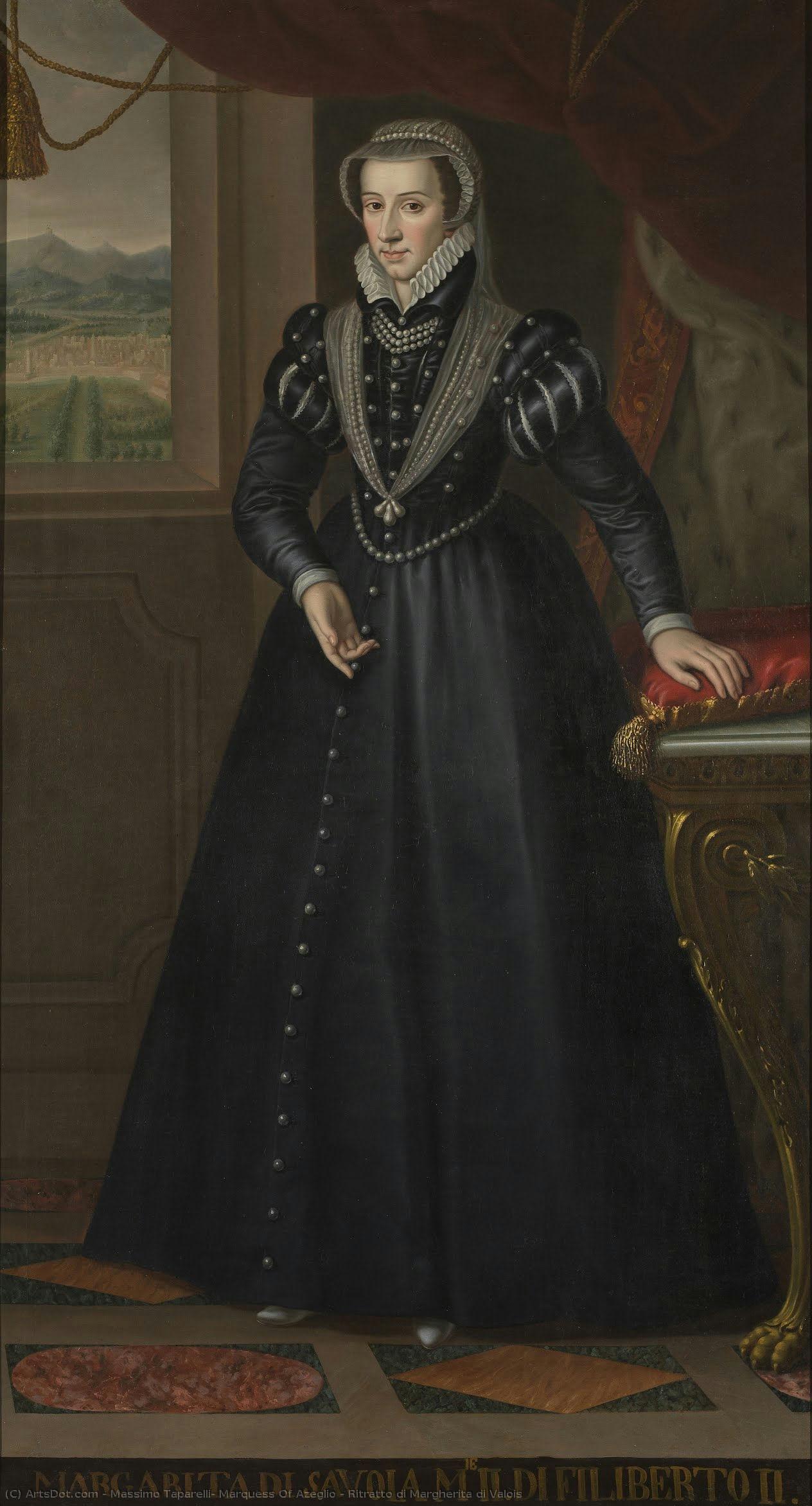
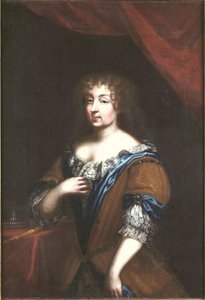
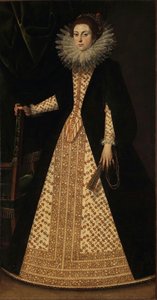
Ritratto di Margherita di Valois
 Acrylic On Canvas
- WallArt
- Baroque Classicism
 1600
1600 120.0 x 201.0 cm
 ヴェナリア宮殿
 詳細を見る
詳細を見る
オンラインプレビューをはるかに凌ぐ、高解像度で鮮明なデジタル画像をご購入いただけます。
各ファイルは、社内の専門家が高度なツールと熟練した手作業によるレタッチを用いて、細心の注意を払って準備されています。すべての画像において、卓越した鮮明度、正確な色彩再現性、そして繊細なディテールを保証いたします。
最終ファイルは、プロフェッショナルな編集・印刷環境ですぐにご利用いただけるよう最適化された状態で、72時間以内にメールにてお届けいたします。これは、一流のデザインスタジオ、出版社、ギャラリーから信頼されているものと同等の品質です。
デジタル画像のご注文に付随する特典
高品質なデジタル画像配信を、確かな品質で。
ArtsDot.com を選ぶことは、単に画像を手に入れることではありません。それは、プロの手によって精密に仕上げられ、満足保証が付いた高品質なデジタルアートワークを受け取ることを意味します。ご注文いただいた際に自動的に付随する内容は、以下の通りです:

メールですぐにお届け
ご注文から72時間以内に、高解像度のデジタル画像ファイルがメールでお手元に届きます。すぐにそのままご利用いただけます。

AI技術で最適化されたデジタルファイル
お客様の作品は、高度なAIツールと専門家による手作業の編集を組み合わせてプロフェッショナルに最適化されており、細部のディテール、鮮明さ、そして正確な色再現性を最大限に引き出しています。

一生涯無料の再送サービス
ファイルを誤って削除したり、紛失してしまったりしましたか?ご安心ください。いつでも無料で再送いたします。

輸入手数料は一切かかりません
関税や手数料、配送料を気にすることなく、お気に入りのアートワークをすぐにお楽しみいただけます。デジタルダウンロードは常に免税です。

色彩再現の保証
プロ仕様のツールとカラーマネジメント技術を用いることで、デジタル画像が元の色を最大限に忠実に再現することを保証いたします。

60日間満足保証
ご購入いただいたデジタル画像にご満足いただけない場合は、60日以内であれば、修正または100%の返金(理由を問う必要はありません)をさせていただきます。

100% 返金保証
ご満足いただけない場合は、デジタルファイルを受け取ってから60日以内であれば、理由を問わず全額返金いたします。

まとめ買い割引
3枚購入で10%OFF - 5枚購入で15%OFF - 10枚以上購入で20%OFF。クリエイティブなプロジェクト、ギャラリー、エージェンシーに最適です。
A Portrait Steeped in Elegance and Intrigue: Ritratto di Margherita di Valois
The painting “Ritratto di Margherita di Valois,” executed by Massimo Taparelli d’Azeglio in 1600, transcends mere representation; it embodies the spirit of Renaissance Florence and whispers tales of aristocratic ambition and refined beauty. More than just a likeness of Margherita Gonzaga, Duchess of Mantua—a prominent figure in Italian politics during her time—the portrait is a masterful demonstration of artistic skill and symbolic layering that continues to captivate viewers centuries later.The Artist’s Vision: Taparelli d'Azeglio’s Technique
Massimo Taparelli d’Azeglio, born in Turin in 1798, possessed an uncommon blend of intellectual curiosity and artistic talent. Despite familial pressures favoring a conventional career path, he pursued his passion for painting with unwavering dedication. His training under Martin Verstappen instilled in him the principles of chiaroscuro—the dramatic interplay between light and shadow—a technique that is exquisitely employed throughout “Ritratto di Margherita.” Taparelli’s meticulous brushstrokes capture not only the physical features of Margherita but also convey a palpable sense of her inner composure, achieved through subtle gradations of color and masterful blending. The artist skillfully utilized oil paints on canvas, creating a luminous surface that reflects the elegance of the era.Historical Context: Mantuan Aristocracy and Renaissance Ideals
The painting’s subject matter—Margherita Gonzaga—was positioned at the epicenter of Florentine aristocratic society during the early 17th century. Margherita represented the pinnacle of noble femininity, embodying virtues prized by humanist thinkers – piety, prudence, and grace. The portrait reflects the broader artistic currents of the Renaissance, where artists sought to depict human subjects with psychological depth and realism. Furthermore, it aligns with the prevailing fascination for portraying idealized beauty—a characteristic that distinguishes this artwork from earlier portraits focused solely on formal dignity. The Gonzaga family’s influence extended beyond Mantua, shaping political alliances and cultural patronage throughout Italy.Symbolism Within the Frame: Details That Speak Volumes
Beyond Margherita's serene gaze and delicately rendered attire lies a wealth of symbolic detail. The crimson cloth draped over the table serves as a visual reminder of royal authority and nobility—a deliberate choice reflecting the Duchess’s status within Mantuan society. The clock hanging on the wall symbolizes time passing, subtly hinting at the ephemeral nature of earthly existence – a common theme in Renaissance art. Even the positioning of Margherita herself—seated upright with her hands clasped gracefully—suggests inner strength and dignity, mirroring the humanist ideals that underpinned the artistic movement. The subtle inclusion of these elements elevates the portrait beyond a simple depiction of appearance, transforming it into a meditation on human character and spiritual contemplation.Emotional Resonance: Capturing Inner Grace
“Ritratto di Margherita di Valois” succeeds in conveying an extraordinary emotional resonance. Taparelli’s masterful use of chiaroscuro creates a captivating visual experience that draws the viewer inward—encouraging reflection on themes of beauty, virtue, and nobility. The portrait captures not just Margherita's physical likeness but also her inner spirit—a quiet confidence tempered by grace and compassion. It speaks to the enduring fascination with portraying human emotion through art, demonstrating how skillfully crafted images can transcend time and continue to inspire awe and admiration. This artwork remains a testament to the power of Renaissance artistry to illuminate both the outward appearance and the profound depths of human experience.関連作品
![Legend Of St Francis - [18] - Apparition At Arles — ジョット, Proto-renaissance](/media/artworks/images-thumb/79/1c/791c45725458c47701a241d551e6298f.jpg)
作家の略歴
マッシモ・タパレッリ・ダゼリオ:政治、文学、そして芸術が織りなす生涯
- 生誕:イタリア、トリノ(1798年)
- 没年:1866年
マッシモ・タパレッリ・ダゼリオ、一般にマッシモ・ダゼリオとして知られるこの人物は、19世紀イタリアにおける極めて稀有な存在でした。彼はピエモンテ・イタリアの政治家、小説家、そして画家としてその才能を発揮し、激動する時代の複雑な精神を体現していました。ナポレオン時代からイタリア統一へと向かう重要な政治的変遷の渦中に身を置き、多岐にわたる分野での貢献を通じて、イタリア史に消えることのない足跡を残したのです。
幼少期と芸術への探求
1798年、トリノの貴族的なピエモンテの家系に生まれたマッシモ・ダゼリオの若き日々は、特権的な環境と、芽生えつつあった芸術的感性の両方によって形作られました。短期間の軍務を終えた後、彼は保守的な家族の期待に背き、自らを絵画の世界へと捧げる道を選びました。ローマで数年間を過ごした彼は、マルティン・フェルスタッペンに師事し、ローマの風景の中に深く没入していきました。初期の作品には、細部まで緻密に描き出す18世紀的な様式の名残が見られ、それは「アルバン丘陵の森と空き地」といった風景画にも鮮明に表れています。やがてダゼリオは、自らの芸術に愛国心を吹き込もうと試み、「モンモランシーの死」に見られるような歴史的場面や英雄的な物語の探求へと向かいました。画家として一定の評価を得たものの、彼の情熱は次第に文学の領域へと移り変わっていくことになります。
文学への貢献と政治的覚醒
ダゼリオの文学的キャリアが本格的に動き出したのは、ミラノへの移住後でした。彼はミラノの活気あふれる知識人層の一員となり、高名な小説家アレッサンドロ・マンゾーニの娘、キアラ・マンゾーニと結ばれます。師とも仰いだマンゾーニに触発され、ダゼリオは『ニコロ・デイ・ラピ』(1833年)や『エットレ・フィエラモスカ』(1841年)といった二つの歴史小説を執筆しました。ウォルター・スコットの手法を模したこれらの作品は、イタリア人の愛国心を呼び起こし、外国の支配に対する抵抗の闘いを浮き彫りにすることを目指していました。また、従兄弟であるチェーザレ・バルボの有力な著作『イタリアの希望について』を通じて、彼の政治的意識はさらに深まりました。これがきっかけとなり、彼は政治の世界へと積極的に身を投じ、『ロマーニャの最新事例について』(1846年)などのパンフレットを執筆し、イタリア国家運動におけるピエモンテの指導権を提唱していったのです。
首相としての歩みと政治改革
1840年代の政治的混乱は、ダゼリオを時代の表舞台へと押し上げました。カルロ・アルベルトの退位後、彼は1849年にサルデーニャ王国の首相に就任します。その在任期間は、現実的な指導力と議会制度の確立に向けた献身によって特徴づけられました。彼は国王ヴィットーリオ・エマヌエーレ2世から憲法上の役割への承認を取り付け、オーストリアとの和平条約を交渉しました。さらにダゼリオは、信教の自由や公教育への支援、そして聖職者の権限抑制といった重要な改革を断行しました。また、彼は新進気鋭の政治家カミッロ・カヴールの才能を見抜き、1850年には彼を閣僚として迎え入れました。しかし、政策を巡る意見の相違により、1852年にダゼリオは辞任を余儀なくされ、これが後のカヴールの台頭への道筋を作ることとなりました。
遺産と歴史的意義
政治の表舞台から退いた後も、マッシモ・ダゼリオはイタリア政治における重要人物であり続けました。彼はバチカンと新しく統一されたイタリア王国との和解を求め続け、その情熱を失うことはありませんでした。政治家、小説家、そして画家としての彼の貢献は、イタリア史における地位を揺るぎないものにしました。ダゼリオが示した政治改革への穏健なアプローチと憲法原則への忠誠は、イタリア統一の基礎を築く一助となりました。文学作品は国民的アイデンティティを育み、一方で芸術活動はピエモンテにおけるロマン主義的な風景画の先駆的な探求を示しました。没後に出版された回想録『私の思い出』は、19世紀イタリアの政治と社会が抱えていた複雑な様相を理解するための、極めて貴重な洞察を与えてくれています。
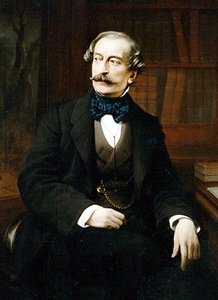
マッシモ・タパレッリ・ダゼリオ
1798 - 1866 , イタリア
プロフィール概要
- Artistic Movement Or Style: ロマン主義
- Artists Who Influenced This Artist: ['アレッサンドロ・マンゾーニ']
- Date Of Birth: 1798年10月24日
- Date Of Death: 1866年1月15日
- Full Name: マッシモ・タパレッリ・ダゼリオ
- Nationality: イタリア
- Notable Artworks:
- アルバン丘陵の森と空き地
- バーレッタの決闘
- Place Of Birth: イタリア、トリノ

