

 プレビュー
プレビュー
 シェアする
シェアする シェアする
シェアする
 詳細を見る
詳細を見る

 ダウンロード
 似ている作品
 X線調査
X線調査 スライドショー
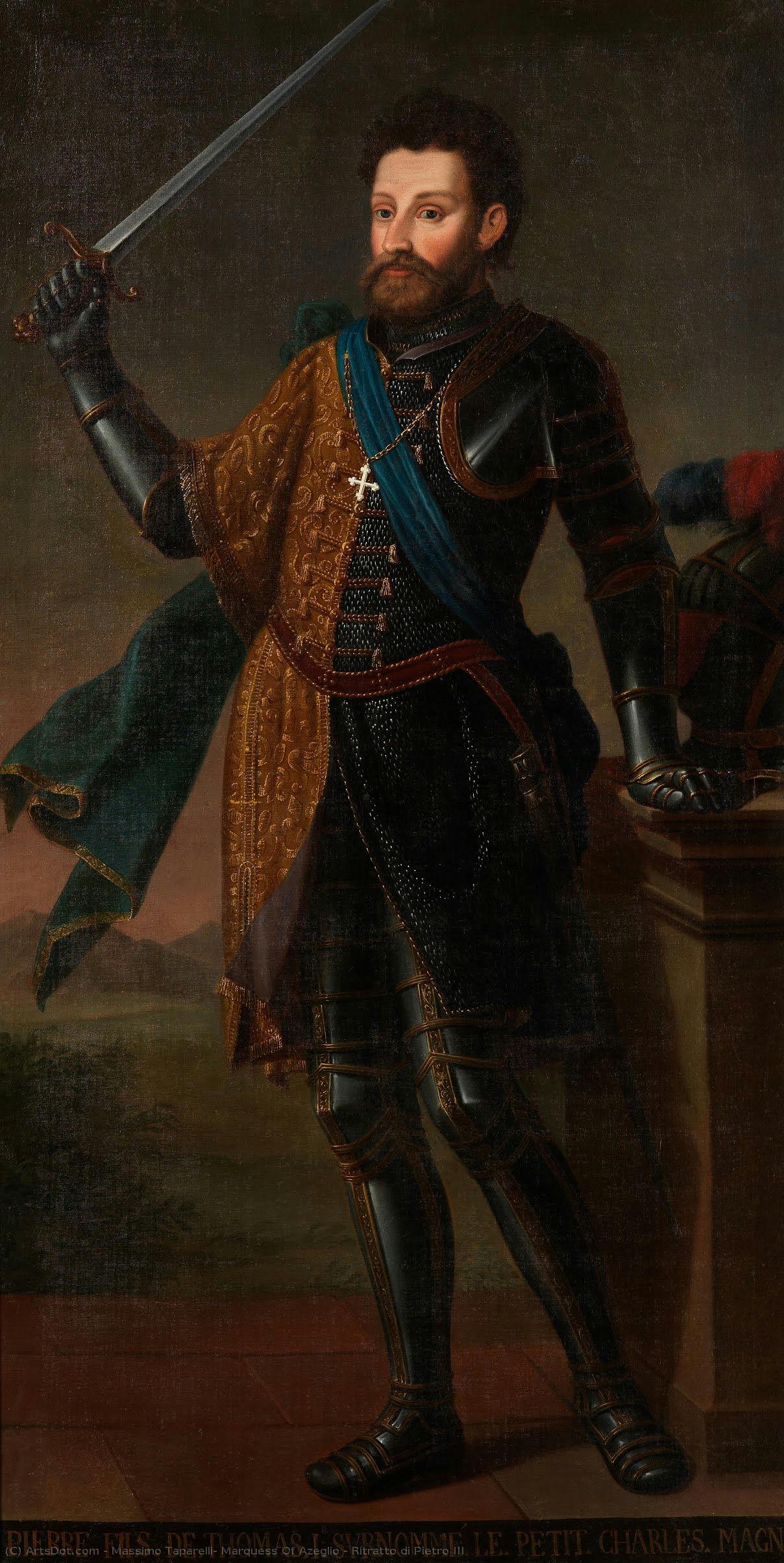
Ritratto di Pietro III
 Acrylic On Canvas
- WallArt
- Neoclassicism
 1700
1700 117.0 x 202.0 cm
 ヴェナリア宮殿
 詳細を見る
詳細を見る
ジークレー/アートプリント
迅速な制作と多彩な仕上げオプションを備えた、ミュージアムクオリティのジークレーまたはキャンバスプリント。 ( 手描きの絵画を購入 画像を購入)




P118B $10

P118H $10

P118W $10

P438Z $10

P508JH $12

P508YH $12

P805H $10

P805Z $10

P919BZ $10

P919G $10

P919XJ $10

P959ZH $10

P968JZ $12

W106C $8

W218G $10

W218JH $8

W218Y $10

W307PJ $10

W316G $10

W316PJ $8

W316Y $10

W398PJ $8

W4111J $10

W500HY $15

W500JH $15

W692G $12

W849H $8

W940BG $15

W953PJ $8




作品のオリジナル比率に合わせた、当店の規定サイズからお選びください。

特定のフレームやスペースに合わせて、ご自身でサイズを指定することも可能です。選択されたサイズが元の画像の比率と一致しない場合、作品をトリミングするか、鏡面反射または単色での塗りつぶしによって画像を拡張いたします。制作を開始する前に、ご確認用のデジタルモックアップをお送りいたします。
画面上のプレビューには、実際のトリミングや拡張は反映されませんのでご注意ください。最終的な構図を正確に確認できるのは、モックアップのみとなります。
カスタムサイズも承っておりますが、元の比率を維持するためには、あらかじめ用意されたリストからサイズを選択することをお勧めいたします。


 ガラスオプションは、110cm未満のサイズでのみご利用いただけます。

Ritratto di Pietro III
ジークレー/アートプリント
複製画のサイズ
-


合計金額
$ 62
The Weight of Authority: Massimo Taparelli’s ‘Ritratto di Pietro III’
Massimo Taparelli d'Azeglio’s “Ritratto di Pietro III” isn’t merely a portrait; it’s a carefully constructed meditation on power, duty, and the quiet melancholy inherent in leadership. Painted around 1700 during the height of the Baroque period, this oil-on-canvas work transcends the simple depiction of a monarch, offering instead a profound psychological study of a man grappling with the burdens of his station. The painting immediately draws the eye to Pietro III’s imposing figure – clad in the rich, dark fabrics and gleaming armor of a medieval king, he embodies both strength and vulnerability.
- Composition: The composition is deliberately restrained, emphasizing the central figure within a relatively uncluttered space. The placement of the crown subtly suggests a weight of responsibility, while the sword held aloft isn’t an instrument of aggression but rather a symbol of protection and authority – a constant reminder of his role as protector of his realm.
- Color Palette: The dominant colors—deep blues, browns, and golds—evoke a sense of solemnity and gravitas. The use of chiaroscuro (the dramatic contrast between light and shadow) further accentuates the figure’s form, lending him an almost sculptural quality and hinting at the internal struggles he might be concealing.
A Renaissance Master's Portraiture: Taparelli’s Technique
Taparelli d'Azeglio was a multifaceted artist – a painter, novelist, and statesman – and his skill is evident in every brushstroke of “Ritratto di Pietro III.” He demonstrates a remarkable understanding of anatomy, capturing the musculature and posture with impressive realism. However, it’s not simply anatomical accuracy that defines his style; he imbues the portrait with an emotional depth rarely found in royal depictions of the era. Notice how the subtle furrowing of Pietro's brow suggests a thoughtful contemplation, perhaps even a weariness born from years of governance.
- Brushwork: The brushstrokes are generally smooth and controlled, contributing to the painting’s polished appearance. Yet, there’s also an underlying sense of texture – particularly in the armor—that adds visual interest and prevents the portrait from feeling overly static.
- Lighting: The light source appears to originate from the upper left, casting dramatic shadows across Pietro's face and highlighting his features. This strategic use of lighting not only enhances the figure’s form but also contributes to the overall mood of introspection.
Symbolism and Historical Context
“Ritratto di Pietro III” is steeped in symbolism, reflecting the political and social climate of 18th-century Italy. The portrait speaks to the complexities of leadership during a period marked by shifting alliances, dynastic struggles, and the rise of centralized power. The inclusion of the two figures in the background—a gentleman on the right and a figure further back on the left—adds layers of intrigue. They could represent advisors, courtiers, or perhaps even the anxieties of a ruler surrounded by competing interests. The chair positioned near the center suggests a formal setting, possibly a royal audience or a moment of private reflection.
The painting’s date (1700) places it within the Baroque period, characterized by its dramatic use of light and shadow, opulent ornamentation, and emphasis on emotional intensity. It also reflects the growing interest in portraiture as a means of documenting individual identity and status during this era.A Legacy of Regal Melancholy
“Ritratto di Pietro III” is more than just a likeness; it’s a poignant portrayal of a man burdened by responsibility. The painting's enduring appeal lies in its ability to evoke a sense of quiet contemplation and the unspoken anxieties that often accompany positions of power. It invites viewers to consider not only the outward appearance of authority but also the inner world of those who wield it. Reproductions of this work, particularly in high-quality formats, offer a captivating glimpse into the artistic sensibilities of a pivotal era and a timeless exploration of human nature.
関連作品
アーティストの略歴
マッシモ・タパレッリ・ダゼリオ:政治、文学、そして芸術が織りなす生涯
- 生誕:イタリア、トリノ(1798年)
- 没年:1866年
マッシモ・タパレッリ・ダゼリオ、一般にマッシモ・ダゼリオとして知られるこの人物は、19世紀イタリアにおける極めて稀有な存在でした。彼はピエモンテ・イタリアの政治家、小説家、そして画家としてその才能を発揮し、激動する時代の複雑な精神を体現していました。ナポレオン時代からイタリア統一へと向かう重要な政治的変遷の渦中に身を置き、多岐にわたる分野での貢献を通じて、イタリア史に消えることのない足跡を残したのです。
幼少期と芸術への探求
1798年、トリノの貴族的なピエモンテの家系に生まれたマッシモ・ダゼリオの若き日々は、特権的な環境と、芽生えつつあった芸術的感性の両方によって形作られました。短期間の軍務を終えた後、彼は保守的な家族の期待に背き、自らを絵画の世界へと捧げる道を選びました。ローマで数年間を過ごした彼は、マルティン・フェルスタッペンに師事し、ローマの風景の中に深く没入していきました。初期の作品には、細部まで緻密に描き出す18世紀的な様式の名残が見られ、それは「アルバン丘陵の森と空き地」といった風景画にも鮮明に表れています。やがてダゼリオは、自らの芸術に愛国心を吹き込もうと試み、「モンモランシーの死」に見られるような歴史的場面や英雄的な物語の探求へと向かいました。画家として一定の評価を得たものの、彼の情熱は次第に文学の領域へと移り変わっていくことになります。
文学への貢献と政治的覚醒
ダゼリオの文学的キャリアが本格的に動き出したのは、ミラノへの移住後でした。彼はミラノの活気あふれる知識人層の一員となり、高名な小説家アレッサンドロ・マンゾーニの娘、キアラ・マンゾーニと結ばれます。師とも仰いだマンゾーニに触発され、ダゼリオは『ニコロ・デイ・ラピ』(1833年)や『エットレ・フィエラモスカ』(1841年)といった二つの歴史小説を執筆しました。ウォルター・スコットの手法を模したこれらの作品は、イタリア人の愛国心を呼び起こし、外国の支配に対する抵抗の闘いを浮き彫りにすることを目指していました。また、従兄弟であるチェーザレ・バルボの有力な著作『イタリアの希望について』を通じて、彼の政治的意識はさらに深まりました。これがきっかけとなり、彼は政治の世界へと積極的に身を投じ、『ロマーニャの最新事例について』(1846年)などのパンフレットを執筆し、イタリア国家運動におけるピエモンテの指導権を提唱していったのです。
首相としての歩みと政治改革
1840年代の政治的混乱は、ダゼリオを時代の表舞台へと押し上げました。カルロ・アルベルトの退位後、彼は1849年にサルデーニャ王国の首相に就任します。その在任期間は、現実的な指導力と議会制度の確立に向けた献身によって特徴づけられました。彼は国王ヴィットーリオ・エマヌエーレ2世から憲法上の役割への承認を取り付け、オーストリアとの和平条約を交渉しました。さらにダゼリオは、信教の自由や公教育への支援、そして聖職者の権限抑制といった重要な改革を断行しました。また、彼は新進気鋭の政治家カミッロ・カヴールの才能を見抜き、1850年には彼を閣僚として迎え入れました。しかし、政策を巡る意見の相違により、1852年にダゼリオは辞任を余儀なくされ、これが後のカヴールの台頭への道筋を作ることとなりました。
遺産と歴史的意義
政治の表舞台から退いた後も、マッシモ・ダゼリオはイタリア政治における重要人物であり続けました。彼はバチカンと新しく統一されたイタリア王国との和解を求め続け、その情熱を失うことはありませんでした。政治家、小説家、そして画家としての彼の貢献は、イタリア史における地位を揺るぎないものにしました。ダゼリオが示した政治改革への穏健なアプローチと憲法原則への忠誠は、イタリア統一の基礎を築く一助となりました。文学作品は国民的アイデンティティを育み、一方で芸術活動はピエモンテにおけるロマン主義的な風景画の先駆的な探求を示しました。没後に出版された回想録『私の思い出』は、19世紀イタリアの政治と社会が抱えていた複雑な様相を理解するための、極めて貴重な洞察を与えてくれています。
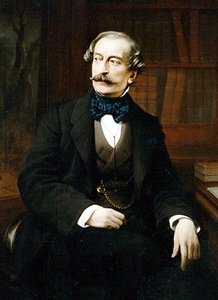
マッシモ・タパレッリ・ダゼリオ
1798 - 1866 , イタリア
基本情報
- Artistic Movement Or Style: ロマン主義
- Artists Who Influenced This Artist: ['アレッサンドロ・マンゾーニ']
- Date Of Birth: 1798年10月24日
- Date Of Death: 1866年1月15日
- Full Name: マッシモ・タパレッリ・ダゼリオ
- Nationality: イタリア
- Notable Artworks:
- アルバン丘陵の森と空き地
- バーレッタの決闘
- Place Of Birth: イタリア、トリノ
関連記事
High Medieval Art: 10 Masterpieces That Shaped an Era | ArtsDot
Journey through High Medieval Art! Explore 10 iconic masterpieces – from Giotto's frescoes to stunning Gothic cathedrals. Discover the stories behind these timeless paintings, sculptures & illuminated manuscripts. Find museum-quality art reproductions at ArtsDot.com.
Late Medieval Masterpieces: 10 Artworks That Defined an Era | ArtsDot
Journey through 10 defining Late Medieval masterpieces – from Giotto's frescoes to Jan van Eyck’s realism. Explore the stories, techniques & vibrant colors of Gothic art. Find museum-quality reproductions and elevate your home decor with ArtsDot.com! Discover all masterpieces on ArtsDot.com
パリ・オルセー美術館の至宝25選:印象派とポスト印象派の名作を巡る旅 | ArtsDot
パリ・オルセー美術館の至宝25選。モネ、デガ、ゴッホ…印象派とポスト印象派の名作を紐解き、その感動的な物語と色彩に触れる旅へ。ArtsDotで高品質な複製画やアートプリントを見つけ、お部屋に名画の輝きを。今すぐコレクションをご覧ください。
Early Medieval Art: 10 Masterpieces That Shaped a New World | ArtsDot
Journey through 10 stunning Early Medieval masterpieces – from the Book of Kells to Carolingian mosaics. Explore art history, symbolism & find museum-quality reproductions for your home at ArtsDot.com. Discover all masterpieces online!
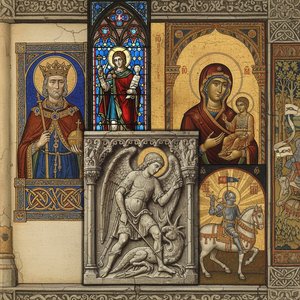
Illuminating Faith & Power: A Journey Through Medieval Art (c. 500 – c. 1500)
Explore the rich history of Medieval Art (c. 500 – c. 1500) with ArtsDot. Discover Byzantine mosaics, Gothic cathedrals & Renaissance masterpieces. Expert insights & museum-quality reproductions.

