

 プレビュー
プレビュー
 シェアする
シェアする シェアする
シェアする
 詳細を見る
詳細を見る

 ダウンロード
 似ている作品
 X線調査
X線調査 スライドショー
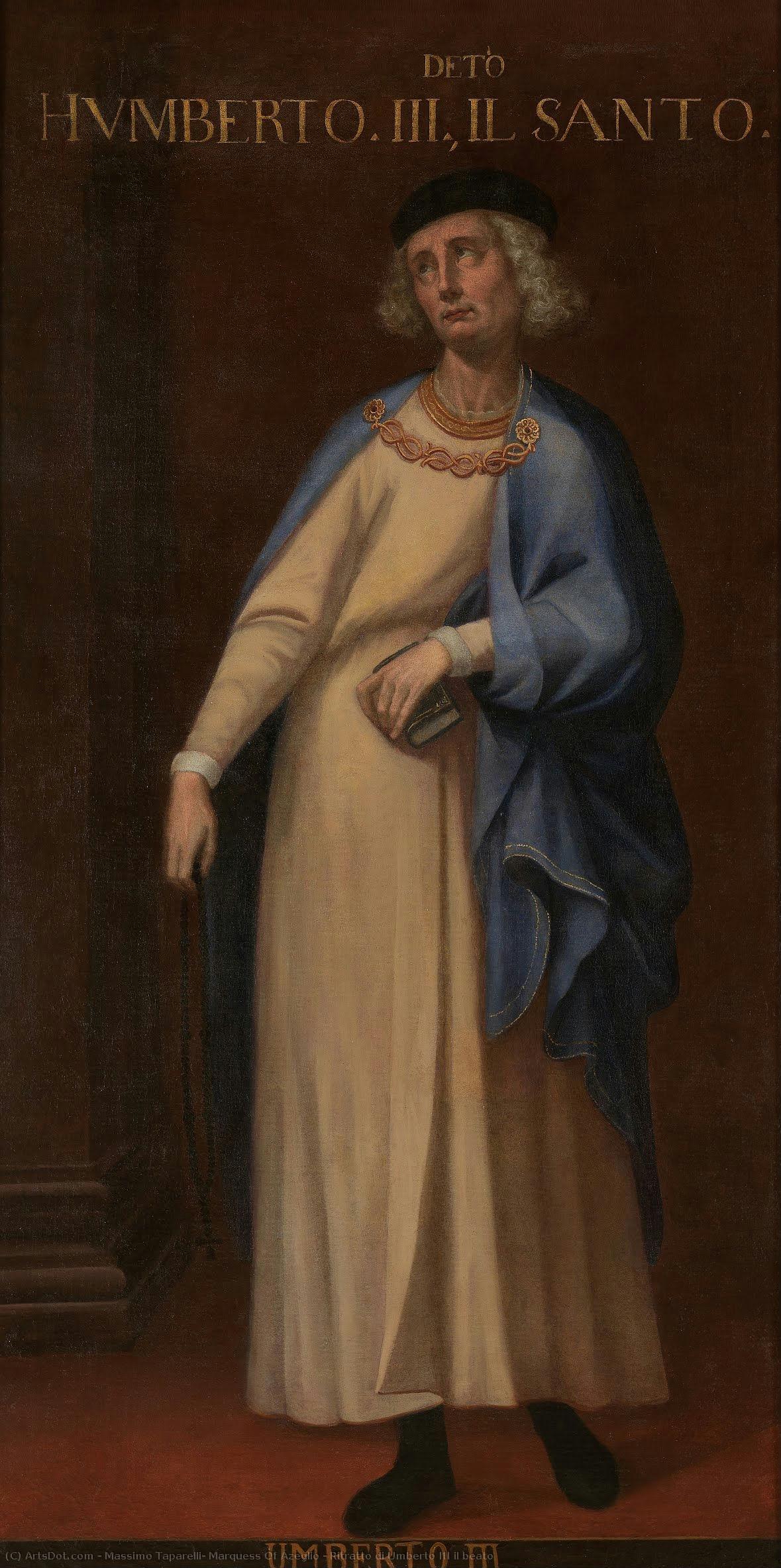
Ritratto di Umberto III il beato
 Acrylic On Canvas
- WallArt
- Baroque Painting
 1700
1700 117.0 x 202.0 cm
 ヴェナリア宮殿
 詳細を見る
詳細を見る
ジークレー/アートプリント
迅速な制作と多彩な仕上げオプションを備えた、ミュージアムクオリティのジークレーまたはキャンバスプリント。 ( 手描きの絵画を購入 画像を購入)




P118B $10

P118H $10

P118W $10

P438Z $10

P508JH $12

P508YH $12

P805H $10

P805Z $10

P919BZ $10

P919G $10

P919XJ $10

P959ZH $10

P968JZ $12

W106C $8

W218G $10

W218JH $8

W218Y $10

W307PJ $10

W316G $10

W316PJ $8

W316Y $10

W398PJ $8

W4111J $10

W500HY $15

W500JH $15

W692G $12

W849H $8

W940BG $15

W953PJ $8




作品のオリジナル比率に合わせた、当店の規定サイズからお選びください。

特定のフレームやスペースに合わせて、ご自身でサイズを指定することも可能です。選択されたサイズが元の画像の比率と一致しない場合、作品をトリミングするか、鏡面反射または単色での塗りつぶしによって画像を拡張いたします。制作を開始する前に、ご確認用のデジタルモックアップをお送りいたします。
画面上のプレビューには、実際のトリミングや拡張は反映されませんのでご注意ください。最終的な構図を正確に確認できるのは、モックアップのみとなります。
カスタムサイズも承っておりますが、元の比率を維持するためには、あらかじめ用意されたリストからサイズを選択することをお勧めいたします。


 ガラスオプションは、110cm未満のサイズでのみご利用いただけます。

Ritratto di Umberto III il beato
ジークレー/アートプリント
複製画のサイズ
-


合計金額
$ 62
Ritratto di Umberto III il Beato: A Window into Piedmontese Grandeur
Massimo Taparelli d’Azeglio’s “Ritratto di Umberto III il Beato” – or, as it’s often referred to, “Portrait of Blessed Humbert III” – is more than just a likeness; it's a meticulously crafted window into the political and artistic landscape of 18th-century Piedmont. Painted around 1700, this oil on canvas work resides within the collection of La Venaria Reale, a magnificent royal palace near Turin, Italy, and offers a rare glimpse into the aspirations and sensibilities of a region poised to become a cornerstone of modern Italy. The painting depicts Humbert III, the Prince of Piedmont, not as a warrior or conqueror – a common subject in portraiture of the era – but as a figure imbued with quiet dignity and contemplative grace.
Taparelli’s style is distinctly Baroque, reflecting the artistic currents prevalent throughout Europe at the time. He masterfully employs chiaroscuro—the dramatic interplay of light and shadow—to sculpt the Prince's form and imbue the scene with a sense of depth and realism. Note the subtle gradations in tone, particularly around the folds of his robe and the delicate rendering of his hands resting upon his lap. The artist’s attention to detail is remarkable; from the intricate embroidery on the garment to the texture of the velvet, every element contributes to a palpable sense of luxury and refinement. The background, rendered with atmospheric perspective, subtly suggests the grandeur of the Prince's court – a vast, shadowed space hinting at wealth and power.
Symbolism and Political Context
Beyond its technical brilliance, “Ritratto di Umberto III il Beato” is deeply embedded within the political context of Piedmont. The portrait was commissioned during a period of significant change and ambition for the region, as it sought to assert itself as a leading force in Italy. Humbert III, though not a particularly prominent figure historically, became a symbol of Piedmontese identity – a representation of stability, wisdom, and the potential for greatness. The pose itself—seated, composed, and looking downward—conveys an air of authority and introspection, suggesting a ruler deeply engaged with his responsibilities.
Furthermore, the painting’s creation coincided with the rise of the Baroque style in Italy, which was closely linked to the Counter-Reformation. The emphasis on religious iconography and moral virtue – evident in Humbert III's serene expression – reflects this broader cultural shift. The portrait served not only as a visual representation of the Prince but also as a subtle assertion of Piedmont’s commitment to traditional values and its role within the wider European order.
A Masterpiece of Light and Emotion
What truly elevates “Ritratto di Umberto III il Beato” is its ability to evoke a profound sense of emotion. Despite the formality of the subject matter, Taparelli captures something deeply human – a quiet dignity, a hint of melancholy, and an underlying strength. The subtle curve of the Prince’s lips, the gentle slope of his brow, all contribute to a portrait that transcends mere likeness and becomes a powerful meditation on human nature. The soft lighting creates a warm, inviting atmosphere, drawing the viewer into the scene and fostering a sense of connection with the subject.
Reproductions of this work offer an exceptional opportunity to bring thiso remarkable piece of Italian art into your home or office. The rich colors, intricate details, and evocative symbolism will undoubtedly add a touch of elegance and sophistication to any space. Consider it not just as a painting, but as a tangible link to the history and artistic heritage of Piedmont – a testament to the enduring power of beauty and human expression.
Technical Details & Reproduction Considerations
The original “Ritratto di Umberto III il Beato” measures 117 x 202 cm (approximately 46 x 80 inches) and was created using oil paints on canvas. It’s a prime example of the Baroque style, characterized by its dramatic use of light and shadow, rich colors, and meticulous attention to detail. When commissioning a reproduction, it's crucial to select a high-quality print that accurately captures the painting’s original textures and tonal range. ArtsDot offers custom reproductions in various sizes, ensuring that you can enjoy this masterpiece in your own space.
The choice of size will significantly impact the overall effect. Larger reproductions will emphasize the painting's grandeur and detail, while smaller versions offer a more intimate viewing experience. We recommend consulting with an art specialist to determine the optimal size for your intended use – whether it’s for a formal living room or a personal study.
関連作品

アーティストの略歴
マッシモ・タパレッリ・ダゼリオ:政治、文学、そして芸術が織りなす生涯
- 生誕:イタリア、トリノ(1798年)
- 没年:1866年
マッシモ・タパレッリ・ダゼリオ、一般にマッシモ・ダゼリオとして知られるこの人物は、19世紀イタリアにおける極めて稀有な存在でした。彼はピエモンテ・イタリアの政治家、小説家、そして画家としてその才能を発揮し、激動する時代の複雑な精神を体現していました。ナポレオン時代からイタリア統一へと向かう重要な政治的変遷の渦中に身を置き、多岐にわたる分野での貢献を通じて、イタリア史に消えることのない足跡を残したのです。
幼少期と芸術への探求
1798年、トリノの貴族的なピエモンテの家系に生まれたマッシモ・ダゼリオの若き日々は、特権的な環境と、芽生えつつあった芸術的感性の両方によって形作られました。短期間の軍務を終えた後、彼は保守的な家族の期待に背き、自らを絵画の世界へと捧げる道を選びました。ローマで数年間を過ごした彼は、マルティン・フェルスタッペンに師事し、ローマの風景の中に深く没入していきました。初期の作品には、細部まで緻密に描き出す18世紀的な様式の名残が見られ、それは「アルバン丘陵の森と空き地」といった風景画にも鮮明に表れています。やがてダゼリオは、自らの芸術に愛国心を吹き込もうと試み、「モンモランシーの死」に見られるような歴史的場面や英雄的な物語の探求へと向かいました。画家として一定の評価を得たものの、彼の情熱は次第に文学の領域へと移り変わっていくことになります。
文学への貢献と政治的覚醒
ダゼリオの文学的キャリアが本格的に動き出したのは、ミラノへの移住後でした。彼はミラノの活気あふれる知識人層の一員となり、高名な小説家アレッサンドロ・マンゾーニの娘、キアラ・マンゾーニと結ばれます。師とも仰いだマンゾーニに触発され、ダゼリオは『ニコロ・デイ・ラピ』(1833年)や『エットレ・フィエラモスカ』(1841年)といった二つの歴史小説を執筆しました。ウォルター・スコットの手法を模したこれらの作品は、イタリア人の愛国心を呼び起こし、外国の支配に対する抵抗の闘いを浮き彫りにすることを目指していました。また、従兄弟であるチェーザレ・バルボの有力な著作『イタリアの希望について』を通じて、彼の政治的意識はさらに深まりました。これがきっかけとなり、彼は政治の世界へと積極的に身を投じ、『ロマーニャの最新事例について』(1846年)などのパンフレットを執筆し、イタリア国家運動におけるピエモンテの指導権を提唱していったのです。
首相としての歩みと政治改革
1840年代の政治的混乱は、ダゼリオを時代の表舞台へと押し上げました。カルロ・アルベルトの退位後、彼は1849年にサルデーニャ王国の首相に就任します。その在任期間は、現実的な指導力と議会制度の確立に向けた献身によって特徴づけられました。彼は国王ヴィットーリオ・エマヌエーレ2世から憲法上の役割への承認を取り付け、オーストリアとの和平条約を交渉しました。さらにダゼリオは、信教の自由や公教育への支援、そして聖職者の権限抑制といった重要な改革を断行しました。また、彼は新進気鋭の政治家カミッロ・カヴールの才能を見抜き、1850年には彼を閣僚として迎え入れました。しかし、政策を巡る意見の相違により、1852年にダゼリオは辞任を余儀なくされ、これが後のカヴールの台頭への道筋を作ることとなりました。
遺産と歴史的意義
政治の表舞台から退いた後も、マッシモ・ダゼリオはイタリア政治における重要人物であり続けました。彼はバチカンと新しく統一されたイタリア王国との和解を求め続け、その情熱を失うことはありませんでした。政治家、小説家、そして画家としての彼の貢献は、イタリア史における地位を揺るぎないものにしました。ダゼリオが示した政治改革への穏健なアプローチと憲法原則への忠誠は、イタリア統一の基礎を築く一助となりました。文学作品は国民的アイデンティティを育み、一方で芸術活動はピエモンテにおけるロマン主義的な風景画の先駆的な探求を示しました。没後に出版された回想録『私の思い出』は、19世紀イタリアの政治と社会が抱えていた複雑な様相を理解するための、極めて貴重な洞察を与えてくれています。
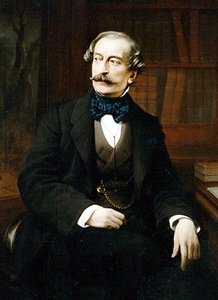
マッシモ・タパレッリ・ダゼリオ
1798 - 1866 , イタリア
基本情報
- Artistic Movement Or Style: ロマン主義
- Artists Who Influenced This Artist: ['アレッサンドロ・マンゾーニ']
- Date Of Birth: 1798年10月24日
- Date Of Death: 1866年1月15日
- Full Name: マッシモ・タパレッリ・ダゼリオ
- Nationality: イタリア
- Notable Artworks:
- アルバン丘陵の森と空き地
- バーレッタの決闘
- Place Of Birth: イタリア、トリノ
関連記事

バロックのドラマ:現代のインテリアに壮麗さと情感を取り込む
バロック様式の歴史、絵画、家具の魅力をご紹介。ArtsDotでは、高品質な油絵複製やカスタムポートレートをご提供し、現代のインテリアに壮麗さと情感を取り入れます。アートコンサルテーションも承ります。

バロック美術を極めた至宝:時代を彩る10大名作の世界
バロック美術の華!カラヴァッジョ、ベルニーニら巨匠が創り上げた10大名作を徹底解剖。ドラマチックな色彩と豪華絢爛の世界観に触れ、至宝のアートプリントで空間を彩ろう。ArtsDot.comで美術館品質の複製と洗練されたインテリアを見つけましょう!

The Enduring Power of Painting: A Historical & Contemporary Exploration of Form and Emotion
Explore the rich history & enduring techniques of oil painting with ArtsDot. Discover masterpieces, learn about art collecting, and find authentic handmade reproductions crafted by skilled artists.

The Visceral Stage: Exploring Dramatic Narratives & Emotional Intensity in Baroque Art
Explore the dramatic world of Baroque art! Discover iconic masters like Caravaggio & Rembrandt, their techniques, and the movement's lasting impact. Expert insights for collectors & enthusiasts at ArtsDot.

The Dramatic Flourish: Exploring the Baroque Movement's Enduring Legacy in Art History
Explore the dramatic world of Baroque art! Discover iconic artists like Caravaggio & Rubens, defining techniques, and its lasting impact on art history. Expert insights for collectors & enthusiasts at ArtsDot.

