

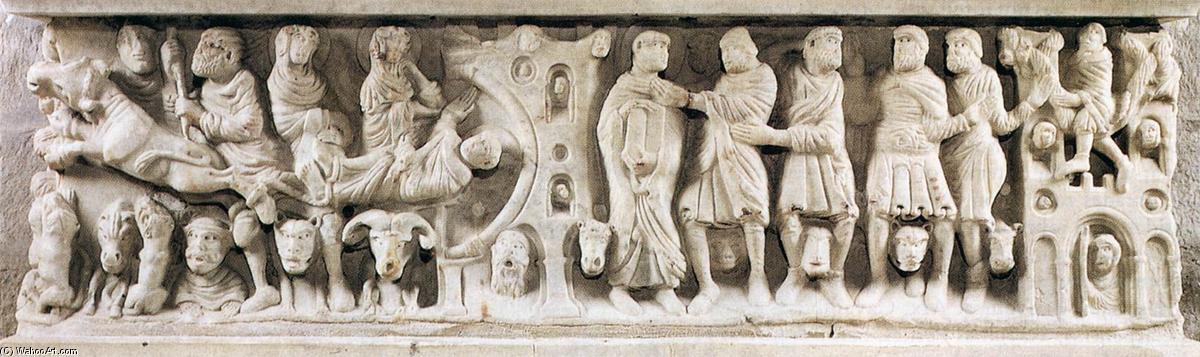
 プレビュー
プレビュー
 シェアする
シェアする シェアする
シェアする
 詳細を見る
詳細を見る

 ダウンロード
 似ている作品
 X線調査
X線調査 スライドショー
 統計情報
統計情報Martyrdom of St Saturninus of Toulouse

 詳細を見る
詳細を見る
オンラインプレビューをはるかに凌ぐ、高解像度で鮮明なデジタル画像をご購入いただけます。
各ファイルは、社内の専門家が高度なツールと熟練した手作業によるレタッチを用いて、細心の注意を払って準備されています。すべての画像において、卓越した鮮明度、正確な色彩再現性、そして繊細なディテールを保証いたします。
最終ファイルは、プロフェッショナルな編集・印刷環境ですぐにご利用いただけるよう最適化された状態で、72時間以内にメールにてお届けいたします。これは、一流のデザインスタジオ、出版社、ギャラリーから信頼されているものと同等の品質です。
デジタルアート
個人での鑑賞、印刷、クリエイティブなプロジェクト用に、高解像度ファイルをダウンロードできます。 ( プリント版に切り替え 手描きの絵画を購入)
デジタル画像のご注文に付随する特典
高品質なデジタル画像配信を、確かな品質で。
ArtsDot.com を選ぶことは、単に画像を手に入れることではありません。それは、プロの手によって精密に仕上げられ、満足保証が付いた高品質なデジタルアートワークを受け取ることを意味します。ご注文いただいた際に自動的に付随する内容は、以下の通りです:

メールですぐにお届け
ご注文から72時間以内に、高解像度のデジタル画像ファイルがメールでお手元に届きます。すぐにそのままご利用いただけます。

AI技術で最適化されたデジタルファイル
お客様の作品は、高度なAIツールと専門家による手作業の編集を組み合わせてプロフェッショナルに最適化されており、細部のディテール、鮮明さ、そして正確な色再現性を最大限に引き出しています。

一生涯無料の再送サービス
ファイルを誤って削除したり、紛失してしまったりしましたか?ご安心ください。いつでも無料で再送いたします。

輸入手数料は一切かかりません
関税や手数料、配送料を気にすることなく、お気に入りのアートワークをすぐにお楽しみいただけます。デジタルダウンロードは常に免税です。

色彩再現の保証
プロ仕様のツールとカラーマネジメント技術を用いることで、デジタル画像が元の色を最大限に忠実に再現することを保証いたします。

100日間満足保証
ご購入いただいたデジタル画像にご満足いただけない場合は、100日以内であれば、理由を問わず修正または100%の返金対応をさせていただきます。

100% 返金保証
ご満足いただけない場合は、デジタルファイルを受け取ってから100日以内であれば、理由を問わず全額返金いたします。

まとめ買い割引
3枚購入で10%OFF - 5枚購入で15%OFF - 10枚以上購入で20%OFF。クリエイティブなプロジェクト、ギャラリー、エージェンシーに最適です。
関連作品
作家の略歴
The Enigmatic Sculptor of Cabestany: A Romanesque Master
The twelfth century witnessed a flourishing of artistic expression across Europe, yet few sculptors remain as shrouded in mystery and intrigue as the artist known simply as the Master of Cabestany. Active roughly between 1130 and 1180, this anonymous Italian sculptor left an indelible mark on Romanesque art, his distinctive style gracing churches and monasteries from his native Italy to the sun-drenched landscapes of southern France and Spain. His very identity was lost to time until the 1930s, when a remarkable tympanum unearthed during renovations at the church of Notre-Dame in Cabestany, Pyrénées-Orientales, sparked scholarly investigation and revealed a previously unknown artistic voice.
A Workshop on Wheels: Geographic Reach and Artistic Consistency
What sets the Master of Cabestany apart is not merely the quality of his work—though that is undeniably exceptional—but also its surprisingly broad geographic distribution. Unlike many artists of the period who were tied to a specific location or patron, the Master appears to have been remarkably mobile, leading a workshop that traversed considerable distances. Sculptures attributed to him and his circle are found in Catalonia – at Sant Pere de Galligants in Girona, Sant Esteve d'En Bas, and notably, the fragmented portal of Sant Pere de Rodes – as well as throughout Roussillon (Ste Marie, Cabestany and Le Boulou), the Pays d’Aude (Saint-Papoul, Saint-Hilaire d'Aude, Lagrasse Abbey, and Rieux-Minervois), Tuscany (Sant'Antimo and S Giovanni, Sugana) and even Navarre (Errondo and Villaveta). This itinerant nature suggests a highly organized workshop capable of undertaking commissions across diverse regions. Despite the distances involved, a remarkable consistency in style binds these works together—a testament to the Master’s strong artistic vision and perhaps his direct involvement in overseeing key aspects of each project.
Distinctive Features: Narrative Power and Expressive Forms
The sculptures attributed to the Master are instantly recognizable for their unique characteristics. His figures, though often stocky and robust, possess an undeniable dynamism and expressive power. Large hands and heads with distinctive features—low triangular faces, crushed chins, deeply carved ears—convey a sense of intense emotion and spiritual fervor. Perhaps most striking is his masterful use of the drill, employed not merely for detailing but as a fundamental element in shaping form and creating dramatic effects of light and shadow. The Master’s compositions are often narrative friezes, inspired by ancient Roman sarcophagi, depicting biblical scenes with a continuous flow that invites viewers to engage with the stories unfolding before them. He favored themes centered around the life of the Virgin Mary and the infancy and passion of Christ, rendering these sacred subjects with both reverence and human vulnerability.
Influences and Legacy: Bridging Classical Antiquity and Romanesque Art
The Master of Cabestany did not emerge from a vacuum. His work reveals clear influences from earlier French Romanesque centers, such as Saint-Sernin in Toulouse, and the innovations coming out of Tuscany—particularly those of Master Guilielmus in Pisa. However, he was not simply a follower of existing traditions; rather, he synthesized these diverse elements into something entirely new. A key aspect of his artistry lies in his ability to draw inspiration from classical antiquity, repurposing motifs and compositional techniques from ancient Roman sarcophagi while imbuing them with the spiritual intensity characteristic of the Romanesque period. This fusion of classical form and medieval content contributed significantly to a regional style that emphasized narrative depth and sculptural prestige across the Mediterranean. The impact of his work can be seen in subsequent generations of sculptors, who adopted his expressive forms and dynamic compositions, ensuring his lasting legacy within the history of art.
A Lasting Enigma: Unraveling the Mystery
Despite decades of scholarly research, much about the Master of Cabestany remains unknown. His true name, origins, and the precise organization of his workshop continue to elude us. It is generally believed that he was an Italian sculptor who spent a significant portion of his career in Roussillon, France, but concrete evidence supporting this hypothesis is scarce. The variations in quality observed across attributed works have led some scholars to suggest the involvement of assistants or collaborators, though the consistency of style argues against a large-scale workshop operation. Ultimately, the Master of Cabestany remains an enigmatic figure—a testament to the enduring power of art to transcend the boundaries of time and identity. His sculptures stand as powerful reminders of a vibrant artistic tradition and a captivating mystery that continues to inspire awe and wonder.
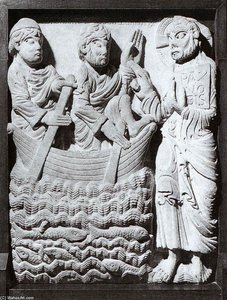
master of cabestany
1130 - 1180 , Italy
プロフィール概要
- Artistic Movement Or Style: Romanesque
- Date Of Death: 1180
- Full Name: Master of Cabestany
- Nationality: Italian
- Notable Artworks:
- Christ Walking on the Water
- Sculptured column
- Place Of Birth: Italy