

 プレビュー
プレビュー
 プリントを購入
 シェアする
シェアする シェアする
シェアする
 詳細を見る
詳細を見る

 ダウンロード
 似ている作品
 X線調査
X線調査 スライドショー
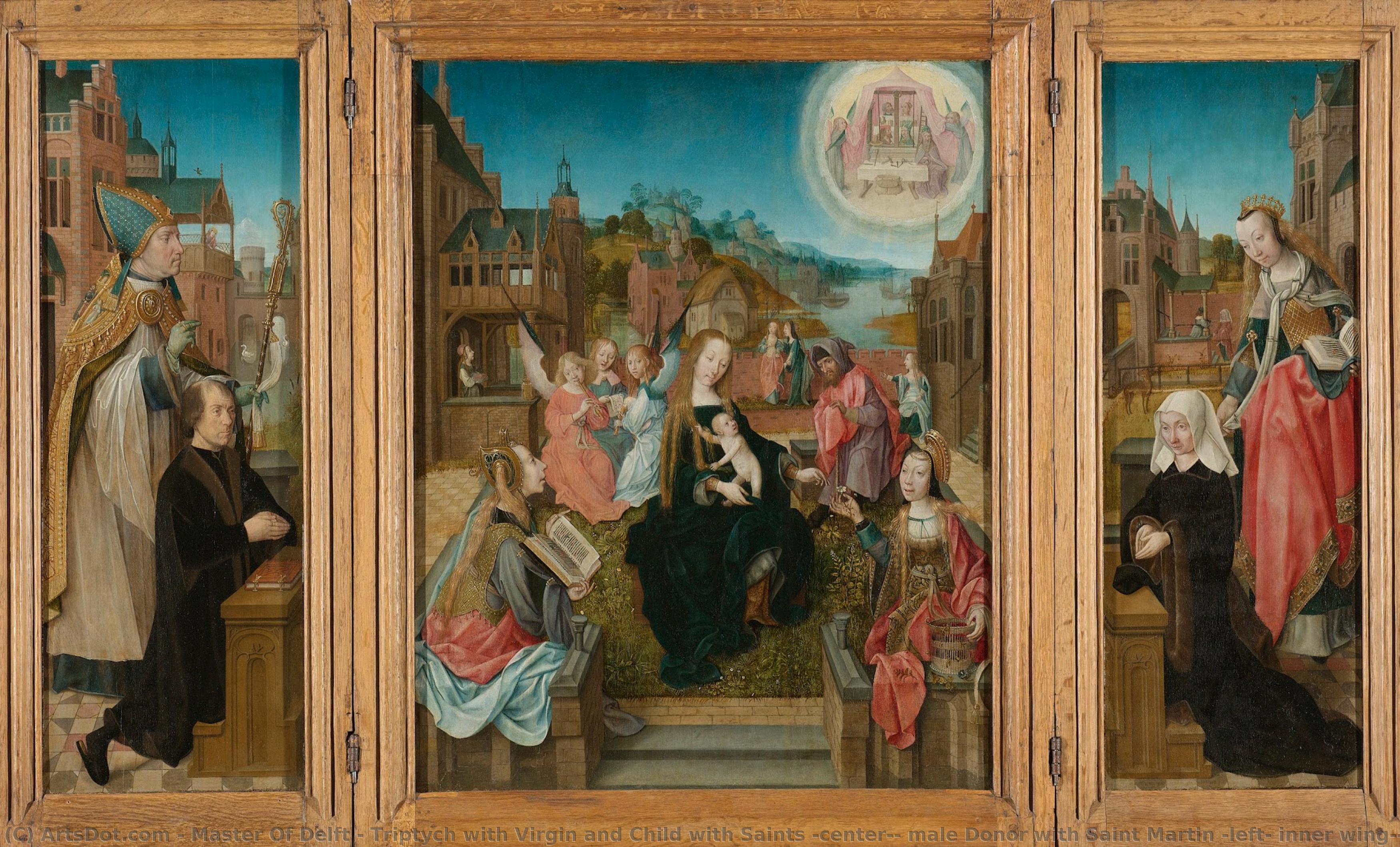
Triptych with Virgin and Child with Saints (center), male Donor with Saint Martin (left, inner wing), female Donor with Saint Cunera (right, inner wing), and the Annunciation (outer wings), Master of Delft, c. 1500 - c. 1510
 1510
1510 87.0 x 69.0 cm
 詳細を見る
詳細を見る




































作品のオリジナル比率に合わせた、当店の規定サイズからお選びください。

特定のフレームやスペースに合わせて、ご希望のサイズをご入力いただけます。選択されたサイズが元の画像の比率と異なる場合、アートワークをトリミングするか、手描きで要素を追加して絵画を拡張いたします。デジタルモックアップ を制作し、制作開始前にご確認(承認)をいただきます。
画面上のプレビューは、実際のトリミングや拡張を正確に反映しているものではありません。最終的な構図は、モックアップによってのみ正確にご確認いただけます。
カスタムサイズもご利用いただけますが、元の比率を維持するためには、あらかじめ用意されたリストからサイズを選択することをお勧めいたします。
ご注文後、ArtsDot.com チームより詳細な指示をお送りするとともに、仕上がりイメージ(モックアップ)をご提供いたします。


 ガラスオプションは、110cm未満のサイズでのみご利用いただけます。

Triptych with Virgin and Child with Saints (center), male Donor with Saint Martin (left, inner wing), female Donor with Saint Cunera (right, inner wing), and the Annunciation (outer wings), Master of Delft, c. 1500 - c. 1510
複製技法
複製画のサイズ
-


合計金額
$ 263
作品解説
関連作品







アーティストの略歴
The Enigmatic Shadow of the Netherlands
In the annals of art history, some names shine with the brilliance of a sun, while others linger like a soft, evocative mist over a Dutch landscape. The Master of Delft belongs to this latter, more mysterious category. An anonymous hand from the twilight of Early Netherlandish painting, this artist’s true identity remains lost to time, leaving behind only a trail of exquisite devotion and meticulously rendered scenes. Emerging around 1470, this painter operated during a transformative era in the Netherlands, a period where the rigid structures of the Middle Ages were beginning to soften into the nuanced realism of the Renaissance. Though we cannot know his birth name, his presence is felt through the profound spiritual depth and technical precision found in his surviving panels.
The very moniker used to identify him was bestowed much later, in 1913, by the renowned scholar Max Jakob Friedländer. This designation arose from the artist's connection to the city of Delft, a bond suggested by the inclusion of specific architectural landmarks within his compositions. Most notably, the silhouette of the Nieuwe Kerk tower, completed in 1496, appears in the background of his works, anchoring his spiritual visions to a tangible, earthly location. This connection suggests an artist deeply rooted in the civic and religious life of Delft, perhaps even painting for the local elite, such as the identifiable family of Burgomaster Dirck Dircksz van Beest Heemskerck.
A Mastery of Devotion and Detail
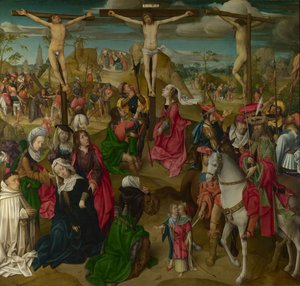
The work of the Master of Delft is characterized by a breathtaking synthesis of oil on panel and tempera, a medium that allowed for a luminous, layered effect. His oeuvre is primarily defined by religious narratives, often presented in the intimate format of triptychs. These works were not merely decorations but windows into the divine, designed to facilitate prayer and contemplation. In his hands, the sacred stories of the Passion of Christ become visceral and immediate. His masterpiece, the Crucifixion triptych housed in the National Gallery, London, serves as a testament to his ability to weave complex iconography with a sense of profound human emotion.
Beyond the central religious figures, the artist possessed a remarkable talent for creating secondary worlds. His paintings often feature:
- Richly described landscapes: While frequently relegated to the background, these vistas are far from mere scenery; they are atmospheric environments that provide a sense of scale and serenity.
- Complex Illusionism: A sophisticated use of perspective and light that draws the viewer into the sacred space.
- Intricate Iconography: Every element, from a specific flower to a distant tower, carries a symbolic weight intended to deepen the theological narrative.
His technique was also heavily informed by the burgeoning print culture of the time. By incorporating details borrowed from contemporary engravings, he was able to bring a sense of modern, international style to his local commissions. This ability to blend the traditional Flemish style with the evolving visual language of the 16th century allowed his work to remain both timeless and cutting-edge for his era.
Legacy and the Thread of Continuity
While the Master of Delft may be an anonymous figure, his artistic DNA is woven into the very fabric of Dutch art history. The meticulous attention to light, the atmospheric landscapes, and the ability to find the extraordinary within the ordinary laid a foundation upon which later masters would build. One can trace a spiritual lineage from his quiet, devotional panels to the sweeping, light-drenched masterpieces of Johannes Vermeer and Rembrandt van Rijn. The preoccupation with texture, the subtle interplay of shadow, and the profound sense of place all echo through the centuries.
The historical significance of the Master of Delft lies in his role as a bridge between the late Gothic tradition and the dawn of the Dutch Golden Age. He represents a moment in history when art was transitioning from purely symbolic representations to a more observational, humanistic approach. Though he remains a shadow in the historical record, his brushstrokes continue to speak, offering us a glimpse into the soul of 16th-century Delft and the enduring power of religious devotion expressed through unparalleled craftsmanship.
master of delft
Netherlands
基本情報
- Artistic Movement Or Style: World Goes Pop
- Artists Or Movements Influenced By This Artist: ['Influences include various pop art figures']
- Artists Who Influenced This Artist: ['Influenced by diverse artists within the World Goes Pop movement']
- Date Of Death: Living
- Notable Artworks: ['Various works featured in The World Goes Pop exhibition']
- Place Of Birth: WahooArt

