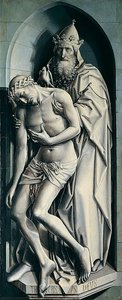
 プレビュー
プレビュー
 シェアする
シェアする シェアする
シェアする
 詳細を見る
詳細を見る

 ダウンロード
 似ている作品
 X線調査
X線調査 スライドショー
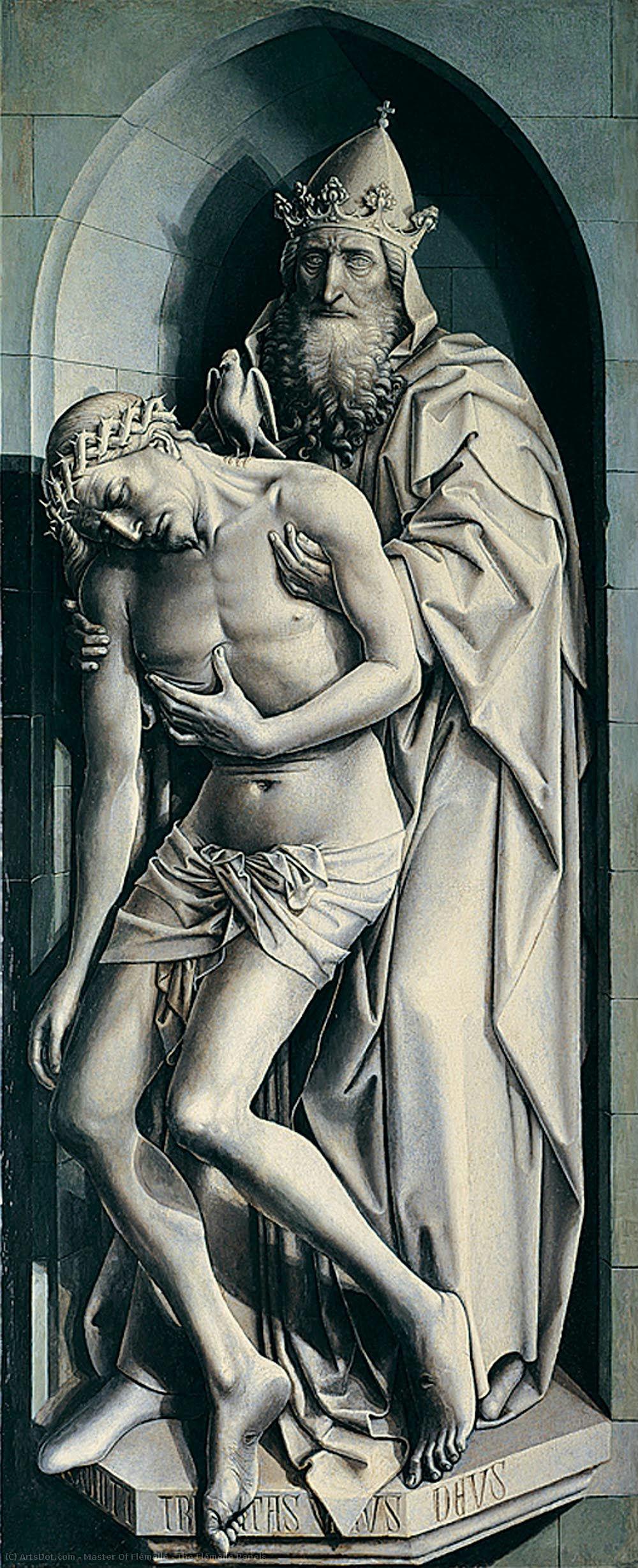
フラムラールパネル
 キャンバスにアクリル絵具
- ウォールアート
- International Gothic Style
 1430
1430 61.0 x 148.0 cm
 シュテデル美術館
 詳細を見る
詳細を見る
ジークレー/アートプリント
迅速な制作と多彩な仕上げオプションを備えた、ミュージアムクオリティのジークレーまたはキャンバスプリント。 ( 手描きの絵画を購入 画像を購入)




P118B $10

P118H $10

P118W $10

P438Z $10

P508JH $12

P508YH $12

P805H $10

P805Z $10

P919BZ $10

P919G $10

P919XJ $10

P959ZH $10

P968JZ $12

W106C $8

W218G $10

W218JH $8

W218Y $10

W307PJ $10

W316G $10

W316PJ $8

W316Y $10

W398PJ $8

W4111J $10

W500HY $15

W500JH $15

W692G $12

W849H $8

W940BG $15

W953PJ $8




作品のオリジナル比率に合わせた、当店の規定サイズからお選びください。

特定のフレームやスペースに合わせて、ご自身でサイズを指定することも可能です。選択されたサイズが元の画像の比率と一致しない場合、作品をトリミングするか、鏡面反射または単色での塗りつぶしによって画像を拡張いたします。制作を開始する前に、ご確認用のデジタルモックアップをお送りいたします。
画面上のプレビューには、実際のトリミングや拡張は反映されませんのでご注意ください。最終的な構図を正確に確認できるのは、モックアップのみとなります。
カスタムサイズも承っておりますが、元の比率を維持するためには、あらかじめ用意されたリストからサイズを選択することをお勧めいたします。


 ガラスオプションは、110cm未満のサイズでのみご利用いただけます。

フラムラールパネル
ジークレー/アートプリント
複製画のサイズ
-


合計金額
$ 62
作品詳細説明
ロバート・キャンピン(マスタースオブ・フレムラール)の「フレムラールパネル」について
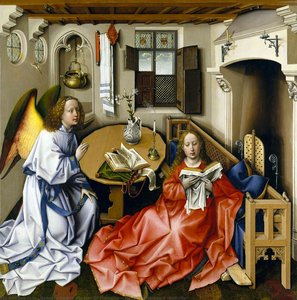
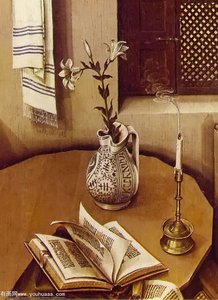
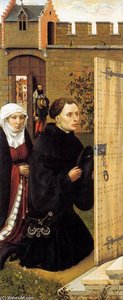
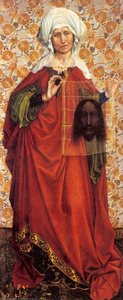
ロバート・キャンピン、またはマスタースオブ・フレムラールとして知られる画家は、ルネサンス初期のフランドルの芸術家の一人であり、特に彼の作品「フレムラールパネル」(The Flémalle Panels)は美術史において重要な位置を占めています。この傑作は、1430年に制作され、その繊細な描写と革新的な油絵技法が現代の鑑賞者にも感動を与えます。 キャンピンの芸術活動は、フランスにおけるロマン主義運動の隆盛期に重なる時期に展開されました。彼はリヨンで生まれましたが、父親はシルク商人であり、実用的な職業でした。しかしながら、彼の人生は芸術家としての道を歩むことへと導かれました。当時の社会情勢は革命への熱狂とナポレオン時代の混乱を経験しており、その後の王政復古という変化を経ていました。彼は自身の活動期間中に広く知られることはありませんでしたが、彼の作品を詳細に分析することで、記憶、喪失、そして美しさの儚さをテーマに描きながら、後のシンボリスト画家たちにも影響を与えた深い感受性を持つアーティストであることが明らかになります。 「フレムラールパネル」は、キャンピンの卓越した技術と芸術的な洞察力を示す代表作です。この作品は、二人の男性が寄り添い、互いに見つめながら何かを見下ろしている場面を描いています。男性の一人はもう一人の腕を抱き上げているように見え、周囲には他の人物たちが散りばめられています。これらの人物たちは様々な活動に精勤しており、あるいは単に立ち並んでいます。全体としてこの絵画は、人々との繋がりとコミュニティの感覚を表現しています。キャンピンの作品の特徴は、そのリアリズムと同時に、当時の社会状況や宗教的な価値観を反映した深い象徴性です。特に、男性が抱き上げている姿勢は、保護と愛情を表しており、これは当時の美術における重要なテーマでした。彼は優れた油絵技法を用い、特に「メロデ・アルタピエセ」(Merode Altarpiece)で知られる作品において、光の表現や色彩の微妙な変化を巧みに描き出しました。この技術は、当時の他の画家たちにも影響を与え、フランドルの美術における新たな潮流を生み出すことになりました。 キャンピンの絵画技法は、特に油絵による表現において革新的なものでした。彼は当時主流だった卵殻焼きなどの技法ではなく、より繊細で豊かな色彩を実現するために、新しい技術を開発しました。「フレムラールパネル」では、キャンピンが卓越した観察力と技術を用いて、人間の感情や精神性を表現しています。この絵画は単なる風景描写にとどまらず、当時の社会的な価値観や宗教的な信仰心を反映しており、見る人に深い感動を与えます。彼の作品は、美術史における重要な遺産であり、現代の芸術家たちにインスピレーションを与えるとともに、美しい複製を通してその魅力を伝えることができます。この絵画は、特にインテリアデザイナーにとって優れた選択肢となり得るでしょう。キャンピンの繊細な表現と豊かな色彩は、空間に優雅さと落ち着きをもたらし、見る人の心を豊かにします。関連作品
アーティストの略歴
The Shadowed Canvas: Exploring the Life and Art of Jean-Baptiste Mongeau
Jean-Baptiste Mongeau, a name perhaps less familiar than his contemporaries in the burgeoning Romantic movement, nevertheless carved out a unique and profoundly evocative space within French art during the late 18th and early 19th centuries. Born in Lyon in 1778, Mongeau’s life was inextricably linked to the tumultuous social and political shifts of his time – the rise of revolutionary fervor, the Napoleonic era, and the subsequent restoration. While he never achieved widespread fame during his lifetime, a closer examination of his work reveals a deeply sensitive artist grappling with themes of memory, loss, and the ephemeral nature of beauty, anticipating many of the concerns that would define later Symbolist painters. Mongeau’s early life offered little indication of the artistic path he would ultimately pursue. His father was a silk merchant, a practical profession in the heart of Lyon's textile industry. However, young Jean-Baptiste displayed an unusual aptitude for drawing and painting from a remarkably young age, initially sketching designs for his family’s business and later capturing the vibrant scenes of the city’s bustling markets and canals. He received informal instruction from a local artisan, mastering the fundamentals of oil paint and composition before embarking on a period of self-directed study, fueled by an intense curiosity about the world around him. Crucially, he was exposed to the works of Jacques-Louis David, whose Neoclassical style initially exerted a strong influence – evidenced in his early portraits and historical scenes, characterized by precise detail and idealized forms. A pivotal moment in Mongeau’s artistic development occurred during his time serving as an artillery officer in Napoleon's campaigns. The horrors he witnessed on the battlefield—the carnage, the suffering, and the sheer waste of human life—profoundly impacted him. This experience marked a dramatic shift away from the polished formality of Neoclassicism and towards a more introspective and emotionally charged style. He began to explore darker subjects – landscapes imbued with melancholy, portraits reflecting inner turmoil, and allegorical scenes that hinted at the fragility of existence. His palette darkened considerably, favoring somber blues, greens, and browns, punctuated by flashes of intense color used sparingly to heighten emotional impact. The influence of Romanticism, particularly the emphasis on subjective experience and the sublime, became increasingly apparent. Mongeau’s artistic style is often described as “atmospheric realism.” He wasn't interested in simply replicating reality; instead, he sought to capture its essence—its mood, its feeling. His landscapes are particularly notable for their evocative use of light and shadow, creating a sense of depth and mystery. He frequently depicted scenes of twilight or dawn, using diffused light to suggest the passage of time and the inevitability of decay. His portraits, in contrast to the idealized representations common at the time, were characterized by an unsettling honesty—a willingness to portray the subject’s vulnerabilities and anxieties. He employed a loose brushstroke technique, layering colors to create a hazy, dreamlike quality that further enhanced the sense of emotional resonance. A key element of his work is the use of *grisaille*, a monochrome painting technique, often used in underpaintings to establish form and tone before adding color. Among Mongeau’s most celebrated works are “The Fallen Soldier” (1808), a haunting depiction of a lone figure slumped amidst the wreckage of battle, and "Memory's Embrace" (1815), an allegorical painting that explores the themes of loss and remembrance. “The Fallen Soldier,” in particular, is considered a seminal work of Romantic art in France, capturing not just the physical devastation of war but also the profound psychological trauma it inflicted. It’s notable for its lack of explicit gore; instead, Mongeau focuses on the soldier's posture, his face etched with despair, and the desolate landscape surrounding him—a powerful indictment of conflict without resorting to sensationalism. His later works often featured recurring motifs – wilting flowers, decaying fruit, and solitary figures gazing into the distance—all symbols of mortality and the transience of beauty. Despite a relatively modest output during his lifetime, Mongeau’s influence on subsequent generations of French artists is undeniable. His emphasis on emotional expression, his exploration of dark themes, and his innovative use of light and color foreshadowed many of the developments that would characterize the Symbolist movement. His work was largely overlooked until the late 20th century when a renewed interest in Romanticism led to a reassessment of his artistic legacy. Today, Jean-Baptiste Mongeau is recognized as a significant, if often misunderstood, figure in French art history—an artist who dared to confront the darker aspects of human experience and capture their essence on canvas with remarkable sensitivity and power.Key Works
- The Fallen Soldier (1808): A poignant depiction of a fallen soldier, embodying the horrors of war and the psychological toll it exacts.
- Memory’s Embrace (1815): An allegorical painting exploring themes of loss, remembrance, and the fleeting nature of beauty.
- Twilight on the Rhône (c. 1810): A landscape capturing the melancholic beauty of a twilight scene along the river.
- Portrait of Madame Dubois (1805): A strikingly honest portrait revealing the subject’s inner anxieties and vulnerabilities.
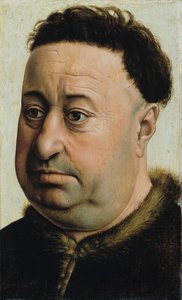
master of flémalle
1444 , Belgium
関連記事
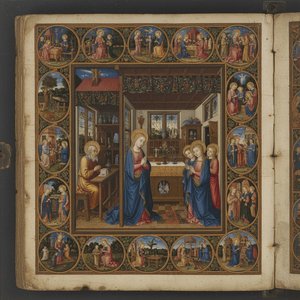
Robert Campin: Pioneering Realism & Spiritual Depth in Early Netherlandish Painting
Explore the revolutionary work of Robert Campin, a pioneer of Early Netherlandish painting. Discover his naturalistic style, religious symbolism in masterpieces like the Mérode Altarpiece, and lasting influence on art history.

The Enduring Legacy of Oil on Canvas: Technique, History & Aesthetic Impact
Explore the rich history & techniques of oil painting – from Renaissance masters to Impressionism. Discover pigments, layering methods, and why this timeless medium endures. Expert insights for artists & art enthusiasts.

Oil on Canvas: A Historical & Technical Exploration of a Timeless Artistic Medium
Explore the rich history & enduring techniques of oil painting on canvas. Discover the science behind its longevity, conservation practices, and contemporary relevance. Expert insights for art enthusiasts.

The Enduring Power of Painting: A Historical & Contemporary Exploration of Form and Emotion
Explore the rich history & enduring techniques of oil painting with ArtsDot. Discover masterpieces, learn about art collecting, and find authentic handmade reproductions crafted by skilled artists.

油彩のキャンバス:技法、歴史、そして現代の実践 - 古典美術愛好家へ
油彩の技法、歴史、巨匠たちの秘密を徹底解説。古典美術愛好家向けに、初期フランドル絵画から現代の実践まで深く掘り下げます。ArtsDotで高品質な複製画やカスタムオーダーも承ります。