

 プレビュー
プレビュー
 プリントを購入
 シェアする
シェアする シェアする
シェアする
 詳細を見る
詳細を見る

 ダウンロード
 似ている作品
 X線調査
X線調査 スライドショー
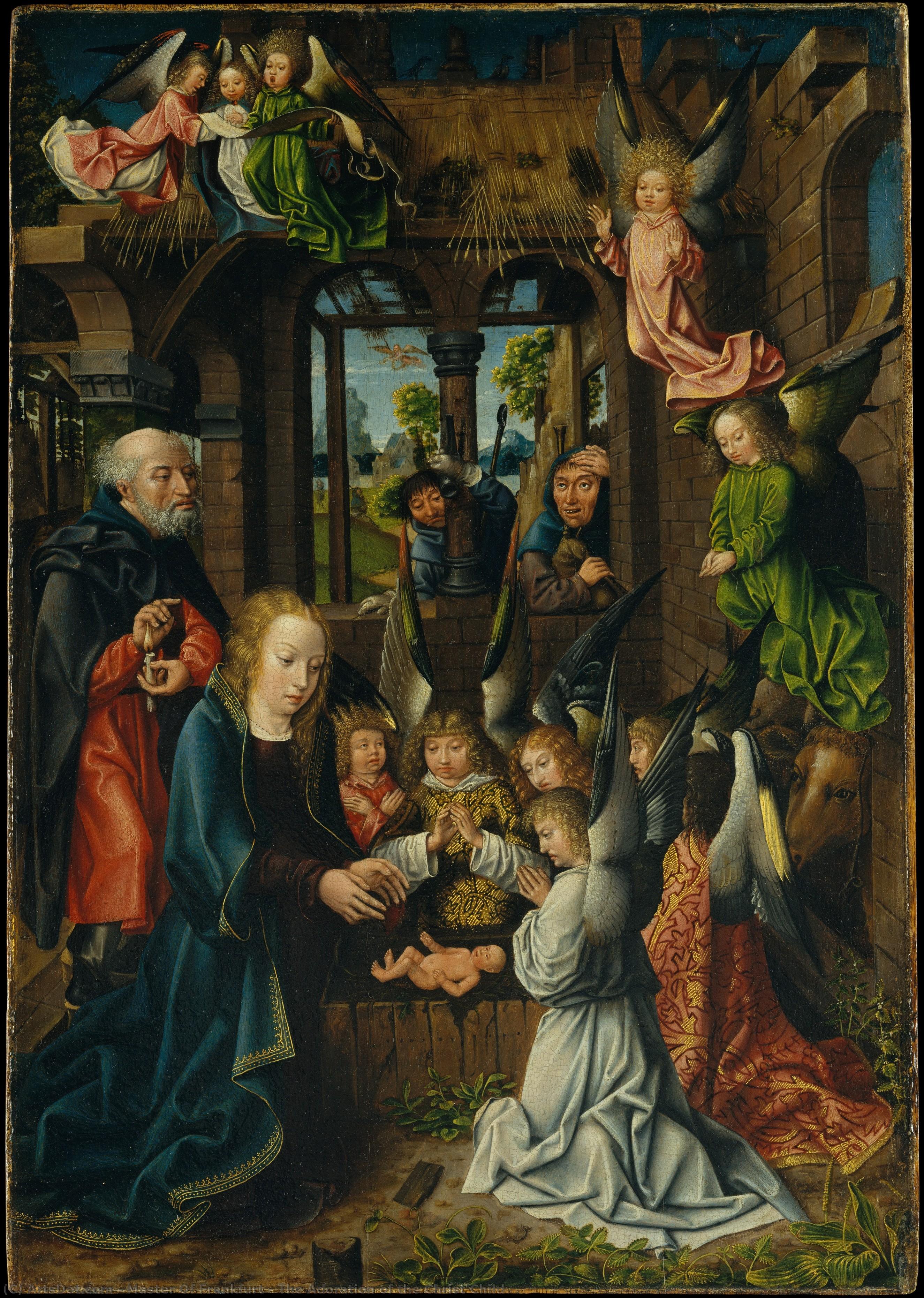
The Adoration of the Christ Child
 1502
1502 59.0 x 41.0 cm
 メトロポリタン美術館
 詳細を見る
詳細を見る




































標準サイズ
オーダーメイド
CM
INCH
作品のオリジナル比率に合わせた、当店の規定サイズからお選びください。
Loading sizes...

幅
高さ
特定のフレームやスペースに合わせて、ご希望のサイズをご入力いただけます。選択されたサイズが元の画像の比率と異なる場合、アートワークをトリミングするか、手描きで要素を追加して絵画を拡張いたします。デジタルモックアップ を制作し、制作開始前にご確認(承認)をいただきます。
画面上のプレビューは、実際のトリミングや拡張を正確に反映しているものではありません。最終的な構図は、モックアップによってのみ正確にご確認いただけます。
カスタムサイズもご利用いただけますが、元の比率を維持するためには、あらかじめ用意されたリストからサイズを選択することをお勧めいたします。
カスタマイズの例:顔をお客様の写真に置き換える、ペットを追加する(例:猫を犬に変更)、背景に隠れたメッセージを入れる、背景の風景や要素を変更するなど。
ご注文後、ArtsDot.com チームより詳細な指示をお送りするとともに、仕上がりイメージ(モックアップ)をご提供いたします。
ご注文後、ArtsDot.com チームより詳細な指示をお送りするとともに、仕上がりイメージ(モックアップ)をご提供いたします。


 ガラスオプションは、110cm未満のサイズでのみご利用いただけます。

The Adoration of the Christ Child
複製技法
複製画のサイズ
-


合計金額
$ 263
The newborn Christ Child, encircled by an adoring group that includes his mother and father, shepherds, animals and angels, lies naked in a manger. Adoration scenes, many influenced by the visionary account of Saint Bridget of Sweden (ca. 1303 – 1373), were painted for the open market in Antwerp. This picture, unlike other extant examples associated with the Master of Frankfurt and his workshop, does not depict the scene under the night sky, a feature that reduces the dramatic effect of the scene. Yet other elements, like the streaming hair of several angels, lends the picture a feeling of flickering movement.
関連作品




アーティストの略歴
The Enigmatic World of the Master of Frankfurt
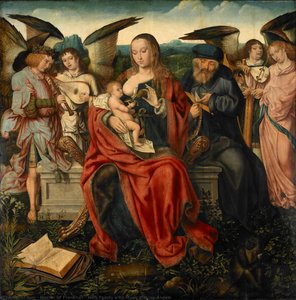
The ‘Master of Frankfurt’ remains one of the most compelling and elusive figures in early Netherlandish painting. Unlike many artists of his time, a concrete biographical record stubbornly resists discovery. We know him not through signed portraits or documented commissions, but rather through a distinctive body of work – approximately twenty surviving paintings that reveal a singular artistic vision steeped in religious fervor, intricate detail, and a touch of the fantastical. His very name is an attribution derived from the frequent presence of Frankfurt cityscapes within his compositions, suggesting a strong connection to this important mercantile center during the 16th century. While the precise identity of the artist continues to be debated among scholars, the power and originality of his paintings have secured his place as a significant contributor to the Northern Renaissance.A Style Forged in Religious Devotion
The Master of Frankfurt’s artistic style is immediately recognizable. He specialized almost exclusively in religious scenes, particularly depictions of the Holy Family – the Virgin Mary, Joseph, and the infant Christ. These are not grand, sweeping narratives, however; instead, they focus on intimate moments of domestic life within a meticulously rendered interior setting. His paintings often feature multiple figures crowded into relatively small spaces, creating a sense of closeness and immediacy that draws the viewer directly into the sacred drama unfolding before them. A hallmark of his work is the inclusion of detailed architectural backgrounds, frequently showcasing recognizable views of Frankfurt, which served not merely as decorative elements but also as anchors to the contemporary world, grounding the spiritual narrative in a tangible reality. The artist’s palette favors rich, saturated colors – deep reds, blues, and golds – applied with a remarkable precision that highlights the textures of fabrics, skin, and objects.Influences and Artistic Lineage
Pinpointing the Master of Frankfurt's artistic influences is a complex undertaking given the limited information available about his training. However, scholars generally agree that he was deeply influenced by the Delft School, particularly the work of painters like Jan van der Heyden and Hans Vredeman de Vries. This influence is evident in his meticulous attention to perspective, architectural detail, and the use of light and shadow to create a sense of depth and realism. Furthermore, echoes of Geertgen tot Sint Jans’s serene piety and compositional clarity can be detected in his depictions of the Holy Family. It's also plausible that he absorbed elements from the broader artistic milieu of the Rhineland, known for its tradition of devotional painting and woodcarving. He doesn’t simply imitate these influences; rather, he synthesizes them into a unique style characterized by an unusual blend of realism, emotional intensity, and symbolic complexity.Symbolism Woven into Everyday Life
The Master of Frankfurt was not merely a skilled craftsman but also a sophisticated visual storyteller. His paintings are replete with symbolism, often subtly embedded within the seemingly ordinary details of everyday life. Objects, gestures, and even architectural elements carry layers of meaning that enrich the religious narrative. For example, the inclusion of specific flowers or fruits might allude to virtues or theological concepts. The careful arrangement of figures and objects within the composition is also deliberate, guiding the viewer’s eye towards key symbolic motifs. The artist's use of light, often emanating from a hidden source, serves not only to illuminate the scene but also to represent divine grace and spiritual enlightenment. Deciphering these layers of symbolism requires careful observation and an understanding of contemporary religious beliefs and iconography.Historical Significance and Lasting Legacy
Despite the anonymity surrounding his life, the Master of Frankfurt’s work holds a significant place in art history. He represents a fascinating example of a regional painter who developed a highly individual style within the broader context of the Northern Renaissance. His paintings offer valuable insights into the religious sensibilities of 16th-century Germany and the role of art in fostering personal devotion.- His meticulous realism and attention to detail influenced subsequent generations of painters.
- The inclusion of recognizable cityscapes provides a unique glimpse into the urban landscape of Frankfurt during this period.
- His focus on intimate scenes of the Holy Family resonated with contemporary audiences seeking a more personal connection to religious narratives.
基本情報
- Artistic Movement Or Style: Early Netherlandish
- Date Of Death: Living
- Full Name: Master of Frankfurt
- Notable Artworks: ['Holy Family Paintings']

