

 プレビュー
プレビュー
 プリントを購入
 シェアする
シェアする シェアする
シェアする
 詳細を見る
詳細を見る

 ダウンロード
 似ている作品
 X線調査
X線調査 スライドショー
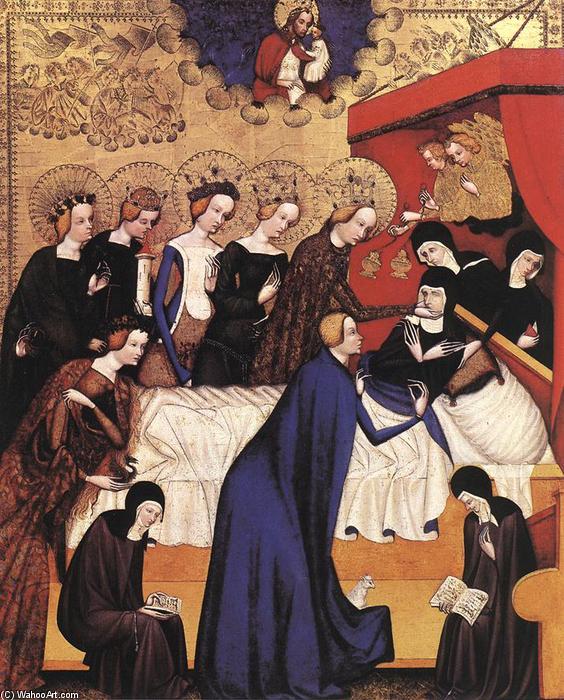
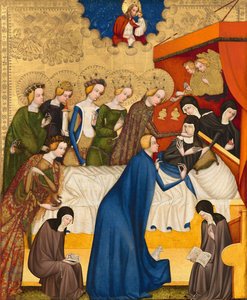
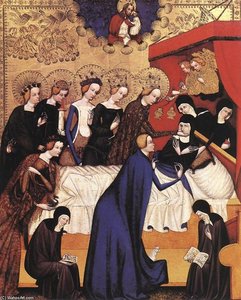
聖クララの死
 キャンバスにアクリル絵具
- ウォールアート
- International Gothic Style
 1410
1410 66.0 x 53.0 cm
 ナショナル・ギャラリー・オブ・アート
 詳細を見る
詳細を見る
オンラインプレビューをはるかに凌ぐ、高解像度で鮮明なデジタル画像をご購入いただけます。
各ファイルは、社内の専門家が高度なツールと熟練した手作業によるレタッチを用いて、細心の注意を払って準備されています。すべての画像において、卓越した鮮明度、正確な色彩再現性、そして繊細なディテールを保証いたします。
最終ファイルは、プロフェッショナルな編集・印刷環境ですぐにご利用いただけるよう最適化された状態で、72時間以内にメールにてお届けいたします。これは、一流のデザインスタジオ、出版社、ギャラリーから信頼されているものと同等の品質です。
デジタル画像のご注文に付随する特典
高品質なデジタル画像配信を、確かな品質で。
ArtsDot.com を選ぶことは、単に画像を手に入れることではありません。それは、プロの手によって精密に仕上げられ、満足保証が付いた高品質なデジタルアートワークを受け取ることを意味します。ご注文いただいた際に自動的に付随する内容は、以下の通りです:

メールですぐにお届け
ご注文から72時間以内に、高解像度のデジタル画像ファイルがメールでお手元に届きます。すぐにそのままご利用いただけます。

AI技術で最適化されたデジタルファイル
お客様の作品は、高度なAIツールと専門家による手作業の編集を組み合わせてプロフェッショナルに最適化されており、細部のディテール、鮮明さ、そして正確な色再現性を最大限に引き出しています。

一生涯無料の再送サービス
ファイルを誤って削除したり、紛失してしまったりしましたか?ご安心ください。いつでも無料で再送いたします。

輸入手数料は一切かかりません
関税や手数料、配送料を気にすることなく、お気に入りのアートワークをすぐにお楽しみいただけます。デジタルダウンロードは常に免税です。

色彩再現の保証
プロ仕様のツールとカラーマネジメント技術を用いることで、デジタル画像が元の色を最大限に忠実に再現することを保証いたします。

60日間満足保証
ご購入いただいたデジタル画像にご満足いただけない場合は、60日以内であれば、修正または100%の返金(理由を問う必要はありません)をさせていただきます。

100% 返金保証
ご満足いただけない場合は、デジタルファイルを受け取ってから60日以内であれば、理由を問わず全額返金いたします。

まとめ買い割引
3枚購入で10%OFF - 5枚購入で15%OFF - 10枚以上購入で20%OFF。クリエイティブなプロジェクト、ギャラリー、エージェンシーに最適です。
作品の詳細
聖クララの死 - マスタースオブハイリゲンクローイズ
この作品は、ドイツの初期ルネサンス美術における最も魅力的な謎の一つであり、芸術史学者たちが何世紀も取り組んだ心をくすぐるパズルです。この画家はフランスで訓練されたと考えられていますが、オーストリアで活動し、約1400年から1410年にかけて傑出した宗教画を制作しました。彼の正確な出身は謎に包まれていますが、彼の芸術の進化をたどることは、当時の芸術と宗教的慣習についての貴重な洞察を提供します。特に聖クララの死を描いた作品は、ゴシック様式と国際ゴシック様式の独特の融合を示しており、美術愛好家やコレクター、インテリアデザイナーに特別な感動を与えます。 この絵画は、イタリアの中心部に位置するアッシジの都市で有名な聖クララが、聖フランチェスによって説教された貧困と奉仕の目標を追求するためにすべての財産を放棄した場面を描いています。彼女はナントゥイエールと呼ばれる聖フランチェスの姉妹院を設立し、ローマ教皇によって1253年に承認されました。この絵画はゴシック様式と国際ゴシック様式の融合を示しており、特に聖クララの死を描いた作品は美術愛好家やコレクター、インテリアデザイナーに特別な感動を与えます。この絵画はゴシック様式と国際ゴシック様式の融合を示しており、特に聖クララの死を描いた作品は美術愛好家やコレクター、インテリアデザイナーに特別な感動を与えます。この絵画はゴシック様式と国際ゴシック様式の融合を示しており、特に聖クララの死を描いた作品は美術愛好家やコレクター、インテリアデザイナーに特別な感動を与えます。この絵画はゴシック様式と国際ゴシック様式の融合を示しており、特に聖クララの死を描いた作品は美術愛好家やコレクター、インテリアデザイナーに特別な感動を与えます。この絵画はゴシック様式と国際ゴシック様式の融合を示しており、特に聖クララの死を描いた作品は美術愛好家やコレクター、インテリアデザイナーに特別な感動を与えます。この絵画はゴシック様式と国際ゴシック様式の融合を示しており、特に聖クララの死を描いた作品は美術愛好家やコレクター、インテリアデザイナーに特別な感動を与えます。この絵画はゴシック様式と国際ゴシック様式の融合を示しており、特に聖クララの死を描いた作品は美術愛好家やコレクター、インテリアデザイナーに特別な感動を与えます。この絵画はゴシック様式と国際ゴシック様式の融合を示しており、特に聖クララの死を描いた作品は美術愛好家やコレクター、インテリアデザイナーに特別な感動を与えます。この絵画はゴシック様式と国際ゴシック様式の融合を示しており、特に聖クララの死を描いた作品は美術愛好家やコレクター、インテリアデザイナーに特別な感動を与えます。この絵画はゴシック様式と国際ゴシック様式の融合を示しており、特に聖クララの死を描いた作品は美術愛好家やコレクター、インテリアデザイナーに特別な感動を与えます。この絵画はゴシック様式と国際ゴシック様式の融合を示しており、特に聖クララの死を描いた作品は美術愛好家やコレクター、インテリアデザイナーに特別な感動を与えます。この絵画はゴシック様式と国際ゴシック様式の融合を示しており、特に聖クララの死を描いた作品は美術愛好家やコレクター、インテリアデザイナーに特別な感動を与えます。この絵画はゴシック様式と国際ゴシック様式の融合を示しており、特に聖クララの死を描いた作品は美術愛好家やコレクター、インテリアデザイナーに特別な感動を与えます。この絵画はゴシック様式と国際ゴシック様式の融合を示しており、特に聖クララの死を描いた作品は美術愛好家やコレクター、インテリアデザイナーに特別な感動を与えます。この絵画はゴシック様式と国際ゴシック様式の融合を示しており、特に聖クララの死を描いた作品は美術愛好家やコレクター、インテリアデザイナーに特別な感動を与えます。この絵画はゴシック様式と国際ゴシック様式の融合を示しており、特に聖クララの死を描いた作品は美術愛好家やコレクター、インテリアデザイナーに特別な感動を与えます。この絵画はゴシック様式と国際ゴシック様式の融合を示しており、特に聖クララの死を描いた作品は美術愛好家やコレクター、インテリアデザイナーに特別な感動を与えます。この絵画はゴシック様式と国際ゴシック様式の融合を示しており、特に聖クララの死を描いた作品は美術愛好家やコレクター、インテリアデザイナーに特別な感動を与えます。この絵画はゴシック様式と国際ゴシック様式の融合を示しており、特に聖クララの死を描いた作品は美術愛好家やコレクター、インテリアデザイナーに特別な感動を与えます。この絵画はゴシック様式と国際ゴシック様式の融合を示しており、特に聖クララの死を描いた作品は美術愛好家やコレクター、インテリアデザイナーに特別な感動を与えます。この絵画はゴシック様式と国際ゴシック様式の融合を示しており、特に聖クララの死を描いた作品は美術愛好家やコレクター、インテリアデザイナーに特別な感動を与えます。この絵画はゴシック様式と国際ゴシック様式の融合を示しており、特に聖クララの死を描いた作品は美術愛好家やコレクター、インテリアデザイナーに特別な感動を与えます。この絵画はゴシック様式と国際ゴシック様式の融合を示しており、特に聖クララの死を描いた作品は美術愛好家やコレクター、インテリアデザイナーに特別な感動を与えます。この絵画はゴシック様式と国際ゴシック様式の融合を示しており、特に聖クララの死を描いた作品は美術愛好家やコレクター、インテリアデザイナーに特別な感動を与えます。この絵画はゴシック様式と国際ゴシック様式の融合を示しており、特に聖クララの死を描いた作品は美術愛好家やコレクター、インテリアデザイナーに特別な感動を与えます。この絵画はゴシック様式と国際ゴシック様式の融合を示しており、特に聖クララの死を描いた作品は美術愛好家やコレクター、インテリアデザイナーに特別な感動を与えます。この絵画はゴシック様式と国際ゴシック様式の融合を示しており、特に聖クララの死を描いた作品は美術愛好家やコレクター、インテリアデザイナーに特別な感動を与えます。この絵画はゴシック様式と国際ゴシック様式の融合を示しており、特に聖クララの死を描いた作品は美術愛好家やコレクター、インテリアデザイナーに特別な感動を与えます。この絵画はゴシック様式と国際ゴシック様式の融合を示しており、特に聖クララの死を描いた作品は美術愛好家やコレクター、インテリアデザイナーに特別な感動を与えます。この絵画はゴシック様式と国際ゴシック様式の融合を示しており、特に聖クララの死を描いた作品は美術愛好家やコレクター、インテリアデザイナーに特別な感動を与えます。この絵画はゴシック様式と国際ゴシック様式の融合を示しており、特に聖クララの死を描いた作品は美術愛好家やコレクター、インテリアデザイナーに特別な感動を与えます。この絵画はゴシック様式と国際ゴシック様式の融合を示しており、特に聖クララの死を描いた作品は美術愛好家やコレクター、インテリアデザイナーに特別な感動を与えます。この絵画はゴシック様式と国際ゴシック様式の融合を示しており、特に聖クララの死を描いた作品は美術愛好家やコレクター、インテリアデザイナーに特別な感動を与えます。この絵画はゴシック様式と国際ゴシック様式の融合を示しており、特に聖クララの死を描いた作品は美術愛好家やコレクター、インテリアデザイナーに特別な感動を与えます。この絵画はゴシック様式と国際ゴシック様式の融合を示しており、特に聖クララの死を描いた作品は美術愛好家やコレクター、インテリアデザイナーに特別な感動を与えます。この絵画はゴシック様式と国際ゴシック様式の融合を示しており、特に聖クララの死を描いた作品は美術愛好家やコレクター、インテリアデザイナーに特別な感動を与えます。この絵画はゴシック様式と国際ゴシック様式の融合を示しており、特に聖クララの死を描いた作品は美術愛好家やコレクター、インテリアデザイナーに特別な感動を与えます。この絵画はゴシック様式と国際ゴシック様式の融合を示しており、特に聖クララの死を描いた作品は美術愛好家やコレクター、インテリアデザイナーに特別な感動を与えます。この絵画はゴシック様式と国際ゴシック様式の融合を示しており、特に聖クララの死を描いた作品は美術愛好家やコレクター、インテリアデザイナーに特別な感動を与えます。この絵画はゴシック様式と国際ゴシック様式の融合を示しており、特に聖クララの死を描いた作品は美術愛好家やコレクター、インテリアデザイナーに特別な感動を与えます。この絵画はゴシック様式と国際ゴシック様式の融合を示しており、特に関連作品
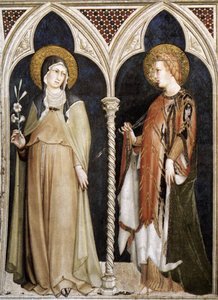
![Legend Of St Francis - [23] - St Francis Mourned By St Clare — ジョット, Gothic](/media/artworks/images-thumb/17/1c/171c284c41dc3ef8bca83e51c1e1e531.jpg)
作家の略歴
The Enigmatic Master of Heiligenkreuz: A Portrait of a Lost Renaissance
The identity of the “Master of Heiligenkreuz” remains one of art history’s most enduring mysteries, a captivating puzzle that has occupied scholars for over a century. This Austrian painter, active primarily during the first half of the 15th century, produced a remarkable body of work characterized by dramatic religious scenes—particularly depictions of St. Clare’s death and Annunciations—that showcase a unique blend of Gothic and International Gothic styles. While his precise origins remain elusive, tracing the evolution of his art offers a fascinating glimpse into the artistic landscape of early Renaissance Central Europe.
The earliest known works attributed to the Master are diptychs – two-panel paintings – discovered at the Cistercian Abbey of Heiligenkreuz in southeastern Austria. These pieces, dating from around 1400-1410, immediately established his distinctive style: elongated figures with delicate hands and faces, a penchant for rich color palettes, and an expressive use of light and shadow. The left panel depicts the Annunciation, showcasing the Virgin Mary receiving the news of her divine conception, while the reverse portrays the Madonna and Child – a tender scene brimming with serenity. The right panel presents the Mystical Marriage of Saint Catherine, alongside Saint Dorothy, demonstrating a masterful command of detail and emotional depth.
What immediately sets the Master’s work apart is its synthesis of influences. While firmly rooted in the Gothic tradition—evident in his meticulous rendering of drapery and architectural details—he also absorbed elements from the International Gothic style, which was gaining prominence across Europe at the time. This fusion resulted in a highly individualistic aesthetic, characterized by an almost unsettling realism combined with a profound sense of spirituality. The figures possess a certain elongated quality, reminiscent of Northern European art, yet their expressions are imbued with a palpable emotional intensity rarely seen in contemporary works.
Several theories have been proposed regarding the Master’s origins and artistic influences. Initially, scholars suggested a French connection, pointing to similarities with Franco-Burgundian goldsmithing techniques evident in his use of gold leaf and decorative elements. Later investigations explored potential links to Prague, citing stylistic parallels with panel painting workshops active at the Bohemian court. The debate continues, fueled by the scarcity of documentary evidence and the fragmentary nature of the surviving corpus. It’s possible that the Master was an itinerant artist, traveling between different courts and absorbing influences from various artistic centers.
Despite the lack of definitive answers about his identity, the Master of Heiligenkreuz's legacy is undeniable. His paintings are prized for their emotional intensity, technical skill, and unique stylistic synthesis. They represent a crucial link in the development of early Renaissance art in Austria, bridging the gap between the late Gothic period and the burgeoning realism of the High Renaissance. Works like “The Death of St. Clare,” currently housed at the National Gallery of Washington D.C., exemplify his ability to convey profound religious themes with remarkable sensitivity and dramatic power. The enduring mystery surrounding his life and origins only adds to the allure of this enigmatic artist, ensuring that the Master of Heiligenkreuz will continue to fascinate art historians for generations to come.
Key Works & Characteristics
- The Death of St. Clare (c. 1400-1410): National Gallery of Art, Washington D.C. – A cornerstone of the Master’s oeuvre, showcasing his dramatic use of light and shadow to convey a sense of profound sorrow and spiritual transcendence.
- Annunciation (c. 1400-1410): Cistercian Abbey of Heiligenkreuz – Demonstrates the artist's mastery of composition and detail, capturing the moment of divine revelation with remarkable precision.
- Mystical Marriage of Saint Catherine (c. 1400-1410): Cistercian Abbey of Heiligenkreuz – Highlights the Master’s ability to imbue religious figures with a sense of human emotion and vulnerability.
- Diptychs:** The majority of the Master's known works are diptychs, reflecting the prevalent format for devotional paintings during this period.
Stylistic Influences & Techniques
The Master’s style is a complex synthesis of influences. He drew heavily from the Gothic tradition, evident in his meticulous attention to detail, particularly in the rendering of drapery and architectural elements. However, he also incorporated elements of the International Gothic style, characterized by elongated figures, delicate hands, and an expressive use of color. His technique involved layering thin glazes of paint to achieve luminous effects and creating a sense of depth through careful modeling of forms. The use of gold leaf was particularly prominent, adding richness and splendor to his works.
Historical Context & Legacy
The Master of Heiligenkreuz operated during a period of significant artistic and cultural change in Central Europe. The rise of the Renaissance coincided with the decline of feudalism and the emergence of new urban centers. His work reflects this dynamic environment, blending traditional religious iconography with innovative stylistic approaches. Despite the lack of definitive biographical information, his paintings are considered to be among the most important examples of early Renaissance art in Austria, offering valuable insights into the artistic development of the region. The enduring mystery surrounding his identity only serves to heighten the fascination with this enigmatic and profoundly talented artist.
master of heiligenkreuz
Austria
プロフィール概要
- Artistic Movement Or Style: International Gothic
- Artists Or Movements Influenced By This Artist: ['French and German artists']
- Artists Who Influenced This Artist:
- Franco-Burgundian goldsmiths
- Prague panel painters
- Date Of Birth: c. 1395-1430
- Full Name: Master of Heiligenkreuz
- Nationality: Austrian
- Notable Artworks:
- The Death of St. Clare
- Annunciation
- Mystical Marriage of Saint Catherine
- Place Of Birth: Heiligenkreuz, Austria

