

 シェアする
シェアする シェアする
シェアする
 詳細を見る
詳細を見る

 ダウンロード
 似ている作品
 スライドショー
 統計情報
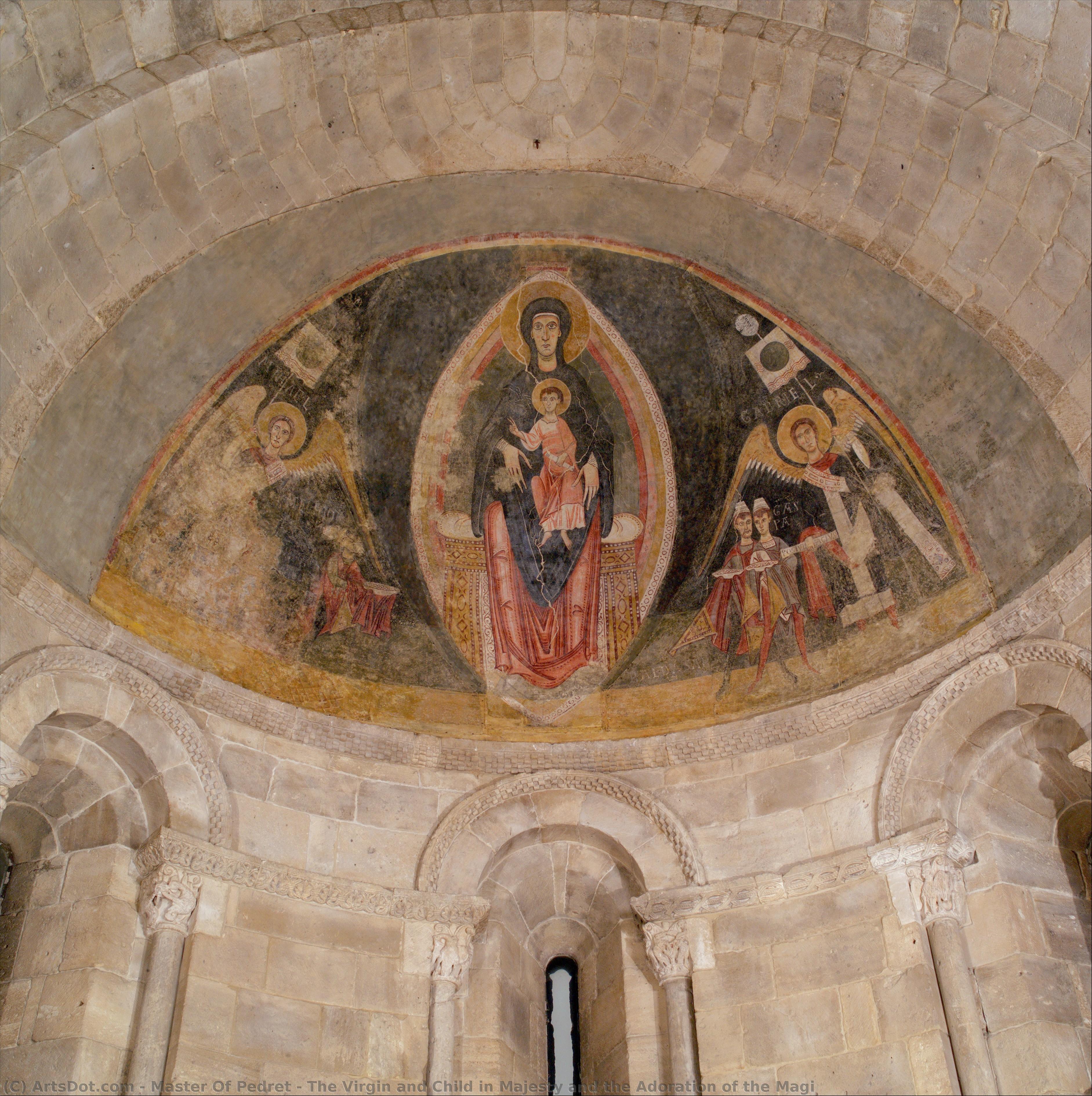
統計情報The Virgin and Child in Majesty and the Adoration of the Magi
 Fresco
- Decor
- Romanesque Style
 1100
1100- High Medieval
 323.0 x 593.0 cm
 The Met Cloisters
 詳細を見る
詳細を見る
手描き油彩複製画
当社のアーティストが、お客様のご希望のサイズと額縁に合わせて、キャンバスに手描きで制作する油彩画です。 ( プリント版に切り替え デジタル画像販売へ切り替え)




































作品のオリジナル比率に合わせた、当店の規定サイズからお選びください。

特定のフレームやスペースに合わせて、ご希望のサイズをご入力いただけます。選択されたサイズが元の画像の比率と異なる場合、アートワークをトリミングするか、手描きで要素を追加して絵画を拡張いたします。デジタルモックアップ を制作し、制作開始前にご確認(承認)をいただきます。
画面上のプレビューは、実際のトリミングや拡張を正確に反映しているものではありません。最終的な構図は、モックアップによってのみ正確にご確認いただけます。
カスタムサイズもご利用いただけますが、元の比率を維持するためには、あらかじめ用意されたリストからサイズを選択することをお勧めいたします。
ご注文後、ArtsDot.com チームより詳細な指示をお送りするとともに、仕上がりイメージ(モックアップ)をご提供いたします。


 ガラスオプションは、110cm未満のサイズでのみご利用いただけます。

The Virgin and Child in Majesty and the Adoration of the Magi
複製技法
複製画のサイズ
-


合計金額
$ 263
A Celestial Vision in Stone and Pigment
In the quiet, hallowed corridors of The Met Cloisters, there exists a window into a lost world of medieval devotion. The Virgin and Child in Majesty and the Adoration of the Magi is not merely a painting; it is a monumental fragment of a sacred atmosphere, a fresco that once breathed life into the stone apse of the church of San Quirze Pedret. Created around 1100 CE by the enigmatic Master of Pedret, this masterpiece serves as a profound bridge between the earthly and the divine. To behold it is to witness the moment where the rugged landscape of the Pyrenees Mountains meets the ethereal light of Byzantine influence, creating a visual hymn that has resonated through nearly a millennium of human history.
The composition unfolds with a breathtaking sense of hierarchical grandeur. At its heart sits the Virgin Mary, enthroned in majesty, her presence commanding both reverence and tenderness. She holds the infant Jesus, a figure of divine promise, while around them, the celestial court assembles. The scene is far more than a simple Nativity; it is an epic narrative where archangels and the Magi converge. The way the figures are arranged creates a rhythmic movement that draws the eye toward the central mystery of the Incarnation, inviting the viewer to participate in a timeless act of worship.
The Mastery of Romanesque Line and Byzantine Grace
What distinguishes this work from the typical flatness of the Romanesque period is the subtle, sophisticated hand of its creator. The Master of Pedret was an artist of extraordinary nuance, capable of blending the bold, graphic strength of Catalan tradition with the delicate, emotive elegance of Byzantine iconography. One can observe this in the meticulous treatment of drapery folds, which possess a weight and structure that suggest volume without sacrificing the spiritual abstraction essential to the era. The artist employs a deliberate use of line to define form, yet there is an unmistakable softness in the facial expressions—a flicker of humanity within the divine.
Technically, the fresco represents a triumph of medium and endurance. Originally painted directly onto the damp plaster of a church wall, these pigments have survived centuries of shifting political tides and environmental changes. The colors, though aged, retain a soulful depth that provides an incomparable texture for any space. For the discerning collector or interior designer, this piece offers more than just aesthetic beauty; it offers a sense of historical weight and architectural permanence. A high-quality reproduction of such a work brings with it a palpable connection to the craftsmanship of the twelfth century, making it a cornerstone for any collection focused on classical elegance and spiritual depth.
Symbolism and the Emotional Resonance of the Sacred
Every element within this fresco is steeped in profound theological meaning. The throne of Mary represents the stability of the Church, while the presence of the Magi symbolizes the recognition of Christ by the wider world—the meeting of the pagan and the divine. The surrounding angels act as intermediaries, their gazes guiding our own toward the holy figures. This layering of symbolism ensures that the artwork remains intellectually stimulating long after its initial visual impact has been felt.
Beyond the historical and technical merits, there is an undeniable emotional pull to this work. It evokes a sense of peace, a sanctuary of stillness in a chaotic world. The interplay of light—suggested by the way the figures emerge from the darker recesses of the apse—creates a meditative atmosphere that can transform the character of a room. Whether placed in a grand library, a contemplative study, or a curated gallery space, this reproduction serves as an anchor of serenity, inviting all who view it to pause, reflect, and marvel at the enduring power of sacred art.
関連作品

アーティストの略歴
early twelfth century, catalonia, spain
in the realm of art history, there exist a few masters whose works have been shrouded in mystery, yet continue to captivate art enthusiasts and scholars alike. one such enigmatic figure is the master of pedret, a romanesque fresco painter active in catalonia during the early twelfth century.the artistic legacy
the master of pedret's most representative work, the right side of the apse of the church of san quirze pedret, now resides at the museu nacional d’art de catalunya in barcelona, spain. this masterpiece is a testament to the artist's skill in capturing the essence of romanesque art.key works and influences
- the right side of the apse of san quirze pedret, now at the museu nacional d’art de catalunya, barcelona, spain.
- other notable works include frescoes in various catalan churches, showcasing the artist's versatility and contribution to romanesque art.
artistic style and techniques
characteristics of master of pedret's art:- employment of vibrant colors and detailed compositions.
- incorporation of christian motifs and biblical themes.
- use of fresco techniques, highlighting the artist's skill in this medium.
legacy and impact
the master of pedret's influence on romanesque art is undeniable. this anonymous artist has left an indelible mark on the art world, with works that continue to inspire artists and fascinate scholars. further reading:- master of pedret | ArtsDot.com
- romanesque art - wikipedia
- hastings museum and art gallery | ArtsDot.com
conclusion
the master of pedret, though shrouded in mystery, remains a pivotal figure in romanesque art. this enigmatic artist's works continue to captivate audiences, offering a glimpse into the artistic nuances of early twelfth-century catalonia.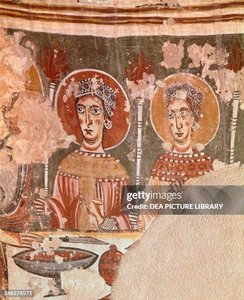
Master of Pedret
Spain
基本情報
- Artistic Movement Or Style: Romanesque
- Artists Or Movements Influenced By This Artist: ['Romanesque Art']
- Artists Who Influenced This Artist: ['Byzantine Art']
- Date Of Birth: Early twelfth century
- Date Of Death: Living
- Full Name: Master of Pedret
- Nationality: Spanish
- Notable Artworks: ['The Virgin and Child in Majesty and the Adoration of the Magi']
- Place Of Birth: Catalonia, Spain
関連記事

The Enduring Legacy of Fresco Painting: Techniques, History & Contemporary Relevance
Explore the rich history & enduring artistry of fresco painting – from Giotto to Michelangelo! Discover techniques, conservation efforts, & modern applications. Learn how ArtsDot brings this timeless art form to your home.

家族の遺産を壁画で彩る:伝統技法が紡ぐ、時を超越する美と記憶
古代から現代までの壁画の歴史と技法を解説。日本の壁画文化やカスタムオーダーによる家族の遺産表現、保存・修復技術まで網羅。専門家が時を超越する美と記憶を紡ぐ芸術的価値をご案内します。

Art That Lives With You: The Emotional Power of a Custom Interior Fresco
Discover the emotional power & timeless beauty of custom interior frescoes. Explore history, design tips & expert guidance from – creating lasting legacies.

The Enduring Legacy of Fresco: Technique, History & Artistic Expression Across Cultures
Explore the rich history & enduring legacy of fresco painting! Discover ancient techniques, Giotto's masterpieces, and modern applications. Expert insights for art lovers & professionals.

ジョット・ディ・ボンドーネ:至高の25選 - ルネサンスの夜明けを彩る傑作たち | ArtsDot
ジョット・ディ・ボンドーネの至高の25選。ルネサンス美術を牽引した巨匠の傑作と、その感動的な物語を紐解きます。高品質な絵画複製やインテリアアートで、名画の世界をあなたの空間に。ArtsDot.com でコレクションをご覧ください。