

 プレビュー
プレビュー
 プリントを購入
 シェアする
シェアする シェアする
シェアする
 詳細を見る
詳細を見る

 ダウンロード
 似ている作品
 X線調査
X線調査 スライドショー
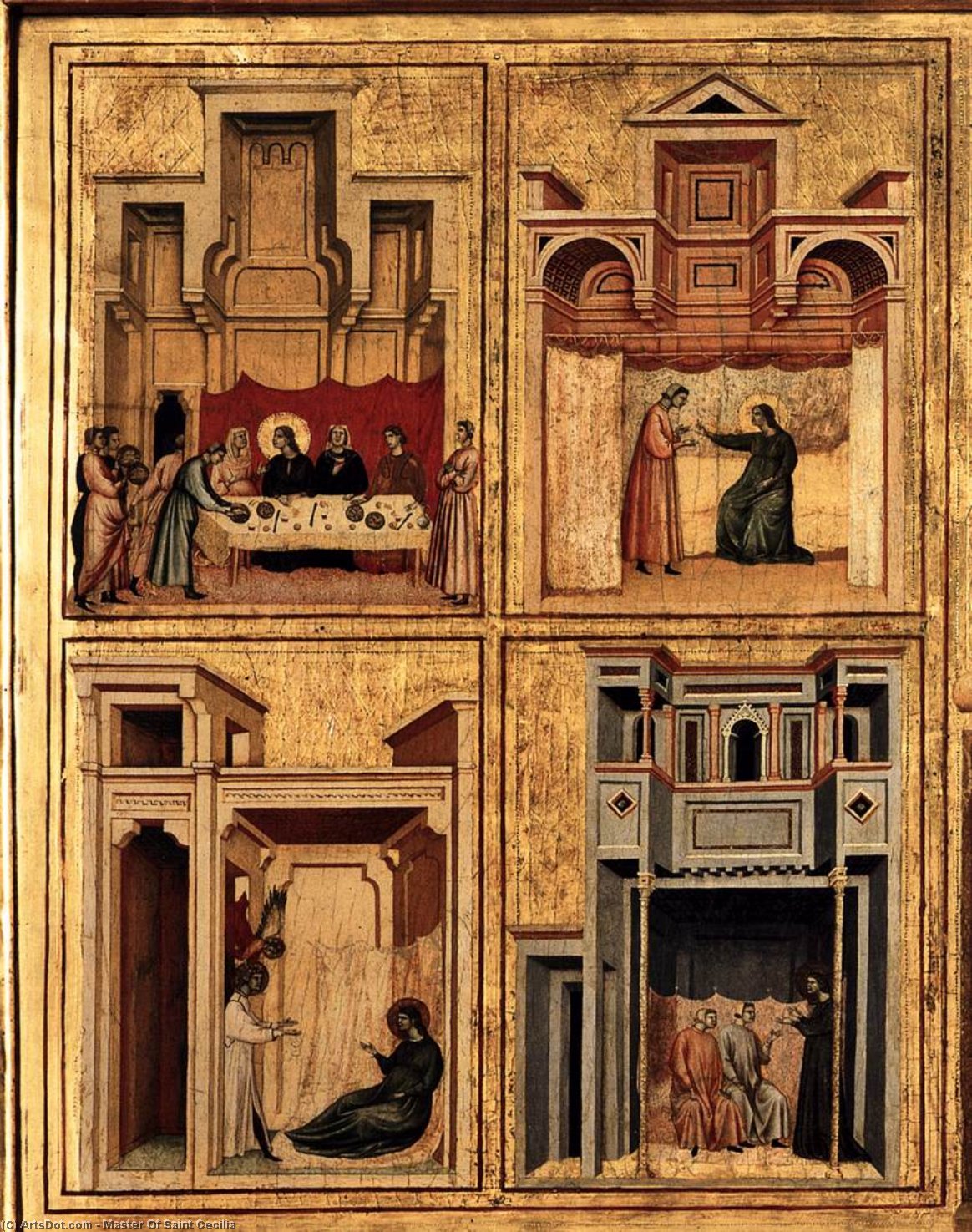
Saint Cecilia Altarpiece (detail)


 詳細を見る
詳細を見る




P118B $10

P118H $10

P118W $10

P438Z $10

P508JH $12

P508YH $12

P805H $10

P805Z $10

P919BZ $10

P919G $10

P919XJ $10

P959ZH $10

P968JZ $12

W106C $8

W218G $10

W218JH $8

W218Y $10

W307PJ $10

W316G $10

W316PJ $8

W316Y $10

W398PJ $8

W4111J $10

W500HY $15

W500JH $15

W692G $12

W849H $8

W940BG $15

W953PJ $8




作品のオリジナル比率に合わせた、当店の規定サイズからお選びください。

特定のフレームやスペースに合わせて、ご希望のサイズをご入力いただけます。選択されたサイズが元の画像の比率と異なる場合、アートワークをトリミングするか、手描きで要素を追加して絵画を拡張いたします。デジタルモックアップ を制作し、制作開始前にご確認(承認)をいただきます。
画面上のプレビューは、実際のトリミングや拡張を正確に反映しているものではありません。最終的な構図は、モックアップによってのみ正確にご確認いただけます。
カスタムサイズもご利用いただけますが、元の比率を維持するためには、あらかじめ用意されたリストからサイズを選択することをお勧めいたします。
ご注文後、ArtsDot.com チームより詳細な指示をお送りするとともに、仕上がりイメージ(モックアップ)をご提供いたします。


 ガラスオプションは、110cm未満のサイズでのみご利用いただけます。

Saint Cecilia Altarpiece (detail)
複製技法
複製画のサイズ
-


合計金額
$ 538
作品解説
The Enigmatic Master of Saint Cecilia
The identity of the ‘Master of Saint Cecilia’ remains one of art history's most enduring mysteries—a testament to the challenges faced by scholars attempting to reconstruct the life and career of a pivotal figure in early Netherlandish painting. Active primarily between 1475/1480 and 1510, this artist emerged from the shadows of Cologne’s artistic milieu, leaving behind only tantalizing clues about his origins and motivations. Despite lacking a definitive name, his distinctive style—characterized by vibrant enamel colors and a masterful grasp of Gothic techniques—has secured him a place among the most recognizable artists of the Renaissance in Germany.
A Canvas Born from Darkness
Information regarding the Master’s life is scarce; biographical details are absent beyond speculation based on circumstantial evidence. He was born sometime around 1450, likely in Italy, though precise birthplace remains elusive. His artistic journey began in Utrecht or Leuven, where he honed his skills amidst a burgeoning artistic community eager to embrace new stylistic influences from Florence and Venice.
A Symphony of Byzantine Influence
The Master’s oeuvre is dominated by altarpiece panels—primarily depictions of Saint Cecilia, the patron saint of musicians—that exemplify the profound impact of Byzantine iconography on Northern European art. These works are instantly recognizable for their flattened perspective, stylized figures rendered with meticulous detail, and an overwhelming palette of gold leaf, ochre, brown, and muted blues and reds. The artist skillfully employed tempera paint on a gessoed wood panel, adhering to traditional techniques that prioritized spiritual resonance over realistic representation.
Decoding the Symbolism
Each scene within the Saint Cecilia Altarpiece is laden with symbolic significance. The central figure of Saint Cecilia—often depicted in serene repose—is surrounded by halos signifying holiness and illuminated by radiant light symbolizing divine grace. Her drapery folds are rendered with geometric precision, reflecting the formal aesthetic of Byzantine art and emphasizing spiritual contemplation. Furthermore, musical instruments – lyres and pipes – are prominently displayed, representing Cecilia’s devotion to music as a form of prayer.
A Legacy of Dramatic Light
The artist's masterful manipulation of light is particularly noteworthy. Strong contrasts between illumination and shadow create a dramatic visual effect, directing the viewer’s gaze towards key figures and architectural elements within each panel. This technique—characteristic of Byzantine churches—underscores the spiritual solemnity of the subject matter and evokes a palpable sense of reverence.
A Window into Medieval Faith
The Saint Cecilia Altarpiece stands as an exceptional example of medieval devotional art, encapsulating the artistic conventions and theological beliefs prevalent during its creation. Its enduring appeal lies not only in its aesthetic beauty but also in its ability to convey profound spiritual truths—a testament to the artist’s skill in capturing the essence of Christian faith through visual storytelling.
関連作品

アーティストの略歴
The Enigmatic Master of Saint Cecilia
The identity of the Master of Saint Cecilia remains one of art history's most enduring mysteries—a testament to the challenges faced by scholars attempting to reconstruct the life and career of a pivotal figure in early Netherlandish painting. Active primarily between 1475/1480 and 1510, this artist emerged from the shadows of Cologne’s artistic milieu, leaving behind only tantalizing clues about his origins and motivations. Despite lacking a definitive name, his distinctive style—characterized by vibrant enamel colors and a masterful grasp of Gothic techniques—has secured him a place among the most recognizable artists of the Renaissance in Germany.
Information regarding the Master’s life is scarce; biographical details are absent beyond speculation based on circumstantial evidence. He was born sometime around 1450, likely in Italy, though his precise birthplace remains elusive. His artistic journey began in Utrecht or Gelderland, where he honed his skills during a formative period marked by burgeoning humanist ideals and the revival of classical art forms. The discovery of a book of hours bearing Sophia van Bylant’s imprint—a remarkable example of Netherlandish manuscript illumination—provided invaluable insight into his cultural context, suggesting connections to Arnhem and highlighting the profound influence of Flemish artistic traditions. Around 1480, he relocated to Cologne, where he established himself as a respected painter and collaborated extensively with the Carthusian Monastery, cementing his reputation for producing deeply moving devotional imagery.
A Symphony of Color and Devotion
The Master’s oeuvre is dominated by altarpiece panels—primarily depictions of Saint Cecilia, the patron saint of musicians—that exemplify the profound impact of Byzantine iconography on Northern European art. These works are instantly recognizable for their flattened perspective, stylized figures rendered with meticulous detail, and an overwhelming palette of gold leaf, ochre, brown, and muted blues and reds. The artist skillfully employed tempera paint on a gessoed wood panel, adhering to traditional techniques that prioritized spiritual resonance over realistic representation. Each scene within his compositions is laden with symbolic significance, where the central figures are often surrounded by halos signifying holiness and illuminated by radiant light.
His fame rests largely upon the Saint Cecilia Altarpiece, commissioned circa 1505-1510 for Cologne Cathedral. This monumental undertaking exemplifies his artistic prowess, depicting Saint Cecilia flanked by Saint Agnes and Saint Bartholomew. The altarpiece showcases a breathtaking palette of enamel colors—a technique that brings a jewel-like brilliance to the sacred subjects. In certain details, such as the moment of Saint Cecilia being ascended by angels, the Master offers a rare glimpse into Gothic splendor, capturing a sense of divine movement that continues to captivate viewers centuries later.
Legacy and Historical Significance
While the man behind the brush remains anonymous, his contribution to the transition between the late Middle Ages and the Northern Renaissance is undeniable. His work serves as a bridge, blending the meticulous, symbolic language of the Gothic tradition with the emerging influences of the early Renaissance. Through his mastery of color and his ability to evoke the sublime, the Master of Saint Cecilia left an indelible mark on the artistic landscape of Cologne and the wider Netherlandish region.
The enduring fascination with his work stems from several key elements:
- Technical Mastery: His unique use of enamel-like colors and gold leaf created a luminous, spiritual atmosphere.
- Cultural Synthesis: He successfully integrated Flemish manuscript traditions with the monumental needs of German cathedral altarpieces.
- Iconographic Depth: His ability to weave complex religious symbolism into accessible, visually stunning narratives.
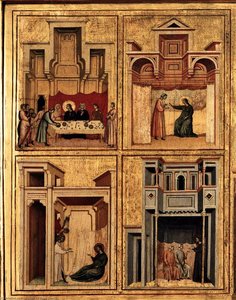
Master of Saint Cecilia
1450 - 1510 , Italy
基本情報
- Artistic Movement Or Style: Early Netherlandish Renaissance
- Artists Or Movements Influenced By This Artist: ['Northern European Art']
- Artists Who Influenced This Artist:
- Jan van Eyck
- Rogier van der Weyden
- Date Of Death: 1510
- Full Name: Master of Saint Cecilia
- Nationality: Dutch
- Notable Artworks:
- Saint Bartholomew Altarpiece
- Madonna and Child with Saint Anne
- Place Of Birth: Italy
関連記事
Late Medieval Masterpieces: 10 Artworks That Defined an Era | ArtsDot
Journey through 10 defining Late Medieval masterpieces – from Giotto's frescoes to Jan van Eyck’s realism. Explore the stories, techniques & vibrant colors of Gothic art. Find museum-quality reproductions and elevate your home decor with ArtsDot.com! Discover all masterpieces on ArtsDot.com

High Medieval Art: 10 Masterpieces That Shaped an Era | ArtsDot
Journey through High Medieval Art! Explore 10 iconic masterpieces – from Giotto's frescoes to stunning Gothic cathedrals. Discover the stories behind these timeless paintings, sculptures & illuminated manuscripts. Find museum-quality art reproductions at ArtsDot.com.

Illuminating History: A Comprehensive Exploration of Tempera Painting Techniques & Artistic Legacy
Explore the rich history & techniques of tempera painting! Discover Renaissance masters like Botticelli & Fra Angelico, conservation insights, and the enduring legacy of this captivating art form.

Illuminating Surfaces: A Comprehensive Exploration of Tempera on Panel Painting Techniques & Historical Significance
Explore the rich history & techniques of tempera painting! Discover Renaissance masters like Botticelli & Fra Angelico, conservation insights, and the enduring legacy of this captivating art form. Learn more now!
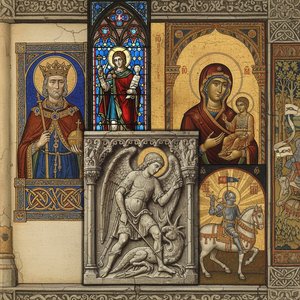
Illuminating Faith & Power: A Journey Through Medieval Art (c. 500 – c. 1500)
Explore the rich history of Medieval Art (c. 500 – c. 1500) with ArtsDot. Discover Byzantine mosaics, Gothic cathedrals & Renaissance masterpieces. Expert insights & museum-quality reproductions.

