

 プレビュー
プレビュー
 シェアする
シェアする シェアする
シェアする
 詳細を見る
詳細を見る

 ダウンロード
 似ている作品
 X線調査
X線調査 スライドショー
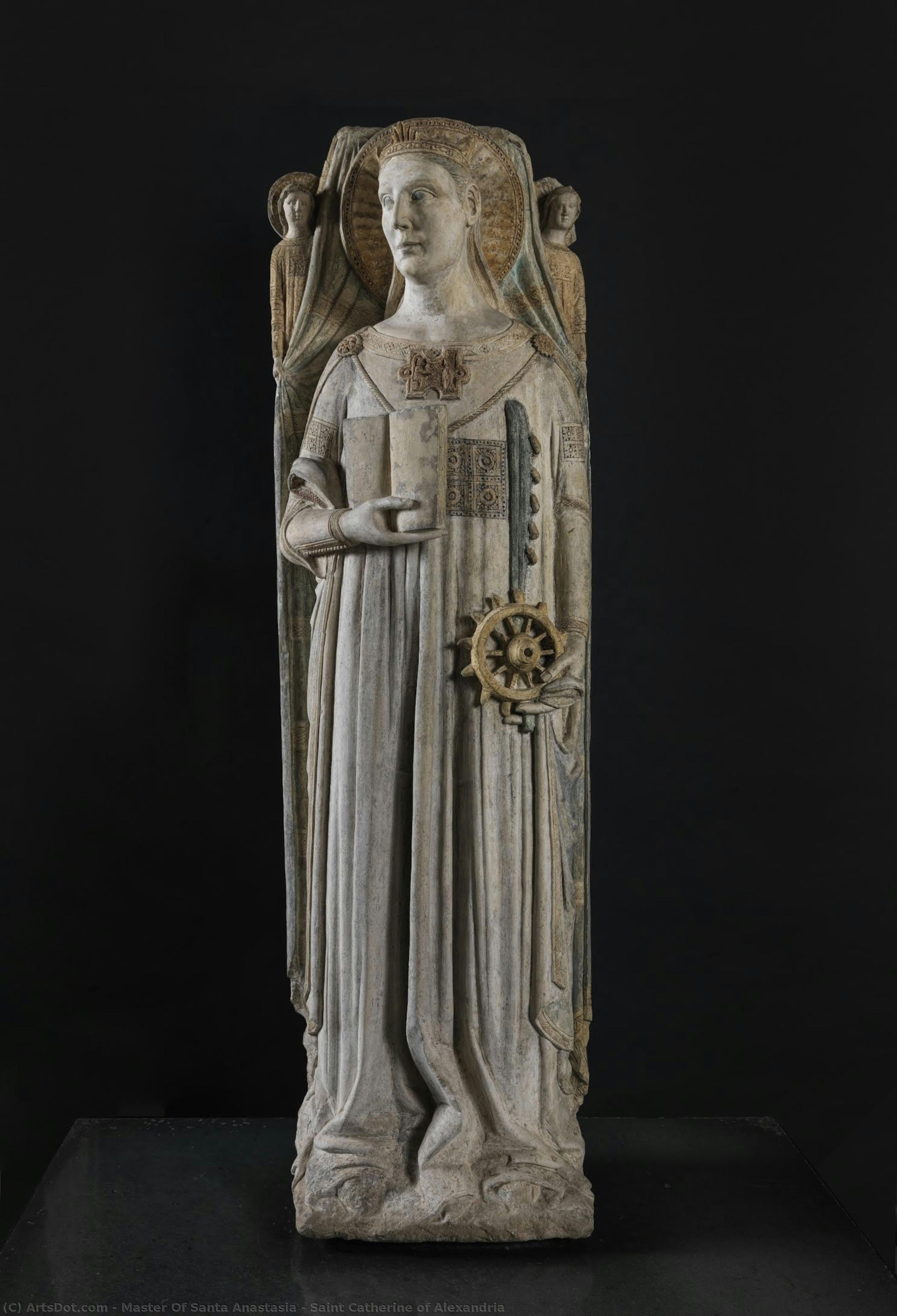
Saint Catherine of Alexandria
 Late Gothic
 1300
1300 53.0 x 34.0 cm
 カステルヴェッキオ美術館
 詳細を見る
詳細を見る
ジークレー/アートプリント
迅速な制作と多彩な仕上げオプションを備えた、ミュージアムクオリティのジークレーまたはキャンバスプリント。 ( 手描きの絵画を購入 画像を購入)




P118B $10

P118H $10

P118W $10

P438Z $10

P508JH $12

P508YH $12

P805H $10

P805Z $10

P919BZ $10

P919G $10

P919XJ $10

P959ZH $10

P968JZ $12

W106C $8

W218G $10

W218JH $8

W218Y $10

W307PJ $10

W316G $10

W316PJ $8

W316Y $10

W398PJ $8

W4111J $10

W500HY $15

W500JH $15

W692G $12

W849H $8

W940BG $15

W953PJ $8




作品のオリジナル比率に合わせた、当店の規定サイズからお選びください。

特定のフレームやスペースに合わせて、ご自身でサイズを指定することも可能です。選択されたサイズが元の画像の比率と一致しない場合、作品をトリミングするか、鏡面反射または単色での塗りつぶしによって画像を拡張いたします。制作を開始する前に、ご確認用のデジタルモックアップをお送りいたします。
画面上のプレビューには、実際のトリミングや拡張は反映されませんのでご注意ください。最終的な構図を正確に確認できるのは、モックアップのみとなります。
カスタムサイズも承っておりますが、元の比率を維持するためには、あらかじめ用意されたリストからサイズを選択することをお勧めいたします。


 ガラスオプションは、110cm未満のサイズでのみご利用いただけます。

Saint Catherine of Alexandria
ジークレー/アートプリント
複製画のサイズ
-


合計金額
$ 62
関連作品
アーティストの略歴
Master of Santa Anastasia
The Master of Santa Anastasia remains one of Verona’s most enigmatic artistic figures, shrouded in mystery despite the undeniable brilliance of his oeuvre. Precise biographical details are scarce—scholars debate his origins and identity—but evidence suggests he flourished during the late Gothic period (circa 1390-1450), establishing himself as a prominent sculptor and painter within Verona’s vibrant artistic landscape. His name derives from the iconic St. Anastasia icon housed in Santa Anastasia Basilica, where he executed a strikingly original depiction of Saint George slaying the dragon—a piece that transcends mere representation, embodying profound theological symbolism and reflecting the anxieties of his time.- Provenance: Precise birthplace remains elusive, though scholarly consensus points to Northern Europe (possibly Germany), influenced by Germanic sculptural traditions.
- Early Career: Records indicate he began his artistic journey in Trentino, where he honed his skills under the tutelage of Giovanni di Pietro da Luca, a renowned sculptor who championed the stylistic innovations emerging from Florence.
- Notable Commissions: The Master secured prestigious commissions throughout Verona and beyond, notably the monumental sculptures adorning Castelvecchio’s Piazza Bra and the intricate terracotta reliefs decorating Santa Maria Maggiore.
The Basilica of Santa Anastasia and Saint George's Fresco
Santa Anastasia Basilica stands as a testament to the Master’s artistic vision—a cathedral conceived as an embodiment of faith and civic pride. Constructed in 1290 by the Dominican Order, it quickly became a beacon of Gothic art in Verona, attracting architects and artists eager to experiment with new techniques and expressive styles. The Master's contribution was paramount: he undertook the ambitious project of creating a monumental ark—a gilded shrine housing relics of St. Peter—and sculpted its elaborate decorations, reflecting the grandeur of the era. However, it is Saint George and the Princess fresco that cemented his reputation as Verona’s foremost artist. Executed between 1433 and 1438, this masterpiece exemplifies Proto-Renaissance aesthetics—characterized by rounded lines, soft modeling, and a masterful use of color—and delves into complex allegorical themes. Giorgio Vasari lauded it for its “design, grace, and extraordinary wisdom,” recognizing its profound spiritual depth and artistic innovation. The fresco’s narrative recounts the martyrdom of St. George, symbolizing Christian courage and triumph over evil, while simultaneously referencing Dante Alighieri's exile from Florence—a poignant commentary on political turmoil and humanist ideals prevalent during the period.Sculptural Style and Influences
The Master’s sculptural style is distinguished by its plasticity and expressive dynamism—traits inherited from Germanic sculpture and refined under Florentine artistic influence. His figures possess a palpable sense of movement, conveying emotion and embodying idealized human form. The sculptor skillfully employed terracotta—a locally abundant material—to create monumental sculptures that adorned public spaces throughout Verona. These works demonstrate an acute understanding of anatomy and drapery, reflecting the humanist ideals championed by Leonardo Bruni and Pico della Mirandola—figures who profoundly impacted artistic thought during the Renaissance.Legacy and Significance
The Master of Santa Anastasia’s legacy extends far beyond his individual creations—he established a distinctive stylistic tradition that shaped Verona's artistic landscape for decades to come. His influence can be discerned in subsequent sculptures and frescoes, demonstrating the enduring power of Proto-Renaissance aesthetics. Moreover, he stands as an exemplar of Veronese craftsmanship—a testament to the city’s commitment to artistic excellence during its formative years. Despite the paucity of biographical information, his contribution to Verona's cultural heritage remains undeniable—a symbol of faith, civic pride, and artistic innovation that continues to inspire admiration and scholarly inquiry.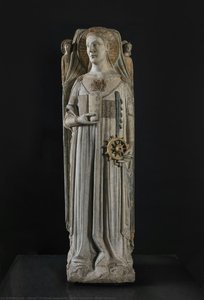
基本情報
- Artistic Movement Or Style: Late Gothic Art
- Artists Or Movements Influenced By This Artist: ['Proto-Renaissance Masters']
- Artists Who Influenced This Artist:
- Giotto
- Masaccio
- Full Name: Master of Santa Anastasia
- Nationality: Italian
- Notable Artworks: ['Saint George and the Princess']
- Place Of Birth: Verona, Italy
関連記事

Bronze Sculptures That Defined Art History | ArtsDot
Journey through art history with our Top 10 bronze sculptures! Explore masterpieces by Rodin, Michelangelo & more. Discover stories behind iconic statues and find museum-quality reproductions for your home decor at ArtsDot.com.

The Enduring Form: Exploring Themes & Techniques in Sculpture Across Historical Periods
Explore the rich history of sculpture from ancient masterpieces to contemporary innovations. Discover key techniques, influential artists & investment potential for discerning art collectors.

Bronze Age to Modern Masters: 10 Sculptures That Redefined Art | ArtsDot
Journey through art history with 10 legendary bronze sculptures – from Michelangelo's David to Rodin’s Thinker. Explore the stories, techniques & timeless beauty of these masterpieces. Find museum-quality reproductions & elevate your home decor on ArtsDot.com.

The Enduring Form: Sculpture Across History, Technique & Emotional Resonance
Explore the rich history of sculpture with ArtsDot. Discover key techniques, influential artists & investment potential for discerning collectors. Expert insights into valuing and collecting timeless masterpieces.
High Medieval Art: 10 Masterpieces That Shaped an Era | ArtsDot
Journey through High Medieval Art! Explore 10 iconic masterpieces – from Giotto's frescoes to stunning Gothic cathedrals. Discover the stories behind these timeless paintings, sculptures & illuminated manuscripts. Find museum-quality art reproductions at ArtsDot.com.

