

 プレビュー
プレビュー
 プリントを購入
 シェアする
シェアする シェアする
シェアする
 詳細を見る
詳細を見る

 ダウンロード
 似ている作品
 X線調査
X線調査 スライドショー
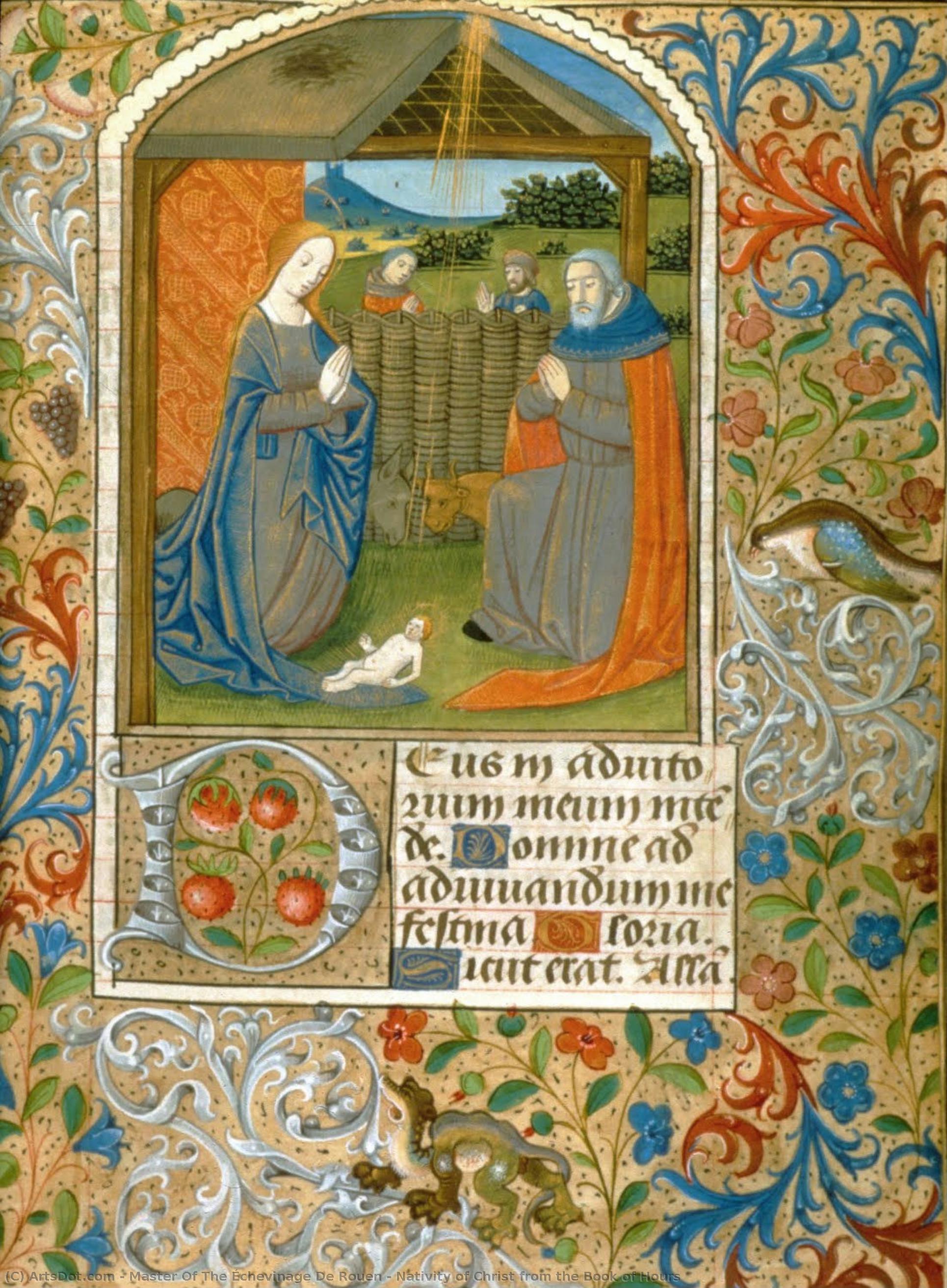
Nativity of Christ from the Book of Hours
 Manuscript
- Late Medieval
 1480
1480- Late Medieval
 20.0 x 15.0 cm
 Chrysler Museum of Art
 詳細を見る
詳細を見る
オンラインプレビューをはるかに凌ぐ、高解像度で鮮明なデジタル画像をご購入いただけます。
各ファイルは、社内の専門家が高度なツールと熟練した手作業によるレタッチを用いて、細心の注意を払って準備されています。すべての画像において、卓越した鮮明度、正確な色彩再現性、そして繊細なディテールを保証いたします。
最終ファイルは、プロフェッショナルな編集・印刷環境ですぐにご利用いただけるよう最適化された状態で、72時間以内にメールにてお届けいたします。これは、一流のデザインスタジオ、出版社、ギャラリーから信頼されているものと同等の品質です。
デジタル画像のご注文に付随する特典
高品質なデジタル画像配信を、確かな品質で。
ArtsDot.com を選ぶことは、単に画像を手に入れることではありません。それは、プロの手によって精密に仕上げられ、満足保証が付いた高品質なデジタルアートワークを受け取ることを意味します。ご注文いただいた際に自動的に付随する内容は、以下の通りです:

メールですぐにお届け
ご注文から72時間以内に、高解像度のデジタル画像ファイルがメールでお手元に届きます。すぐにそのままご利用いただけます。

AI技術で最適化されたデジタルファイル
お客様の作品は、高度なAIツールと専門家による手作業の編集を組み合わせてプロフェッショナルに最適化されており、細部のディテール、鮮明さ、そして正確な色再現性を最大限に引き出しています。

一生涯無料の再送サービス
ファイルを誤って削除したり、紛失してしまったりしましたか?ご安心ください。いつでも無料で再送いたします。

輸入手数料は一切かかりません
関税や手数料、配送料を気にすることなく、お気に入りのアートワークをすぐにお楽しみいただけます。デジタルダウンロードは常に免税です。

色彩再現の保証
プロ仕様のツールとカラーマネジメント技術を用いることで、デジタル画像が元の色を最大限に忠実に再現することを保証いたします。

60日間満足保証
ご購入いただいたデジタル画像にご満足いただけない場合は、60日以内であれば、修正または100%の返金(理由を問う必要はありません)をさせていただきます。

100% 返金保証
ご満足いただけない場合は、デジタルファイルを受け取ってから60日以内であれば、理由を問わず全額返金いたします。

まとめ買い割引
3枚購入で10%OFF - 5枚購入で15%OFF - 10枚以上購入で20%OFF。クリエイティブなプロジェクト、ギャラリー、エージェンシーに最適です。
A Sacred Window into the Late Middle Ages
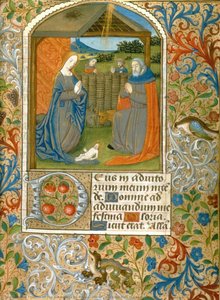
In the quiet intimacy of a fifteenth-century devotional life, few objects held as much spiritual weight as the illuminated manuscript. The Nativity of Christ from the Book of Hours, crafted around 1480 by the master of the échevinage de rouen, serves as a breathtaking portal into this era of profound piety. This delicate miniature, measuring just 20 x 15 cm, was not merely a book but a vessel for prayer, designed to guide the faithful through the canonical hours of the day. As the eye wanders across the page, one is immediately struck by the lavish golden border that frames the sacred scene, a testament to the immense value placed on such hand-painted treasures. The artistry reflects a period when every stroke of pigment and application of gold leaf was an act of devotion, intended to elevate the reader's mind from the earthly realm toward the divine.
The composition of this masterpiece is a masterful blend of the celestial and the terrestrial. At its heart lies the Nativity, where the Virgin Mary cradles the infant Jesus with a tenderness that transcends centuries. Nearby, Joseph stands in quiet contemplation, anchoring the holy family within a scene that feels both monumental and deeply personal. Yet, what makes this particular illumination truly captivating for the modern observer is the subtle infusion of secular life into the sacred narrative. The presence of two dogs—one on the left and another on the right—and an apple tree scattered with fruit introduces a sense of lived reality. These elements suggest that the miracle of Christ's birth is not an isolated event in a vacuum, but one woven into the very fabric of the natural world, making the divine accessible to the everyday observer.
Technique and the Art of Illumination
The master of the échevinage de rouen demonstrates a level of technical precision that remains awe-inspiring even by contemporary standards. The use of vibrant pigments, likely derived from precious minerals, creates a rich color palette that has survived the passage of half a millennium. The artist employs a delicate layering technique to achieve depth within such a small scale, using fine brushwork to define the soft folds of Mary's garments and the subtle textures of the surrounding landscape. The interplay between the luminous gold leaf and the saturated blues and reds creates a rhythmic visual movement, drawing the viewer into the miniature's intricate details. This meticulous craftsmanship is further highlighted by the embellished Latin invocation, “Deus, veni in adiutorium meum” (Oh God, come to my aid), where the ornate letter “D” serves as both a linguistic and artistic anchor for the page.
For collectors and interior designers alike, a high-quality reproduction of this work offers more than just aesthetic beauty; it provides a sense of historical continuity and intellectual depth. The painting’s ability to balance religious solemnity with charming, earthly details—such as the bird perched in the corner or the scattered apples—makes it a versatile piece for sophisticated decor. Whether placed in a study filled with classical literature or as a focal point in a gallery-style living space, this artwork invites contemplation and conversation. It is a piece that does not merely decorate a room but enriches its atmosphere, bringing the quiet, luminous spirit of the French Renaissance into the modern home.
関連作品
作家の略歴
The Master of the Échevinage de Rouen: A Beacon of Late Medieval French Illuminatory Art
In the quiet, hallowed corridors of fifteenth-century France, where the flicker of candlelight danced across vellum, there existed a period of profound spiritual and artistic transformation. At the heart of this movement stood the Master of the Échevinage de Rouen, an artist whose name remains synonymous with the understated brilliance and meticulous craftsmanship of the late Middle Ages. Though his personal biography remains shrouded in the mists of time—much like the historical shadows that obscure his true identity—his presence is felt through the breathtaking vitality of his illuminated manuscripts. Born in Rouen around 1460, this master emerged from a city experiencing an unprecedented cultural renaissance, a period following the expulsion of the English in 1449 that saw Rouen blossom into a premier center for manuscript production and artistic innovation.
The artistry of the Master was not born in isolation but was instead a product of a vibrant, interconnected European landscape. His style suggests a deep engagement with the burgeoning trends of his era, particularly the subtle yet powerful Flemish influences that were sweeping across the continent. One can detect echoes of the monumental realism found in works like the Ghent Altarpiece, a stylistic convergence that allowed him to bridge the gap between traditional medieval iconography and the emerging humanist ideals. This synthesis of styles enabled him to move beyond mere religious symbolism, infusing his sacred scenes with a sense of tangible, lived reality that would resonate with the faithful for generations.
A Mastery of Light, Color, and Devotional Intimacy
To gaze upon a work by the Master is to enter a sacred window into the late Middle Ages. His most celebrated achievement, the “Nativity of Christ from the Book of Hours,” serves as a definitive testament to his technical prowess and emotional depth. In this delicate miniature, the artist demonstrates an extraordinary ability to balance the celestial with the terrestrial. While the central focus remains the profound tenderness of the Virgin Mary cradling the infant Jesus, the Master weaves in elements of the everyday that ground the miracle in the natural world. The presence of an apple tree laden with fruit and the quiet companionship of two dogs are not mere decorations; they are intentional strokes of genius that suggest the divine is woven into the very fabric of earthly existence.
The technical execution of his workshop was nothing short of awe-inspiring. His use of vibrant, precious pigments and the masterful application of gold leaf created a luminous effect that seemed to elevate the reader's mind from the earthly realm toward the divine. The Master’s work is characterized by several defining artistic hallmarks:
- Remarkable Realism: A departure from earlier, more stylized medieval representations in favor of anatomical accuracy and emotional nuance.
- Masterful Color Palettes: The use of rich, saturated tones that breathe life into both secular chronicles and devotional psalters.
- Intricate Border Work: Lavish golden borders that frame sacred narratives, acting as a transition between the physical book and the spiritual vision within.
- Humanist Infusion: An emphasis on the human experience, making religious figures feel accessible, personal, and deeply relatable.
Legacy of the Rouen Workshop
The historical significance of the Master of the Échevinage de Rouen extends far beyond the individual pages of his manuscripts. He presided over a flourishing workshop that became a cornerstone of the Rouen artistic community, shaping the aesthetic sensibilities of an era defined by both piety and burgeoning humanist thought. His ability to command such a prolific output—ranging from secular chronicles to deeply personal devotional books—speaks to a versatile genius capable of meeting the diverse demands of his patrons.
As the centuries progressed, the influence of his meticulous style helped pave the way for the more complex and naturalistic traditions that would follow in the late Renaissance. Though he may remain an anonymous figure in the traditional sense, his legacy is etched in gold and pigment upon the most precious treasures of French history. Through his work, we continue to witness the moment when the solid stone of medieval tradition began to dissolve into a dance of color, light, and human emotion, leaving behind a permanent mark on the soul of Western art.
プロフィール概要
- Artistic Movement Or Style: Late Medieval Illumination
- Date Of Birth: (Living)
- Full Name: master of the échevinage de rouen
- Nationality: French
- Notable Artworks: ['Nativity of Christ from the Book of Hours']
- Place Of Birth: Rouen, France

