

 プレビュー
プレビュー
 シェアする
シェアする シェアする
シェアする
 詳細を見る
詳細を見る

 ダウンロード
 似ている作品
 X線調査
X線調査 スライドショー
 統計情報
統計情報Virgin and Child
 Oil On Panel
- WallArt
- Northern Renaissance
 1525
1525- Renaissance
 10.0 x 8.0 cm
 メトロポリタン美術館
 詳細を見る
詳細を見る
ジークレー/アートプリント
迅速な制作と多彩な仕上げオプションを備えた、ミュージアムクオリティのジークレーまたはキャンバスプリント。 ( 手描きの絵画を購入 デジタル画像販売へ切り替え)




P118B $10

P118H $10

P118W $10

P438Z $10

P508JH $12

P508YH $12

P805H $10

P805Z $10

P919BZ $10

P919G $10

P919XJ $10

P959ZH $10

P968JZ $12

W106C $8

W218G $10

W218JH $8

W218Y $10

W307PJ $10

W316G $10

W316PJ $8

W316Y $10

W398PJ $8

W4111J $10

W500HY $15

W500JH $15

W692G $12

W849H $8

W940BG $15

W953PJ $8




作品のオリジナル比率に合わせた、当店の規定サイズからお選びください。

特定のフレームやスペースに合わせて、ご自身でサイズを指定することも可能です。選択されたサイズが元の画像の比率と一致しない場合、作品をトリミングするか、鏡面反射または単色での塗りつぶしによって画像を拡張いたします。制作を開始する前に、ご確認用のデジタルモックアップをお送りいたします。
画面上のプレビューには、実際のトリミングや拡張は反映されませんのでご注意ください。最終的な構図を正確に確認できるのは、モックアップのみとなります。
カスタムサイズも承っておりますが、元の比率を維持するためには、あらかじめ用意されたリストからサイズを選択することをお勧めいたします。


 ガラスオプションは、110cm未満のサイズでのみご利用いただけます。

Virgin and Child
ジークレー/アートプリント
複製画のサイズ
-


合計金額
$ 62
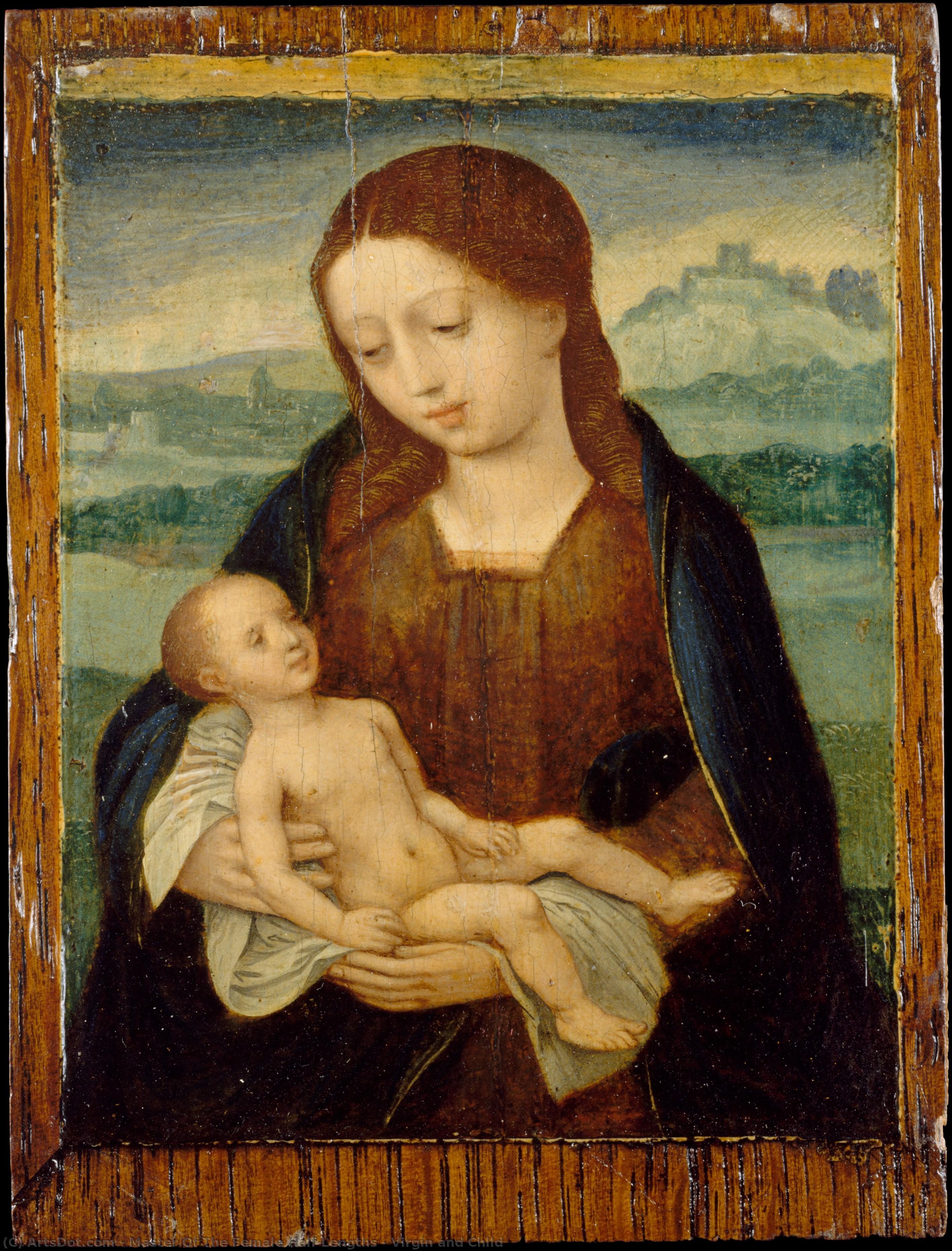
A Tender Encounter in Miniature
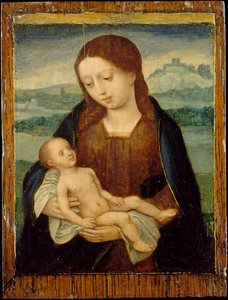
In the quiet intimacy of this exquisite 16th-century masterpiece, we encounter a moment of profound tenderness that transcends the centuries. The Virgin and Child, attributed to the enigmatic Master of the Female Half-Lengths, is far more than a mere religious icon; it is a window into the soulful devotion of the Northern Renaissance. At first glance, the viewer is drawn into the soft embrace of the Virgin Mary, whose gentle presence anchors the composition. She holds her infant son with a maternal grace that feels both regal and deeply human. The child, swathed in luminous white drapery, rests comfortably against her chest, his small form a testament to the vulnerability and purity central to this devotional scene. The subtle interplay of light across their skin and the delicate contrast between her deep blue mantle and the soft landscape beyond create a visual harmony that is as soothing as it is captivating.
The scale of this work—a mere 10 x 8 cm—is perhaps its most enchanting attribute. This was not a grand altarpiece destined for a cathedral, but a portable treasure, likely crafted for the private hands of a traveler or a merchant. Such small-scale paintings served as spiritual companions, designed to be held close during journeys, offering a moment of silent prayer and reflection amidst the chaos of the world. To possess such a piece is to hold a fragment of history that was once a personal sanctuary for its owner.
The Mystery of the Antwerp Workshop
To look upon this painting is to engage with one of art history’s most fascinating puzzles. The artist, known only by the descriptive title Master of the Female Half-Lengths, represents not a single hand, but likely a highly skilled workshop active in the bustling markets of the Low Countries around 1525. This era saw the rise of the Antwerp pand, a sophisticated art market where works were produced on speculation to meet an international demand. The technical prowess displayed here—the meticulous rendering of fabric textures, the atmospheric depth of the distant hills, and the delicate facial features—speaks to a level of craftsmanship that was both commercially successful and artistically profound.
The style reflects the burgeoning Northern Renaissance aesthetic, where naturalism and psychological realism began to merge with traditional religious themes. While the background features a serene landscape of trees and rolling hills, providing a sense of eternal peace, the true focus remains the emotional connection between mother and child. The presence of secondary figures in the periphery adds a layer of narrative complexity, suggesting a larger world that exists just beyond this sacred moment, yet they remain subordinate to the central, luminous bond of the Virgin and her son.
An Inspiration for the Modern Collector
For the discerning collector or interior designer, a reproduction of this masterpiece offers an unparalleled opportunity to introduce a sense of timeless elegance and spiritual calm into a contemporary space. The painting’s palette—dominated by serene blues, pure whites, and earthy, natural tones—complements a wide variety of decor styles, from classical European aesthetics to modern minimalist interiors. It serves as a sophisticated focal point that invites conversation and contemplation.
Integrating such a high-quality hand-painted reproduction into a room does more than decorate a wall; it curates an atmosphere. Whether placed in a quiet study, a sunlit reading nook, or a grand hallway, the Virgin and Child brings with it a legacy of devotion and an aura of historical prestige. It is an invitation to slow down, to appreciate the fine details of human emotion, and to surround oneself with the enduring beauty of the Renaissance spirit.
関連作品
アーティストの略歴
The Enigmatic Master of the Female Half-Lengths
The Master of the Female Half-Lengths, a name bestowed upon a workshop of painters active in the Low Countries during the early sixteenth century, remains one of art history’s most enduring mysteries. Despite extensive scholarly investigation and meticulous stylistic analysis, definitive attribution to a single artist has proven elusive—a fact that only amplifies the fascination surrounding this prolific creator of exquisitely rendered female portraits. The very obscurity of his identity contributes to the aura of artistic genius that surrounds his oeuvre, cementing his place as a pivotal figure within the burgeoning Northern Renaissance aesthetic.- Early Life and Origins: Precise biographical details concerning the Master’s birthdate and familial background are scant. Records indicate he was born around 1505 in Bruges, though speculation persists regarding his parentage—likely descended from Flemish artists with connections to Italian humanist circles.
- Workshop Production & Style: The remarkable output of approximately sixty-seven paintings attributed to the Master is a testament to the scale and sophistication of his workshop. His distinctive style is characterized by an unparalleled sensitivity to detail, particularly in depictions of female figures—young women presented at half-length against softly rendered backgrounds, embodying ideals of beauty and virtue.
A Symphony of Light and Color: Artistic Influences
The Female Figure: A Symbol of Renaissance Ideals
- Idealized Beauty: The Master's female portraits exemplify the humanist preoccupation with idealized beauty—a concept rooted in classical notions of proportion and harmony. Each figure possesses a heart-shaped face, serene gaze, and graceful posture, conveying an aura of innocence and refinement.
- Psychological Depth: Beyond mere visual representation, the Master sought to capture psychological nuance within his subjects’ expressions. His portraits convey subtle emotions—quiet contemplation, gentle melancholy—demonstrating a remarkable understanding of human psychology.
Legacy and Significance
Notable Works
- The Virgin and Saint John the Evangelist: This monumental panel exemplifies the workshop’s mastery of perspective and color harmony, capturing the spiritual essence of Christian iconography with breathtaking subtlety.
- The Flight into Egypt: Rendered in luminous pigments against a richly textured landscape backdrop, this painting embodies the humanist fascination with naturalistic representation—a hallmark of the Master's artistic idiom.
master of the female half-lengths
Netherlands
基本情報
- Artistic Movement Or Style: Northern Renaissance
- Artists Or Movements Influenced By This Artist:
- Joachim Patinir
- Bernard van Orley
- Full Name: Master of the Female Half-Lengths
- Nationality: Dutch
- Notable Artworks:
- The Virgin and Saint John the Evangelist
- The Flight into Egypt
- Place Of Birth: Netherlands
関連記事

The Enduring Legacy of Fine Art Prints: Technique, History & Aesthetic Impact
Explore the rich history & techniques of fine art prints. Discover investment potential, assess authenticity, and learn how to preserve your collection with expert guidance. Trusted insights for discerning collectors.

Echoes of Time: Exploring the Enduring Appeal & Historical Context of Vintage Art Prints
Explore the captivating world of vintage art prints! Discover their history, collecting tips & enduring appeal. Expert insights on chromolithography and building a legacy collection with ArtsDot.

Giclée Prints: Archival Quality & Aesthetic Nuances for the Discerning Collector
Explore the world of giclée prints with ArtsDot. Learn about archival quality, aesthetic nuances & investment potential. Expert guidance for discerning art collectors seeking museum-quality reproductions and lasting value.

ウフィツィ美術館の至宝25選:ルネサンス巨匠たちの傑作とアートデコレーション
ウフィツィ美術館の至宝25選:ボッティチェリ、レオナルド・ダ・ヴィンチ…ルネサンス巨匠たちの傑作と感動的な物語を紐解きます。高品質な絵画複製やアートプリントで、お部屋に名画の輝きを。ArtsDot.comで芸術の世界へ。
ラファエロ傑作25選:ルネサンス巨匠の物語と芸術の世界 | ArtsDot
ラファエロの傑作25選🎨 ルネサンス巨匠の物語と芸術の世界を紐解きます。美しい絵画複製や壁掛けアートで、お部屋に名画の彩りを。ArtsDot.comで、美術史に残る作品群をご覧ください✨