

 プレビュー
プレビュー
 プリントを購入
 シェアする
シェアする シェアする
シェアする
 詳細を見る
詳細を見る

 ダウンロード
 似ている作品
 X線調査
X線調査 スライドショー
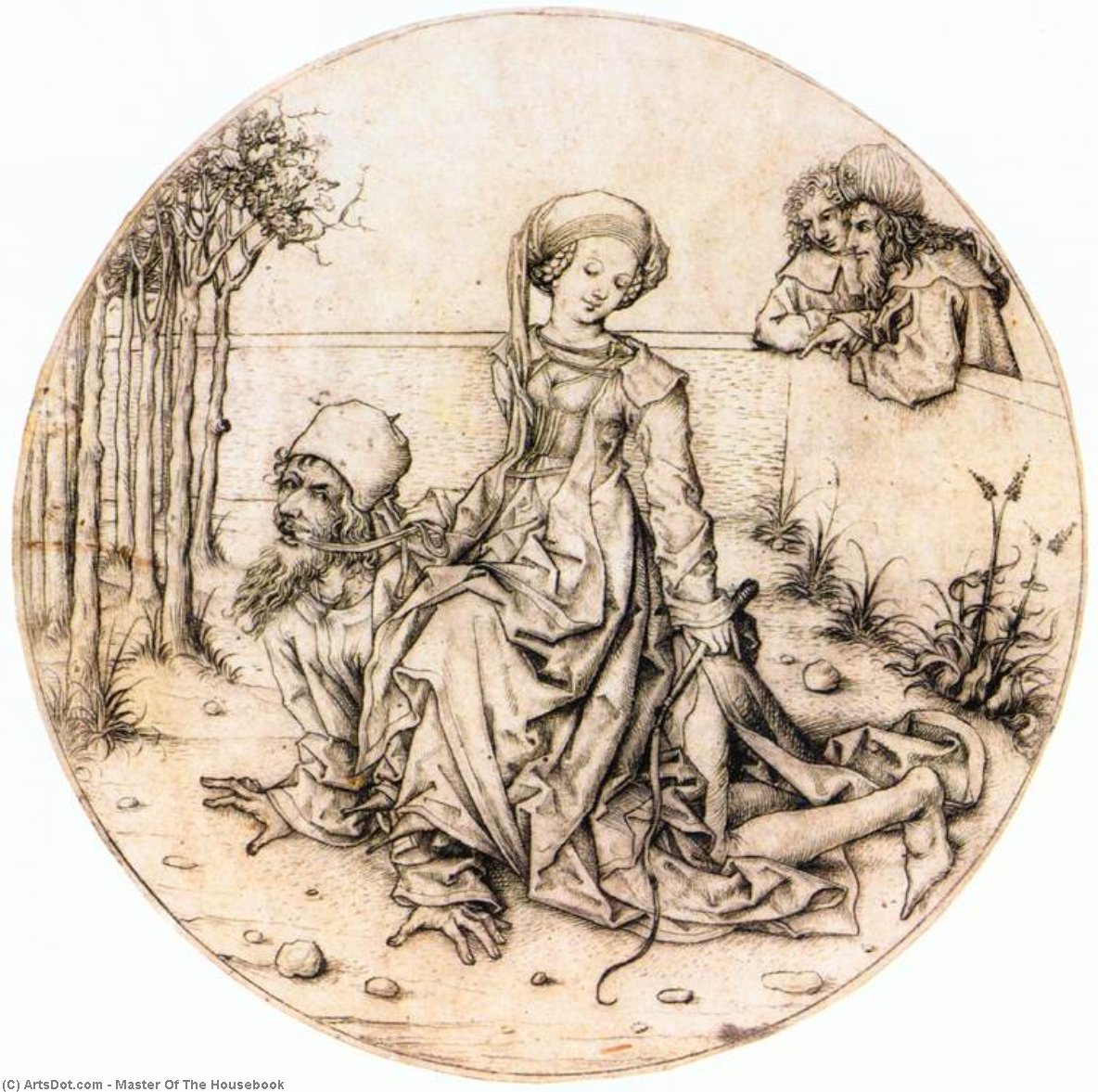
Aristotle and Phyllis
 Painting
- Early Renaissance
 1485
1485- Renaissance
 155.0 x 155.0 cm
 国立美術館 (Rijksmuseum)
 詳細を見る
詳細を見る




P118B $10

P118H $10

P118W $10

P438Z $10

P508JH $12

P508YH $12

P805H $10

P805Z $10

P919BZ $10

P919G $10

P919XJ $10

P959ZH $10

P968JZ $12

W106C $8

W218G $10

W218JH $8

W218Y $10

W307PJ $10

W316G $10

W316PJ $8

W316Y $10

W398PJ $8

W4111J $10

W500HY $15

W500JH $15

W692G $12

W849H $8

W940BG $15

W953PJ $8




作品のオリジナル比率に合わせた、当店の規定サイズからお選びください。

特定のフレームやスペースに合わせて、ご希望のサイズをご入力いただけます。選択されたサイズが元の画像の比率と異なる場合、アートワークをトリミングするか、手描きで要素を追加して絵画を拡張いたします。デジタルモックアップ を制作し、制作開始前にご確認(承認)をいただきます。
画面上のプレビューは、実際のトリミングや拡張を正確に反映しているものではありません。最終的な構図は、モックアップによってのみ正確にご確認いただけます。
カスタムサイズもご利用いただけますが、元の比率を維持するためには、あらかじめ用意されたリストからサイズを選択することをお勧めいたします。
ご注文後、ArtsDot.com チームより詳細な指示をお送りするとともに、仕上がりイメージ(モックアップ)をご提供いたします。


 ガラスオプションは、110cm未満のサイズでのみご利用いただけます。

Aristotle and Phyllis
複製技法
複製画のサイズ
-


合計金額
$ 263
A Renaissance Encounter: The Tale of Aristotle and Phyllis
In the delicate interplay of light and shadow captured within Aristotle and Phyllis, we are transported back to the year 1485, into a world where classical philosophy meets the raw vulnerability of human emotion. This evocative masterpiece by the enigmatic Master of the Housebook presents a scene that is as much a psychological study as it is a narrative painting. At its heart lies a woman, her head bowed in a posture of profound contemplation or perhaps quiet submission, seated amidst the lush, untamed beauty of a natural landscape. The composition draws the eye through a carefully orchestrated depth, leading us from the intimate foreground where the central figure resides, toward the subtle presence of figures standing in the background, creating a sense of a world that extends far beyond the frame.
The artistry of the Master of the Housebook is revealed in the meticulous attention to the natural environment. The backdrop of verdant trees and the inclusion of delicate birds—one soaring near the upper periphery and another nestled near the base—serve as more than mere decoration. They act as silent witnesses to the human drama unfolding below, symbolizing the eternal cycle of nature that persists regardless of human folly or wisdom. The technique employed here reflects the transition from the Late Gothic tradition to the burgeoning Early Renaissance, where a newfound interest in naturalism and spatial depth began to reshape the European visual language. Every brushstroke contributes to an atmosphere that feels both grounded in reality and elevated by myth.
Symbolism and the Weight of History
To understand this work is to delve into the classical lore it depicts. The painting captures a moment of profound moral tension, referencing the legendary tale where the philosopher Aristotle, lost in thought regarding the nature of desire, becomes ensnared by the charms of the nymph Phyllis. This theme of intellect being overcome by passion is woven into the very fabric of the composition. The way the woman sits, grounded and heavy with emotion, contrasts with the ethereal quality of the surrounding woods, suggesting a struggle between the permanence of thought and the fleeting nature of temptation. For the discerning collector, this piece offers a rich tapestry of meaning, where every element—from the tilt of a head to the placement of a bird—inviting the viewer to decode a complex moral allegory.
For interior designers and lovers of fine art, Aristotle and Phyllis serves as a magnificent focal point that commands attention through its narrative depth. A high-quality hand-painted reproduction of this work brings more than just color into a room; it introduces a sense of historical gravity and intellectual curiosity. The soft, natural palette and the organic composition allow it to integrate seamlessly into sophisticated spaces, whether they be classic studies or contemporary living areas seeking a touch of Old World soul. It is an invitation to pause, to reflect, and to lose oneself in the timeless beauty of a Renaissance moment preserved for the modern age.
関連作品
アーティストの略歴
The Enigmatic Master of the Housebook: A Renaissance Pioneer
The identity of the “Master of the Housebook” remains one of art history’s most enduring mysteries, a captivating puzzle that has occupied scholars for over a century. This anonymous artist, active in South Germany during the late 15th and early 16th centuries, stands as a pivotal figure bridging the gap between the Late Gothic and Early Renaissance periods. His legacy isn't defined by grand monuments or universally recognized masterpieces, but rather by a remarkable collection of prints – ninety-one works that offer an unprecedented glimpse into the daily life, social customs, and artistic sensibilities of his time. The core of his fame rests upon the “Housebook of Wolfegg Castle,” a lavishly illustrated manuscript commissioned by the Waldburg-Wolfegg noble family, which provides both the subject matter and the visual vocabulary for his prints.
The Housebook itself is a treasure trove of information. It’s not merely a chronicle of courtly life; it's a practical manual encompassing household management, weaponry instruction (including detailed depictions of siege engines), mining techniques, recipes, astrological observations, and even moral tales – all rendered in vibrant watercolor illustrations. The artist’s skill is immediately apparent: he masterfully blended meticulous detail with a remarkable sense of dynamism and human interest. The scenes are not idealized or allegorical; they depict ordinary people engaged in everyday activities—farmers tending their fields, servants preparing meals, huntsmen pursuing game, and noblemen enjoying leisure pursuits. This focus on secular subjects was remarkably progressive for the era, marking a departure from the predominantly religious themes that dominated much of medieval art.
The Art of Drypoint: A Revolutionary Technique
What truly distinguishes the Master of the Housebook is his pioneering use of drypoint engraving – a technique he essentially invented. Unlike traditional engraving, which relies on incising lines into metal with sharp tools, drypoint involves scratching an image directly onto a copper plate using a needle or stylus. This creates a burr—a raised ridge along the line—that catches ink and produces a velvety, soft tonal effect. The result is a print that possesses a unique richness and immediacy, capturing subtle gradations of light and shadow with unparalleled sensitivity. The limited number of impressions possible with drypoint – typically only ten to twenty – further enhances the rarity and value of his prints.
This technique was revolutionary for its time, offering an unprecedented level of detail and tonal variation. It allowed the artist to create images that were remarkably lifelike and expressive, capturing not just the appearance but also the texture and atmosphere of the subjects depicted. The influence of this innovation can be seen in the work of later engravers, most notably Albrecht Dürer, who adopted drypoint as a key component of his artistic practice.
Notable Works and Recurring Themes
Among the Master’s numerous prints, several stand out for their technical brilliance and expressive power. “The Lovers” (also known as the Gotha Lovers), depicting a young couple embracing under a canopy of scrolls, is arguably his most famous work. The painting captures an intimate moment of affection with remarkable realism and tenderness. Other notable works include depictions of hunting scenes, household activities, and portraits of noble figures. Recurring themes in his oeuvre include domesticity, leisure, and the celebration of human life – subjects that reflect the artist’s interest in portraying the everyday experiences of his patrons.
The “Pair of Peasants Fighting” is another significant work, showcasing the artist's ability to capture movement and emotion. The dynamic composition and expressive faces of the combatants demonstrate a keen understanding of human psychology. Similarly, the “Foolish Old Man and the Young Girl” offers a poignant commentary on social inequality and the folly of age-based prejudice.
The Identity Debate: Erhard Reuwich and Beyond
For decades, art historians have debated the identity of the Master of the Housebook. The most enduring theory – championed by Arthur Mayger Hind – identifies him as Erhard Reuwich, a Utrecht-based engraver and printer who is believed to have created the panoramic view of Venice in 1483/84 for Jean de Berry’s itinerary. This identification rests on stylistic similarities between Reuwich's woodcuts and the engravings attributed to the Master, as well as evidence suggesting that Reuwich worked for the Waldburg-Wolfegg family. However, this attribution remains controversial, with some scholars arguing that the stylistic differences are too significant to ignore.
Despite ongoing debate, the “Master of the Housebook” continues to fascinate art historians and collectors alike. His prints represent a remarkable achievement in printmaking—a testament to his technical skill, artistic vision, and profound understanding of human nature. The mystery surrounding his identity only adds to the allure of this enigmatic Renaissance pioneer.
基本情報
- Artistic Movement Or Style: Early Netherlandish
- Artists Or Movements Influenced By This Artist: ['Albrecht Dürer']
- Artists Who Influenced This Artist:
- Masaccio
- Martin Schongauer
- Full Name: Master of the Housebook
- Nationality: German
- Notable Artworks:
- The Lovers
- Two Peasants Fighting
- Virgin in the Clouds
- Place Of Birth: South Germany
関連記事
現代ギャラリーにおける美術複製版の戦略的役割:模倣を超えて、権威と鑑賞体験を再構築する
現代ギャラリーにおける美術複製版の戦略的役割を徹底分析。贋作問題、流通構造の変化、鑑賞体験の再構築、技術革新まで深く掘り下げ、アート投資やコレクションに役立つ情報を提供します。専門家による視点と信頼性の高いデータに基づいた高品質な記事です。
Beyond Imitation: The Cultural Resonance of Fine Art Reproduction & Discerning Collectors
Explore the cultural significance of fine art reproduction & its appeal to discerning collectors. Discover how reproductions enhance aesthetics, build collections, and signal status. Expert insights & museum-quality artistry.
油彩、キャンバス、紙による芸術的再現:技法と鑑賞の深淵を探る
油彩、キャンバス、紙を用いた芸術的再現の技法を深く探求。古典絵画の材料研究からオールドマスターの視点まで、ArtsDotが美術史と実践的な知識を提供します。高品質な手描き複製やカスタムポートレートも承ります。
Beyond Replication: Sustaining Art Heritage Through Inspired Reproductions in Contemporary Interiors
Discover museum-quality art reproductions & bespoke paintings crafted by skilled artists. Elevate your home with timeless masterpieces – ethically sourced, expertly curated, and guaranteed to inspire. Explore our collection today!
富裕層の嗜好を彩る芸術:オーダーメイド複製画が示す名声と贈与の深遠な遺産
富裕層の芸術鑑賞ニーズに応えるオーダーメイド複製画。共同印刷「彩美版®」の卓越した技術と品質、資産価値のある美術品としての側面、そして世代を超えて受け継がれる贈与の物語をお届けします。アートコンサルティングも承ります。

