

 プレビュー
プレビュー
 シェアする
シェアする シェアする
シェアする
 詳細を見る
詳細を見る

 ダウンロード
 似ている作品
 X線調査
X線調査 スライドショー
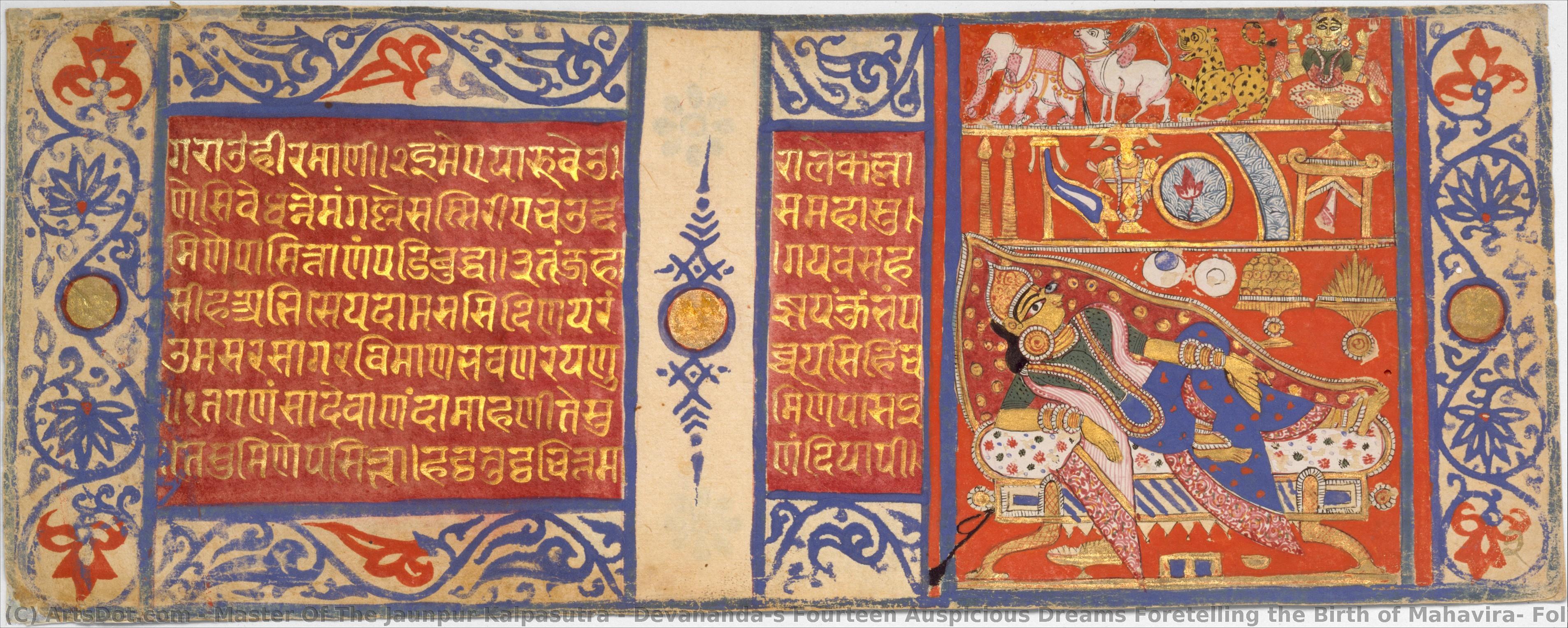
Devananda's Fourteen Auspicious Dreams Foretelling the Birth of Mahavira: Folio from a Kalpasutra Manuscript
 1465
1465 12.0 x 29.0 cm
 詳細を見る
詳細を見る
ジークレー/アートプリント
迅速な制作と多彩な仕上げオプションを備えた、ミュージアムクオリティのジークレーまたはキャンバスプリント。 ( 手描きの絵画を購入 画像を購入)




































標準サイズ
オーダーメイド
CM
INCH
作品のオリジナル比率に合わせた、当店の規定サイズからお選びください。
Loading sizes...

幅
高さ
特定のフレームやスペースに合わせて、ご自身でサイズを指定することも可能です。選択されたサイズが元の画像の比率と一致しない場合、作品をトリミングするか、鏡面反射または単色での塗りつぶしによって画像を拡張いたします。制作を開始する前に、ご確認用のデジタルモックアップをお送りいたします。
画面上のプレビューには、実際のトリミングや拡張は反映されませんのでご注意ください。最終的な構図を正確に確認できるのは、モックアップのみとなります。
カスタムサイズも承っておりますが、元の比率を維持するためには、あらかじめ用意されたリストからサイズを選択することをお勧めいたします。


 ガラスオプションは、110cm未満のサイズでのみご利用いただけます。

Devananda's Fourteen Auspicious Dreams Foretelling the Birth of Mahavira: Folio from a Kalpasutra Manuscript
ジークレー/アートプリント
複製画のサイズ
-


合計金額
$ 62
This folio is from an illustrated Kalpasutra (Book of Rituals), which contains the biographies of the Jain tirthankaras (ford crossers). It depicts the fourteen auspicious dreams of the Brahmani Devananda, who would become the mother of Mahavira. All of the dreams are alluded to by the emblems above the bedchamber scene. The use of gold and an intense ultramarine derived from lapis lazuli demonstrates an awareness of Iranian painting, which had become accessible during the Delhi Sultanate period of the fourteenth and fifteenth centuries. While retaining the broad conventions of the archaic style of western India, the work displays a bold approach to color and ornamentation that connects it to the emerging North Indian schools, which gained their fullest expression in Delhi and the surrounding regions. The horizontal format preserves a memory of the earliest illustrated books in India, printed on trimmed and treated palm-leaf pages.
関連作品

アーティストの略歴
The Radiant Synthesis of Jaunpers
In the twilight of the 15th century, within the culturally vibrant borders of the Jaunpur Sultanate, an artist emerged whose brush would forever bridge the gap between disparate worlds. The master of the jaunpur kalpasutra stands as a monumental figure in the annals of Indian art history, representing a unique moment where Persian elegance met the profound spiritual depth of Indian traditions. This master did not merely paint; he wove together the delicate, flowing lines characteristic of Persian manuscript illumination with the rich, saturated palettes and symbolic complexity inherent to Jain devotional art. His work serves as a visual testament to an era of intense cultural exchange, where the aesthetic sensibilities of Islamic art began to intertwine with the ancient, sacred narratives of the Jain faith, creating a style that was both cosmopolitain and deeply rooted in local devotion.Sacred Narratives and Intricate Mastery
The heart of this artist's legacy lies in his exquisite illustrations for the Kalpasutra, a sacred Jain text detailing the lives of the Tirthankaras. Through his hands, the biographies of figures such as Parshvanatha and Mahavira were transformed into luminous visual experiences. His technique was defined by an unparalleled attention to detail, where every figure was rendered with a precision that commanded reverence. The master utilized a palette of vibrant, jewel-like colors that breathed life into the sacred pages, complemented by intricate patterns that danced across the manuscript's margins.One cannot contemplate his genius without reflecting on the profound beauty found in works such as Devananda's fourteen auspicious dreams foretelling the birth of Mahavira. In this remarkable folio, the artist captures a sense of divine anticipation through meticulous composition and symbolic richness, showcasing a skill that transcends mere illustration to become a form of visual prayer. The interplay of light, color, and pattern in these works demonstrates a sophisticated understanding of how art can serve as a vessel for spiritual transcendence.
An Enduring Legacy in Indian Artistry
The influence of the master of the jaunpur kalpasutra extends far beyond the 15th century, leaving an indelible mark on the development of Jain manuscript painting and the broader evolution of Indian artistic identity. His ability to harmonize the decorative splendor of Persian motifs with the narrative intensity of Indian traditions provided a blueprint for subsequent generations of artists working within the subcontinent. Today, his masterpieces are preserved in esteemed institutions, such as the National Gallery of Modern Art, where they remain part of the prestigious Vera Bluemner Kouba collection. By studying his work, scholars and art lovers alike gain insight into a pivotal period of artistic synthesis, ensuring that the vibrant legacy of this master continues to illuminate the history of global art, reminding us of a time when boundaries between cultures were blurred by the beauty of the brush.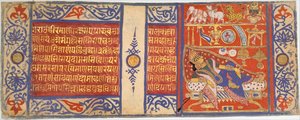
基本情報
- Artistic Movement Or Style: World Goes Pop
- Artists Or Movements Influenced By This Artist: ['Influenced by pop art and contemporary social commentary']
- Artists Who Influenced This Artist: ['Influenced by diverse artists within the World Goes Pop movement']
- Date Of Death: Living
- Notable Artworks: ['Various works featured in The World Goes Pop exhibition']
- Place Of Birth: WahooArt