

 プレビュー
プレビュー
 プリントを購入
 シェアする
シェアする シェアする
シェアする
 詳細を見る
詳細を見る

 ダウンロード
 似ている作品
 X線調査
X線調査 スライドショー
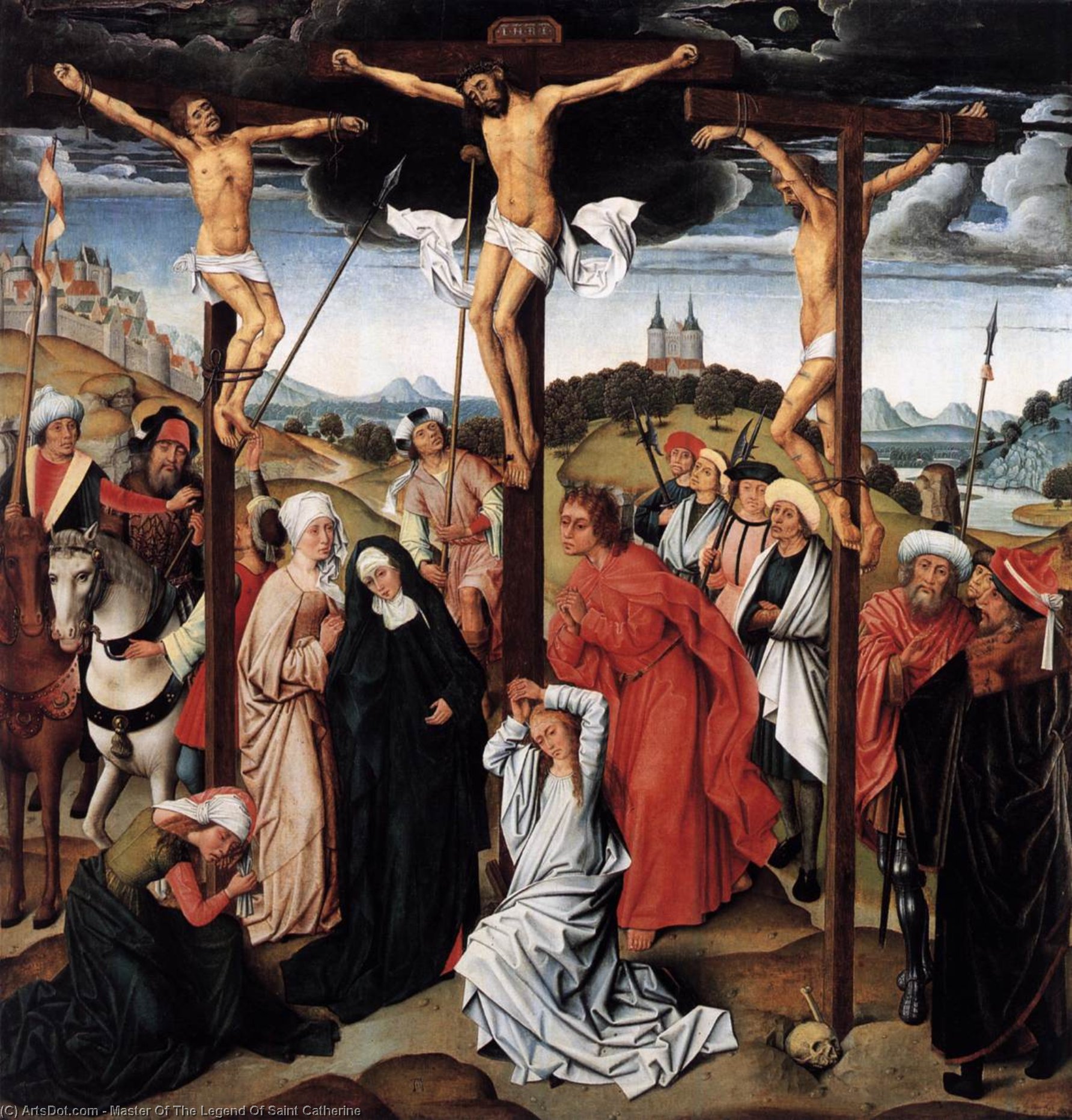
Crucifixion of Christ
 Oil On Canvas
- WallArt
- Early Netherlandish
 1500
1500- Early Modern
 87.0 x 84.0 cm
 Academy of Fine Arts Vienna
 詳細を見る
詳細を見る
オンラインプレビューをはるかに凌ぐ、高解像度で鮮明なデジタル画像をご購入いただけます。
各ファイルは、社内の専門家が高度なツールと熟練した手作業によるレタッチを用いて、細心の注意を払って準備されています。すべての画像において、卓越した鮮明度、正確な色彩再現性、そして繊細なディテールを保証いたします。
最終ファイルは、プロフェッショナルな編集・印刷環境ですぐにご利用いただけるよう最適化された状態で、72時間以内にメールにてお届けいたします。これは、一流のデザインスタジオ、出版社、ギャラリーから信頼されているものと同等の品質です。
デジタル画像のご注文に付随する特典
高品質なデジタル画像配信を、確かな品質で。
ArtsDot.com を選ぶことは、単に画像を手に入れることではありません。それは、プロの手によって精密に仕上げられ、満足保証が付いた高品質なデジタルアートワークを受け取ることを意味します。ご注文いただいた際に自動的に付随する内容は、以下の通りです:

メールですぐにお届け
ご注文から72時間以内に、高解像度のデジタル画像ファイルがメールでお手元に届きます。すぐにそのままご利用いただけます。

AI技術で最適化されたデジタルファイル
お客様の作品は、高度なAIツールと専門家による手作業の編集を組み合わせてプロフェッショナルに最適化されており、細部のディテール、鮮明さ、そして正確な色再現性を最大限に引き出しています。

一生涯無料の再送サービス
ファイルを誤って削除したり、紛失してしまったりしましたか?ご安心ください。いつでも無料で再送いたします。

輸入手数料は一切かかりません
関税や手数料、配送料を気にすることなく、お気に入りのアートワークをすぐにお楽しみいただけます。デジタルダウンロードは常に免税です。

色彩再現の保証
プロ仕様のツールとカラーマネジメント技術を用いることで、デジタル画像が元の色を最大限に忠実に再現することを保証いたします。

60日間満足保証
ご購入いただいたデジタル画像にご満足いただけない場合は、60日以内であれば、修正または100%の返金(理由を問う必要はありません)をさせていただきます。

100% 返金保証
ご満足いただけない場合は、デジタルファイルを受け取ってから60日以内であれば、理由を問わず全額返金いたします。

まとめ買い割引
3枚購入で10%OFF - 5枚購入で15%OFF - 10枚以上購入で20%OFF。クリエイティブなプロジェクト、ギャラリー、エージェンシーに最適です。
The Weight of Sacrifice: Contemplating the Crucifixion
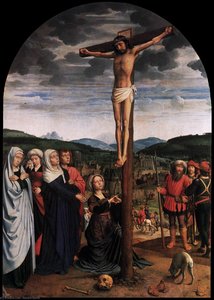
To stand before this depiction of the Crucifixion of Christ is to be enveloped in an atmosphere so profoundly somber, it feels less like viewing paint on canvas and more like standing at the foot of Golgotha itself. The scene captures that terrible, pivotal moment—the ultimate act of sacrifice rendered with breathtaking emotional weight. Jesus hangs suspended, his outstretched arms embodying both agony and infinite surrender. The artist, attributed to the enigmatic Master of the Legend of Saint Catherine, does not shy away from the visceral reality of suffering; instead, he elevates it into a moment of sublime, almost unbearable spiritual drama.
The composition is masterfully orchestrated. Beyond the central figure, the surrounding crowd—the mourners, the onlookers—are rendered with palpable humanity. Their gestures, their averted gazes, and their postures speak volumes about grief, awe, and perhaps even detached curiosity. Even the inclusion of a horse in the background adds a layer of narrative depth, grounding this divine tragedy within a tangible, earthly setting.
Mastery of the Netherlandish Tradition
Dating to approximately 1500, this work sits firmly within the rich tradition of Early Netherlandish painting. While the artist’s identity remains one of art history's most tantalizing mysteries, his technical prowess is undeniable. The handling of light and shadow suggests a meticulous attention to detail characteristic of the period, allowing every fold in the drapery and every bead of sweat on the figure to contribute to the overall narrative tension. One can almost feel the cool stone beneath the figures’ feet.
The technique employed speaks to an advanced understanding of oil painting, allowing for subtle gradations of tone that deepen the sense of melancholy pervading the air. The Master's ability to imbue such monumental religious subject matter with such intense psychological realism is what makes this piece so compelling to the modern eye.
Symbolism and Emotional Resonance
The symbolism here is layered, drawing from centuries of Christian iconography. The cross itself is not merely an object; it is a nexus point between human suffering and divine redemption. Every element—the outstretched limbs, the gathered figures, the somber palette—guides the viewer toward contemplation. It invites us to move beyond mere observation and engage in deep reflection on themes of sacrifice, mortality, and enduring faith.
For collectors or those seeking art for a contemplative space, this piece offers an immediate emotional anchor. It is not simply decorative; it is devotional. The somber yet powerful atmosphere makes it a profound focal point, capable of transforming any room into a sanctuary of thought.
A Reproduction for the Modern Sanctuary
Owning a reproduction of this Crucifixion allows one to bring the gravity and artistry of this 15th-century masterpiece into contemporary life. The scale, measuring approximately 87 x 84 cm, provides an imposing presence suitable for a grand hall, a chapel niche, or a richly decorated study. When considering a reproduction, one is acquiring not just pigment on canvas, but a direct conduit to the emotional intensity and technical brilliance of the Northern Renaissance.
It serves as a timeless meditation—a powerful visual narrative that speaks across the centuries, inviting quiet contemplation with every glance at Christ's enduring sacrifice.
関連作品

作家の略歴
The Enigmatic Master of Saint Catherine
The identity of the “Master of the Legend of Saint Catherine” remains one of the most enduring mysteries in Early Netherlandish painting, a puzzle that has captivated scholars for over a century. Known primarily for his breathtaking depictions of saints—particularly Saint Michael, The Mass of Saint Gregory and Saint Jerome—this artist’s oeuvre consists of just three monumental panels commissioned for Cologne Charterhouse Monastery around 1486, cementing his place as a pivotal figure in the artistic landscape of fifteenth-century Germany. Despite extensive research and meticulous stylistic analysis, definitive attribution has proven elusive, fueling speculation about potential connections to luminaries like Jan van Eyck and Hans Memling—artists whose reputations were similarly shrouded in obscurity during their lifetimes.- Early Life & Artistic Training: Precise biographical details are scarce. Evidence suggests he was born around 1460-1470, likely in Brussels, where the artistic milieu fostered innovation and experimentation. His training undoubtedly involved immersion in the workshops of Rogier van der Weyden and Jean Clouet, masters renowned for their masterful realism and expressive symbolism—influences that would profoundly shape his distinctive visual language.
- Stylistic Characteristics: The Master’s style is characterized by a remarkable fusion of Byzantine iconography and Northern European artistic conventions. His compositions are imbued with solemn grandeur, reflecting the spiritual fervor of the era, yet rendered with astonishing detail—a hallmark of Flemish painting. Notably, he employs a technique known as *grisaille*, utilizing monochrome pigments to achieve subtle tonal gradations that heighten the emotional impact of his figures. This masterful manipulation of light and shadow distinguishes him from many of his contemporaries.
The Cologne Panels: A Testament to Faith & Artistic Vision
The three panels depicting scenes from Saint Catherine’s Legend—Saint Michael, The Mass of Saint Gregory and Saint Jerome—represent the pinnacle of the Master's artistic achievement. These monumental works are housed in the Royal Museums of Fine Arts of Belgium and the Metropolitan Museum of Art respectively, and they stand as unparalleled examples of Byzantine-inspired religious art. Each panel showcases a profound understanding of theological concepts and visual storytelling, conveying narratives of divine grace and spiritual contemplation with breathtaking precision. The meticulous rendering of drapery folds, facial expressions, and anatomical detail demonstrates an extraordinary command of artistic technique—a testament to the artist’s dedication to capturing the essence of Christian piety.- Saint Michael: This panel portrays Saint Michael triumphantly vanquishing Lucifer, symbolizing the victory of good over evil. The depiction is imbued with dynamism and dramatic tension, reflecting the fervor of medieval theology.
- The Mass of Saint Gregory: Reverently rendered, this scene depicts Saint Gregory presiding over the Eucharist—a central sacrament in Christian worship. The artist’s masterful use of *grisaille* creates a luminous atmosphere that underscores the solemnity of the occasion.
- Saint Jerome: Saint Jerome, depicted in contemplative repose, embodies ascetic piety and intellectual devotion. His serene countenance conveys an inner peace—a reflection of his unwavering faith.
Influence & Legacy
Despite the lack of definitive biographical information, the Master’s influence extends far beyond Cologne Charterhouse. Stylistic parallels have been observed in paintings attributed to Hans Memling and Pieter Bruegel the Elder—suggesting a broader dissemination of his artistic ideas throughout Northern Europe. Furthermore, scholars contend that he may represent a crucial link between Byzantine iconography and Flemish realism—bridging the gap between Eastern spiritual tradition and Western artistic innovation. His enduring legacy resides not only in the beauty of his paintings but also in their profound theological depth—a testament to the artist’s ability to translate complex religious concepts into compelling visual narratives.Ongoing Debate & Future Research
The attribution debate surrounding the Master of Saint Catherine continues to stimulate scholarly discussion. Recent investigations utilizing advanced imaging techniques have yielded tantalizing clues about potential connections to Pieter van der Weyden—a hypothesis supported by stylistic similarities and compositional parallels. Continued research into archival documents and comparative analyses of artistic styles promise to illuminate new facets of this enigmatic artist’s life and work—further enriching our understanding of fifteenth-century art history and bolstering the enduring fascination with this elusive figure.
master of the legend of saint catherine
Netherlands
プロフィール概要
- Artistic Movement Or Style: Early Netherlandish Painting
- Artists Or Movements Influenced By This Artist: ['Early Netherlandish Painting']
- Artists Who Influenced This Artist:
- Rogier van der Weyden
- Jan van Eyck
- Full Name: Master of the Legend of Saint Catherine
- Nationality: Dutch
- Notable Artworks:
- Saint Michael; The Mass of Saint Gregory; Saint Jerome
- Crucifixion of Christ
- Mystical Marriage of Saint Catherine
- Place Of Birth: Netherlands

