

 プレビュー
プレビュー
 シェアする
シェアする シェアする
シェアする
 詳細を見る
詳細を見る

 ダウンロード
 似ている作品
 X線調査
X線調査 スライドショー
 統計情報
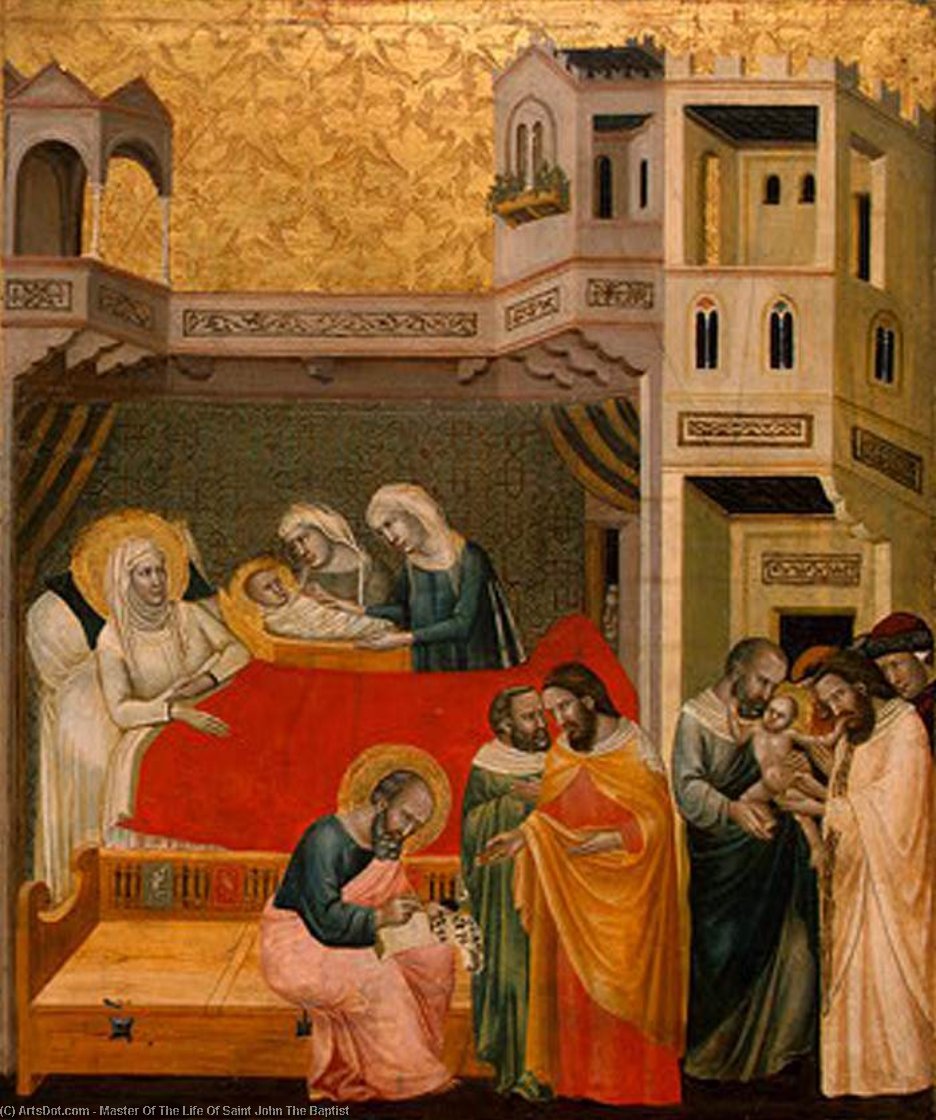
統計情報Scenes from the Life of Saint John the Baptist
 Oil On Canvas
- WallArt
- Baroque
 1330
1330 49.0 x 41.0 cm
 ナショナル・ギャラリー・オブ・アート
 詳細を見る
詳細を見る
オンラインプレビューをはるかに凌ぐ、高解像度で鮮明なデジタル画像をご購入いただけます。
各ファイルは、社内の専門家が高度なツールと熟練した手作業によるレタッチを用いて、細心の注意を払って準備されています。すべての画像において、卓越した鮮明度、正確な色彩再現性、そして繊細なディテールを保証いたします。
最終ファイルは、プロフェッショナルな編集・印刷環境ですぐにご利用いただけるよう最適化された状態で、72時間以内にメールにてお届けいたします。これは、一流のデザインスタジオ、出版社、ギャラリーから信頼されているものと同等の品質です。
デジタルアート
個人での鑑賞、印刷、クリエイティブなプロジェクト用に、高解像度ファイルをダウンロードできます。 ( プリント版に切り替え 手描きの絵画を購入)
デジタル画像のご注文に付随する特典
高品質なデジタル画像配信を、確かな品質で。
ArtsDot.com を選ぶことは、単に画像を手に入れることではありません。それは、プロの手によって精密に仕上げられ、満足保証が付いた高品質なデジタルアートワークを受け取ることを意味します。ご注文いただいた際に自動的に付随する内容は、以下の通りです:

メールですぐにお届け
ご注文から72時間以内に、高解像度のデジタル画像ファイルがメールでお手元に届きます。すぐにそのままご利用いただけます。

AI技術で最適化されたデジタルファイル
お客様の作品は、高度なAIツールと専門家による手作業の編集を組み合わせてプロフェッショナルに最適化されており、細部のディテール、鮮明さ、そして正確な色再現性を最大限に引き出しています。

一生涯無料の再送サービス
ファイルを誤って削除したり、紛失してしまったりしましたか?ご安心ください。いつでも無料で再送いたします。

輸入手数料は一切かかりません
関税や手数料、配送料を気にすることなく、お気に入りのアートワークをすぐにお楽しみいただけます。デジタルダウンロードは常に免税です。

色彩再現の保証
プロ仕様のツールとカラーマネジメント技術を用いることで、デジタル画像が元の色を最大限に忠実に再現することを保証いたします。

100日間満足保証
ご購入いただいたデジタル画像にご満足いただけない場合は、100日以内であれば、理由を問わず修正または100%の返金対応をさせていただきます。

100% 返金保証
ご満足いただけない場合は、デジタルファイルを受け取ってから100日以内であれば、理由を問わず全額返金いたします。

まとめ買い割引
3枚購入で10%OFF - 5枚購入で15%OFF - 10枚以上購入で20%OFF。クリエイティブなプロジェクト、ギャラリー、エージェンシーに最適です。
A Moment of Sacred Intimacy: Scenes from the Life of Saint John the Baptist
To gaze upon this depiction of Scenes from the Life of Saint John the Baptist is to step directly into a moment suspended between earthly suffering and divine grace. The composition immediately draws the viewer into an atmosphere thick with palpable emotion, far removed from the solemnity of mere portraiture. Here, we witness not just a figure resting in bed, but a narrative unfolding—a profound testament to devotion and care. The sheer number of figures surrounding Saint John creates a complex tapestry of human interaction; each face, every gesture, seems imbued with untold stories, drawing the eye across the intricate details of the scene.
Mastery of Dramatic Realism and Technique
Attributed to the master of the life of saint john the baptist, this work exemplifies a powerful commitment to realism that characterizes the height of Italian religious painting. The technique employed is remarkably detailed, allowing the artist to render textures—the folds of rich drapery, the pallor of skin, the sheen on fabrics—with astonishing verisimilitude. Notice how the light seems to emanate from an unseen source, dramatically illuminating Saint John while casting deep, meaningful shadows across the surrounding figures and the architectural elements, such as the visible balcony above. This masterful handling of chiaroscuro gives the entire scene a three-dimensional immediacy, making the historical setting feel palpably present.
Historical Echoes and Symbolism
Dating to 1330, this piece anchors itself within a rich period of artistic transition, even if the artist's biography connects him conceptually to later masters known for dramatic flair. The subject matter itself is deeply symbolic. Saint John the Baptist, often portrayed in moments of spiritual preparation or illness, represents the voice crying out in the wilderness—a precursor to greater revelation. His repose here suggests a moment of profound vulnerability, yet it is surrounded by the collective support of humanity, symbolizing faith’s enduring community and the nurturing aspect of divine calling. The gathering itself speaks volumes about communal piety.
Creating an Atmosphere for Your Space
For the discerning collector or designer seeking to infuse a room with depth, history, and spiritual resonance, this reproduction offers unparalleled narrative power. Its size, 49 x 41 cm, allows it to function as a breathtaking focal point—perfectly scaled to command attention without overwhelming an interior space. Whether placed in a formal study, a gallery setting, or a richly decorated chapel area, the artwork invites contemplation. It is more than decoration; it is a visual meditation on care, devotion, and the enduring power of human connection within sacred narratives.
関連作品
作家の略歴
Michelangelo Merisi da Caravaggio: A Shadowed Genius
The “Master of the Life of Saint John the Baptist,” as he’s often referred to, is a name synonymous with dramatic intensity and revolutionary realism in 16th-century Italian art. While his formal birthdate remains shrouded in uncertainty – generally accepted as around 1571 in Milan, Italy – his life was anything but quiet. Caravaggio, born Michelangelo Merisi, emerged from a humble background, likely apprenticed to a local painter in the bustling commercial center of Lombardy. This early exposure to the demands of portraiture and religious commissions would profoundly shape his future artistic trajectory. His origins, far removed from the established artistic circles of Rome, are crucial to understanding the unique perspective he brought to the burgeoning Baroque period. Unlike many artists groomed within prestigious workshops, Caravaggio’s training was largely self-directed, a testament to his innate talent and relentless drive.The Revolutionary Technique: Chiaroscuro and Naturalism
Caravaggio's impact on art wasn’t simply due to the compelling narratives he depicted; it stemmed fundamentally from his groundbreaking technique. He shattered the prevailing conventions of the High Renaissance, abandoning idealized forms and serene compositions in favor of a brutally honest portrayal of human experience. His signature style, known as *tenebrism*, involved manipulating light and shadow with astonishing skill – plunging figures into deep darkness while highlighting select areas with intense illumination. This dramatic contrast wasn’t merely an aesthetic choice; it served to heighten the emotional impact of his scenes, creating a palpable sense of drama and immediacy. He achieved this through meticulous observation of natural light, often painting *alla prima* (wet-on-wet) directly onto the canvas, minimizing the need for extensive underpainting.- Realism Redefined: Caravaggio rejected the polished perfection of earlier artists, embracing imperfections and portraying his subjects with unflinching realism – wrinkles, blemishes, and even signs of weariness were rendered with startling accuracy.
- The Power of Light: The strategic use of light wasn’t simply for visual effect; it was employed to draw the viewer's eye to key elements within the composition, guiding their gaze and intensifying the emotional weight of the scene.
- Direct Observation: Caravaggio famously worked from life, often using models from the streets of Rome – prostitutes, beggars, and laborers – injecting a sense of social realism into his religious subjects.
The Lives of John the Baptist and Other Biblical Figures
Caravaggio’s most celebrated works center around depictions of Saint John the Baptist, a figure he repeatedly portrayed in various stages of his life – as a young boy fleeing into the desert, as a solitary hermit, and ultimately as a martyr. These paintings are not idealized representations; they are intensely psychological portraits capturing the character's inner turmoil and spiritual struggle. The “Beheading of Saint John the Baptist,” arguably his most famous work, exemplifies this approach: the brutal act is rendered with shocking immediacy, devoid of romanticism or glorification. Similarly, his series of "Stories of St. Luke" offers a raw and unflinching look at the saint’s life, showcasing both piety and human vulnerability. Beyond John the Baptist, Caravaggio produced powerful depictions of other biblical figures – Christ, Mary Magdalene, and scenes from the Passion – each imbued with a profound sense of drama and emotional intensity.Influence and Legacy: A Turbulent End
Caravaggio’s influence on subsequent generations of artists is immeasurable. He inspired a vast network of followers, known as “Caravaggisti,” who spread his style throughout Europe – to Spain, Portugal, France, and beyond. Artists like Rembrandt van Rijn, Georges de La Tour, and Artemisia Gentileschi all drew heavily from Caravaggio’s techniques and approach. However, Caravaggio's life was marked by violence and instability. He fled Rome after a murder charge in 1606, spending years on the run before returning to the city in 1610, where he died under mysterious circumstances – likely from a wound sustained during a street brawl. Despite his turbulent personal life, Caravaggio’s artistic legacy endures as one of the most significant and transformative figures in Western art history. His innovative use of light and shadow, coupled with his unflinching realism and psychological depth, continues to captivate audiences centuries later, solidifying his position as a true master of the Baroque era.Historical Significance: A Bridge Between Eras
Caravaggio’s work represents a pivotal moment in art history – a bridge between the idealized beauty of the Renaissance and the dramatic intensity of the Baroque. He rejected the established artistic conventions, prioritizing emotional impact and psychological realism over classical harmony and proportion. His willingness to depict ordinary people within sacred narratives challenged traditional notions of religious art, making it more accessible and relatable to a wider audience. Furthermore, his exploration of themes such as sin, redemption, and human suffering resonated deeply with the social and spiritual anxieties of 17th-century Europe. The “Master of the Life of Saint John the Baptist” remains not just an artist but a cultural touchstone, embodying the complexities and contradictions of his time – a shadowy genius whose work continues to provoke, inspire, and challenge viewers today.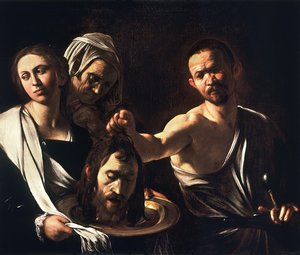
プロフィール概要
- Artistic Movement Or Style: Caravaggism, Italian Baroque
- Artists Or Movements Influenced By This Artist:
- Baroque art
- Caravaggisti
- Artists Who Influenced This Artist:
- Leonardo da Vinci
- Michelangelo
- Full Name: Michelangelo Merisi, known as Caravaggio
- Nationality: Italian
- Notable Artworks:
- The Calling of St Matthew
- Beheading of John the Baptist
- Supper at Emmaus
- Place Of Birth: Milan, Italy