

 プレビュー
プレビュー
 シェアする
シェアする シェアする
シェアする
 詳細を見る
詳細を見る

 ダウンロード
 似ている作品
 X線調査
X線調査 スライドショー
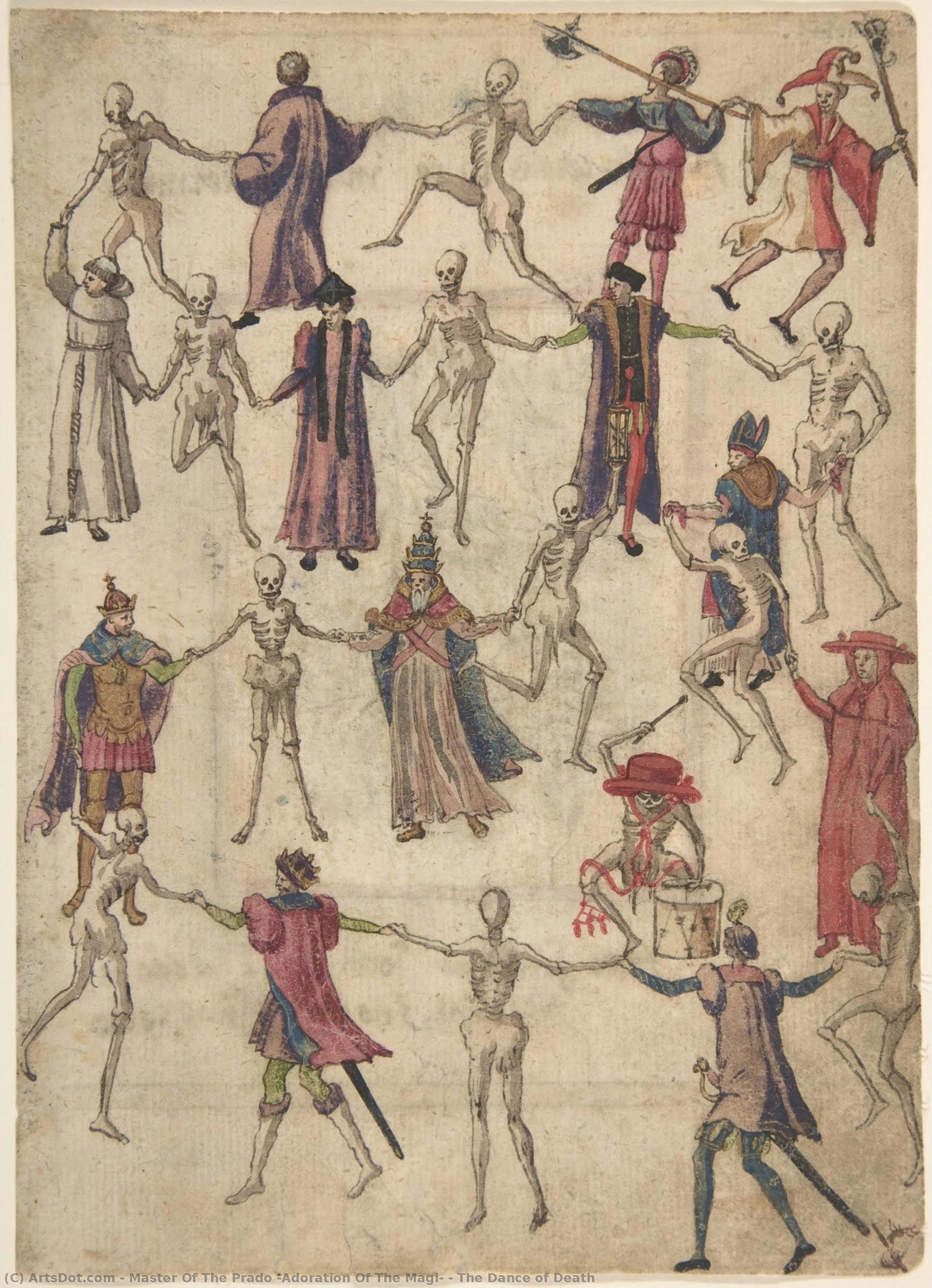
The Dance of Death
 Oil On Canvas
- WallArt
- Northern Renaissance
 1500
1500- Renaissance
 18.0 x 13.0 cm
 メトロポリタン美術館
 詳細を見る
詳細を見る
ジークレー/アートプリント
迅速な制作と多彩な仕上げオプションを備えた、ミュージアムクオリティのジークレーまたはキャンバスプリント。 ( 手描きの絵画を購入 画像を購入)




P118B $10

P118H $10

P118W $10

P438Z $10

P508JH $12

P508YH $12

P805H $10

P805Z $10

P919BZ $10

P919G $10

P919XJ $10

P959ZH $10

P968JZ $12

W106C $8

W218G $10

W218JH $8

W218Y $10

W307PJ $10

W316G $10

W316PJ $8

W316Y $10

W398PJ $8

W4111J $10

W500HY $15

W500JH $15

W692G $12

W849H $8

W940BG $15

W953PJ $8




作品のオリジナル比率に合わせた、当店の規定サイズからお選びください。

特定のフレームやスペースに合わせて、ご自身でサイズを指定することも可能です。選択されたサイズが元の画像の比率と一致しない場合、作品をトリミングするか、鏡面反射または単色での塗りつぶしによって画像を拡張いたします。制作を開始する前に、ご確認用のデジタルモックアップをお送りいたします。
画面上のプレビューには、実際のトリミングや拡張は反映されませんのでご注意ください。最終的な構図を正確に確認できるのは、モックアップのみとなります。
カスタムサイズも承っておりますが、元の比率を維持するためには、あらかじめ用意されたリストからサイズを選択することをお勧めいたします。


 ガラスオプションは、110cm未満のサイズでのみご利用いただけます。

The Dance of Death
ジークレー/アートプリント
複製画のサイズ
-


合計金額
$ 62
The Macabre Ballet: An Encounter with Mortality
To gaze upon this depiction of The Dance of Death is to confront the most universal and inescapable truth of the human condition. It is a scene rendered not in hushed tones of piety, but in the dramatic, swirling energy of an eternal performance. Here, life itself seems to be put on display for judgment, or perhaps, simply for observation. The composition pulses with a macabre rhythm; skeletons, stripped bare of flesh and vanity, engage in elaborate, almost joyous dances. They are not merely representations of death, but active participants in a grand, inevitable procession that sweeps across the canvas.
Symbolism Woven into Bone and Brushstroke
The symbolism at play is profound and deeply rooted in the artistic anxieties of its time. The skeletons themselves serve as potent memento mori—a constant, stark reminder that earthly life is fleeting. They dance with an energy that belies their skeletal nature, suggesting that death itself is a universal equalizer, capable of drawing all beings into its rhythm. Contrasting this spectral revelry are the living figures gathered in the background. Their varied expressions—ranging from detached curiosity to outright apprehension—create a palpable tension between those who observe and those who are observed. This interplay speaks volumes about human vanity versus ultimate reality.
Mastery of Technique and Period Context
Created around the year 1500, this work emerges from an era when Netherlandish art was reaching breathtaking heights of detail and emotional intensity. While the artist's hand is associated with the vibrant palette of the Master of the Prado, this piece showcases a mastery over narrative drama. The technique employed allows for incredible differentiation between the textures—the implied softness of the onlookers’ garments against the stark, polished bone of the dancers. The composition is intricate, demanding that the viewer’s eye travel across multiple planes, from the sharply focused foreground figures to the receding depth populated by more spectral participants. It is a testament to an artist skilled in both meticulous detail and grand theatrical staging.
An Emotional Resonance for the Modern Collector
Owning a reproduction of this piece is not merely acquiring art; it is curating a moment of deep contemplation for your space. For the collector or designer, The Dance of Death offers unparalleled dramatic weight. It serves as a powerful focal point, injecting an intellectual and emotional depth into any room. While its subject matter confronts mortality head-on, the sheer artistry—the vibrant colorization, the dynamic poses, the masterful composition—transforms potential dread into breathtaking spectacle. It invites conversation, contemplation, and a profound appreciation for the cyclical nature of existence.
関連作品



アーティストの略歴
The Veiled Hand of the Netherlandish Master
In the twilight of the fifteenth century, amidst the bustling trade routes and burgeoning artistic fervor of the Southern Netherlands, an artist emerged whose name has been lost to the corridors of time, yet whose vision remains strikingly luminous. Known only as the Master of the Prado — Adoration of the Magi, this anonymous painter operated between approximately 1475 and 1500, leaving behind a legacy etched in vibrant pigments and profound devotion. While his personal identity remains shrouded in mystery, his presence is felt through the meticulous craftsmanship that defines the Early Netherlandish tradition. His work serves as a window into an era where the spiritual and the material were intricately woven together, capturing the sacred infancy of Christ with a clarity that transcends the centuries.A Symphony of Color and Sacred Detail
The artistry of this master is characterized by a breathtaking use of color and an almost obsessive attention to detail, qualities that were highly prized by the collectors of his age. His panels are not merely religious icons but immersive narratives that invite the viewer into the very heart of biblical events. In masterpieces such as the Adoration of the Magi and the Presentation in the Temple, one observes a mastery of light and texture that breathes life into every fold of fabric and every glint of gold.His technique reflects the profound influence of the Netherlandish school, where the pursuit of realism was matched only by the desire to evoke divine awe. The artist’s ability to render the tender moments of Christ's early life—the soft glow of skin, the intricate patterns of regal attire, and the atmospheric depth of the landscapes—demonstrates a sophisticated command over his medium. This dedication to detail allowed him to create scenes that were both deeply personal in their intimacy and grand in their theological significance.
Legacy and Enduring Influence
Though the master’s individual biography remains unwritten, his contribution to the evolution of Northern Renaissance art is undeniable. His works, which bridge the gap between the late Gothic style and the burgeoning influences of the Italian Renaissance, continue to captivate scholars and art enthusiasts alike. Today, his most significant contributions are preserved in prestigious institutions such as the Prado Museum in Madrid, where they stand as testaments to a period of unparalleled creative explosion. His ability to blend vibrant colorization with detailed scenes from the infancy of Christ ensures that his name, though anonymous, will forever be synonymous with the brilliance of the Netherlandish tradition.
基本情報
- Artistic Movement Or Style: World Goes Pop
- Artists Or Movements Influenced By This Artist: ['Influenced by pop art movement']
- Artists Who Influenced This Artist: ['Influenced by diverse artists in The World Goes Pop exhibition']
- Date Of Death: Living
- Notable Artworks: ['Various works featured in The World Goes Pop exhibition']
- Place Of Birth: WahooArt
関連記事

Giclée Prints: Archival Quality & Aesthetic Nuances for the Discerning Collector
Explore the world of giclée prints with ArtsDot. Learn about archival quality, aesthetic nuances & investment potential. Expert guidance for discerning art collectors seeking museum-quality reproductions and lasting value.

The Enduring Legacy of Fine Art Prints: Technique, History & Aesthetic Impact
Explore the rich history & techniques of fine art prints. Discover investment potential, assess authenticity, and learn how to preserve your collection with expert guidance. Trusted insights for discerning collectors.

Echoes of Time: Exploring the Enduring Appeal & Historical Context of Vintage Art Prints
Explore the captivating world of vintage art prints! Discover their history, collecting tips & enduring appeal. Expert insights on chromolithography and building a legacy collection with ArtsDot.

葛飾北斎:25の傑作が語る浮世絵の世界 - ArtsDot
葛飾北斎の25選:『神奈川沖浪裏』や『富嶽三十六景』など、浮世絵の世界を深く探求。木版画の技法と日本美術の美をArtsDotで。高品質なアートプリントで空間に感動を。コレクションはこちら。

The Enduring Legacy of Printmaking: Techniques, Themes & Artistic Innovation Across Centuries
Explore the rich history of printmaking with ArtsDot. Discover techniques from intaglio to lithography, learn about collecting valuable prints & find museum-quality reproductions. Expert insights for art enthusiasts and collectors.