

 プレビュー
プレビュー
 プリントを購入
 シェアする
シェアする シェアする
シェアする
 詳細を見る
詳細を見る

 ダウンロード
 似ている作品
 X線調査
X線調査 スライドショー
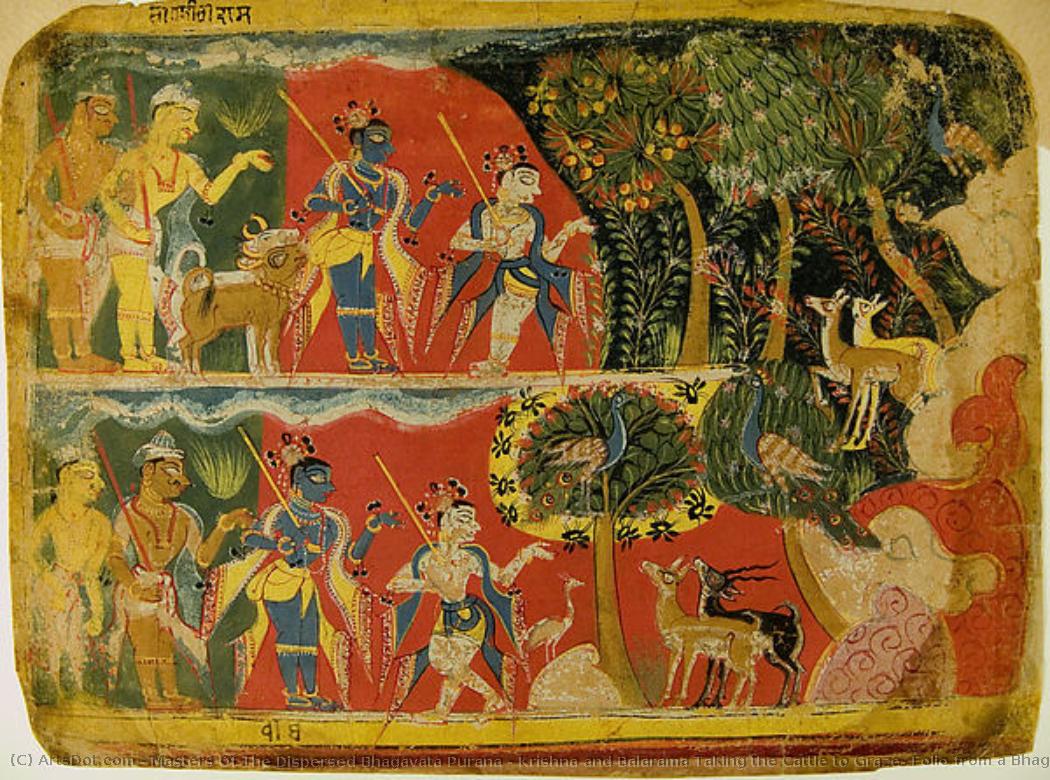
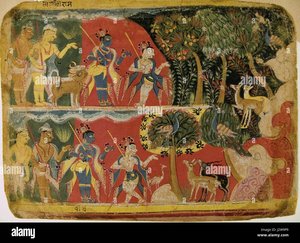
Krishna and Balarama Taking the Cattle to Graze: Folio from a Bhagavata Purana Manuscript
 1520
1520 18.0 x 24.0 cm
 詳細を見る
詳細を見る
オンラインプレビューをはるかに凌ぐ、高解像度で鮮明なデジタル画像をご購入いただけます。
各ファイルは、社内の専門家が高度なツールと熟練した手作業によるレタッチを用いて、細心の注意を払って準備されています。すべての画像において、卓越した鮮明度、正確な色彩再現性、そして繊細なディテールを保証いたします。
最終ファイルは、プロフェッショナルな編集・印刷環境ですぐにご利用いただけるよう最適化された状態で、72時間以内にメールにてお届けいたします。これは、一流のデザインスタジオ、出版社、ギャラリーから信頼されているものと同等の品質です。
デジタル画像のご注文に付随する特典
高品質なデジタル画像配信を、確かな品質で。
ArtsDot.com を選ぶことは、単に画像を手に入れることではありません。それは、プロの手によって精密に仕上げられ、満足保証が付いた高品質なデジタルアートワークを受け取ることを意味します。ご注文いただいた際に自動的に付随する内容は、以下の通りです:

メールですぐにお届け
ご注文から72時間以内に、高解像度のデジタル画像ファイルがメールでお手元に届きます。すぐにそのままご利用いただけます。

AI技術で最適化されたデジタルファイル
お客様の作品は、高度なAIツールと専門家による手作業の編集を組み合わせてプロフェッショナルに最適化されており、細部のディテール、鮮明さ、そして正確な色再現性を最大限に引き出しています。

一生涯無料の再送サービス
ファイルを誤って削除したり、紛失してしまったりしましたか?ご安心ください。いつでも無料で再送いたします。

輸入手数料は一切かかりません
関税や手数料、配送料を気にすることなく、お気に入りのアートワークをすぐにお楽しみいただけます。デジタルダウンロードは常に免税です。

色彩再現の保証
プロ仕様のツールとカラーマネジメント技術を用いることで、デジタル画像が元の色を最大限に忠実に再現することを保証いたします。

60日間満足保証
ご購入いただいたデジタル画像にご満足いただけない場合は、60日以内であれば、修正または100%の返金(理由を問う必要はありません)をさせていただきます。

100% 返金保証
ご満足いただけない場合は、デジタルファイルを受け取ってから60日以内であれば、理由を問わず全額返金いたします。

まとめ買い割引
3枚購入で10%OFF - 5枚購入で15%OFF - 10枚以上購入で20%OFF。クリエイティブなプロジェクト、ギャラリー、エージェンシーに最適です。
関連作品

作家の略歴
The Masters of the Dispersed Bhagavata Purana: Guardians of Krishna’s Narrative
The Masters of the Dispersed Bhagavata Purana represent a singular flowering of artistic talent in Gujarat, India, emerging during the vibrant cultural window of circa 1520–1540. This group of artists—whether a collective workshop or a lineage of skilled craftsmen—achieved remarkable renown for their exquisitely detailed illustrations that breathed life into the epic tales of Krishna’s divine exploits. Their work serves as a luminous bridge in the history of Indian miniature painting, marking a crucial juncture where indigenous traditions began to merge with broader stylistic currents, creating a visual language that was both deeply spiritual and technically sophisticated.
The origins of these masters are rooted in the rich cultural landscape of 16th-century India, specifically within the traditions that would later be identified with the early Rajput-Chaurapanchasika style. While scholarly debate continues regarding their exact geographic center, much of their influence is linked to the Delhi-Agra area and the flourishing trade routes of Gujarat. This was an era of profound artistic convergence; as the Mughal influence began to permeate the subcontinent, these artists skillfully integrated elements of Persian miniature painting—such as refined linework and complex spatial arrangements—with the robust, emotive energy of local Hindu traditions. Their work does not merely illustrate text; it creates a sacred space where the divine and the earthly intersect through color and form.
A Symphony of Line and Color
The distinctive artistic style of the Masters is characterized by an unwavering confidence in silhouette and a mastery of rhythmic patterning. They possessed a unique ability to delineate figures with bold, assertive lines that captured the very essence of their subjects, from the blue-skinned Krishna to the powerful Balarama. Their technique relied heavily on the use of ink and opaque watercolor on paper, a medium they employed to achieve breathtaking textural effects and luminous tonal gradations. Unlike later styles that might favor soft atmospheric blurring, the Masters embraced a certain clarity and geometric precision, often utilizing a strong but limited palette to direct the viewer's eye through complex narrative compositions.
In their hands, color became a tool for both storytelling and temporal division. The use of deep, saturated hues—such as indigo, crimson, and ochre—was punctuated by strategic highlights that brought movement to the page. Their compositions often featured:
- Dynamic Silhouetting: Figures were rendered with sharp contours that allowed them to stand out against intricate backgrounds.
- Robust Patterning: The use of repetitive, decorative motifs in clothing and landscapes to create a sense of rhythmic vitality.
- Compartmentalized Narratives: A sophisticated method of organizing space where different moments in time or different locations within a single scene are framed by landscape elements like rivers or palace walls.
Legacy and Historical Significance
The historical significance of the Masters of the Dispersed Bhagavata Purana lies in their role as the architects of one of the earliest surviving illustrated versions of the Tenth Book of the Bhagavata Purana. Their folios, though now dispersed across prestigious institutions like the Metropolitan Museum of Art and the Museum Rietberg, remain a cohesive testament to a period of intense creative evolution. They laid the groundwork for the later, more famous Mewari and Rajput schools by demonstrating how manuscript illumination could transcend simple decoration to become a profound medium for theological expression.
Through their meticulous devotion to detail and their ability to capture the divine drama of Krishna's life, these artists ensured that the sacred narratives would endure. Their work remains a vital subject of study for art historians seeking to understand the transition from early medieval Indian painting to the highly refined imperial styles of the Mughal era. In every bold stroke and vibrant wash of color, the Masters of the Dispersed Bhagavata Purana continue to invite the viewer into a world of eternal myth and unparalleled beauty.
masters of the dispersed bhagavata purana
1520 - , India
プロフィール概要
- Artistic Movement Or Style: Robust patterning; Watercolor technique
- Artists Or Movements Influenced By This Artist: ['Hindu Art']
- Artists Who Influenced This Artist: ['Precisionist Movement']
- Date Of Birth: Gujarat, India (1520)
- Date Of Death: Living
- Full Name: Masters of the Dispersed Bhagavata Purana
- Nationality: Indian
- Notable Artworks:
- Krishna and Balarama Taking the Cattle to Graze
- Nanda and Vasudeva
- Place Of Birth: Gujarat

