

 プレビュー
プレビュー
 プリントを購入
 シェアする
シェアする シェアする
シェアする
 詳細を見る
詳細を見る

 ダウンロード
 似ている作品
 X線調査
X線調査 スライドショー
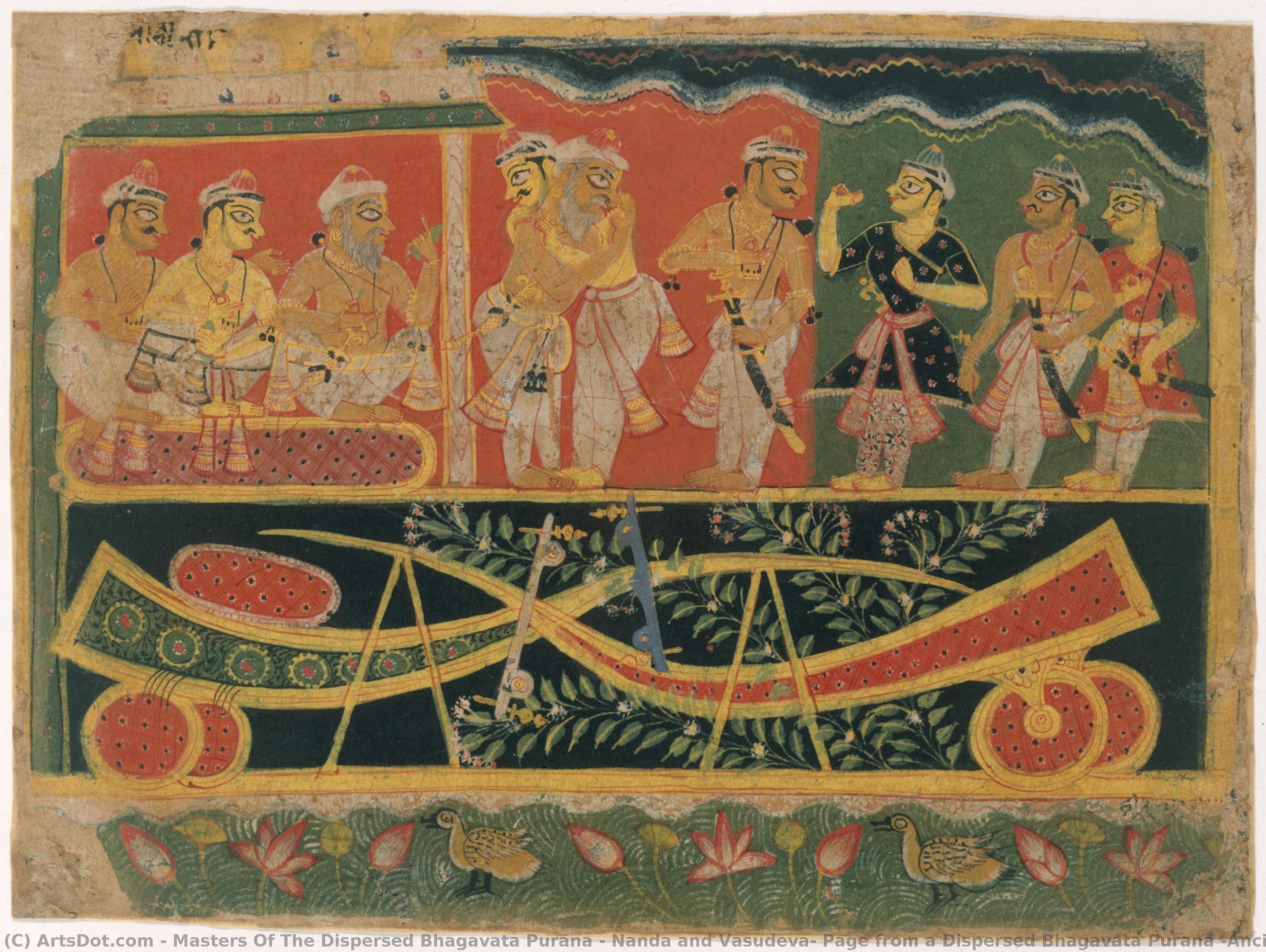
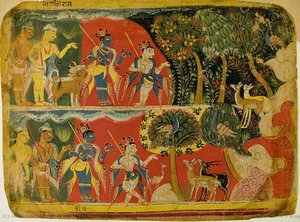
Nanda and Vasudeva: Page from a Dispersed Bhagavata Purana (Ancient Stories of Lord Vishnu)
 Rajput Painting
 1520
1520 18.0 x 24.0 cm
 詳細を見る
詳細を見る




































作品のオリジナル比率に合わせた、当店の規定サイズからお選びください。

特定のフレームやスペースに合わせて、ご希望のサイズをご入力いただけます。選択されたサイズが元の画像の比率と異なる場合、アートワークをトリミングするか、手描きで要素を追加して絵画を拡張いたします。デジタルモックアップ を制作し、制作開始前にご確認(承認)をいただきます。
画面上のプレビューは、実際のトリミングや拡張を正確に反映しているものではありません。最終的な構図は、モックアップによってのみ正確にご確認いただけます。
カスタムサイズもご利用いただけますが、元の比率を維持するためには、あらかじめ用意されたリストからサイズを選択することをお勧めいたします。
ご注文後、ArtsDot.com チームより詳細な指示をお送りするとともに、仕上がりイメージ(モックアップ)をご提供いたします。


 ガラスオプションは、110cm未満のサイズでのみご利用いただけます。

Nanda and Vasudeva: Page from a Dispersed Bhagavata Purana (Ancient Stories of Lord Vishnu)
複製技法
複製画のサイズ
-


合計金額
$ 388
関連作品
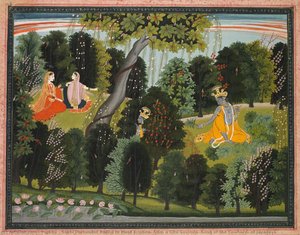
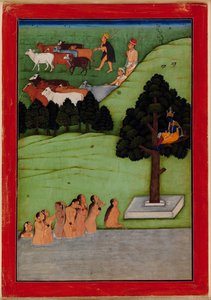
アーティストの略歴
The Masters of the Dispersed Bhagavata Purana: Guardians of Krishna’s Narrative
The Masters of the Dispersed Bhagavata Purana represent a singular flowering of artistic talent in Gujarat, India, emerging during the vibrant cultural window of circa 1520–1540. This group of artists—whether a collective workshop or a lineage of skilled craftsmen—achieved remarkable renown for their exquisitely detailed illustrations that breathed life into the epic tales of Krishna’s divine exploits. Their work serves as a luminous bridge in the history of Indian miniature painting, marking a crucial juncture where indigenous traditions began to merge with broader stylistic currents, creating a visual language that was both deeply spiritual and technically sophisticated.
The origins of these masters are rooted in the rich cultural landscape of 16th-century India, specifically within the traditions that would later be identified with the early Rajput-Chaurapanchasika style. While scholarly debate continues regarding their exact geographic center, much of their influence is linked to the Delhi-Agra area and the flourishing trade routes of Gujarat. This was an era of profound artistic convergence; as the Mughal influence began to permeate the subcontinent, these artists skillfully integrated elements of Persian miniature painting—such as refined linework and complex spatial arrangements—with the robust, emotive energy of local Hindu traditions. Their work does not merely illustrate text; it creates a sacred space where the divine and the earthly intersect through color and form.
A Symphony of Line and Color
The distinctive artistic style of the Masters is characterized by an unwavering confidence in silhouette and a mastery of rhythmic patterning. They possessed a unique ability to delineate figures with bold, assertive lines that captured the very essence of their subjects, from the blue-skinned Krishna to the powerful Balarama. Their technique relied heavily on the use of ink and opaque watercolor on paper, a medium they employed to achieve breathtaking textural effects and luminous tonal gradations. Unlike later styles that might favor soft atmospheric blurring, the Masters embraced a certain clarity and geometric precision, often utilizing a strong but limited palette to direct the viewer's eye through complex narrative compositions.
In their hands, color became a tool for both storytelling and temporal division. The use of deep, saturated hues—such as indigo, crimson, and ochre—was punctuated by strategic highlights that brought movement to the page. Their compositions often featured:
- Dynamic Silhouetting: Figures were rendered with sharp contours that allowed them to stand out against intricate backgrounds.
- Robust Patterning: The use of repetitive, decorative motifs in clothing and landscapes to create a sense of rhythmic vitality.
- Compartmentalized Narratives: A sophisticated method of organizing space where different moments in time or different locations within a single scene are framed by landscape elements like rivers or palace walls.
Legacy and Historical Significance
The historical significance of the Masters of the Dispersed Bhagavata Purana lies in their role as the architects of one of the earliest surviving illustrated versions of the Tenth Book of the Bhagavata Purana. Their folios, though now dispersed across prestigious institutions like the Metropolitan Museum of Art and the Museum Rietberg, remain a cohesive testament to a period of intense creative evolution. They laid the groundwork for the later, more famous Mewari and Rajput schools by demonstrating how manuscript illumination could transcend simple decoration to become a profound medium for theological expression.
Through their meticulous devotion to detail and their ability to capture the divine drama of Krishna's life, these artists ensured that the sacred narratives would endure. Their work remains a vital subject of study for art historians seeking to understand the transition from early medieval Indian painting to the highly refined imperial styles of the Mughal era. In every bold stroke and vibrant wash of color, the Masters of the Dispersed Bhagavata Purana continue to invite the viewer into a world of eternal myth and unparalleled beauty.
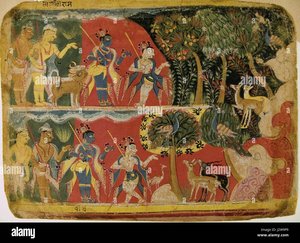
masters of the dispersed bhagavata purana
1520 - , India
基本情報
- Artistic Movement Or Style: Robust patterning; Watercolor technique
- Artists Or Movements Influenced By This Artist: ['Hindu Art']
- Artists Who Influenced This Artist: ['Precisionist Movement']
- Date Of Birth: Gujarat, India (1520)
- Date Of Death: Living
- Full Name: Masters of the Dispersed Bhagavata Purana
- Nationality: Indian
- Notable Artworks:
- Krishna and Balarama Taking the Cattle to Graze
- Nanda and Vasudeva
- Place Of Birth: Gujarat
関連記事
Echoes of Olympus: Mythological Narratives in Western Art Through the Ages
Explore the captivating history of mythological narratives in Western art! From ancient Greece to modern masterpieces, discover iconic artworks & symbolism. Expert analysis and high-quality reproductions at ArtsDot.
神話と個人的な象徴が織りなす世界:油絵による自己の神話の表現
油絵で自己の神話を表現しませんか?象徴主義、色彩心理学、構図など専門的な知識を基に、内面世界を深掘りするアート作品をご提案。高級美術品からカスタムオーダーまで、ArtsDotがあなたの創造性をサポートします。
Jan van Kessel the Elder: A Baroque Master of Floral Still Life & Miniature Portraiture
Discover the exquisite detail of Jan van Kessel the Elder's Baroque floral still lifes & captivating miniatures. Explore his artistic legacy, scientific precision, and lasting influence on 17th-century Flemish painting.
Franz von Stuck: Symbolism, Decadence & the Pursuit of Ideal Beauty
Explore the captivating world of Franz von Stuck, a leading Symbolist painter. Discover his mythological masterpieces, decadent themes, & investment potential. Expert analysis for discerning collectors.
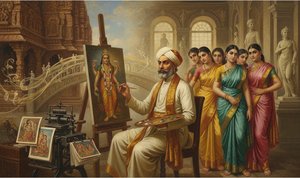
Raja Ravi Varma: Bridging Tradition & Modernity in 19th-Century Indian Art
Explore the life & art of Raja Ravi Varma, a pioneer who fused European techniques with Indian iconography. Discover his iconic paintings, lasting legacy, and influence on modern Indian art at ArtsDot.