

 プレビュー
プレビュー
 プリントを購入
 シェアする
シェアする シェアする
シェアする
 詳細を見る
詳細を見る

 ダウンロード
 似ている作品
 X線調査
X線調査 スライドショー
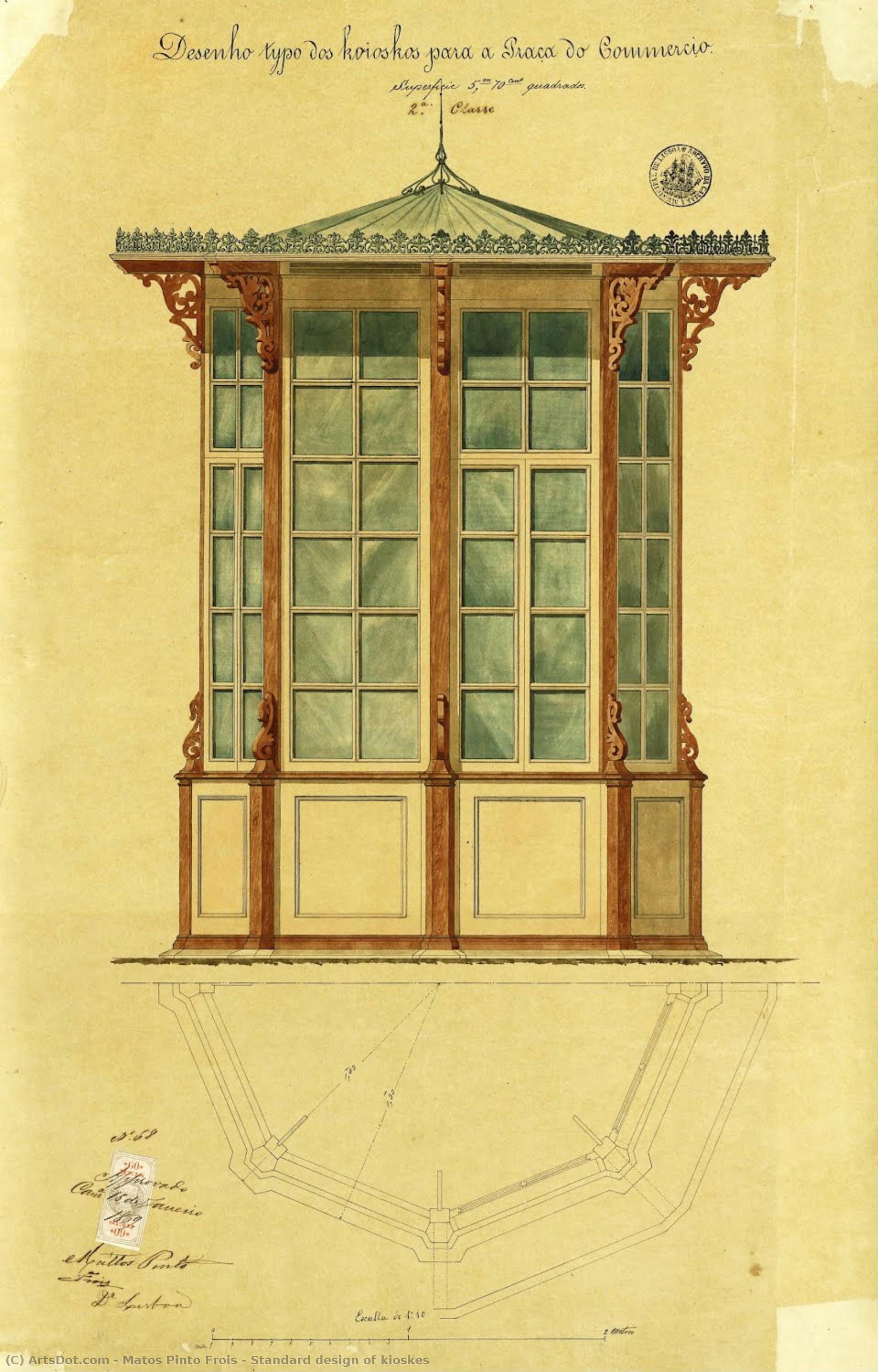
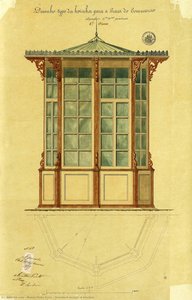
Standard design of kioskes
 1869
1869 71.0 x 45.0 cm
 Lisboa Municipal Archive
 詳細を見る
詳細を見る
オンラインプレビューをはるかに凌ぐ、高解像度で鮮明なデジタル画像をご購入いただけます。
各ファイルは、社内の専門家が高度なツールと熟練した手作業によるレタッチを用いて、細心の注意を払って準備されています。すべての画像において、卓越した鮮明度、正確な色彩再現性、そして繊細なディテールを保証いたします。
最終ファイルは、プロフェッショナルな編集・印刷環境ですぐにご利用いただけるよう最適化された状態で、72時間以内にメールにてお届けいたします。これは、一流のデザインスタジオ、出版社、ギャラリーから信頼されているものと同等の品質です。
デジタル画像のご注文に付随する特典
高品質なデジタル画像配信を、確かな品質で。
ArtsDot.com を選ぶことは、単に画像を手に入れることではありません。それは、プロの手によって精密に仕上げられ、満足保証が付いた高品質なデジタルアートワークを受け取ることを意味します。ご注文いただいた際に自動的に付随する内容は、以下の通りです:

メールですぐにお届け
ご注文から72時間以内に、高解像度のデジタル画像ファイルがメールでお手元に届きます。すぐにそのままご利用いただけます。

AI技術で最適化されたデジタルファイル
お客様の作品は、高度なAIツールと専門家による手作業の編集を組み合わせてプロフェッショナルに最適化されており、細部のディテール、鮮明さ、そして正確な色再現性を最大限に引き出しています。

一生涯無料の再送サービス
ファイルを誤って削除したり、紛失してしまったりしましたか?ご安心ください。いつでも無料で再送いたします。

輸入手数料は一切かかりません
関税や手数料、配送料を気にすることなく、お気に入りのアートワークをすぐにお楽しみいただけます。デジタルダウンロードは常に免税です。

色彩再現の保証
プロ仕様のツールとカラーマネジメント技術を用いることで、デジタル画像が元の色を最大限に忠実に再現することを保証いたします。

60日間満足保証
ご購入いただいたデジタル画像にご満足いただけない場合は、60日以内であれば、修正または100%の返金(理由を問う必要はありません)をさせていただきます。

100% 返金保証
ご満足いただけない場合は、デジタルファイルを受け取ってから60日以内であれば、理由を問わず全額返金いたします。

まとめ買い割引
3枚購入で10%OFF - 5枚購入で15%OFF - 10枚以上購入で20%OFF。クリエイティブなプロジェクト、ギャラリー、エージェンシーに最適です。
関連作品




作家の略歴
Matos Pinto Frois: Architect of Baroque Detail
The name Matos Pinto Frois might not immediately resonate within the broader halls of art history, yet his legacy is profoundly etched into the fabric of 18th-century Valletta, Malta. A Portuguese artist and architect working primarily during the late Baroque period, Frois’s contribution lies largely in his meticulous detailing and innovative design solutions for public spaces – particularly kiosks and architectural embellishments – that continue to captivate observers today. While biographical details remain somewhat sparse, piecing together information from archival records, artistic commissions, and the enduring beauty of his work reveals a craftsman deeply influenced by both classical principles and the exuberant spirit of the Baroque.
Born in Portugal (the exact date remains elusive), Frois’s early life offers little documented insight. However, it is believed he received a solid grounding in architectural design and ornamentation within the Portuguese court, absorbing the stylistic trends prevalent at the time – a synthesis of Italian Renaissance grandeur and the dramatic flourishes characteristic of the Baroque. His career truly blossomed during his period of service to Valletta, Malta, under the rule of the Knights of St John. This appointment marked a pivotal moment, placing him squarely in the heart of a burgeoning European capital undergoing rapid expansion and transformation.
The Kiosk Designs: A Masterclass in Detail
Frois’s most celebrated work revolves around his designs for kiosks – small, often ornate structures intended to provide refreshment and shelter within Valletta's bustling streets. These weren’t merely functional buildings; they were miniature masterpieces of Baroque design. The “Standard Design of Kioskes,” documented in 1869, represents a remarkably consistent aesthetic across numerous examples found throughout the city. Each kiosk is characterized by its intricate façade – a symphony of sculpted figures, elaborate cornices, and vibrant painted details. These weren’t simply decorative elements; they were carefully calibrated to draw attention, create a sense of spectacle, and contribute to the overall atmosphere of Valletta.
What distinguishes Frois's kiosks is his innovative approach to modular design. He developed a system of standardized components – columns, pilasters, pediments – that could be combined in various configurations to create a diverse range of kiosk forms. This ensured both efficiency and visual coherence across the city’s streetscape. Furthermore, he employed a rich palette of colors – deep reds, blues, golds, and greens – to inject vibrancy into the otherwise austere stone architecture of Valletta.
A Baroque Vision in St. John's Co-Cathedral
Beyond the kiosks, Frois’s influence extends to the magnificent St. John’s Co-Cathedral, a testament to the Knights of St. John’s wealth and artistic patronage. While he didn’t undertake the entire cathedral’s decoration – that honor fell largely to Caravaggio – Frois was responsible for significant elements within the church's opulent interior. His contributions include intricate stucco work, decorative panels, and the design of several altarpieces, all executed with a meticulous attention to detail consistent with his broader style. The interplay between Caravaggio’s dramatic religious scenes and Frois’s refined architectural embellishments creates a powerful visual dialogue, showcasing the diverse artistic currents shaping Valletta at the time.
Legacy and Historical Significance
Despite the relative obscurity of Matos Pinto Frois's personal life, his impact on Valletta is undeniable. His kiosks remain a defining feature of the city’s historic center, offering a tangible link to the 18th century. They are not simply buildings; they are embodiments of Baroque artistry and urban design. His work exemplifies the importance of public spaces in shaping civic identity and contributing to the overall aesthetic experience of a city. Furthermore, Frois's innovative modular design principles foreshadowed later developments in architectural standardization and mass production – demonstrating his foresight as a designer. While further research is needed to fully illuminate his life and career, Matos Pinto Frois’s legacy endures as a testament to the power of meticulous craftsmanship and the enduring beauty of Baroque detail.
matos pinto frois
Portugal
プロフィール概要
- Artistic Movement Or Style: Baroque
- Full Name: Matos Pinto Frois
- Nationality: Portuguese
- Notable Artworks: ['Standard design of kioskes']
- Place Of Birth: Portugal

