

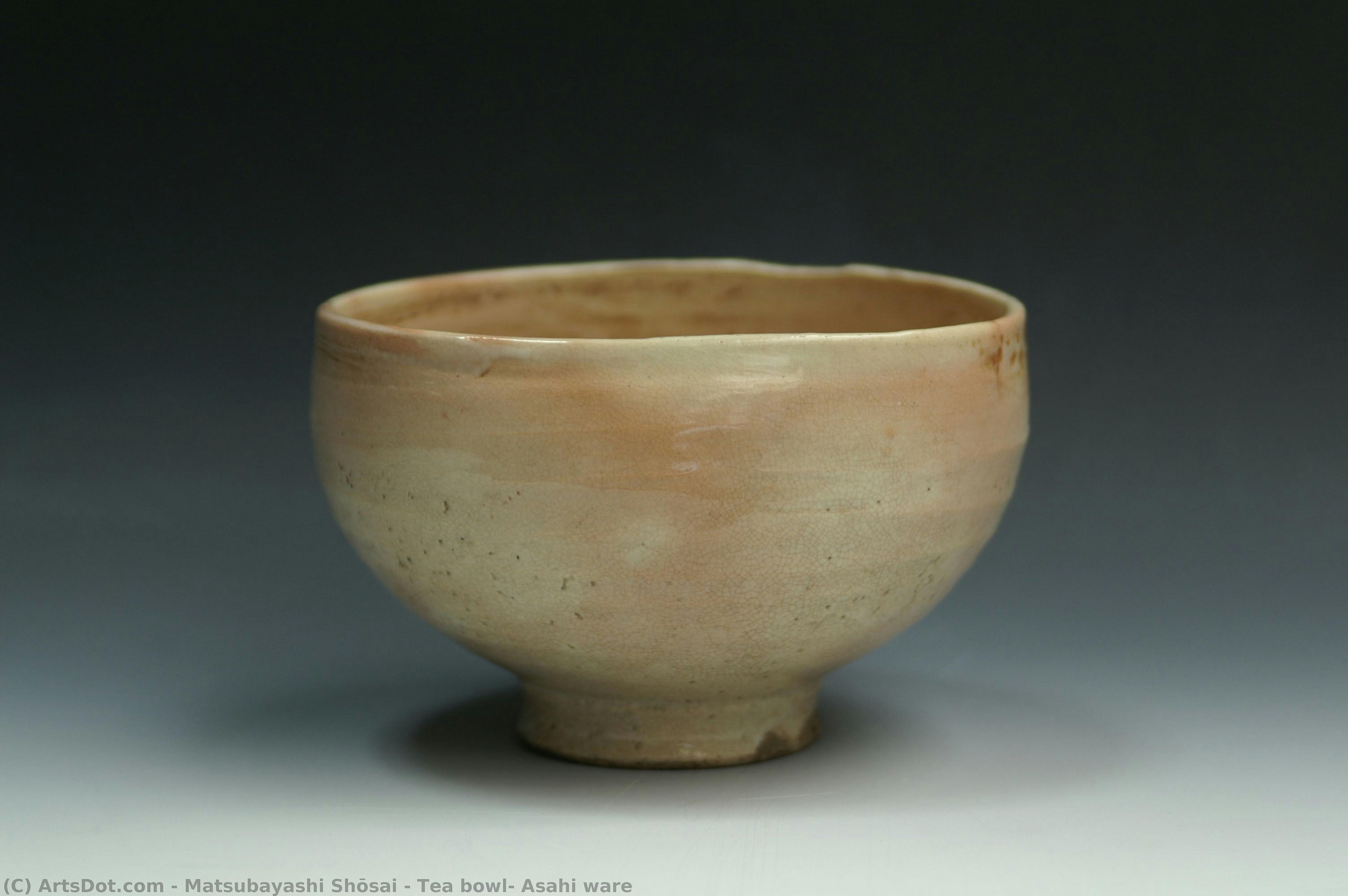
 プレビュー
プレビュー
 シェアする
シェアする シェアする
シェアする
 詳細を見る
詳細を見る

 ダウンロード
 似ている作品
 X線調査
X線調査 スライドショー
 Stats
StatsTea bowl, Asahi ware


 詳細を見る
詳細を見る
オンラインプレビューをはるかに凌ぐ、高解像度で鮮明なデジタル画像をご購入いただけます。
各ファイルは、社内の専門家が高度なツールと熟練した手作業によるレタッチを用いて、細心の注意を払って準備されています。すべての画像において、卓越した鮮明度、正確な色彩再現性、そして繊細なディテールを保証いたします。
最終ファイルは、プロフェッショナルな編集・印刷環境ですぐにご利用いただけるよう最適化された状態で、72時間以内にメールにてお届けいたします。これは、一流のデザインスタジオ、出版社、ギャラリーから信頼されているものと同等の品質です。
デジタルアート
個人での鑑賞、印刷、クリエイティブなプロジェクト用に、高解像度ファイルをダウンロードできます。 ( Switch to Print 手描きの絵画を購入)
デジタル画像のご注文に付随する特典
高品質なデジタル画像配信を、確かな品質で。
ArtsDot.com を選ぶことは、単に画像を手に入れることではありません。それは、プロの手によって精密に仕上げられ、満足保証が付いた高品質なデジタルアートワークを受け取ることを意味します。ご注文いただいた際に自動的に付随する内容は、以下の通りです:

メールですぐにお届け
ご注文から72時間以内に、高解像度のデジタル画像ファイルがメールでお手元に届きます。すぐにそのままご利用いただけます。

AI技術で最適化されたデジタルファイル
お客様の作品は、高度なAIツールと専門家による手作業の編集を組み合わせてプロフェッショナルに最適化されており、細部のディテール、鮮明さ、そして正確な色再現性を最大限に引き出しています。

一生涯無料の再送サービス
ファイルを誤って削除したり、紛失してしまったりしましたか?ご安心ください。いつでも無料で再送いたします。

輸入手数料は一切かかりません
関税や手数料、配送料を気にすることなく、お気に入りのアートワークをすぐにお楽しみいただけます。デジタルダウンロードは常に免税です。

色彩再現の保証
プロ仕様のツールとカラーマネジメント技術を用いることで、デジタル画像が元の色を最大限に忠実に再現することを保証いたします。

100日間満足保証
ご購入いただいたデジタル画像にご満足いただけない場合は、100日以内であれば、理由を問わず修正または100%の返金対応をさせていただきます。

100% 返金保証
ご満足いただけない場合は、デジタルファイルを受け取ってから100日以内であれば、理由を問わず全額返金いたします。

まとめ買い割引
3枚購入で10%OFF - 5枚購入で15%OFF - 10枚以上購入で20%OFF。クリエイティブなプロジェクト、ギャラリー、エージェンシーに最適です。







作家の略歴
Matsubayashi Shosai: A Legacy Forged in Clay
Born in Asahi, Japan, in 1865, Matsubayashi Shosai’s life was inextricably linked to the ancient traditions of his family – a lineage stretching back twelve generations as masters of Asahi ware pottery. His birth marked not just the arrival of another artisan, but the continuation of a venerable craft deeply rooted in Japanese history and aesthetics. As the first son of Heijiro, the eleventh generation potter, Shosai inherited more than simply a workshop; he received the weighty responsibility of preserving a legacy that spanned centuries. This inheritance profoundly shaped his artistic journey, imbuing every piece with a profound respect for the past while simultaneously driving him to innovate and refine the techniques of his ancestors.
The Asahi kilns, nestled in the foothills of Mount Fuji, held a unique significance within Japanese ceramics. They were renowned for their distinctive “maki-ire” – a technique involving a deliberate, swirling motion applied during firing that created mesmerizing patterns and textures on the surface of the pottery. This method, combined with the use of local clay and ash, resulted in a subtly variegated glaze, often exhibiting shades of grey, brown, and cream, lending each piece an ethereal quality. Shosai’s early training focused intensely on mastering this complex firing process, recognizing it as the very heart of Asahi ware's distinctive character.
Reviving Tradition: The Matcha Bowl Renaissance
Shosai’s most enduring contribution lies in his dedication to reviving the production of matcha tea bowls – a practice that had begun to wane during the Meiji era. Following his succession as the twelfth generation potter in 1894, he immediately set about restoring the traditional methods and aesthetic sensibilities associated with these highly prized vessels. He meticulously studied surviving records, experimented with firing techniques, and sought guidance from older artisans, determined to recapture the essence of Asahi ware’s golden age. This wasn't merely a matter of replication; Shosai aimed to imbue his bowls with a renewed sense of spirit and artistry.
The matcha bowl, far more than just a vessel for powdered green tea, is considered an integral part of the Japanese tea ceremony – *chanoyu*. Its shape, texture, and glaze are all carefully chosen to enhance the sensory experience of drinking tea. Shosai’s bowls were particularly celebrated for their subtle variations in color and surface, achieved through precise control of the “maki-ire” firing technique. Each bowl possessed a unique character, reflecting the skill and intuition of the potter and the unpredictable nature of the kiln fire.
Technique and Artistic Vision
Shosai’s mastery extended beyond simply replicating established techniques; he demonstrated a remarkable sensitivity to material and form. He understood that the clay itself possessed inherent qualities – its texture, color, and responsiveness to heat – and skillfully manipulated these elements to achieve his desired effects. His bowls are characterized by their understated elegance, a testament to his belief in “less is more.” The surfaces often display delicate crackle patterns, subtle shifts in glaze color, and an overall sense of quiet refinement.
The influence of earlier Asahi ware masters undoubtedly informed Shosai’s work. However, he wasn't simply imitating the past; he was building upon it, incorporating his own artistic vision while remaining deeply respectful of tradition. His bowls are a harmonious blend of historical knowledge and personal expression – a testament to his dedication and skill.
A Lasting Legacy
Matsubayashi Shosai’s life concluded in 1932, but his legacy continues to resonate within the world of Japanese ceramics. His revival of the matcha bowl tradition ensured that Asahi ware remained a vital part of Japan's artistic heritage. His meticulous attention to detail, profound understanding of firing techniques, and unwavering commitment to preserving tradition have secured his place as one of the most important figures in 19th-century Japanese pottery. Today, his bowls are highly sought after by collectors worldwide, serving as tangible links to a rich cultural history and a testament to the enduring power of handcrafted artistry.
Further Exploration: Tea bowl, Asahi ware
matsubayashi shōsai
1865 - 1932 , Japan
プロフィール概要
- Artistic Movement Or Style: Asahi ware pottery
- Date Of Birth: 1865
- Date Of Death: 1932
- Full Name: Matsubayashi Shosai
- Nationality: Japanese
- Notable Artworks: ['Tea bowl, Asahi ware']
- Place Of Birth: Asahi, Japan