

 プレビュー
プレビュー
 プリントを購入
 シェアする
シェアする シェアする
シェアする
 詳細を見る
詳細を見る

 ダウンロード
 似ている作品
 X線調査
X線調査 スライドショー
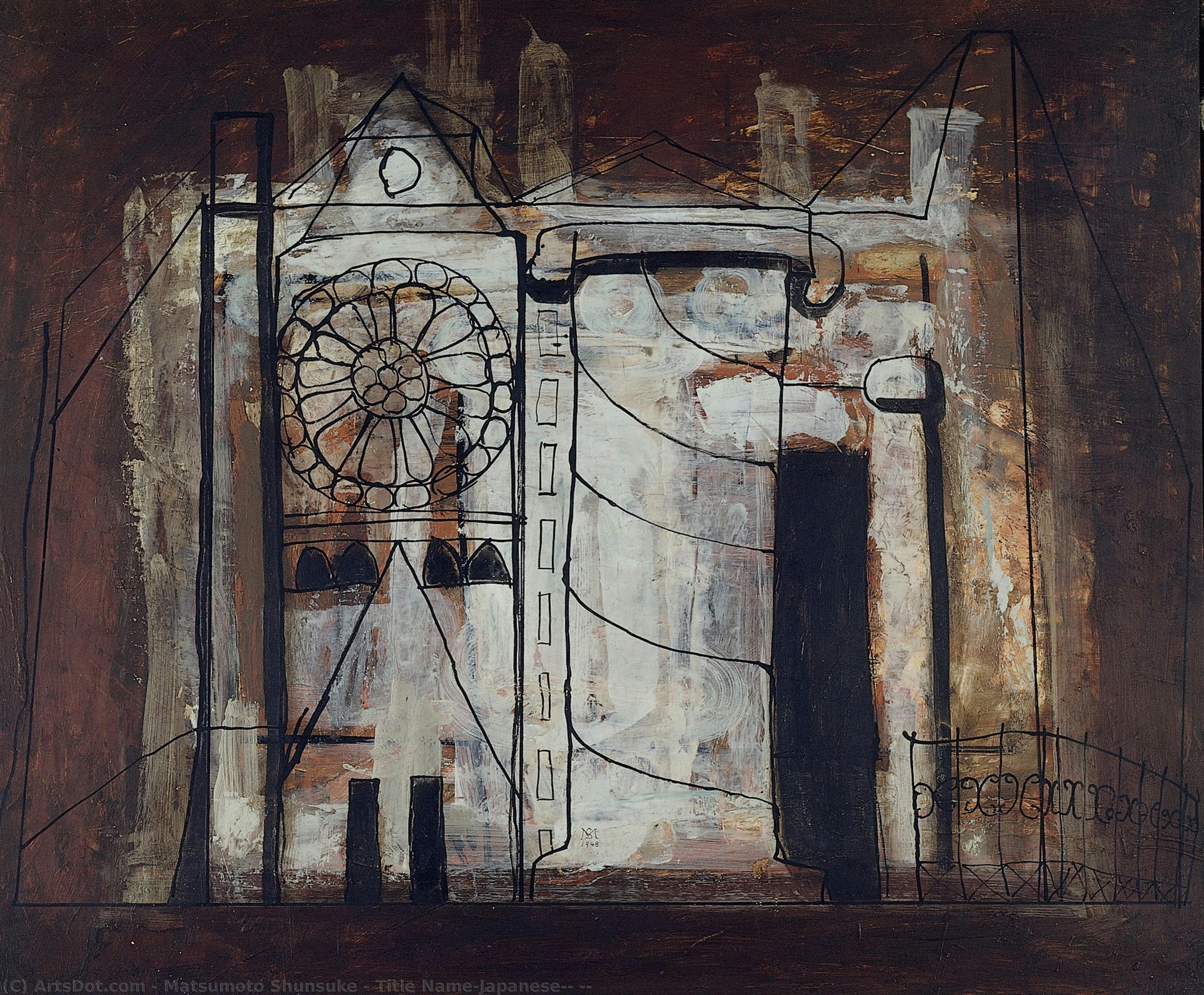
Title Name(Japanese): 建物
 1948
1948 73.0 x 60.0 cm
 詳細を見る
詳細を見る
オンラインプレビューをはるかに凌ぐ、高解像度で鮮明なデジタル画像をご購入いただけます。
各ファイルは、社内の専門家が高度なツールと熟練した手作業によるレタッチを用いて、細心の注意を払って準備されています。すべての画像において、卓越した鮮明度、正確な色彩再現性、そして繊細なディテールを保証いたします。
最終ファイルは、プロフェッショナルな編集・印刷環境ですぐにご利用いただけるよう最適化された状態で、72時間以内にメールにてお届けいたします。これは、一流のデザインスタジオ、出版社、ギャラリーから信頼されているものと同等の品質です。
デジタル画像のご注文に付随する特典
高品質なデジタル画像配信を、確かな品質で。
ArtsDot.com を選ぶことは、単に画像を手に入れることではありません。それは、プロの手によって精密に仕上げられ、満足保証が付いた高品質なデジタルアートワークを受け取ることを意味します。ご注文いただいた際に自動的に付随する内容は、以下の通りです:

メールですぐにお届け
ご注文から72時間以内に、高解像度のデジタル画像ファイルがメールでお手元に届きます。すぐにそのままご利用いただけます。

AI技術で最適化されたデジタルファイル
お客様の作品は、高度なAIツールと専門家による手作業の編集を組み合わせてプロフェッショナルに最適化されており、細部のディテール、鮮明さ、そして正確な色再現性を最大限に引き出しています。

一生涯無料の再送サービス
ファイルを誤って削除したり、紛失してしまったりしましたか?ご安心ください。いつでも無料で再送いたします。

輸入手数料は一切かかりません
関税や手数料、配送料を気にすることなく、お気に入りのアートワークをすぐにお楽しみいただけます。デジタルダウンロードは常に免税です。

色彩再現の保証
プロ仕様のツールとカラーマネジメント技術を用いることで、デジタル画像が元の色を最大限に忠実に再現することを保証いたします。

100日間満足保証
ご購入いただいたデジタル画像にご満足いただけない場合は、100日以内であれば、理由を問わず修正または100%の返金対応をさせていただきます。

100% 返金保証
ご満足いただけない場合は、デジタルファイルを受け取ってから100日以内であれば、理由を問わず全額返金いたします。

まとめ買い割引
3枚購入で10%OFF - 5枚購入で15%OFF - 10枚以上購入で20%OFF。クリエイティブなプロジェクト、ギャラリー、エージェンシーに最適です。
関連作品








作家の略歴
The Silent Visionary: The Life and Legacy of Matsumoto Shunsuke
In the brief, luminous span of his thirty-six years, Matsumoto Shunsuke (1912–1948) managed to capture the profound psychological weight of a Japan in transition. Born Satō Shunsuke in the vibrant Shibuya district of Tokyo, his early life was marked by a transformative hardship that would ultimately shape his unique sensory perception of the world. At the age of thirteen, a bout of epidemic cerebral meningitis left him profoundly deaf, a silence that many believe deepened his visual acuity and allowed him to observe the nuances of light and form with an unparalleled intensity. This inward-looking perspective became the cornerstone of his artistic identity, as he learned to translate the rhythms of a changing society into the silent language of oil on canvas.
His journey into the heart of the Yōga tradition—the Western-style painting movement in Japan—began with a profound moment of familial support. It was a gift of oil painting tools from his elder brother, Akira, that ignited a lifelong passion. Moving to Tokyo as a young man, Matsumoto immersed himself in the rigorous academic environment of the era, eventually finding his voice through the study of both Western compositional principles and the subtle expressive qualities inherent in Japanese aesthetics. His early works began to gain recognition in prestigious venues like the Nika Art Exhibition, signaling the arrival of a talent capable of bridging the gap between traditional sensibilities and modern, globalized artistic movements.
Urban Melancholy and the Montage of Modernity
The true brilliance of Matsumoto’s oeuvre lies in his ability to evoke the atmosphere of an era grappling with rapid industrialization. His work is often categorized into two distinct yet emotionally resonant series that reflect the duality of the Japanese urban experience. In one, he explored "Anonymous Urban Landscapes," utilizing a palette of muted browns and earthy tones to depict the gritty, unadorned reality of Tokyo and Yokohama. These canvases are not mere topographical records; they are meditations on the encroaching shadows of modernity, where the textures of brick, iron, and stone serve as witnesses to the relentless march of progress.
In stark contrast to these somber cityscapes are his celebrated works featuring "People in Cold Blue Tones." Here, Matsumoto employed a sophisticated montage technique, layering perspectives and textures to create scenes that feel both surreal and deeply intimate. These compositions often feature solitary figures or architectural fragments set against chillingly beautiful blue hues, evoking a sense of profound isolation and quiet contemplation. Through this interplay of color and structure, he captured the alienation that often accompanies urban expansion, turning the cityscape into a psychological landscape where the boundaries between the external world and the internal spirit begin to blur.
A Final Evolution Toward Abstraction
As his career progressed toward its tragic conclusion, Matsumoto’s artistic language underwent a fascinating metamorphosis. In the final years of his life, particularly between 1947 and 1948, he began to move away from the concrete motifs of his earlier landscapes toward more experimental, Cubist-inspired forms. This period saw the emergence of his "Composition" series, where the heavy textures of his urban scenes gave way to a more streamlined, graphic approach. Using bold black lines atop freely applied layers of paint, he began to deconstruct buildings, tracks, and human figures into essential geometric elements.
This evolution toward abstraction suggests an artist who was constantly pushing against the limits of representation, seeking a more primal truth beneath the surface of reality. Though his life was cut short by illness, leaving much of his potential unfulfilled, the impact of his work remains indelible. Matsumoto Shunsuke stands as a pivotal figure in 20th-century Japanese art, a painter who transformed the silence of his own world into a powerful, visual symphony of urban transformation, memory, and enduring human emotion.
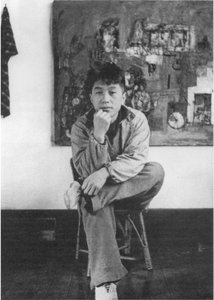
matsumoto shunsuke
1912 - 1948 , Japan
プロフィール概要
- Artistic Movement Or Style: Yōga (Western painting)
- Artists Who Influenced This Artist: ['Okada Saburōsuke']
- Date Of Birth: April 19, 1912
- Date Of Death: June 8, 1948
- Full Name: Matsumoto Shunsuke
- Nationality: Japanese
- Notable Artworks:
- Machi 1936
- Woman with Sculpture
- Title Name(Japanese): 並木道
- Title Name(Japanese): Y市の橋
- Place Of Birth: Tokyo, Japan