

 プレビュー
プレビュー
 プリントを購入
 シェアする
シェアする シェアする
シェアする
 詳細を見る
詳細を見る

 ダウンロード
 似ている作品
 X線調査
X線調査 スライドショー
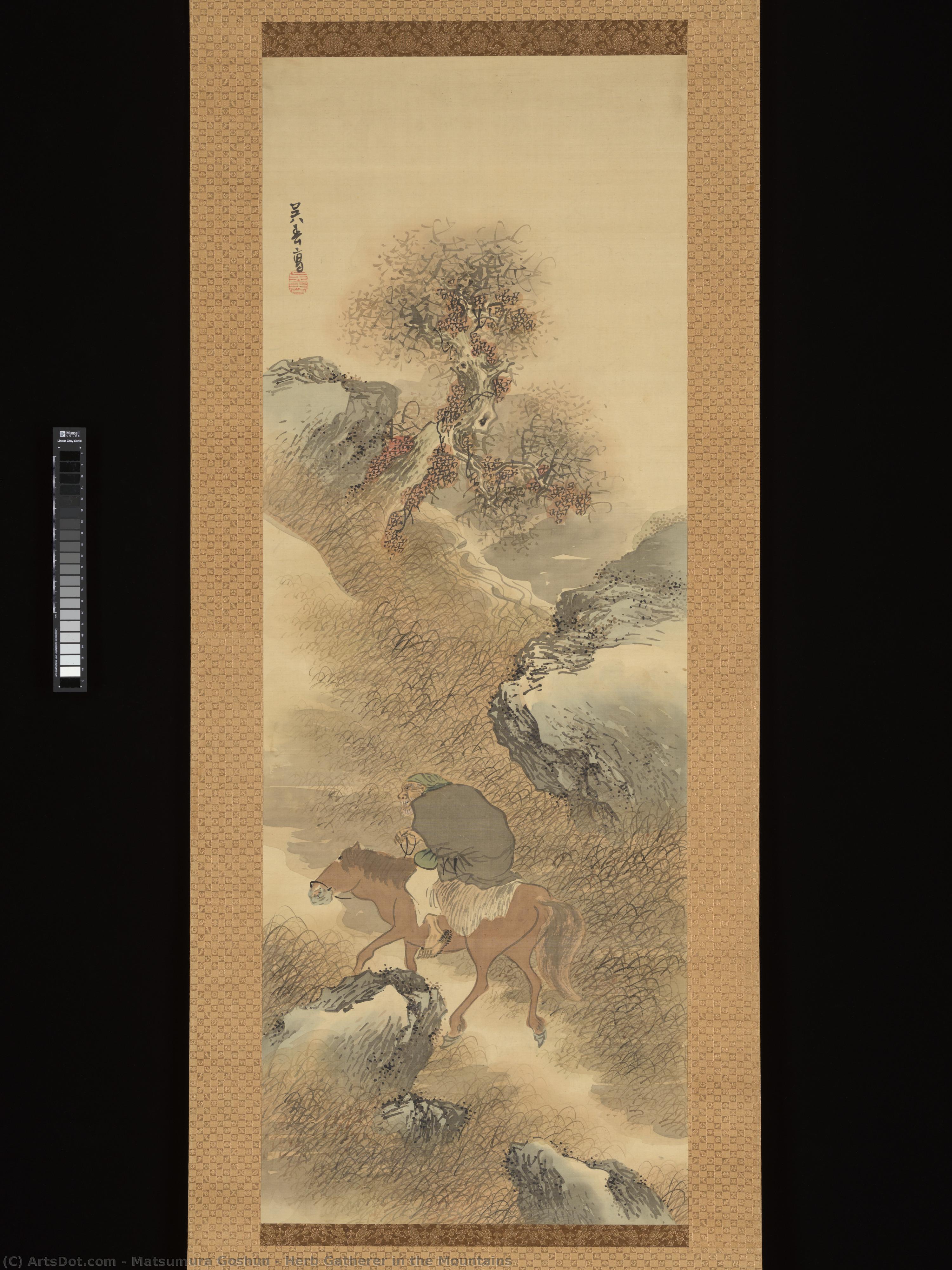
Herb Gatherer in the Mountains
 1780
1780 112.0 x 41.0 cm
 詳細を見る
詳細を見る
オンラインプレビューをはるかに凌ぐ、高解像度で鮮明なデジタル画像をご購入いただけます。
各ファイルは、社内の専門家が高度なツールと熟練した手作業によるレタッチを用いて、細心の注意を払って準備されています。すべての画像において、卓越した鮮明度、正確な色彩再現性、そして繊細なディテールを保証いたします。
最終ファイルは、プロフェッショナルな編集・印刷環境ですぐにご利用いただけるよう最適化された状態で、72時間以内にメールにてお届けいたします。これは、一流のデザインスタジオ、出版社、ギャラリーから信頼されているものと同等の品質です。
デジタル画像のご注文に付随する特典
高品質なデジタル画像配信を、確かな品質で。
ArtsDot.com を選ぶことは、単に画像を手に入れることではありません。それは、プロの手によって精密に仕上げられ、満足保証が付いた高品質なデジタルアートワークを受け取ることを意味します。ご注文いただいた際に自動的に付随する内容は、以下の通りです:

メールですぐにお届け
ご注文から72時間以内に、高解像度のデジタル画像ファイルがメールでお手元に届きます。すぐにそのままご利用いただけます。

AI技術で最適化されたデジタルファイル
お客様の作品は、高度なAIツールと専門家による手作業の編集を組み合わせてプロフェッショナルに最適化されており、細部のディテール、鮮明さ、そして正確な色再現性を最大限に引き出しています。

一生涯無料の再送サービス
ファイルを誤って削除したり、紛失してしまったりしましたか?ご安心ください。いつでも無料で再送いたします。

輸入手数料は一切かかりません
関税や手数料、配送料を気にすることなく、お気に入りのアートワークをすぐにお楽しみいただけます。デジタルダウンロードは常に免税です。

色彩再現の保証
プロ仕様のツールとカラーマネジメント技術を用いることで、デジタル画像が元の色を最大限に忠実に再現することを保証いたします。

60日間満足保証
ご購入いただいたデジタル画像にご満足いただけない場合は、60日以内であれば、修正または100%の返金(理由を問う必要はありません)をさせていただきます。

100% 返金保証
ご満足いただけない場合は、デジタルファイルを受け取ってから60日以内であれば、理由を問わず全額返金いたします。

まとめ買い割引
3枚購入で10%OFF - 5枚購入で15%OFF - 10枚以上購入で20%OFF。クリエイティブなプロジェクト、ギャラリー、エージェンシーに最適です。
関連作品










作家の略歴
Matsumura Goshun: Bridging Literati Tradition and Maruyama Realism
Matsumura Goshun (1752-1811), often referred to as Matsumura Gekkei, stands as a pivotal figure in Japanese painting during the Edo period. He wasn’t merely a painter; he was a foundational architect of the Shijō school, a unique artistic lineage that skillfully blended the contemplative elegance of literati painting with the burgeoning realism championed by Maruyama Ōkyo and his circle. Born into a privileged family – his father served as an official at the royal mint – Goshun’s early life was steeped in cultural refinement, receiving rigorous instruction in calligraphy, poetry, classical literature, and, crucially, painting from accomplished masters of both nanga (Chinese-style landscape) and literati traditions. This comprehensive education laid the groundwork for his distinctive artistic voice. His formative years were deeply influenced by Yosa Buson (1716–1784), a master of the Southern School of Japanese painting, whose profound understanding of composition, brushwork, and atmospheric perspective shaped Goshun’s early style. Buson instilled in him the core tenets of literati painting – an emphasis on capturing the essence of nature through subtle details, conveying emotion rather than literal representation, and prioritizing personal expression over meticulous detail. However, Goshun's journey wasn't without its hardships. The untimely deaths of his wife and father, coupled with Buson’s declining health in 1781, forced him to relocate from Kyoto’s Shijō-district to Ikeda near Osaka, a period marked by financial struggle and the necessity of seeking patronage. Despite these challenges, he continued to hone his skills, maintaining a connection to Buson's literati style while grappling with the realities of self-sufficiency.The Influence of Maruyama Ōkyo and the Shift in Style
A turning point arrived in 1787 when Goshun joined the circle of painters working for Maruyama Ōkyo (1733–1795), a leading figure in the Maruyama school. Ōkyo’s influence proved transformative, introducing elements of Western perspective and a more direct engagement with observation into his work. This exposure led to a significant evolution in Goshun's style. He began incorporating Ōkyo’s techniques – bolder brushstrokes, heightened color palettes, and a greater attention to detail—into his compositions. This wasn’t a wholesale abandonment of his literati roots but rather a sophisticated synthesis; he retained the core principles of balance and harmony while embracing a more dynamic and visually arresting approach. The fire that ravaged parts of Kyoto in 1789 further solidified this shift, forcing both Goshun and Ōkyo to seek refuge together at a temple, fostering a period of collaborative exchange and mutual influence.A Unique Artistic Synthesis: Literati Brushwork Meets Maruyama Realism
Goshun’s artistic development can be characterized by a remarkable ability to fuse disparate influences into a cohesive and deeply personal style. While his early work is undeniably rooted in Buson's literati tradition – characterized by understated elegance, subtle color gradations, and a focus on capturing the spirit of nature—his later paintings demonstrate a growing mastery of Maruyama’s techniques. He skillfully balanced the contemplative mood of literati painting with Ōkyo’s more direct approach to observation, resulting in works that possess both intellectual depth and visual vibrancy. His compositions often feature meticulously rendered details – birds perched on branches, rocks sculpted by wind and water, or glimpses of distant mountains—all presented within a framework of carefully considered balance and harmony.Notable Works and Legacy
Among Goshun’s most celebrated works is “Herb Gatherer in the Mountains,” a captivating depiction of a solitary figure amidst a serene landscape. This piece exemplifies his ability to convey both the beauty of nature and the quiet dignity of human experience. His paintings frequently depict birds, showcasing an exceptional level of detail and sensitivity in capturing their plumage and behavior – a testament to his keen observational skills. Following Ōkyo’s death in 1795, Goshun established the Shijō school, solidifying his position as a key figure in Edo-period art. The school continued to produce works that reflected his unique synthesis of literati tradition and Maruyama realism for decades after his death. Matsumura Goshun’s legacy lies not only in his individual paintings but also in his pioneering role as a bridge between two distinct artistic traditions, shaping the course of Japanese painting for generations to come. His work continues to be exhibited and studied worldwide, offering a profound glimpse into the artistic landscape of 18th-century Japan.
matsumura goshun
1752 - 1811
プロフィール概要
- Artistic Movement Or Style: Shijō School, Literati, Maruyama
- Artists Or Movements Influenced By This Artist: ['Maruyama Ōkyo']
- Artists Who Influenced This Artist: ['Yosa Buson']
- Date Of Birth: April 28, 1752
- Date Of Death: September 4, 1811
- Full Name: Matsumura Goshun
- Nationality: Japanese
- Notable Artworks: ['Herb Gatherer in the Mountains']
- Place Of Birth: Kyoto, Japan

