

 プレビュー
プレビュー
 プリントを購入
 シェアする
シェアする シェアする
シェアする
 詳細を見る
詳細を見る

 ダウンロード
 似ている作品
 X線調査
X線調査 スライドショー
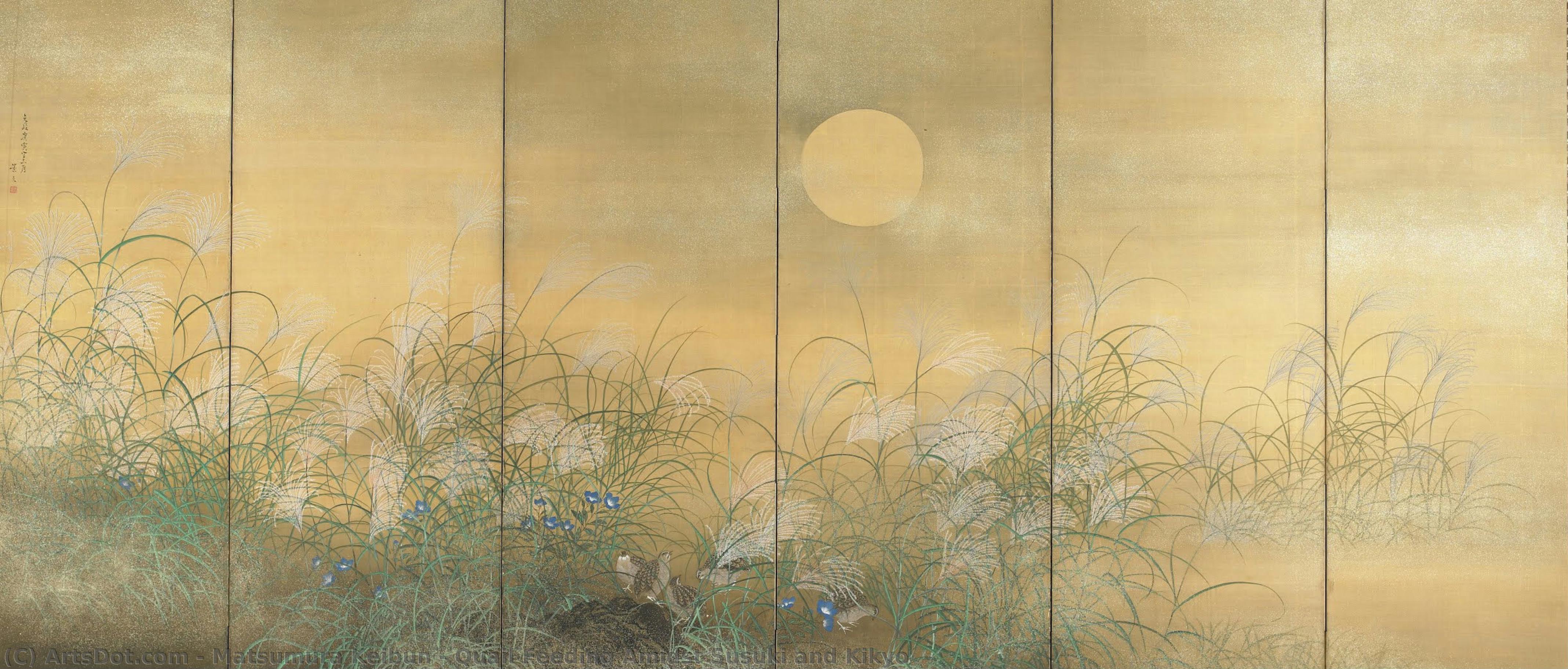
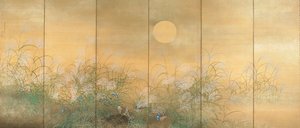
Quail Feeding Amidst Susuki and Kikyo


 詳細を見る
詳細を見る
オンラインプレビューをはるかに凌ぐ、高解像度で鮮明なデジタル画像をご購入いただけます。
各ファイルは、社内の専門家が高度なツールと熟練した手作業によるレタッチを用いて、細心の注意を払って準備されています。すべての画像において、卓越した鮮明度、正確な色彩再現性、そして繊細なディテールを保証いたします。
最終ファイルは、プロフェッショナルな編集・印刷環境ですぐにご利用いただけるよう最適化された状態で、72時間以内にメールにてお届けいたします。これは、一流のデザインスタジオ、出版社、ギャラリーから信頼されているものと同等の品質です。
デジタル画像のご注文に付随する特典
高品質なデジタル画像配信を、確かな品質で。
ArtsDot.com を選ぶことは、単に画像を手に入れることではありません。それは、プロの手によって精密に仕上げられ、満足保証が付いた高品質なデジタルアートワークを受け取ることを意味します。ご注文いただいた際に自動的に付随する内容は、以下の通りです:

メールですぐにお届け
ご注文から72時間以内に、高解像度のデジタル画像ファイルがメールでお手元に届きます。すぐにそのままご利用いただけます。

AI技術で最適化されたデジタルファイル
お客様の作品は、高度なAIツールと専門家による手作業の編集を組み合わせてプロフェッショナルに最適化されており、細部のディテール、鮮明さ、そして正確な色再現性を最大限に引き出しています。

一生涯無料の再送サービス
ファイルを誤って削除したり、紛失してしまったりしましたか?ご安心ください。いつでも無料で再送いたします。

輸入手数料は一切かかりません
関税や手数料、配送料を気にすることなく、お気に入りのアートワークをすぐにお楽しみいただけます。デジタルダウンロードは常に免税です。

色彩再現の保証
プロ仕様のツールとカラーマネジメント技術を用いることで、デジタル画像が元の色を最大限に忠実に再現することを保証いたします。

60日間満足保証
ご購入いただいたデジタル画像にご満足いただけない場合は、60日以内であれば、修正または100%の返金(理由を問う必要はありません)をさせていただきます。

100% 返金保証
ご満足いただけない場合は、デジタルファイルを受け取ってから60日以内であれば、理由を問わず全額返金いたします。

まとめ買い割引
3枚購入で10%OFF - 5枚購入で15%OFF - 10枚以上購入で20%OFF。クリエイティブなプロジェクト、ギャラリー、エージェンシーに最適です。
関連作品
作家の略歴
Matsumura Keibun: Life and Legacy
Early Life and Training
Matsumura Keibun (1779-1843) was a prominent Japanese painter active during the Edo period. Born in Kyoto, Japan, he came from an artistic family. He was the younger half-brother of Matsumura Goshun, who founded the influential Shijō school of painting. Keibun received his initial art education directly from Goshun, laying the foundation for his future style and career.
Artistic Development and Style
Keibun began exhibiting his work as early as 1796, demonstrating a precocious talent. His style closely mirrored that of his half-brother Goshun, but developed a lighter and more manneristic quality over time. While rooted in traditional Japanese painting techniques, Keibun’s approach possessed a distinctive elegance and refinement. He was skilled in various genres, including landscapes, figure paintings, and particularly excelled in kachō-ga (bird-and-flower painting).
Major Achievements and Works
- Inheritance of Goshun’s Studio: Upon Goshun's death in 1811, Keibun inherited his studio, solidifying his position within the Shijō school.
- ‘Go Keibun gafu’: In 1829, he published ‘Go Keibun gafu’ (Keibun's art of painting), an illustrated book that significantly contributed to establishing and promoting Goshun’s artistic principles.
- Gion Matsuri Float Paintings: A notable achievement was his creation of bird paintings on the ceiling of the ‘naginata-hoko’ (long sword halberd) float for the Gion Matsuri festival in 1829. These paintings remain in use today, a testament to their enduring quality.
- ‘Shiki Kōsaku-zu’: Perhaps his most celebrated work is the set of fusuma (sliding doors) at Myōhō–ji temple, depicting ‘Cultivation in the Four Seasons’. These paintings showcase Keibun’s mastery of composition and detail.
Influences and Historical Significance
Keibun was profoundly influenced by his half-brother, Goshun, whose style he initially emulated. However, he gradually developed a unique artistic voice within the Shijō school tradition. His work reflects the aesthetic preferences of Kyoto during the late Edo period, characterized by elegance and refinement.
Keibun’s contribution lies in his skillful continuation and subtle evolution of the Shijō school style. He helped to solidify Goshun's legacy while adding his own distinctive touch. His paintings are now held in numerous prestigious museums worldwide, including the British Museum, the Metropolitan Museum of Art, and the Seattle Art Museum, demonstrating his lasting impact on Japanese art history.
Later Life and Legacy
Beyond his artistic pursuits, Keibun also served as chief priest at the Myōhō-in temple in Kyoto. He passed away on May 25, 1843, and was initially interred at Daitsū-ji before being moved to Konpuku-ji, a more esteemed Zen temple. His work continues to be admired for its beauty, technical skill, and historical significance.
Matsumura Keibun
1779 - 1843 , Japan
プロフィール概要
- Birth Date: 1779
- Birth Place: Kyoto, Japan
- Death Date: 1843-05-25
- Influenced By: Matsumura Goshun
- Movement: Shijō school
- Name: Matsumura Keibun
- Nationality: Japanese
- Notable Works: Shiki Kōsaku-zu (Four Seasons Cultivation)

