

 プレビュー
プレビュー
 シェアする
シェアする シェアする
シェアする
 詳細を見る
詳細を見る

 ダウンロード
 似ている作品
 X線調査
X線調査 スライドショー
 統計情報
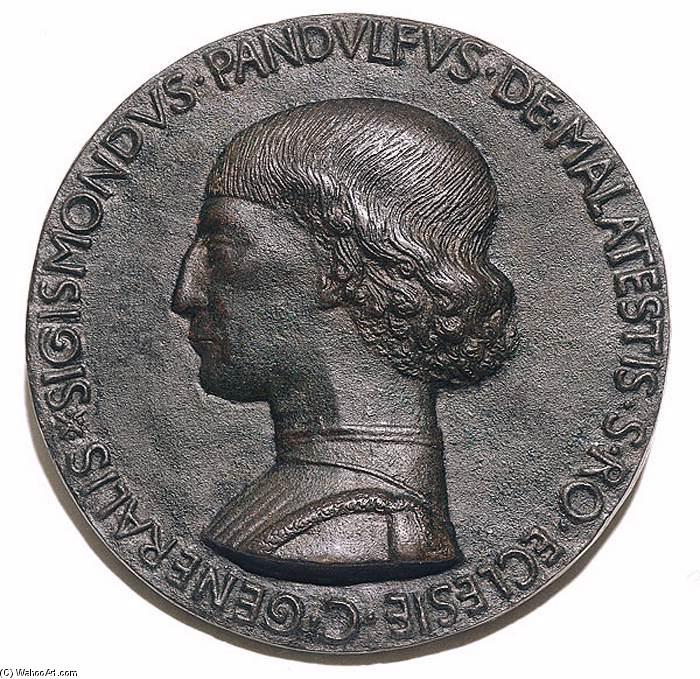
統計情報Portrait of Sigismondo Pandolfo Malatesta (obverse)


 詳細を見る
詳細を見る
オンラインプレビューをはるかに凌ぐ、高解像度で鮮明なデジタル画像をご購入いただけます。
各ファイルは、社内の専門家が高度なツールと熟練した手作業によるレタッチを用いて、細心の注意を払って準備されています。すべての画像において、卓越した鮮明度、正確な色彩再現性、そして繊細なディテールを保証いたします。
最終ファイルは、プロフェッショナルな編集・印刷環境ですぐにご利用いただけるよう最適化された状態で、72時間以内にメールにてお届けいたします。これは、一流のデザインスタジオ、出版社、ギャラリーから信頼されているものと同等の品質です。
デジタルアート
個人での鑑賞、印刷、クリエイティブなプロジェクト用に、高解像度ファイルをダウンロードできます。 ( プリント版に切り替え 手描きの絵画を購入)
デジタル画像のご注文に付随する特典
高品質なデジタル画像配信を、確かな品質で。
ArtsDot.com を選ぶことは、単に画像を手に入れることではありません。それは、プロの手によって精密に仕上げられ、満足保証が付いた高品質なデジタルアートワークを受け取ることを意味します。ご注文いただいた際に自動的に付随する内容は、以下の通りです:

メールですぐにお届け
ご注文から72時間以内に、高解像度のデジタル画像ファイルがメールでお手元に届きます。すぐにそのままご利用いただけます。

AI技術で最適化されたデジタルファイル
お客様の作品は、高度なAIツールと専門家による手作業の編集を組み合わせてプロフェッショナルに最適化されており、細部のディテール、鮮明さ、そして正確な色再現性を最大限に引き出しています。

一生涯無料の再送サービス
ファイルを誤って削除したり、紛失してしまったりしましたか?ご安心ください。いつでも無料で再送いたします。

輸入手数料は一切かかりません
関税や手数料、配送料を気にすることなく、お気に入りのアートワークをすぐにお楽しみいただけます。デジタルダウンロードは常に免税です。

色彩再現の保証
プロ仕様のツールとカラーマネジメント技術を用いることで、デジタル画像が元の色を最大限に忠実に再現することを保証いたします。

100日間満足保証
ご購入いただいたデジタル画像にご満足いただけない場合は、100日以内であれば、理由を問わず修正または100%の返金対応をさせていただきます。

100% 返金保証
ご満足いただけない場合は、デジタルファイルを受け取ってから100日以内であれば、理由を問わず全額返金いたします。

まとめ買い割引
3枚購入で10%OFF - 5枚購入で15%OFF - 10枚以上購入で20%OFF。クリエイティブなプロジェクト、ギャラリー、エージェンシーに最適です。
A Glimpse into Renaissance Power and Patronage
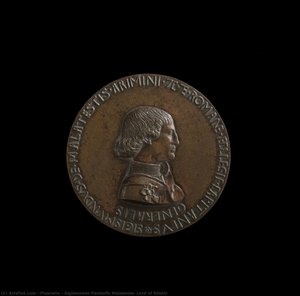
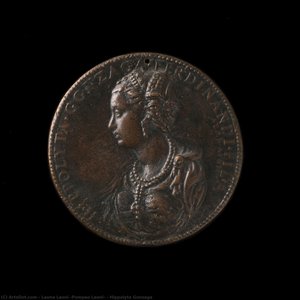
Matteo di Andrea de’ Pasti's “Portrait of Sigismondo Pandolfo Malatesta (obverse)” is more than just a depiction of a 15th-century nobleman; it’s a meticulously crafted testament to the era’s fascination with portraiture, heraldry, and the glorification of power. Created around 1449 in Verona, Italy, during the height of the Early Renaissance, this bronze medal offers a rare window into the world of Italian nobility – specifically, the ambitious and often ruthless Sigismondo Pandolfo Malatesta, Lord of Rimini.
The subject himself, Malatesta, was a formidable figure. A skilled military leader, he commanded Venetian forces in crucial campaigns and ruled over a significant territory with an iron fist. The medal wasn’t merely a likeness; it served as a potent symbol of his authority, commissioned by the man himself to project an image of strength, justice, and divine favor. The choice of bronze – a material valued for its durability and ability to capture detail – speaks volumes about the importance placed on this representation.
A Masterclass in Renaissance Portraiture
De’ Pasti's skill lies not just in his technical proficiency, but also in his understanding of Renaissance artistic conventions. The portrait adheres closely to the idealized proportions and elegant lines favored by artists like Botticelli and Donatello. Malatesta is presented in profile, a common technique for conveying dignity and authority, with a carefully sculpted face exhibiting a subtle yet commanding presence. Note the deliberate sharpness of the features – a hallmark of the period—and the meticulous rendering of his clothing, hinting at wealth and status.
- Profile Composition: The profile view emphasizes Malatesta’s authority and conveys a sense of timelessness.
- Classical Proportions: The portrait adheres to idealized Renaissance proportions, reflecting the humanist ideals of beauty and harmony.
- Detailed Rendering: The artist's attention to detail—from the texture of the clothing to the lines of the face—demonstrates a mastery of his craft.
Symbolism Woven into Bronze
Beyond the portrait itself, the medal is rich in symbolic elements. The inscription encircling Malatesta’s likeness – “SIGISMVNDVS ·PANDVLFVS · MALATESTA · PAN · F” – identifies him and references his titles (Lord of Rimini, Lord of Fano). The laurel wreath, subtly implied by the inscription, signifies honor and victory—a fitting tribute to a successful military leader. The presence of the name “PAN,” likely referring to Pandolfo, further solidifies his identity.
Furthermore, the medal’s design reflects the broader context of Renaissance patronage. Such medals were frequently commissioned by rulers and nobles to commemorate their achievements, solidify their power, and project an image of themselves as virtuous leaders. The use of bronze itself was a deliberate choice; it symbolized strength, permanence, and connection to the divine.
A Window into a Lost World
“Portrait of Sigismondo Pandolfo Malatesta (obverse)” offers a captivating glimpse into the world of 15th-century Italy—a time of political intrigue, military campaigns, and burgeoning artistic innovation. This remarkable bronze medal is not simply an image; it’s a tangible artifact that speaks to the ambitions, anxieties, and aesthetic sensibilities of a bygone era. Reproductions capture the essence of this historical treasure, allowing us to appreciate its beauty and significance for generations to come.
関連作品

作家の略歴
The Sculptor of Renaissance Splendor
Matteo di Andrea de’ Pasti stands as a pivotal figure in the artistic landscape of Verona and the broader Italian Renaissance, a master whose hands shaped the very essence of humanist ideals. Born in Verona around 1420, he emerged from a tradition steeped in Veronese sculptural excellence, inheriting techniques honed by masters such as Giovanni Battista Falcone and Andrea Mantegna. These foundational skills would prove instrumental in shaping his distinctive style, characterized by an exquisite ability to marry monumental scale with intricate, delicate detail. His life was a journey through the intellectual ferment of the Quattrocento, fueled by the humanist scholarship and artistic innovation that flowed from Florence under the influence of figures like Lorenzo de’ Medici.
The artistry of Pasti is deeply rooted in the embrace of classical proportions and idealized forms, mirroring the stylistic trends championed by the great architects Alberti and Brunelleschi. This connection to the classical past was not merely aesthetic but philosophical, reflecting a profound fascination with Greco-Roman aesthetics that permeated the era. His work often sought to capture the spirit of his age—the High Renaissance—conveying profound symbolic meaning through the medium of bronze and stone. Whether crafting a massive religious icon or a miniature commemorative medal, Pasti possessed an unparalleled skill in capturing both the physical likeness and the spiritual depth of his subjects.
A Visionary Collaboration and Royal Patronage
Perhaps the most enduring testament to Pasti’s genius is his legendary collaboration with the visionary architect Leone Battista Alberti. Together, they embarked on the ambitious design and construction of the Tempio Malatestiano in Rimini, a project that cemented their reputation as a formidable architect-sculptor duo. This cathedral church was more than a religious edifice; it was a meticulously crafted symbol of royal prestige and humanist ambition, commissioned by Sigismondo Pandolfo Malatesta. Within this breathtaking structure, Pasti’s sculptural decorations breathed life into the stone, including monumental statues of saints and biblical figures that demonstrated his mastery of expressive power and scale.
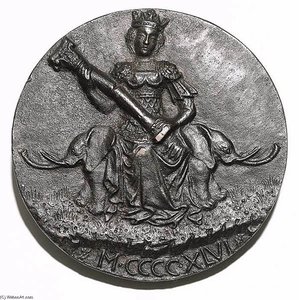
The breadth of Pasti’s influence is further evidenced by the illustrious patrons who sought his hand. His prolific output spanned commissions for influential figures such as Lionello d'Este, reflecting a flourishing artistic environment where civic pride and religious piety were celebrated through art. His talent for portraiture led him to produce numerous busts and medals for noble families across Italy, capturing the likenesses of prominent individuals with remarkable realism. This mastery extended even to the realm of metalwork, where his intricately crafted bronze medals became celebrated artifacts of Renaissance symbolism, often featuring complex allegories such as Fortitude seated upon elephants.
Legacy and Historical Significance
The historical trajectory of Matteo di Andrea de’ Pasti is as dramatic as the art he produced. In 1461, his reputation reached far beyond the borders of Italy when he was sent by Sigismondo Malatesta to the court of Mekhmed II in Istanbul. However, this grand diplomatic and artistic mission was cut short when he was arrested during his journey, a moment that serves as a poignant coda to a life of immense creative achievement. Though his career was marked by such turbulent interruptions, his impact on the sculptural tradition remains indelible.
Today, the legacy of Pasti is preserved in some of the world's most prestigious institutions, allowing modern viewers to connect with the grandeur of the Renaissance. His works serve as vital links to a period of unparalleled human achievement, embodying the following:
- Technical Mastery: The seamless integration of Gothic traditions with innovative Renaissance structural solutions.
- Humanist Expression: The use of idealized human forms to convey complex religious and civic narratives.
- Artistic Versatility: An ability to transition effortlessly between monumental cathedral sculpture and the delicate precision of commemorative medal making.
- Cultural Impact: A lasting presence in collections such as the Cleveland Museum of Art and the British Museum, where his pieces continue to inspire awe.
プロフィール概要
- Artistic Movement Or Style: Renaissance
- Artists Or Movements Influenced By This Artist: ['Leone Battista Alberti']
- Date Of Birth: Verona, Italy ()
- Date Of Death: Living
- Full Name: Matteo di Andrea de' Pasti
- Nationality: Italian
- Notable Artworks:
- Bust of Leon Battista Alberti
- Fortitude, seated on two elephants (reverse)
- Tempio Malatestiana
- Place Of Birth: Verona