

 プレビュー
プレビュー
 プリントを購入
 シェアする
シェアする シェアする
シェアする
 詳細を見る
詳細を見る

 ダウンロード
 似ている作品
 X線調査
X線調査 スライドショー
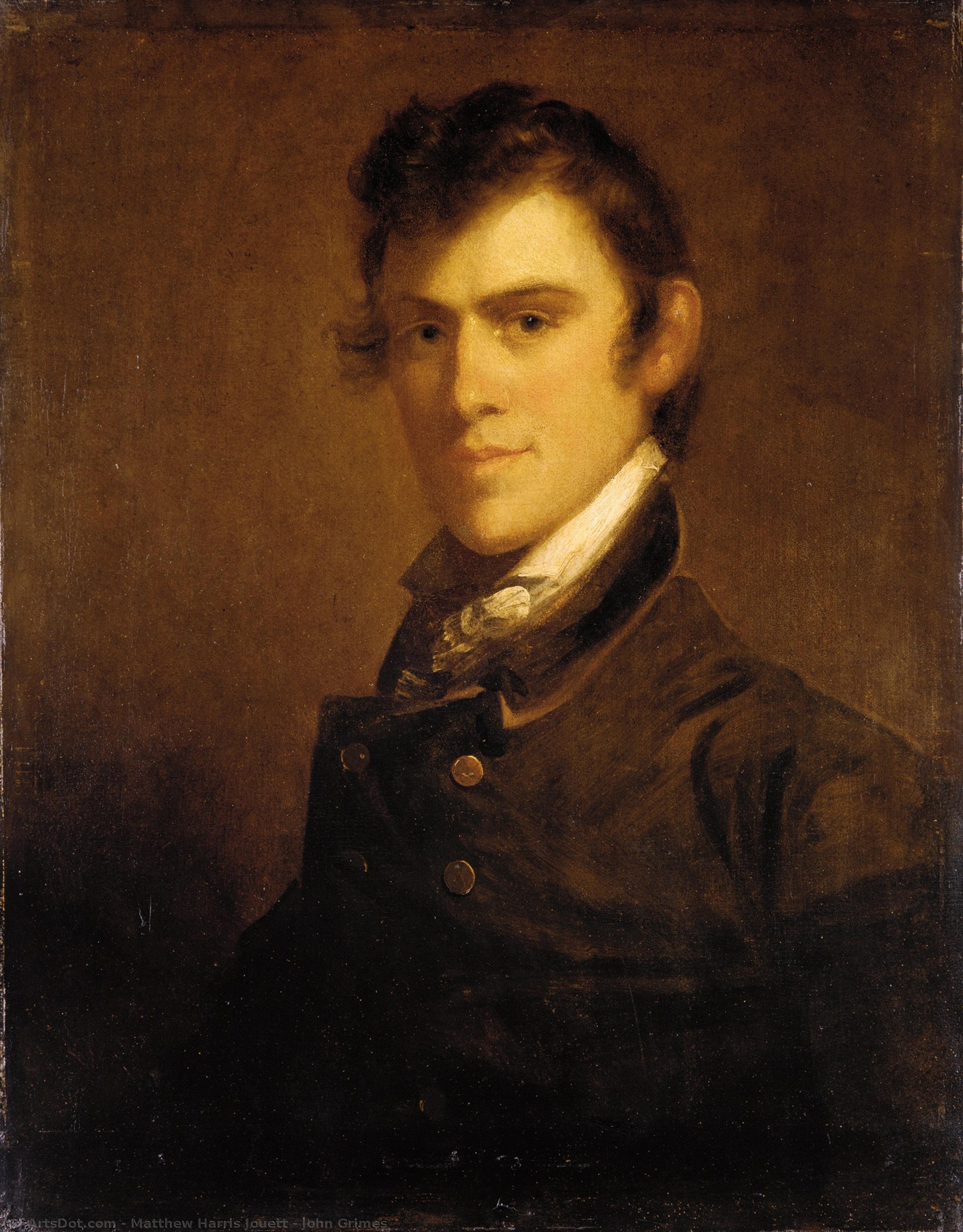
John Grimes
 Oil On Panel
- WallArt
- Romantic Landscape
 1824
1824- 19th Century
 72.0 x 55.0 cm
 メトロポリタン美術館
 詳細を見る
詳細を見る




P118B $10

P118H $10

P118W $10

P438Z $10

P508JH $12

P508YH $12

P805H $10

P805Z $10

P919BZ $10

P919G $10

P919XJ $10

P959ZH $10

P968JZ $12

W106C $8

W218G $10

W218JH $8

W218Y $10

W307PJ $10

W316G $10

W316PJ $8

W316Y $10

W398PJ $8

W4111J $10

W500HY $15

W500JH $15

W692G $12

W849H $8

W940BG $15

W953PJ $8




作品のオリジナル比率に合わせた、当店の規定サイズからお選びください。

特定のフレームやスペースに合わせて、ご希望のサイズをご入力いただけます。選択されたサイズが元の画像の比率と異なる場合、アートワークをトリミングするか、手描きで要素を追加して絵画を拡張いたします。デジタルモックアップ を制作し、制作開始前にご確認(承認)をいただきます。
画面上のプレビューは、実際のトリミングや拡張を正確に反映しているものではありません。最終的な構図は、モックアップによってのみ正確にご確認いただけます。
カスタムサイズもご利用いただけますが、元の比率を維持するためには、あらかじめ用意されたリストからサイズを選択することをお勧めいたします。
ご注文後、ArtsDot.com チームより詳細な指示をお送りするとともに、仕上がりイメージ(モックアップ)をご提供いたします。


 ガラスオプションは、110cm未満のサイズでのみご利用いただけます。

John Grimes
複製技法
複製画のサイズ
-


合計金額
$ 263
作品解説
A Glimpse into the Soul of Kentucky: The Captivating Presence of John Grimes
In the quiet, evocative depths of Matthew Harris Jouett’s 1824 masterpiece, "John Grimes," we encounter more than a mere likeness; we meet a moment frozen in the amber of American history. This portrait serves as a profound window into the burgeoning Romantic sensibility that began to stir within the young United States during the early nineteenth century. The subject, John Grimes—a figure of significance in the Kentucky landscape—is presented not just as a man of status, but as a vessel for psychological depth. As your eyes meet his serious, steady gaze, there is an immediate sense of an unfolding narrative, a silent dialogue between the sitter and the observer that transcends the centuries separating us from his era.
The painting is a masterclass in the delicate balance between Neoclassical structure and Romantic expression. While the formal, dignified pose of Grimes echoes the idealized, heroic figures popularized by masters like Jacques-Louis David, Jouett breathes a restless, human energy into the composition. Through the masterful application of chiaroscuro, the artist sculpts the subject out of the shadows, using dramatic contrasts of light and dark to define the contours of his face and the heavy texture of his attire. This technique, reminiscent of the great Caravaggio, does more than create three-dimensional realism; it imbues the portrait with a sense of inner turmoil and contemplative weight, making the sitter feel vibrantly alive.
Technique and Texture: The Artistry of Light and Shadow
For the discerning collector or interior designer, the technical brilliance of Jouett’s work offers endless inspiration. The artist’s meticulous attention to detail is nothing short of extraordinary. One can almost feel the tactile quality of the heavy fabric in Grimes' waistcoat and the subtle, soft shading that defines the weary yet resolute expression around his eyes. Jouett employs a muted, earthy palette—rich with tones of umber, ochre, and deep shadows—which creates an atmosphere of timelessness and stability. This subdued color scheme ensures that the portrait does not merely decorate a space but anchors it, providing a sophisticated focal point that commands respect and invites prolonged study.
The composition is further enriched by a subtle play of light that directs the viewer's attention to the subject's character. The way the light catches the forehead and cheekbones suggests an intellectual vitality, while the receding shadows suggest the mysteries of the private self. This interplay of light and shadow makes "John Grimes" an ideal piece for curated collections or high-end residential settings where art is intended to evoke a sense of heritage, permanence, and profound emotional resonance.
A Legacy of Tradition and Transformation
To understand this portrait is to understand the spirit of Kentucky in 1824. During this period, the region was transitioning from a rugged frontier into a settled, sophisticated statehood. The portrait reflects the dual aspirations of this era: a deep reverence for lineage and tradition, coupled with the burgeoning individual identity that would define the American character. By capturing Grimes with such dignity, Jouett was participating in a larger cultural movement—a revival of portraiture that sought to document the faces of a new nation's leaders and landowners.
Owning a high-quality reproduction of this work allows one to bring this piece of American history into a contemporary setting. Whether placed in a library, a study, or a grand hallway, "John Grimes" acts as a bridge between the past and the present. It offers an aesthetic of quiet strength and intellectual depth, making it a perfect choice for those who seek to surround themselves with art that possesses both historical gravity and an enduring, soulful beauty.
関連作品

アーティストの略歴
Thomas Gainsborough: A Painter of Light and Landscape
Thomas Gainsborough, a name synonymous with the quintessential English countryside, was more than just a painter; he was a chronicler of his time, a master of light and atmosphere, and a pivotal figure in establishing landscape painting as a respected art form. Born on May 14th, 1727, in Sudbury, Suffolk, into a family of cloth merchants, Gainsborough’s early life offered little indication of the artistic path he would ultimately forge. His apprenticeship with a London silversmith instilled a foundational understanding of craftsmanship and detail, while his brief association with Hubert Gravelot, a French book illustrator, introduced him to the world of engraving and provided an initial exposure to the techniques that would later inform his painting style. It was this early combination – precision and observation – that proved crucial to his enduring legacy.Early Years and Artistic Development
Gainsborough’s artistic journey began modestly, initially focusing on portraiture in Ipswich around 1752. However, he harbored a deep passion for landscape painting, a desire frequently expressed through poignant letters to his friend William Jackson, lamenting the demands of commissioned portraits and yearning for the tranquility of rural scenes. This inherent conflict – between commercial obligations and artistic inclination – shaped much of his career. His early landscapes, often characterized by loose brushwork and a vibrant palette, were largely experimental, seeking to capture not just the visual appearance of the countryside but also its mood and character. Influenced by artists like William Hogarth and Claude Lorrain, Gainsborough initially adhered to established conventions, yet he quickly developed his own distinctive style – one defined by an intuitive understanding of light, color, and composition. The influence of Dutch Masters, particularly Rembrandt’s masterful use of chiaroscuro (the contrast between light and dark), is subtly evident in the dramatic lighting effects that frequently grace his canvases.The Rise to Prominence: Portraits and Landscapes
By the late 1760s, Gainsborough had firmly established himself as a leading portrait painter in London, attracting a clientele of nobility and gentry eager to commission depictions of themselves and their families. His portraits were notable for their psychological depth and ability to capture not just physical likeness but also personality and mood. Simultaneously, he continued to develop his landscape paintings, gradually shifting towards a looser, more expressive style. He began incorporating elements of the Picturesque – an aesthetic valuing irregularity, spontaneity, and the sublime beauty of nature – into his work, rejecting the idealized landscapes favored by some of his contemporaries. This shift was partly influenced by the writings of William Gilpin and Thomas Pennant, who championed the appreciation of natural scenery. His depictions of figures within these landscapes—often rural laborers or shepherds—added a layer of social commentary to his art, subtly reflecting on the changing relationship between humanity and nature.Royal Patronage and Artistic Independence
Gainsborough’s success as a portraitist brought him into contact with influential figures, including the Duke and Duchess of Cumberland and, later, King George III and Queen Charlotte. These commissions provided financial security but also created tensions, particularly regarding the hanging of his paintings at the Royal Academy, which he felt undervalued his work. Frustrated by the Academy’s rigid adherence to classical principles, Gainsborough ultimately withdrew from their exhibitions in 1773, choosing instead to organize his own annual summer exhibitions in his studio at Schomberg House. This bold move demonstrated his artistic independence and solidified his position as a leading figure in the burgeoning art world of London. His decision to showcase his work independently allowed him greater control over how his paintings were presented and appreciated.Legacy and Lasting Influence
Thomas Gainsborough died on August 2nd, 1788, leaving behind a remarkable body of work that continues to captivate audiences today. His landscapes are celebrated for their atmospheric quality, capturing the essence of the English countryside with breathtaking beauty. His portraits, equally renowned, offer profound insights into the personalities and social contexts of his subjects. Gainsborough’s influence on subsequent generations of artists is undeniable; he helped to elevate landscape painting to a position of equal importance alongside portraiture, paving the way for Romantic painters like John Constable and J.M.W. Turner. His legacy extends beyond the art world, as his paintings have become iconic representations of English identity and rural life. The Tate’s collection, including the poignant self-portrait, stands as a testament to his enduring artistic vision.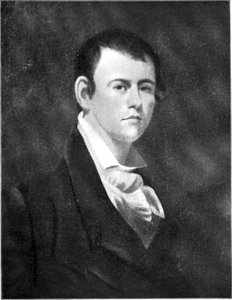
matthew harris jouett
1788 - 1827 , United States of America
基本情報
- Artistic Movement Or Style: Picturesque, Landscape
- Artists Or Movements Influenced By This Artist:
- Reynolds
- Rococo
- Artists Who Influenced This Artist: ['Hubert Gravelot']
- Date Of Birth: May 14, 1727
- Date Of Death: August 2, 1788
- Full Name: Thomas Gainsborough
- Nationality: British
- Notable Artworks:
- Musidora
- The Baillie Family
- Lady Rufford
- Place Of Birth: Sudbury, Suffolk, England
関連記事
Grant Wood & American Regionalism: Identity, Myth & the Rural Landscape
Explore the world of Grant Wood & American Regionalism with ArtsDot. Discover the symbolism behind 'American Gothic', recurring themes, and the movement's lasting impact on art history. High-quality reproductions available.
American Realism's Defining Works: 10 Masterpieces for Your Home
Explore 10 defining American Realism masterpieces – Hopper, Homer & more. Discover the stories behind these iconic paintings and bring timeless art to your home with ArtsDot's museum-quality reproductions. Explore the full collection online.

The Enduring Legacy of Oil on Canvas: Technique, History & Aesthetic Impact
Explore the rich history & techniques of oil painting – from Renaissance masters to Impressionism. Discover pigments, layering methods, and why this timeless medium endures. Expert insights for artists & art enthusiasts.

Oil on Canvas: A Historical & Technical Exploration of a Timeless Artistic Medium
Explore the rich history & enduring techniques of oil painting on canvas. Discover the science behind its longevity, conservation practices, and contemporary relevance. Expert insights for art enthusiasts.

The Enduring Power of Painting: A Historical & Contemporary Exploration of Form and Emotion
Explore the rich history & enduring techniques of oil painting with ArtsDot. Discover masterpieces, learn about art collecting, and find authentic handmade reproductions crafted by skilled artists.

