

 プレビュー
プレビュー
 シェアする
シェアする シェアする
シェアする
 詳細を見る
詳細を見る

 ダウンロード
 似ている作品
 X線調査
X線調査 スライドショー
 Stats
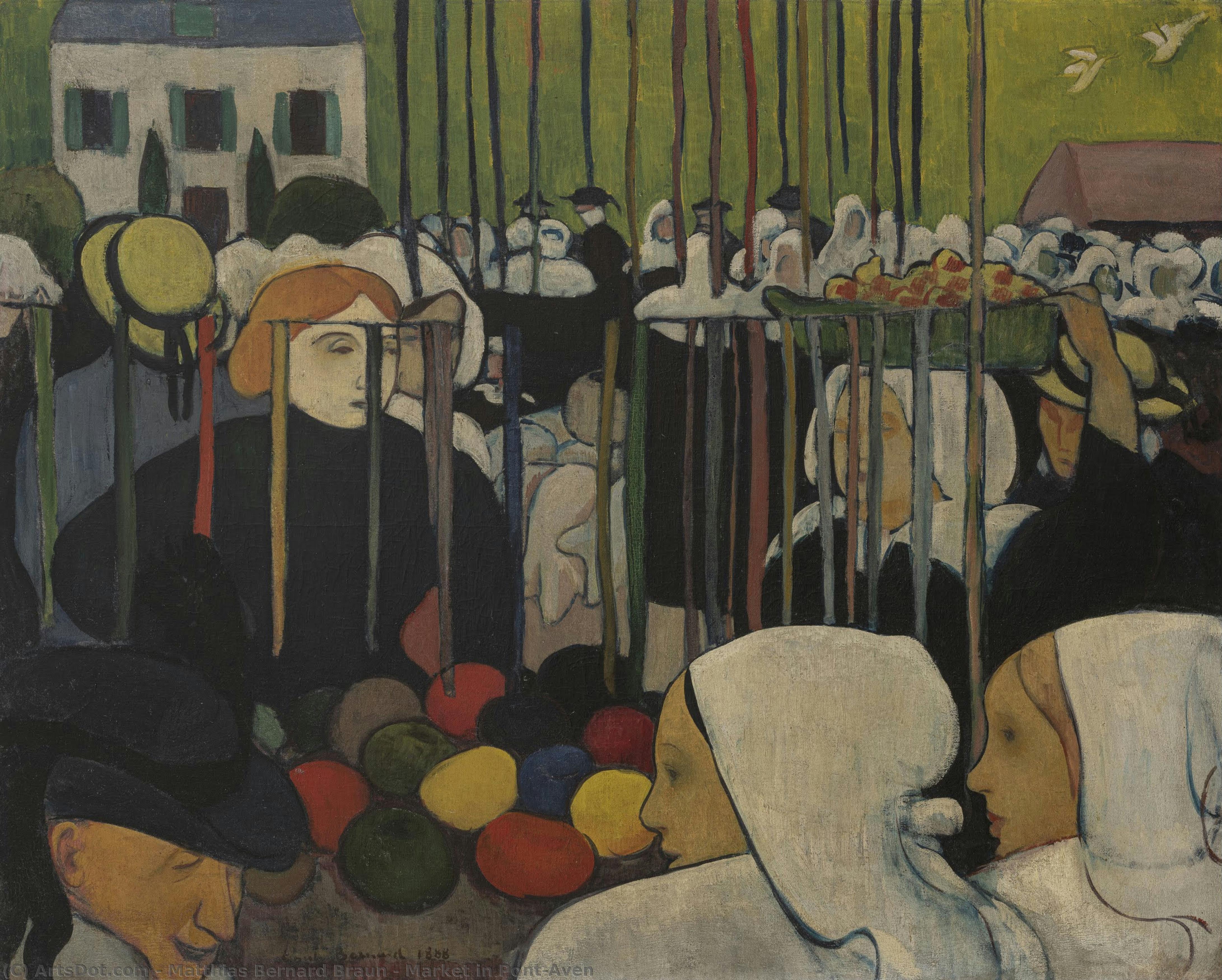
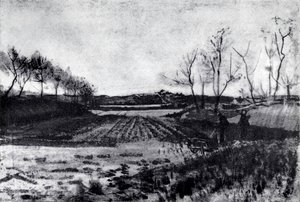
StatsMarket in Pont-Aven
 1888
1888 65.0 x 91.0 cm
 詳細を見る
詳細を見る
手描き油彩複製画
当社のアーティストが、お客様のご希望のサイズと額縁に合わせて、キャンバスに手描きで制作する油彩画です。 ( Switch to Print Switch to Digital Image)




































作品のオリジナル比率に合わせた、当店の規定サイズからお選びください。

特定のフレームやスペースに合わせて、ご希望のサイズをご入力いただけます。選択されたサイズが元の画像の比率と異なる場合、アートワークをトリミングするか、手描きで要素を追加して絵画を拡張いたします。デジタルモックアップ を制作し、制作開始前にご確認(承認)をいただきます。
画面上のプレビューは、実際のトリミングや拡張を正確に反映しているものではありません。最終的な構図は、モックアップによってのみ正確にご確認いただけます。
カスタムサイズもご利用いただけますが、元の比率を維持するためには、あらかじめ用意されたリストからサイズを選択することをお勧めいたします。
ご注文後、ArtsDot.com チームより詳細な指示をお送りするとともに、仕上がりイメージ(モックアップ)をご提供いたします。


 ガラスオプションは、110cm未満のサイズでのみご利用いただけます。

Market in Pont-Aven
複製技法
複製画のサイズ
-


合計金額
$ 263
関連作品






アーティストの略歴
The Bohemian Baroque Titan: The Life and Legacy of Matthias Bernard Braun
In the heart of Central Europe, where the dramatic landscapes of Bohemia meet the spiritual fervor of the Counter-Reformation, the name Matthias Bernard Braun resonates with the weight of stone and the fluidity of motion. Born in 1684 in the small Tyrolean village of Sautens, near Innsbruck, Braun was a sculptor whose hands possessed the rare ability to breathe life into cold minerals. His early years were shaped by the rugged, pious atmosphere of the Stams monastery region, where he began his apprenticeship under the esteemed Andreas Tamash. This formative period in Tyrol provided him with a foundational mastery of stone carving, yet it was only through his subsequent wanderings that his true artistic soul began to emerge from the mountain mists.
The trajectory of Braun’s life changed irrevocably when he embarked on a transformative journey through the great cradles of Italian art. At a young age, he traversed the vibrant landscapes of Venice, Bologna, and Rome, immersing himself in the pulsating energy of the High Baroque. Here, the shadows of Michelangelo Buonarroti and the theatrical, swirling dynamism of Gian Lorenzo Bernini became his silent mentors. He did not merely observe these masters; he absorbed their essence—the way light dances across a furrowed brow, the way drapery seems to catch an invisible wind, and the profound emotional tension held within a single, poised gesture. This Venetian-inflected sensibility, characterized by a certain rhythmic grace and intense psychological depth, would become the hallmark of his later masterpieces.
A Symphony in Stone: The Prague Years and the Kuks Masterpiece
While his roots were Austrian, Braun’s destiny was inextricably linked to the cobblestones of Prague. Arriving in the Bohemian capital around 1708, he found a city ripe with architectural ambition and religious devotion. His ascent was accelerated by the patronage of the influential Count František Antonín Špork, a nobleman whose vision for monumental art provided Braun with the canvas necessary to execute his most ambitious dreams. It was during this era that Braun established himself as a central figure in the Prague Sculptors' Guild, transforming the city’s skyline and its most sacred landmarks with works of unparalleled expressive power.
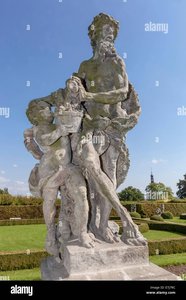
Perhaps no location serves as a more profound testament to his genius than Kuks. Under the commission of Count Špork, Braun orchestrated a sculptural program that remains one of the pinnacles of Baroque achievement. In the natural setting of Bethlehem, he sculpted the Virtues and Vices, a series of figures that transcend mere decoration to become profound allegories of human morality. These works are not static; they are caught in a state of perpetual becoming, their limbs twisting with an organic vitality that seems to defy the very medium of sandstone. His ability to weave complex theological narratives into the physical movement of stone allowed him to bridge the gap between the earthly and the divine.
Beyond the hospital at Kuks, Braun’s influence draped itself across the most iconic artery of Prague: the Charles Bridge. His contributions to this historic span, including the hauntingly beautiful Dream of St. Luitgarde and the commanding presence of St. Ives, brought a new level of dramatic intensity to the riverfront. To walk past these statues is to witness a masterclass in the use of light and shadow—a technique where deep undercuts create dark recesses that contrast sharply with polished surfaces, forcing the viewer’s eye to follow the undulating rhythm of the composition.
Historical Significance and Artistic Endurance
The legacy of Matthias Bernard Braun is not merely found in the museums that house his smaller works, but in the very atmosphere of Central European Baroque architecture. He was a bridge between the traditions of the Alps and the sophisticated theatricality of Italy, synthesizing these influences into a uniquely Bohemian style. His work represents the zenith of the late Baroque period, a time when art sought to overwhelm the senses and stir the soul through sheer technical virtuosity and emotional honesty.
Even as the tides of art history shifted toward Neoclassicism, Braun’s ability to capture the "drama of movement in space" ensured his permanence in the canon of great sculptors. His life remains a testament to the power of artistic migration—how a young apprentice from a Tyrolean village could, through study and patronage, reshape the cultural identity of an entire region. Today, we look upon his rugged, expressive stone figures not just as relics of the 18th century, but as enduring symbols of human passion captured in eternal, unyielding form.
matthias bernard braun
1684 - 1738 , Austria
基本情報
- Artistic Movement Or Style: Baroque
- Artists Or Movements Influenced By This Artist: ['Venetian sculptural school']
- Artists Who Influenced This Artist:
- Michelangelo Buonarroti
- Gian Lorenzo Bernini
- Date Of Birth: February 24, 1684
- Date Of Death: February 15, 1738
- Full Name: Matthias Bernard Braun
- Nationality: Austrian
- Notable Artworks:
- St Jude Thaddeus
- Bethlehem
- Market in Pont-Aven
- Place Of Birth: Sautens, Tyrol