 プレビュー
プレビュー
 シェアする
シェアする シェアする
シェアする
 詳細を見る
詳細を見る

 ダウンロード
 似ている作品
 X線調査
X線調査 スライドショー
The Crucifixion
 Oil On Canvas
- WallArt
- Late Medieval Northern Renaissance
 1515
1515 269.0 x 307.0 cm
 ミュゼ・ダンテルリンデ
 詳細を見る
詳細を見る
ジークレー/アートプリント
迅速な制作と多彩な仕上げオプションを備えた、ミュージアムクオリティのジークレーまたはキャンバスプリント。 ( 手描きの絵画を購入 画像を購入)




P118B $10

P118H $10

P118W $10

P438Z $10

P508JH $12

P508YH $12

P805H $10

P805Z $10

P919BZ $10

P919G $10

P919XJ $10

P959ZH $10

P968JZ $12

W106C $8

W218G $10

W218JH $8

W218Y $10

W307PJ $10

W316G $10

W316PJ $8

W316Y $10

W398PJ $8

W4111J $10

W500HY $15

W500JH $15

W692G $12

W849H $8

W940BG $15

W953PJ $8




作品のオリジナル比率に合わせた、当店の規定サイズからお選びください。

特定のフレームやスペースに合わせて、ご自身でサイズを指定することも可能です。選択されたサイズが元の画像の比率と一致しない場合、作品をトリミングするか、鏡面反射または単色での塗りつぶしによって画像を拡張いたします。制作を開始する前に、ご確認用のデジタルモックアップをお送りいたします。
画面上のプレビューには、実際のトリミングや拡張は反映されませんのでご注意ください。最終的な構図を正確に確認できるのは、モックアップのみとなります。
カスタムサイズも承っておりますが、元の比率を維持するためには、あらかじめ用意されたリストからサイズを選択することをお勧めいたします。


 ガラスオプションは、110cm未満のサイズでのみご利用いただけます。

The Crucifixion
ジークレー/アートプリント
複製画のサイズ
-


合計金額
$ 62
作品詳細説明
A Vision of Suffering: The Isenheim Altarpiece’s Central Panel
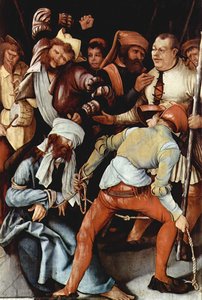
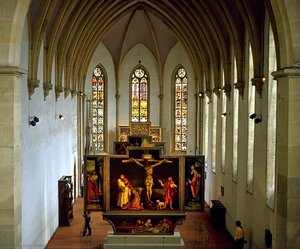
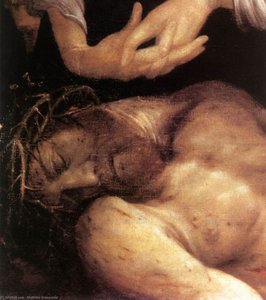
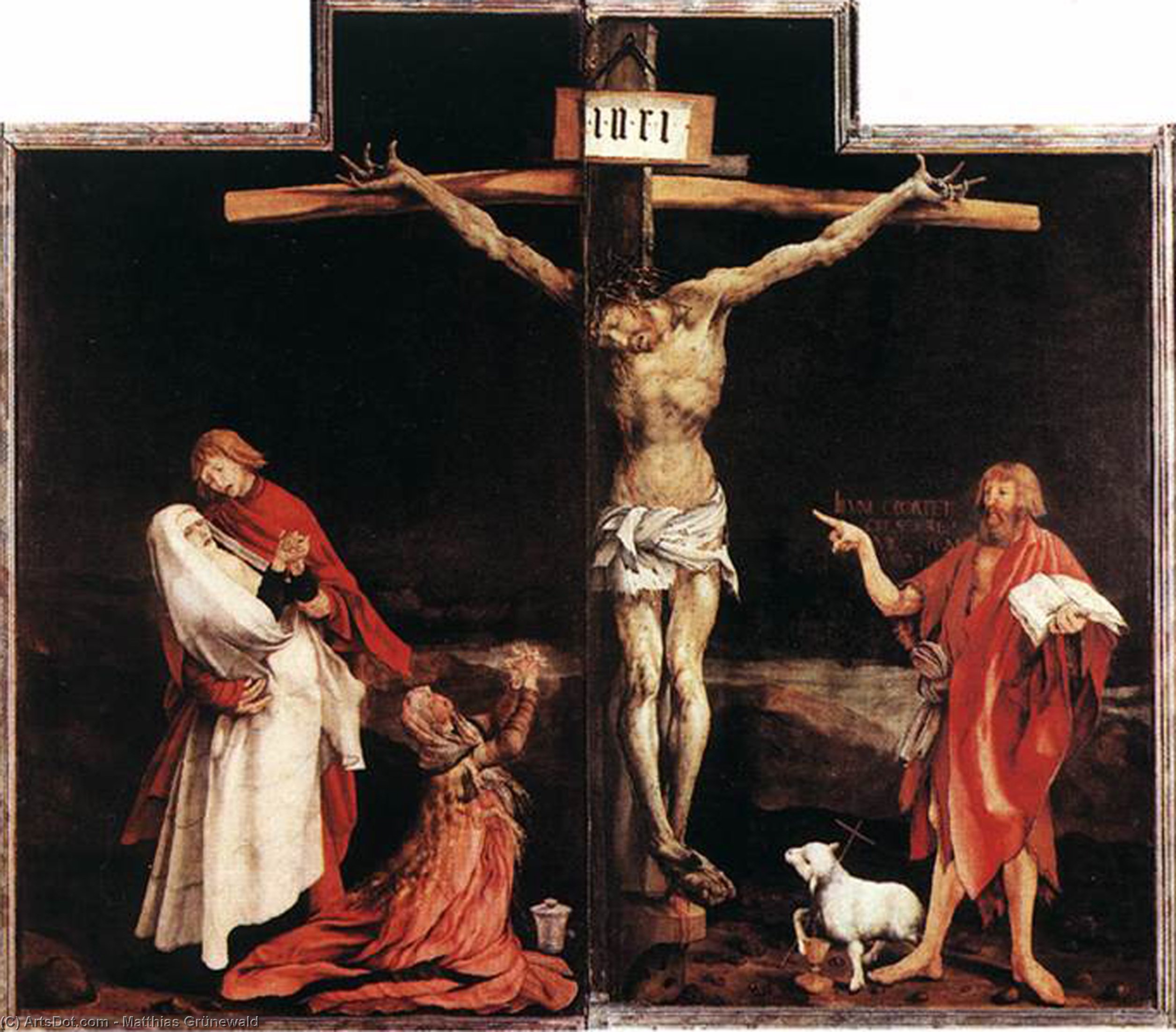
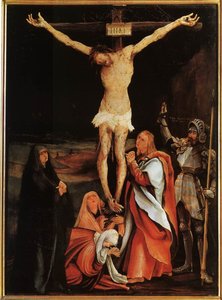
Matthias Grünewald's “The Crucifixion,” a cornerstone of the Isenheim Altarpiece, isn’t merely a depiction of a religious scene; it’s an immersive experience of profound sorrow and spiritual intensity. Completed around 1512-1516 for the Unterlinden Museum in Colmar, France, this panel transcends traditional iconography to deliver a visceral portrayal of Christ's agony – a testament to Grünewald’s mastery of late medieval German art. The painting immediately commands attention with its stark contrasts: the deep, bruised blues and purples of the background against the pallid flesh tones of the central figure, creating an atmosphere thick with despair. It’s a scene deliberately designed to evoke empathy, not through idealized beauty, but through unflinching realism.
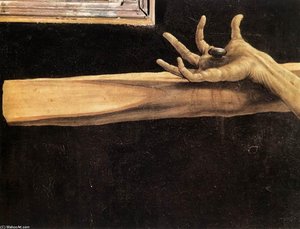
Grünewald eschewed the polished elegance favored by Renaissance Italy, instead embracing the expressive power and emotional depth characteristic of Northern European art. He prioritized conveying feeling over precise anatomical detail, resulting in a Christ whose body is contorted with pain, his muscles strained, and his face etched with an almost unbearable suffering. The artist’s use of impasto – thick layers of paint applied directly to the panel – adds texture and dynamism to the scene, emphasizing the physicality of Christ's torment. The rough, unfinished quality of the brushstrokes contributes to a sense of immediacy, as if we are witnessing this event unfold before our very eyes.
Symbolism Woven into Suffering
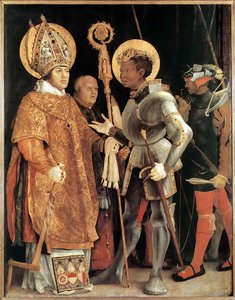
Beyond its immediate emotional impact, “The Crucifixion” is rich in symbolic meaning. The figure of Christ isn’t presented as a noble martyr but as a profoundly human being experiencing the full weight of his sacrifice. To his left, John the Evangelist, depicted with an expression of anguish and grief, supports the Virgin Mary, who herself embodies sorrow. The presence of Saint Sebastian, traditionally associated with healing through suffering, and Saint Anthony, contemplating God’s will, further underscores the theme of redemption through pain. The lamb at the foot of the cross, a potent symbol of Christ as “the Lamb of God,” reinforces this central theological message.
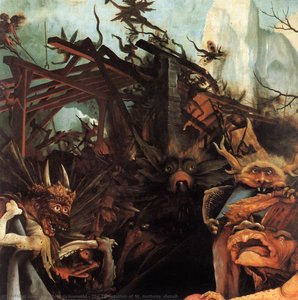
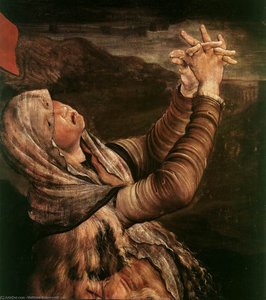
The inclusion of figures like Mary Magdalene, kneeling in despair, highlights the universal human experience of loss and suffering connected to Christ’s death. Even the background landscape—a desolate, almost apocalyptic scene—contributes to the overall sense of foreboding and spiritual crisis. Grünewald masterfully integrates these symbolic elements into a single, unified composition, creating an artwork that speaks volumes about faith, sacrifice, and the enduring power of human emotion.
Technique and Context: A Masterpiece Forged in Darkness
The Isenheim Altarpiece was created during a period of significant religious upheaval in Europe. The Black Death had ravaged the continent, leaving behind widespread death, disease, and social disruption. This context profoundly shaped Grünewald’s artistic vision. The altarpiece was intended for a hospital dedicated to St. Anthony, where patients suffered from various ailments, including ergotism (St. Anthony's Fire), a debilitating illness characterized by hallucinations and convulsions. The painting’s raw emotional intensity and unflinching depiction of suffering were precisely what the patients needed – a visual reminder of their own mortality and the promise of salvation.
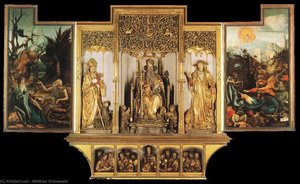
Grünewald employed oil paint on wood, a technique that allowed for rich colors and detailed textures. The use of grisaille (monochrome painting) in the outer panels—featuring saints depicted in shades of gray—contrasts sharply with the vibrant colors of the central panel, further emphasizing its dramatic impact. The altarpiece’s complex folding mechanism – allowing it to be displayed in three different configurations – was a groundbreaking innovation for its time, adding another layer of visual and spiritual complexity.
A Legacy of Emotional Resonance
“The Crucifixion” remains one of the most powerful and moving religious paintings ever created. Its enduring appeal lies not only in Grünewald’s technical skill but also in his ability to capture the essence of human suffering with such profound honesty and empathy. Reproductions of this masterpiece continue to inspire awe and contemplation, offering viewers a glimpse into the heart of medieval faith and artistic expression. It stands as a poignant reminder of Christ's sacrifice and the enduring power of art to connect us to our deepest emotions and spiritual longings.
関連作品

アーティストの略歴
マティアス・グリューネヴァルト:その生涯と遺産
初期の生涯と芸術への歩み
ドイツ・ヴュルツブルクにて1470年から1475年頃、マティス・ゴットハルト・ナイトハルトの名で生まれたマティアス・グリューネヴァルドは、ドイツ・ルネサンスにおける極めて重要な人物です。イタリア・ルネサンスの理想が浸透しつつあった時代にありながら、グリューネヴァルトの魂は中欧の後期中世的な芸術伝統に深く根ざしていました。彼の幼少期に関する詳細な記録は乏しいものの、地元の工房において画家としての研鑽を積んだことは間違いありません。
芸術的発展と受けた影響
グリューネヴァルトの芸術的発展は、写実主義、感情の強烈さ、そして細部への緻密な観察眼という、当時の北欧ヨーロッパに主流であった伝統によって形作られました。アルブレヒト・デューラーやマルティン・ショングアウアーといった巨匠たちの影響もその作品には見て取れますが、彼は劇的な表現と鮮やかな色彩を特徴とする独自の道を切り拓きました。イタリアで隆盛を極めた人文主義のサークルに直接関わることはありませんでしたが、彼の芸術は主に宗教的な目的を果たし、当時の人々が抱いていた精神的な不安や祈りを映し出していたのです。
主要な作品と芸術的様式
グリューネヴァルトの真骨頂は、その圧倒的な傑作群に集約されています。
- イーゼンハイム祭壇画(1512-1516年):コルマールのアンデルリン美術館に収蔵されているこの傑作は、グリューネヴァルトの最高傑作と称えられています。キリストの生涯の場面を、見る者の心を揺さぶるほどの凄まじい写実性で描き出し、特に「苦しみ」と「救済」というテーマに焦点を当てています。
- 磔刑(1502-1503年頃):初期の作品でありながら、彼の発展途上の様式を鮮明に示しており、強烈な感情表現と解剖学的な細部へのこだわりが際立っています。
- 受胎告知の聖母(1512-1514年):イーゼンハイム祭壇画のための習作であり、彼の緻密な計画プロセスを垣間見ることができます。
- モーセ(1511年):表現力豊かな人物像と劇的なポーズを捉える、グリューネヴァルトの卓越した技術が光る素描です。
彼の芸術様式を決定づけているのは、以下の要素です。
- 劇的な構図:感情的なインパクトを増幅させるために、ダイナミックな配置を用いています。
- 鮮烈な色彩感覚:強烈で、しばしば対照的な色彩を用いることで、力強い視覚体験を生み出しました。
- 苦痛の写実的な描写:宗教的な物語に付随する肉体的・精神的な痛みを、彼は決して避けることはありませんでした。
- 表現豊かな人物像:
彼の描く人物たちは、強い感情と心理的な深みに満ちあふれています。
歴史的意義とレガシー
グリューネヴァルトの作品は、ルネサンス期におけるドイツの伝統的な中世芸術が持つ、不朽の力を証明するものとして存在しています。彼は後期ゴシック様式と、新たに台頭してきたルネサンスとの架け橋となり、同時代の人々の心に響く独自の視覚言語を創造しました。その影響は、宗教的な熱狂や感情の強烈さを追求し続けた後のドイツ人芸術家たちの中にも見出すことができます。1528年に没した後、数世紀にわたって人々の記憶から薄れかけた時期もありましたが、19世紀に再評価され、今日ではドイツ・ルネサンスを代表する最も重要な画家の一人として認められています。その芸術は、剥き出しの感情、技術的な輝き、そして深遠な精神的奥行きをもって、今なお観る者を魅了し続けています。
さらなる探求
マティアス・グリューネヴァルトの生涯と作品について詳しくはこちら: ArtsDot
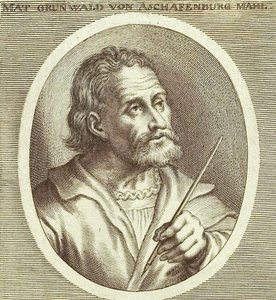
マティアス・グリューネヴァルト
1480 - 1528 , ドイツ
基本情報
- Birth Date: 1470年頃–1475年
- Birth Place: ドイツ、ヴュルツブルク
- Death Date: 1528年
- Movement: ドイツ・ルネサンス、中世後期
- Name: マティアス・グリューネヴァルト
- Nationality: ドイツ
- Notable Works: イーゼンハイム祭壇画、磔刑
関連記事
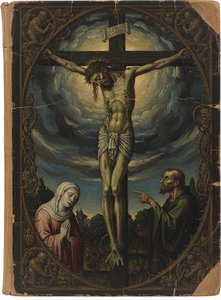
Matthias Grünewald: Devotion, Distortion & Spiritual Turmoil in Renaissance Art
Explore the profound religious art of Matthias Grünewald, master of the Isenheim Altarpiece. Discover his unique expressionism, symbolism & lasting impact on Renaissance painting. A guide for collectors and enthusiasts.
The Northern Renaissance: A Flourishing of Realism, Religious Reform & Artistic Innovation
Explore the Northern Renaissance! Discover Jan van Eyck's innovations, religious shifts, & key artists of this influential period. Expert analysis and insights into Early Netherlandish painting at ArtsDot.
Illuminating Belief: A Visual Exploration of Faith Across Artistic Movements & Historical Contexts
Explore the rich history of faith through art! Discover Renaissance masterpieces, iconic artists & religious symbolism with expert analysis from ArtsDot. Perfect for collectors and enthusiasts.
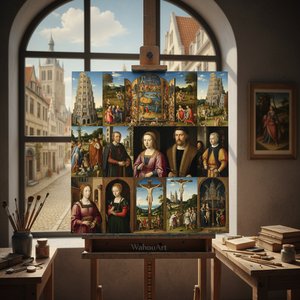
北方ルネサンスを彩る至宝:10の傑作が語る芸術と革新の世界
北方ルネサンスの10大傑作を紐解き、芸術の革新と美しさを再発見。ヤン・ファン・エイクからデューラーまで、巨匠たちの物語と技法を深く探求。高品質な複製絵画で、お部屋にアートの息吹を。ArtsDot.comで至宝の世界をお楽しみください!
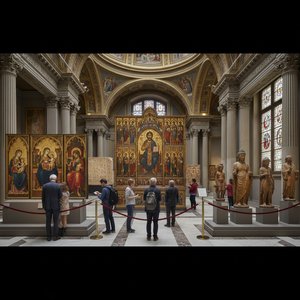
Sacred Narratives Embodied: A Comprehensive Exploration of Religious Iconography in Art History
Explore the rich history of religious iconography in art! Discover symbolism, movements & masterpieces from Byzantine to Renaissance periods. Expert insights for collectors and enthusiasts at ArtsDot.