プレビュー
プレビュー
 シェアする
シェアする シェアする
シェアする
 詳細を見る
詳細を見る

 ダウンロード
 似ている作品
 X線調査
X線調査 スライドショー
 統計情報
統計情報The Crucifixion (detail)


 詳細を見る
詳細を見る
手描き油彩複製画
当社のアーティストが、お客様のご希望のサイズと額縁に合わせて、キャンバスに手描きで制作する油彩画です。 ( プリント版に切り替え デジタル画像販売へ切り替え)




P118B $10

P118H $10

P118W $10

P438Z $10

P508JH $12

P508YH $12

P805H $10

P805Z $10

P919BZ $10

P919G $10

P919XJ $10

P959ZH $10

P968JZ $12

W106C $8

W218G $10

W218JH $8

W218Y $10

W307PJ $10

W316G $10

W316PJ $8

W316Y $10

W398PJ $8

W4111J $10

W500HY $15

W500JH $15

W692G $12

W849H $8

W940BG $15

W953PJ $8




作品のオリジナル比率に合わせた、当店の規定サイズからお選びください。

特定のフレームやスペースに合わせて、ご希望のサイズをご入力いただけます。選択されたサイズが元の画像の比率と異なる場合、アートワークをトリミングするか、手描きで要素を追加して絵画を拡張いたします。デジタルモックアップ を制作し、制作開始前にご確認(承認)をいただきます。
画面上のプレビューは、実際のトリミングや拡張を正確に反映しているものではありません。最終的な構図は、モックアップによってのみ正確にご確認いただけます。
カスタムサイズもご利用いただけますが、元の比率を維持するためには、あらかじめ用意されたリストからサイズを選択することをお勧めいたします。
ご注文後、ArtsDot.com チームより詳細な指示をお送りするとともに、仕上がりイメージ(モックアップ)をご提供いたします。


 ガラスオプションは、110cm未満のサイズでのみご利用いただけます。

The Crucifixion (detail)
複製技法
複製画のサイズ
-


合計金額
$ 263
A Window into Suffering: The Visceral Reality of Grünewald
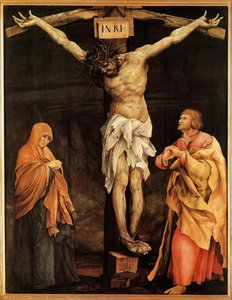
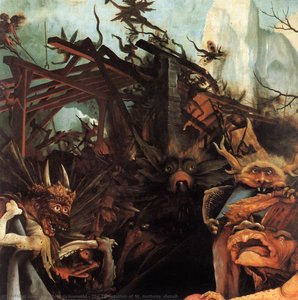
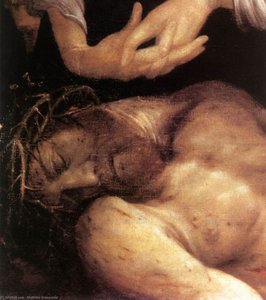
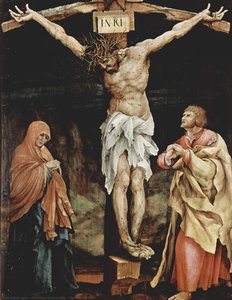
To gaze upon this detail from Matthias Grünewald’s The Crucifixion is to step directly into a landscape of profound agony and spiritual transcendence. Part of the monumental Isenheim Altarpiece, this work does not merely depict a historical event; it forces a confrontation with the raw, unvarnished reality of human pain. The focus on the lower torso and legs of Christ reveals a level of dramatic realism that was startling even in the sixteenth century. Here, the skin is not idealized or smooth, as one might find in the works of the Italian Renaissance; instead, it is textured with small, crimson specks—a hauntingly accurate depiction of the physical trauma and skin afflictions that would have been deeply recognizable to the viewers of the time.
The artist’s technique serves to amplify this sense of vulnerability. Through a meticulous layering of oil paints, Grünewald achieves a tactile quality that makes the torn, frayed edges of the white cloth feel almost tangible. The interplay of chiaroscuro—the dramatic contrast between deep, indistinct shadows and the pale, wounded flesh—draws the eye relentlessly toward the center of the suffering. This masterful manipulation of light creates an atmosphere of heavy, palpable sorrow, ensuring that the viewer cannot look away from the physical toll of the sacrifice.
Historical Resonance and the Language of Devotion
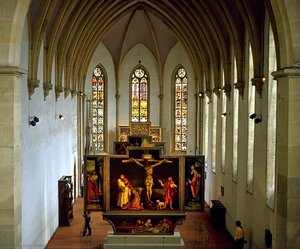
Understanding the soul of this masterpiece requires a journey back to 1523, a period when Europe was gripped by the terror of plague epidemics. The Isenheim Altarpiece was specifically commissioned for a monastery dedicated to caring for those suffering from skin diseases like tuberculosis and leishmaniasis. In this context, Grünewald’s unflinching portrayal of Christ’s tortured body served a profound therapeutic and spiritual purpose. For the patients watching their healer bear wounds so similar to their own, the painting offered a powerful message of companionship in suffering and the promise of eventual redemption.
This connection between the physical and the divine is woven into every brushstroke. The symbolism of the wounded flesh acts as a bridge between the earthly experience of disease and the spiritual narrative of salvation. For the modern collector or enthusiast, this piece offers more than just aesthetic beauty; it provides a profound psychological depth that resonates across centuries. It is an artwork that demands emotional engagement, inviting anyone who views it to contemplate themes of compassion, resilience, and the enduring strength of the human spirit amidst darkness.
An Eternal Masterpiece for the Discerning Collector
For interior designers and art lovers seeking to bring a sense of gravity and historical significance to a space, a high-quality reproduction of this detail offers an unparalleled opportunity. The dark, somber tones and the intense emotional weight of the composition make it a commanding focal point in any curated collection. It is a piece that does not merely decorate a wall but transforms an environment, providing a subject for deep reflection and conversation.
Whether placed in a quiet study, a contemplative gallery, or a grand living space, the presence of Grünewald’s work brings with it a legacy of Northern Renaissance mastery. Owning such a reproduction allows one to preserve a fragment of history—a window into an era where art was used not just to capture beauty, but to capture the very essence of the human condition.
アーティストの略歴
マティアス・グリューネヴァルト:その生涯と遺産
初期の生涯と芸術への歩み
ドイツ・ヴュルツブルクにて1470年から1475年頃、マティス・ゴットハルト・ナイトハルトの名で生まれたマティアス・グリューネヴァルドは、ドイツ・ルネサンスにおける極めて重要な人物です。イタリア・ルネサンスの理想が浸透しつつあった時代にありながら、グリューネヴァルトの魂は中欧の後期中世的な芸術伝統に深く根ざしていました。彼の幼少期に関する詳細な記録は乏しいものの、地元の工房において画家としての研鑽を積んだことは間違いありません。
芸術的発展と受けた影響
グリューネヴァルトの芸術的発展は、写実主義、感情の強烈さ、そして細部への緻密な観察眼という、当時の北欧ヨーロッパに主流であった伝統によって形作られました。アルブレヒト・デューラーやマルティン・ショングアウアーといった巨匠たちの影響もその作品には見て取れますが、彼は劇的な表現と鮮やかな色彩を特徴とする独自の道を切り拓きました。イタリアで隆盛を極めた人文主義のサークルに直接関わることはありませんでしたが、彼の芸術は主に宗教的な目的を果たし、当時の人々が抱いていた精神的な不安や祈りを映し出していたのです。
主要な作品と芸術的様式
グリューネヴァルトの真骨頂は、その圧倒的な傑作群に集約されています。
- イーゼンハイム祭壇画(1512-1516年):コルマールのアンデルリン美術館に収蔵されているこの傑作は、グリューネヴァルトの最高傑作と称えられています。キリストの生涯の場面を、見る者の心を揺さぶるほどの凄まじい写実性で描き出し、特に「苦しみ」と「救済」というテーマに焦点を当てています。
- 磔刑(1502-1503年頃):初期の作品でありながら、彼の発展途上の様式を鮮明に示しており、強烈な感情表現と解剖学的な細部へのこだわりが際立っています。
- 受胎告知の聖母(1512-1514年):イーゼンハイム祭壇画のための習作であり、彼の緻密な計画プロセスを垣間見ることができます。
- モーセ(1511年):表現力豊かな人物像と劇的なポーズを捉える、グリューネヴァルトの卓越した技術が光る素描です。
彼の芸術様式を決定づけているのは、以下の要素です。
- 劇的な構図:感情的なインパクトを増幅させるために、ダイナミックな配置を用いています。
- 鮮烈な色彩感覚:強烈で、しばしば対照的な色彩を用いることで、力強い視覚体験を生み出しました。
- 苦痛の写実的な描写:宗教的な物語に付随する肉体的・精神的な痛みを、彼は決して避けることはありませんでした。
- 表現豊かな人物像:
彼の描く人物たちは、強い感情と心理的な深みに満ちあふれています。
歴史的意義とレガシー
グリューネヴァルトの作品は、ルネサンス期におけるドイツの伝統的な中世芸術が持つ、不朽の力を証明するものとして存在しています。彼は後期ゴシック様式と、新たに台頭してきたルネサンスとの架け橋となり、同時代の人々の心に響く独自の視覚言語を創造しました。その影響は、宗教的な熱狂や感情の強烈さを追求し続けた後のドイツ人芸術家たちの中にも見出すことができます。1528年に没した後、数世紀にわたって人々の記憶から薄れかけた時期もありましたが、19世紀に再評価され、今日ではドイツ・ルネサンスを代表する最も重要な画家の一人として認められています。その芸術は、剥き出しの感情、技術的な輝き、そして深遠な精神的奥行きをもって、今なお観る者を魅了し続けています。
さらなる探求
マティアス・グリューネヴァルトの生涯と作品について詳しくはこちら: ArtsDot
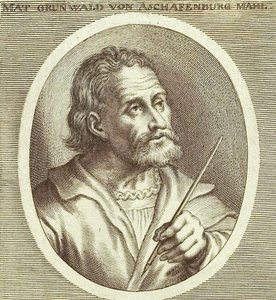
マティアス・グリューネヴァルト
1480 - 1528 , ドイツ
基本情報
- Birth Date: 1470年頃–1475年
- Birth Place: ドイツ、ヴュルツブルク
- Death Date: 1528年
- Movement: ドイツ・ルネサンス、中世後期
- Name: マティアス・グリューネヴァルト
- Nationality: ドイツ
- Notable Works: イーゼンハイム祭壇画、磔刑
関連記事
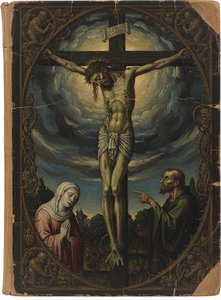
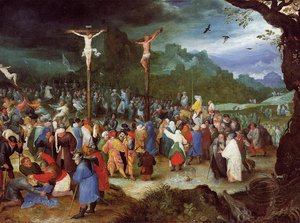
Matthias Grünewald: Devotion, Distortion & Spiritual Turmoil in Renaissance Art
Explore the profound religious art of Matthias Grünewald, master of the Isenheim Altarpiece. Discover his unique expressionism, symbolism & lasting impact on Renaissance painting. A guide for collectors and enthusiasts.
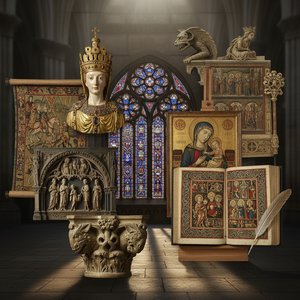
High Medieval Art: 10 Masterpieces That Shaped an Era | ArtsDot
Journey through High Medieval Art! Explore 10 iconic masterpieces – from Giotto's frescoes to stunning Gothic cathedrals. Discover the stories behind these timeless paintings, sculptures & illuminated manuscripts. Find museum-quality art reproductions at ArtsDot.com.

The Enduring Legacy of Oil on Canvas: Technique, History & Aesthetic Impact
Explore the rich history & techniques of oil painting – from Renaissance masters to Impressionism. Discover pigments, layering methods, and why this timeless medium endures. Expert insights for artists & art enthusiasts.
The Northern Renaissance: A Flourishing of Realism, Religious Reform & Artistic Innovation
Explore the Northern Renaissance! Discover Jan van Eyck's innovations, religious shifts, & key artists of this influential period. Expert analysis and insights into Early Netherlandish painting at ArtsDot.
Late Medieval Masterpieces: 10 Artworks That Defined an Era | ArtsDot
Journey through 10 defining Late Medieval masterpieces – from Giotto's frescoes to Jan van Eyck’s realism. Explore the stories, techniques & vibrant colors of Gothic art. Find museum-quality reproductions and elevate your home decor with ArtsDot.com! Discover all masterpieces on ArtsDot.com