

 プレビュー
プレビュー
 プリントを購入
 シェアする
シェアする シェアする
シェアする
 詳細を見る
詳細を見る

 ダウンロード
 似ている作品
 X線調査
X線調査 スライドショー
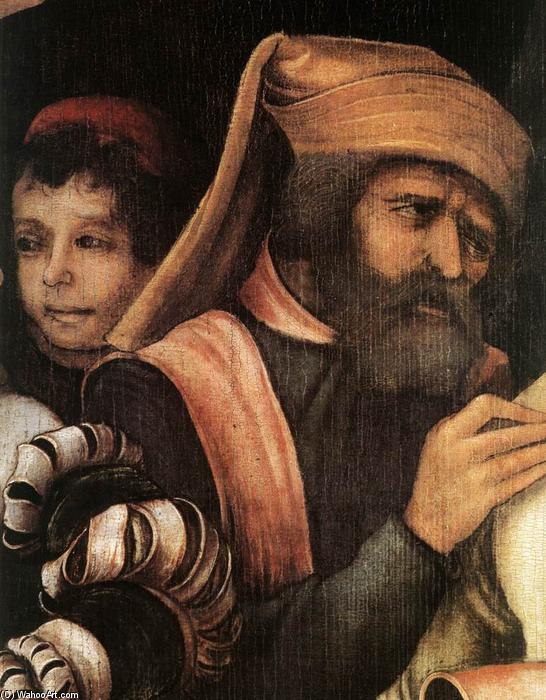
The Mocking of Christ (detail)


 詳細を見る
詳細を見る
オンラインプレビューをはるかに凌ぐ、高解像度で鮮明なデジタル画像をご購入いただけます。
各ファイルは、社内の専門家が高度なツールと熟練した手作業によるレタッチを用いて、細心の注意を払って準備されています。すべての画像において、卓越した鮮明度、正確な色彩再現性、そして繊細なディテールを保証いたします。
最終ファイルは、プロフェッショナルな編集・印刷環境ですぐにご利用いただけるよう最適化された状態で、72時間以内にメールにてお届けいたします。これは、一流のデザインスタジオ、出版社、ギャラリーから信頼されているものと同等の品質です。
デジタル画像のご注文に付随する特典
高品質なデジタル画像配信を、確かな品質で。
ArtsDot.com を選ぶことは、単に画像を手に入れることではありません。それは、プロの手によって精密に仕上げられ、満足保証が付いた高品質なデジタルアートワークを受け取ることを意味します。ご注文いただいた際に自動的に付随する内容は、以下の通りです:

メールですぐにお届け
ご注文から72時間以内に、高解像度のデジタル画像ファイルがメールでお手元に届きます。すぐにそのままご利用いただけます。

AI技術で最適化されたデジタルファイル
お客様の作品は、高度なAIツールと専門家による手作業の編集を組み合わせてプロフェッショナルに最適化されており、細部のディテール、鮮明さ、そして正確な色再現性を最大限に引き出しています。

一生涯無料の再送サービス
ファイルを誤って削除したり、紛失してしまったりしましたか?ご安心ください。いつでも無料で再送いたします。

輸入手数料は一切かかりません
関税や手数料、配送料を気にすることなく、お気に入りのアートワークをすぐにお楽しみいただけます。デジタルダウンロードは常に免税です。

色彩再現の保証
プロ仕様のツールとカラーマネジメント技術を用いることで、デジタル画像が元の色を最大限に忠実に再現することを保証いたします。

60日間満足保証
ご購入いただいたデジタル画像にご満足いただけない場合は、60日以内であれば、修正または100%の返金(理由を問う必要はありません)をさせていただきます。

100% 返金保証
ご満足いただけない場合は、デジタルファイルを受け取ってから60日以内であれば、理由を問わず全額返金いたします。

まとめ買い割引
3枚購入で10%OFF - 5枚購入で15%OFF - 10枚以上購入で20%OFF。クリエイティブなプロジェクト、ギャラリー、エージェンシーに最適です。
The Mocking of Christ: A Descent into Darkness – Matthias Grünewald’s Raw Revelation
Matthias Grünewald's "The Mocking of Christ," painted in 1503, isn’t merely a depiction of an event; it’s a visceral plunge into the heart of betrayal and suffering. Housed within the Alte Pinakothek in Munich, this oil-on-wood panel transcends its historical subject matter to become a profoundly unsettling meditation on human cruelty and divine humiliation. The painting immediately commands attention with its dramatic use of light and shadow, a hallmark of Grünewald’s Northern Renaissance style – a departure from the idealized forms favored by his Italian contemporaries. Instead of serene beauty, he offers us a brutal realism, a world steeped in earthy tones punctuated by flashes of unsettling brilliance.
The scene unfolds against a dark, almost suffocating background, emphasizing the figures thrust into stark relief. Christ, stripped bare and blindfolded, is subjected to a relentless barrage of torment. His body, rendered with an astonishingly detailed physicality – every bruise, every strain of muscle visible – speaks volumes about the violence inflicted upon him. The torturers themselves are grotesque caricatures, their faces contorted in expressions of malicious glee. They aren’t simply executing a religious figure; they're reveling in his degradation. The artist masterfully employs a technique reminiscent of late medieval iconography, yet infused with an unprecedented level of emotional intensity. Note the deliberate distortion of the figures – elongated limbs, exaggerated musculature – contributing to the overall sense of chaos and despair.
A Symphony of Color and Texture
Grünewald’s mastery lies not just in his dramatic composition but also in his innovative use of color and texture. He abandons the smooth, polished surfaces favored by many of his contemporaries, opting instead for a rougher, more tactile application of paint. This technique, combined with visible brushstrokes, creates a remarkable sense of immediacy – as if we’re witnessing the event unfold before our eyes. The vibrant reds and pinks used to depict Christ's garments stand out dramatically against the somber browns and blacks of the background, drawing our attention to his vulnerability. The subtle gradations of color within each figure—the sheen of sweat on Christ’s brow, the rough texture of the cloth binding his hands—add layers of complexity and realism.
Furthermore, Grünewald's use of light is particularly striking. He employs a technique known as “tenebrism,” where strong contrasts between light and dark are used to create dramatic effects. The figures are bathed in an almost theatrical illumination, while the surrounding darkness amplifies their suffering. This masterful manipulation of light not only enhances the visual impact of the painting but also serves to underscore its theological message – Christ’s sacrifice is illuminated against the backdrop of human wickedness.
Symbolism and Spiritual Weight
Beyond its immediate depiction of the event, “The Mocking of Christ” is rich in symbolic meaning. The blindfold represents Christ's surrender to his fate, while the ropes symbolize his subjugation. The presence of the tormentors – a musician, a youth, and an older man – suggests the multifaceted nature of human cruelty. The musician’s flute, played with one hand, could represent the fleeting beauty of earthly pleasures juxtaposed against the eternal suffering of Christ. The small bird in the background is often interpreted as a symbol of innocence or freedom, tragically lost amidst the violence.
Crucially, the painting reflects the anxieties and spiritual concerns of its time. It speaks to the fragility of faith in the face of human betrayal and the inevitability of suffering. Grünewald’s work resonates with the themes explored in the *Song of Songs*, a medieval biblical text that examines the relationship between God and humanity. The image powerfully conveys the idea that Christ's humiliation is not merely a historical event but a timeless reflection on the struggle between good and evil, hope and despair.
A Timeless Masterpiece – Reproduction Considerations
Reproductions of “The Mocking of Christ” offer an exceptional opportunity to bring this powerful artwork into any setting. When selecting a reproduction, consider the level of detail and color accuracy—a high-quality print will faithfully capture Grünewald’s masterful use of light and shadow. For interior design, the painting's dramatic intensity can serve as a focal point in a room, injecting a sense of gravitas and emotional depth. Ultimately, “The Mocking of Christ” remains a profoundly moving testament to human suffering and divine sacrifice—a work that continues to challenge and inspire viewers centuries after its creation.
関連作品
作家の略歴
マティアス・グリューネヴァルト:その生涯と遺産
初期の生涯と芸術への歩み
ドイツ・ヴュルツブルクにて1470年から1475年頃、マティス・ゴットハルト・ナイトハルトの名で生まれたマティアス・グリューネヴァルドは、ドイツ・ルネサンスにおける極めて重要な人物です。イタリア・ルネサンスの理想が浸透しつつあった時代にありながら、グリューネヴァルトの魂は中欧の後期中世的な芸術伝統に深く根ざしていました。彼の幼少期に関する詳細な記録は乏しいものの、地元の工房において画家としての研鑽を積んだことは間違いありません。
芸術的発展と受けた影響
グリューネヴァルトの芸術的発展は、写実主義、感情の強烈さ、そして細部への緻密な観察眼という、当時の北欧ヨーロッパに主流であった伝統によって形作られました。アルブレヒト・デューラーやマルティン・ショングアウアーといった巨匠たちの影響もその作品には見て取れますが、彼は劇的な表現と鮮やかな色彩を特徴とする独自の道を切り拓きました。イタリアで隆盛を極めた人文主義のサークルに直接関わることはありませんでしたが、彼の芸術は主に宗教的な目的を果たし、当時の人々が抱いていた精神的な不安や祈りを映し出していたのです。
主要な作品と芸術的様式
グリューネヴァルトの真骨頂は、その圧倒的な傑作群に集約されています。
- イーゼンハイム祭壇画(1512-1516年):コルマールのアンデルリン美術館に収蔵されているこの傑作は、グリューネヴァルトの最高傑作と称えられています。キリストの生涯の場面を、見る者の心を揺さぶるほどの凄まじい写実性で描き出し、特に「苦しみ」と「救済」というテーマに焦点を当てています。
- 磔刑(1502-1503年頃):初期の作品でありながら、彼の発展途上の様式を鮮明に示しており、強烈な感情表現と解剖学的な細部へのこだわりが際立っています。
- 受胎告知の聖母(1512-1514年):イーゼンハイム祭壇画のための習作であり、彼の緻密な計画プロセスを垣間見ることができます。
- モーセ(1511年):表現力豊かな人物像と劇的なポーズを捉える、グリューネヴァルトの卓越した技術が光る素描です。
彼の芸術様式を決定づけているのは、以下の要素です。
- 劇的な構図:感情的なインパクトを増幅させるために、ダイナミックな配置を用いています。
- 鮮烈な色彩感覚:強烈で、しばしば対照的な色彩を用いることで、力強い視覚体験を生み出しました。
- 苦痛の写実的な描写:宗教的な物語に付随する肉体的・精神的な痛みを、彼は決して避けることはありませんでした。
- 表現豊かな人物像:
彼の描く人物たちは、強い感情と心理的な深みに満ちあふれています。
歴史的意義とレガシー
グリューネヴァルトの作品は、ルネサンス期におけるドイツの伝統的な中世芸術が持つ、不朽の力を証明するものとして存在しています。彼は後期ゴシック様式と、新たに台頭してきたルネサンスとの架け橋となり、同時代の人々の心に響く独自の視覚言語を創造しました。その影響は、宗教的な熱狂や感情の強烈さを追求し続けた後のドイツ人芸術家たちの中にも見出すことができます。1528年に没した後、数世紀にわたって人々の記憶から薄れかけた時期もありましたが、19世紀に再評価され、今日ではドイツ・ルネサンスを代表する最も重要な画家の一人として認められています。その芸術は、剥き出しの感情、技術的な輝き、そして深遠な精神的奥行きをもって、今なお観る者を魅了し続けています。
さらなる探求
マティアス・グリューネヴァルトの生涯と作品について詳しくはこちら: ArtsDot
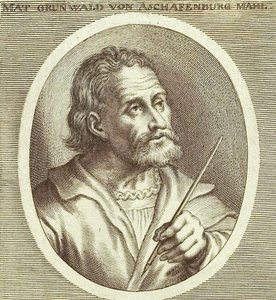
マティアス・グリューネヴァルト
1480 - 1528 , ドイツ
プロフィール概要
- Birth Date: 1470年頃–1475年
- Birth Place: ドイツ、ヴュルツブルク
- Death Date: 1528年
- Movement: ドイツ・ルネサンス、中世後期
- Name: マティアス・グリューネヴァルト
- Nationality: ドイツ
- Notable Works: イーゼンハイム祭壇画、磔刑

